
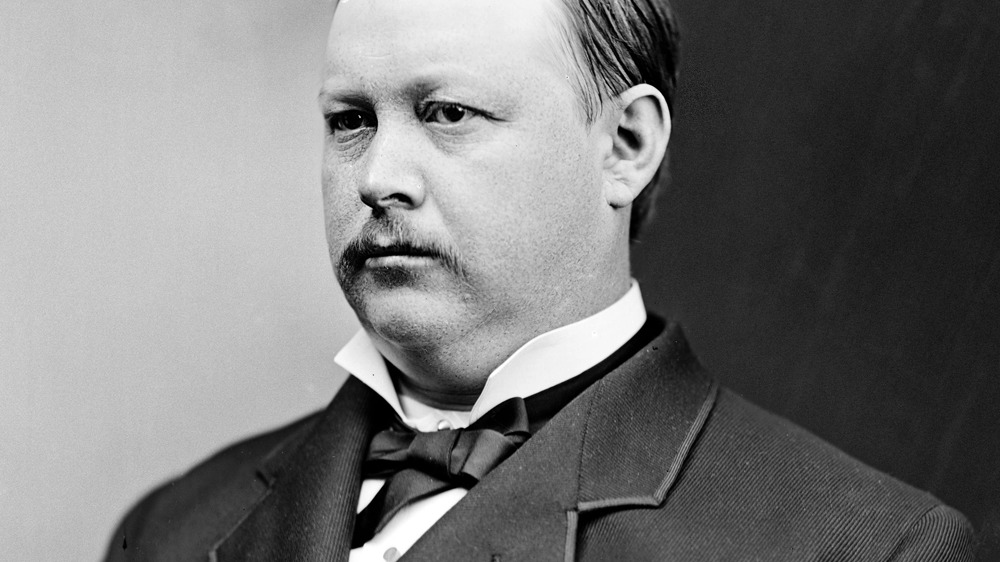
At 12:10 a.m. on December 7, 1902, Thomas Brackett Reed died in a suite at the Arlington Hotel on the corner of Vermont Avenue and I Street NW. He was 63 years old, weighed close to 300 pounds, and had once been the most powerful man in Washington who wasn’t president.
According to accounts, the Gridiron Club was holding a dinner downstairs that same night. Washington’s press corps and political elite were eating, drinking, and roasting each other while the former Speaker of the House slipped away one floor above them.
Five days earlier, Reed had walked into the Ways and Means Committee room at the Capitol to visit old colleagues. He fell ill that same afternoon and was taken to the Arlington. The diagnosis: Bright’s disease complicated by appendicitis. His wife Susan and daughter Katherine were at his bedside when he died.
That’s how the story ends. But the story of how Thomas Brackett Reed bent the United States House of Representatives to his will, earned the nickname “Czar,” and then walked away from all of it on principle is one of the best political stories Washington has ever produced.
Portland to the Capitol
Reed was born on October 18, 1839, in a small tenement on Hancock Street in Portland, Maine. His father captained a fishing boat before becoming a watchman at a sugar warehouse. Not exactly a dynasty.
He went to Bowdoin College, where one of his professors was Joshua Chamberlain, the future Civil War hero of Little Round Top. Reed graduated fifth in his class in 1860, studied law in California, and served in the Navy during the Civil War as a paymaster on the USS Sybil.
Back in Maine after the war, he moved fast. Maine State House in 1868. State Senate in 1870. Attorney General of Maine that same year. Portland City Solicitor after that. He won a seat in Congress in 1876, beating the Republican incumbent by fewer than 1,000 votes, and arrived in Washington in March 1877.
He would stay for 22 years.
The Biggest Man in the Room
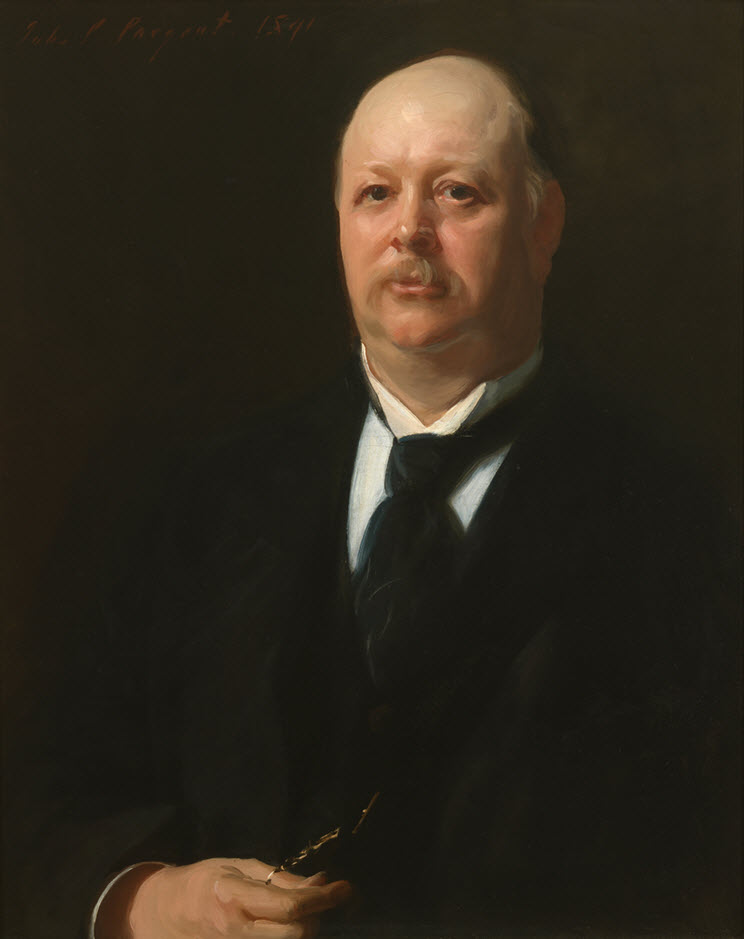
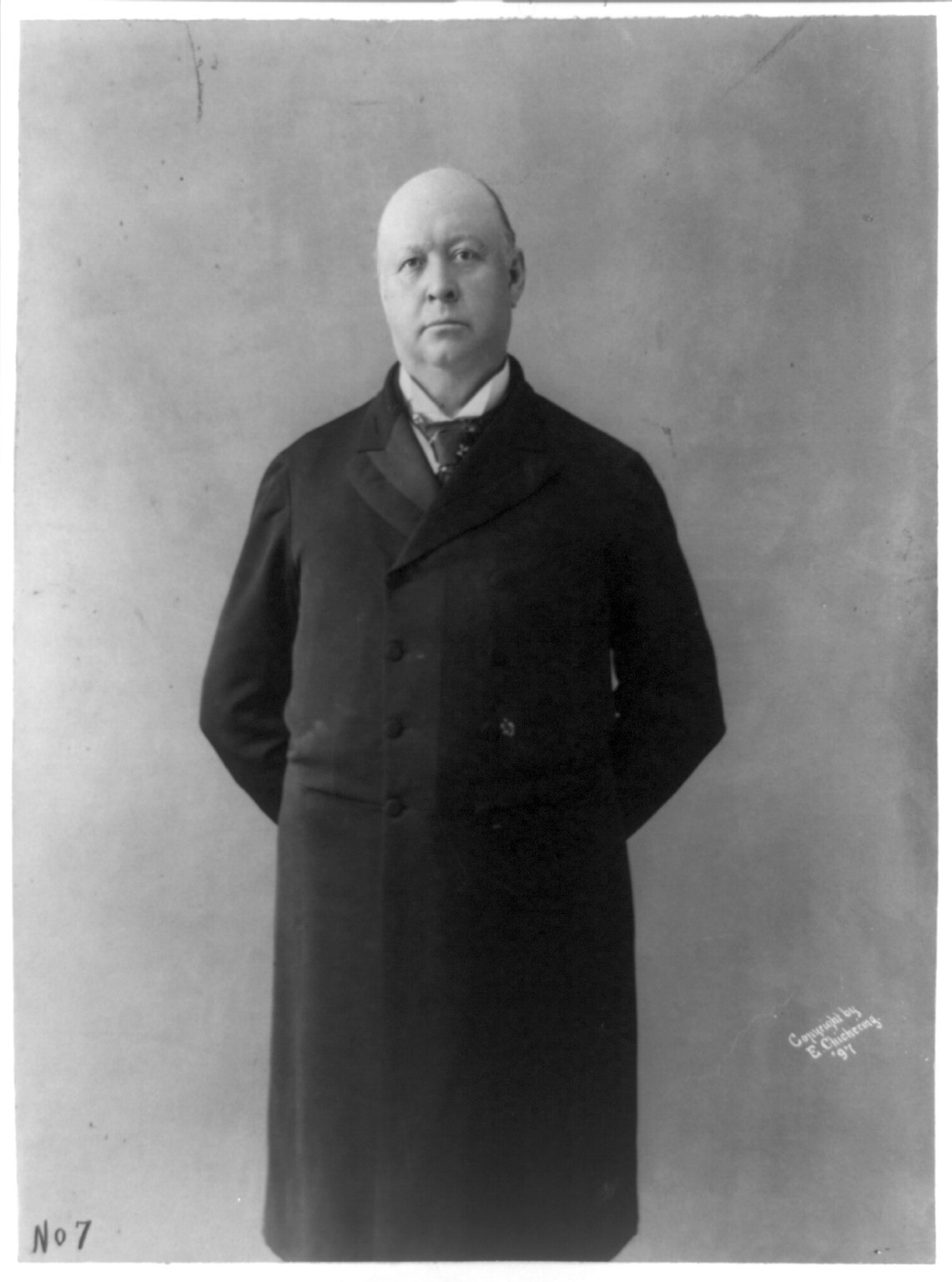
Reed was impossible to miss. He stood six feet three inches tall and carried close to 300 pounds on his frame. His face was so massively smooth that John Singer Sargent, who painted his portrait in 1891, confessed that Reed’s “expression does not correspond with his spirit.” Reed saw the painting and quipped, “Well, I hope my enemies are satisfied.” But his eyes were sharp, and his voice carried.
What really set him apart was his mouth. Not the size of it. The things that came out of it.
When a Democratic colleague invoked Henry Clay’s famous line about preferring to be right over being president, Reed shot back: “The gentleman need not be disturbed. He will never be either.”
He called the Senate “a place where good Representatives went when they died.”
Asked how much he weighed, he replied, “No gentleman ever weighed over two hundred pounds.”
When someone suggested the Republicans might nominate him for president in 1896, he said they “might do worse, and they probably will.” They nominated William McKinley instead. (We’ve got film of McKinley’s 1901 inauguration parade heading to the Capitol. Reed was already gone by then.)
Mark Twain, who became a close friend after Reed left Congress, wrote in Harper’s Weekly just days after Reed’s death that he was “transparently honest and honorable, there was no furtiveness about him, and whoever came to know him trusted him and was not disappointed.”
The Battle That Changed Congress
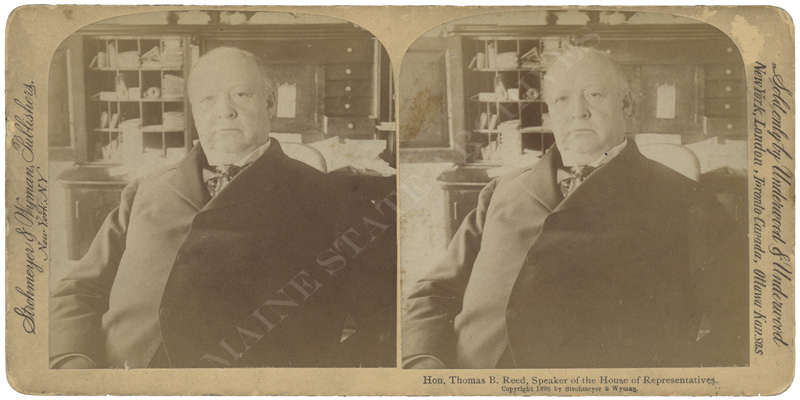
On December 2, 1889, Reed was elected Speaker of the House. Within two months, he would blow the place apart.
The problem was the “disappearing quorum.” For decades, the minority party had a devastatingly simple way to block any legislation they didn’t like: they just refused to answer when their names were called during a roll call vote. No quorum, no business. The House couldn’t do a thing. The previous Congress had been paralyzed for two weeks straight, with 400 roll calls, 300 of which Reed calculated were pure obstruction.
Reed called it “this peculiar art of metaphysics which admits of corporeal presence and parliamentary absence.”
On January 29, 1890, Democrats tried the trick again, refusing to answer the roll during a contested election case. Reed did something no Speaker had ever done. He directed the clerk to write down the names of the Democrats he could see sitting right there in the chamber, whether they answered or not.
The room erupted.
A Kentucky Democrat challenged the count. Reed looked at him and said: “The Chair is making a statement of fact that the gentleman from Kentucky is present. Does he deny it?”
The man could not deny that he was, in fact, sitting right there.
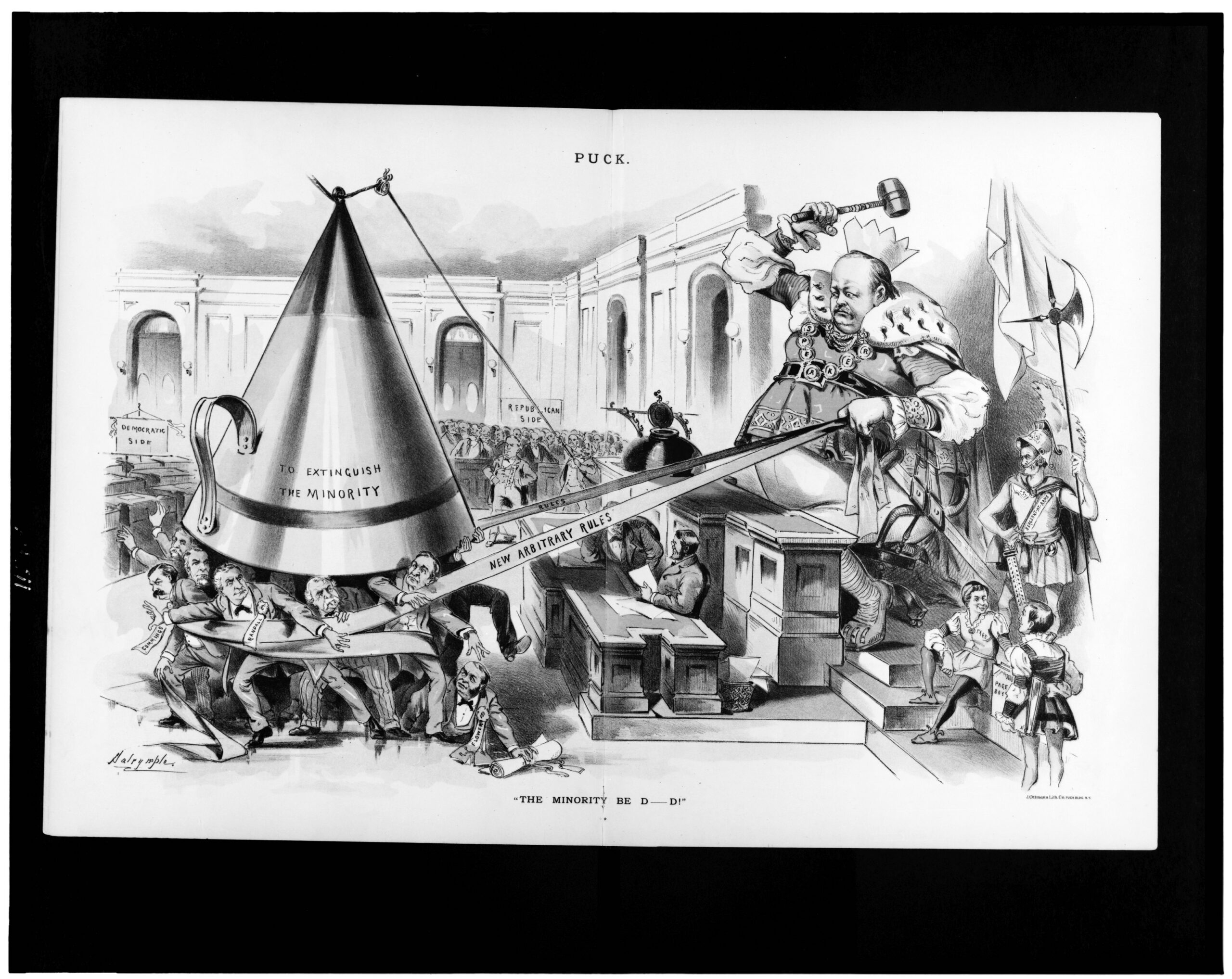
Democrats tried to flee. Some headed for the doors. Constantine B. Kilgore, a strapping Texan, literally kicked through a locked door to escape the chamber. Reed had ordered the doors locked.
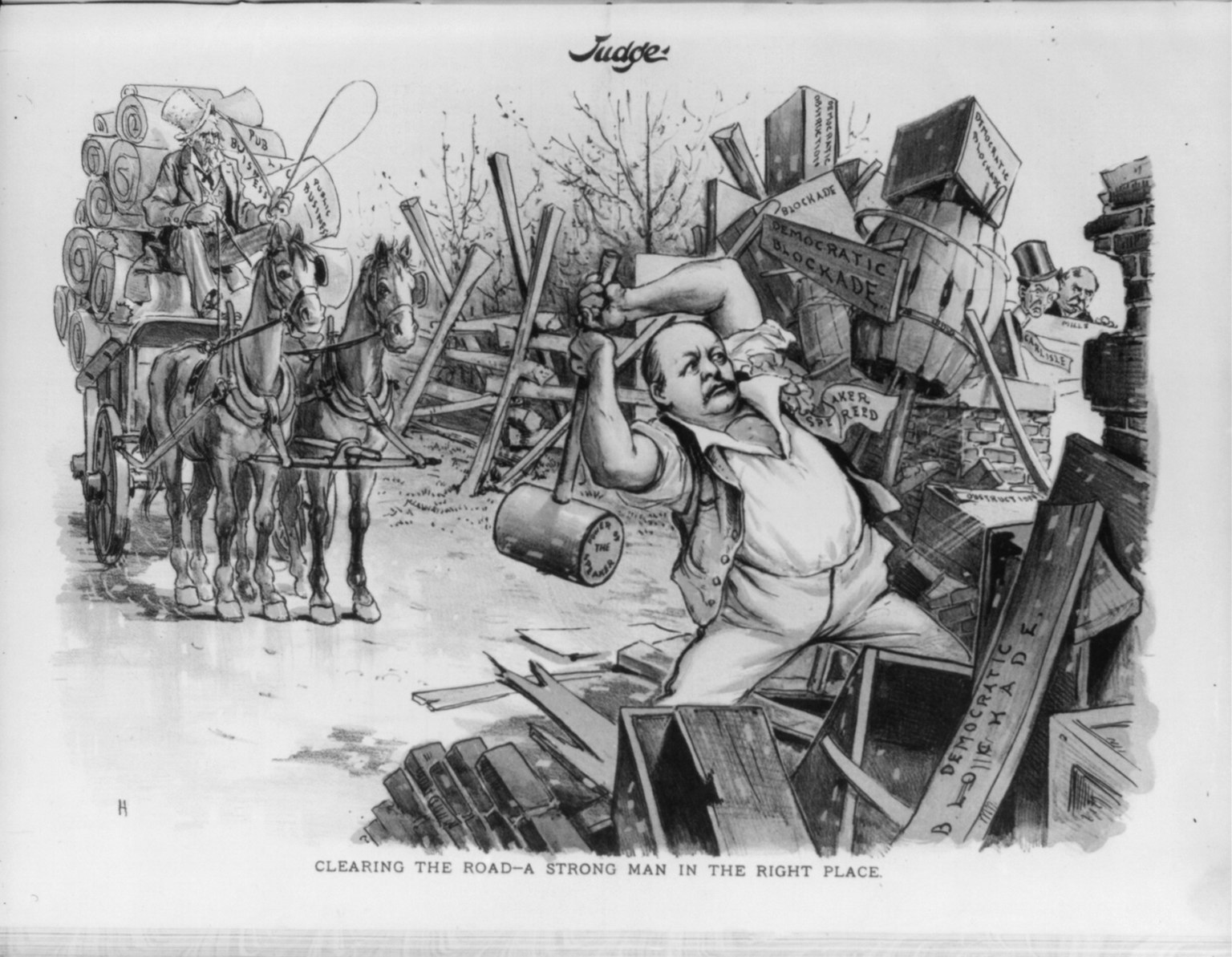
The fight lasted three days. Democrats introduced every procedural objection they could invent. Reed overruled them all. On February 14, 1890, the House formally adopted the new rules. The fight was over.
Two years later, the Supreme Court upheld Reed’s interpretation in United States v. Ballin, ruling that a quorum included all members present in the chamber, not just those who felt like answering the roll. By 1894, even the Democrats adopted the rule.
The modern House of Representatives runs on the foundation Reed built that January. The majority governs. The minority watches. Reed’s words, not anyone else’s. Reed used the same authority on the calendar to bury bills he opposed, including the appropriation Caroline Harrison was pushing for an expanded White House in 1891.
We’ve written about another dramatic moment at the Capitol, when a journalist shot a former Congressman on the marble steps. But Reed’s revolution drew no blood. Just locked doors and bruised egos.
“I Envy You the Luxury of Your Vote”
By the late 1890s, Reed was at the height of his power and deeply unhappy about where the country was headed.
The sinking of the USS Maine in Havana Harbor on February 15, 1898, sent war fever ripping through Washington. Reed didn’t buy it. He doubted Spain was responsible and opposed the rush to conflict. But when Joe Cannon introduced a $50 million military appropriation bill on March 8, it passed nearly unanimously. The war resolution followed on April 19, with only six votes against.
Reed wasn’t one of the six. As Speaker, he couldn’t vote without stepping down from the chair. He told a colleague: “I envy you the luxury of your vote. I was where I could not do it.”
After the American victory, the drive toward empire accelerated. The Newlands Resolution to annex Hawaii came to the floor in May 1898. Reed used every procedural tool he had to block it, holding it up for three weeks. But the expansionist tide was too strong, and he finally let it through.
His closest allies had turned. Theodore Roosevelt and Henry Cabot Lodge, friends from his Washington social circle, were now ardent imperialists. Nelson Dingley, his most trusted colleague from Maine, died in January 1899.
Reed announced his resignation on April 19, 1899. He told a friend: “Had I stayed, I must have been as Speaker always in a false position, aiding and organizing things in which I did not believe, or using power against those who gave it to me.”
He left Congress on September 4, 1899, and moved to New York to practice law. The man who had remade the House of Representatives walked away because the House was doing things he couldn’t stomach.
The Arlington Hotel
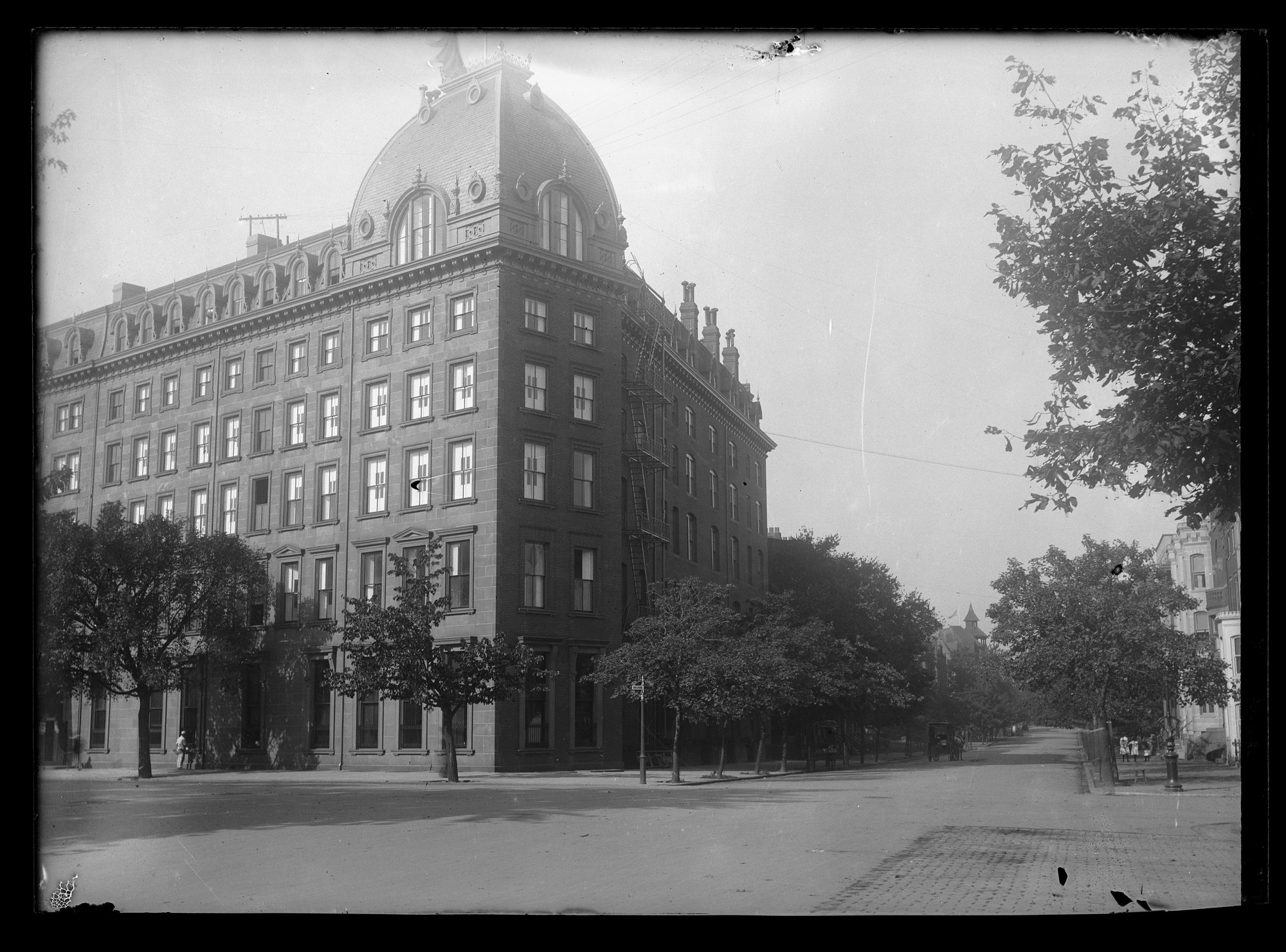
The hotel where Reed spent his last days was one of Washington’s grandest. The Willard gets more attention in DC hotel history, but the Arlington, built in 1868 at Vermont Avenue and I Street NW, was every bit its rival.
In 1899, The Successful American called it “one of the foremost hotels of the country” and noted it had “sheltered every preeminent American for years.” King Kalakaua of Hawaii stayed there. So did Grand Duke Alexei of Russia, Emperor Pedro II of Brazil, Andrew Carnegie, and J.P. Morgan. Vice President Garret Hobart, who served under McKinley, lived at the Arlington full-time.
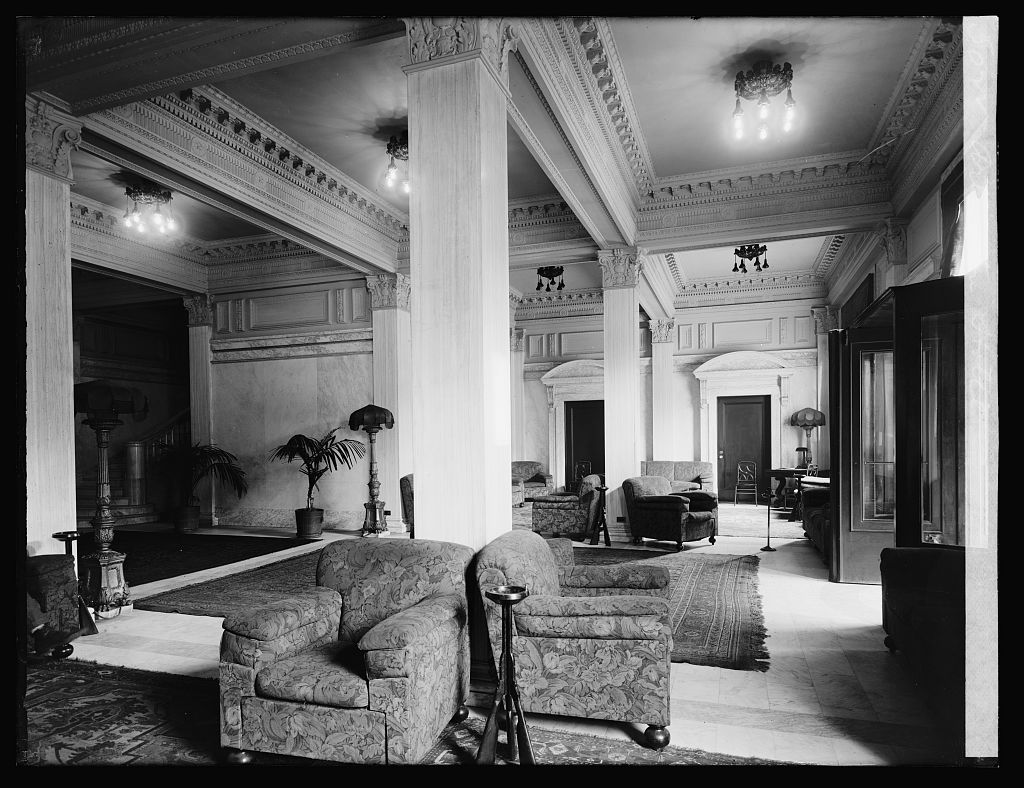
The hotel was demolished in 1912. The site eventually became the headquarters of the Department of Veterans Affairs, which still stands at the same corner today.
No plaque marks the spot where the most powerful Speaker of the 19th century died while a party carried on below.
What Reed Left Behind
Reed’s estate was valued at $200,000, roughly $6 million in today’s dollars. He left behind his wife, his daughter Katherine (who would go on to found The Yellow Ribbon, a suffrage magazine in California, in 1906), and a set of parliamentary rules that still govern the House of Representatives.
His friend Henry Cabot Lodge, eulogizing him, called Reed “a good hater, who detested shams, humbugs and pretense above all else.” A House resolution called him “the most famous of the world’s parliamentarians.”
There’s a statue of Reed on the Western Promenade in Portland, Maine, unveiled in 1910. The Hay-Adams Hotel now stands a few blocks from where the Arlington once did. Reed’s book, Reed’s Rules: A Manual of General Parliamentary Law, published in 1894, is still used by the Washington State legislature.
The man who said politicians “might do worse, and they probably will” hasn’t been wrong yet.