
The cul-de-sac on Lilly Stone Drive runs quiet on a March morning, half a mile from the Beltway and a short freeway run from Foggy Bottom. The split-levels are tucked into the slope, the trees are still bare, and the houses keep to themselves. In 1976, the address that belonged to a State Department family at 8103 became the center of one of the strangest open cases in Maryland history.
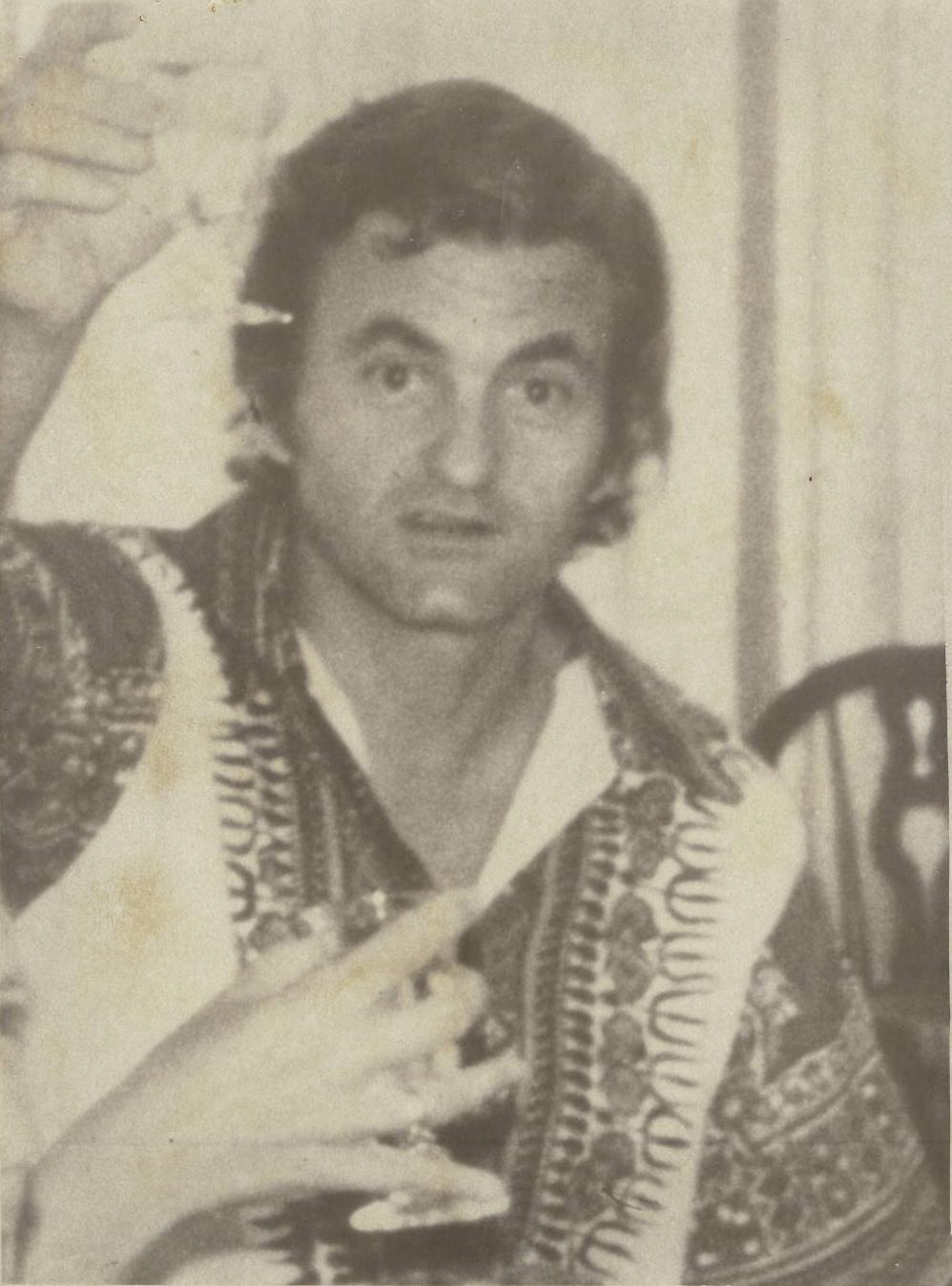
On March 1 of that year, William Bradford Bishop Jr., a 39-year-old Foreign Service officer, returned home from his office at Main State, the State Department’s Foggy Bottom headquarters, and killed his wife, his mother, and his three sons. He loaded their bodies into the family station wagon, drove them 275 miles south to a wooded patch of Tyrrell County, North Carolina, and set the shallow grave on fire. Then he disappeared.
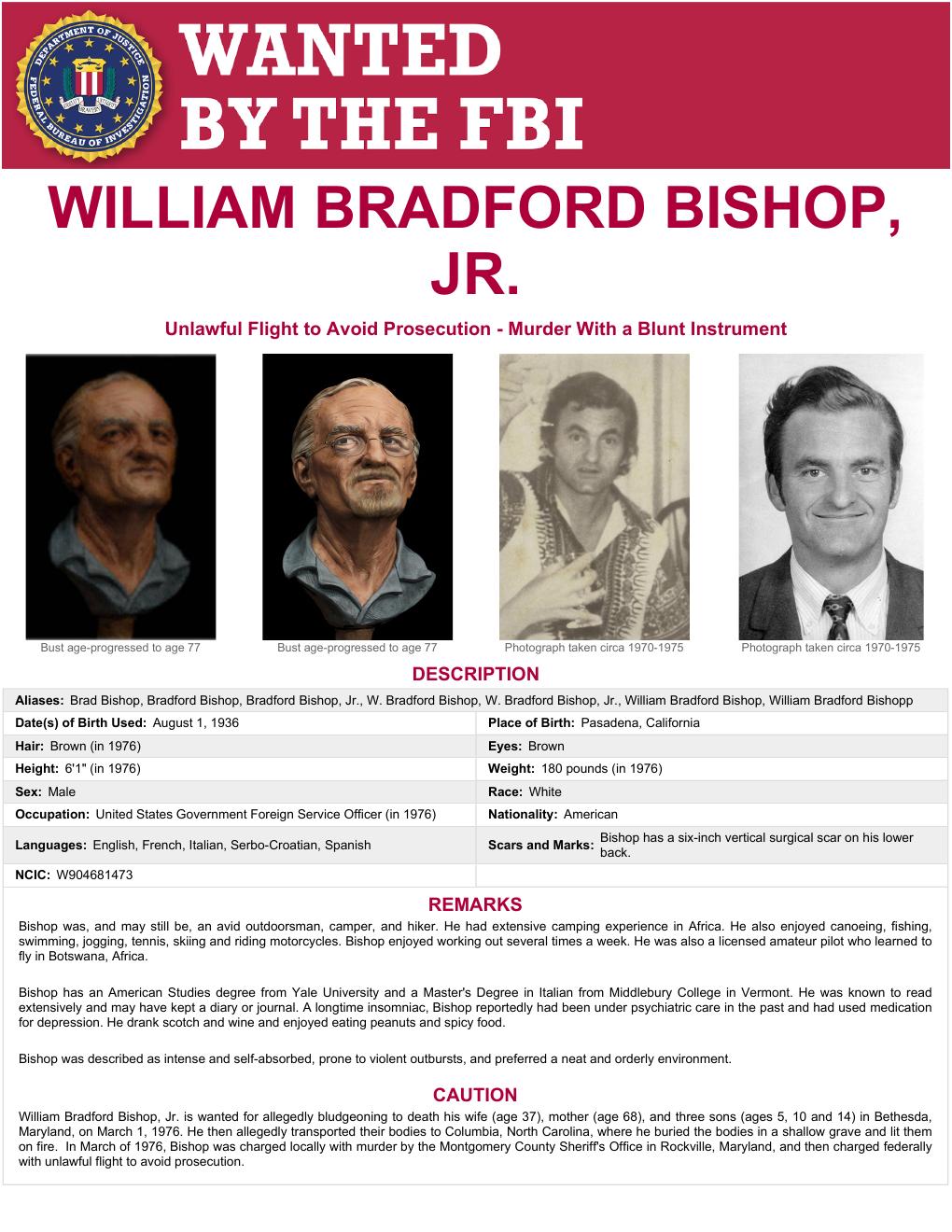
Fifty years later, the case is still open. The FBI placed Bishop on its Ten Most Wanted Fugitives list in 2014 and kept him there until 2018. The poster came down. The file did not. He would be 89 today. Washington has other criminal cases that unspooled across decades; among the strangest is the four-decade arc of Robert Askins.
The Family at 8103 Lilly Stone
Carderock Springs was almost brand new when the Bishops bought 8103 Lilly Stone Drive. Developer Edmund J. Bennett and the firm of Keyes, Lethbridge & Condon had laid out the 275-house subdivision between 1962 and 1966 on wooded, sloping lots northwest of Bethesda. The houses were low, post-and-beam, glass-walled, set into the trees rather than perched on top of them.
The house at 8103 is a privately occupied home today. Out of respect for the people who live there now, this post points only to the public record.
The neighborhood read as the rewards bracket of mid-century federal Washington. State Department, Pentagon, NIH. Two cars in the driveway, a swim and tennis club around the corner, a Beltway on-ramp at Cabin John. The Bishops fit the picture. Yale husband, stay-at-home wife, three boys, a golden retriever named Leo.
Annette Kathryn Weis Bishop, 37, had met Brad in high school in South Pasadena, California, where he quarterbacked the football team and she was a cheerleader. They married in 1959, the year he finished Yale. By 1976 she was an art student at the University of Maryland, the first thing in years that was hers alone.
Their three sons were William Bradford III, 14; Brenton Germain, 10; and Geoffrey Corder, 5. Bishop’s mother, Lobelia Amaryllis Bishop, 68, lived with them. She had helped buy the house with a thirty-thousand-dollar down payment after her husband, a geologist named Bradford Sr., died, and she had moved in not long after.
To the neighbors, the picture held. Annette carpooled and played tennis at the Carderock Springs Swim and Tennis Club. The boys went to local schools. Annette’s brother Robert Weis, interviewed by Bethesda Magazine in 2013, said he saw nothing wrong between Brad and his sister. “I always thought they had a good relationship,” he told the magazine.
A Memo in a Main State Hallway
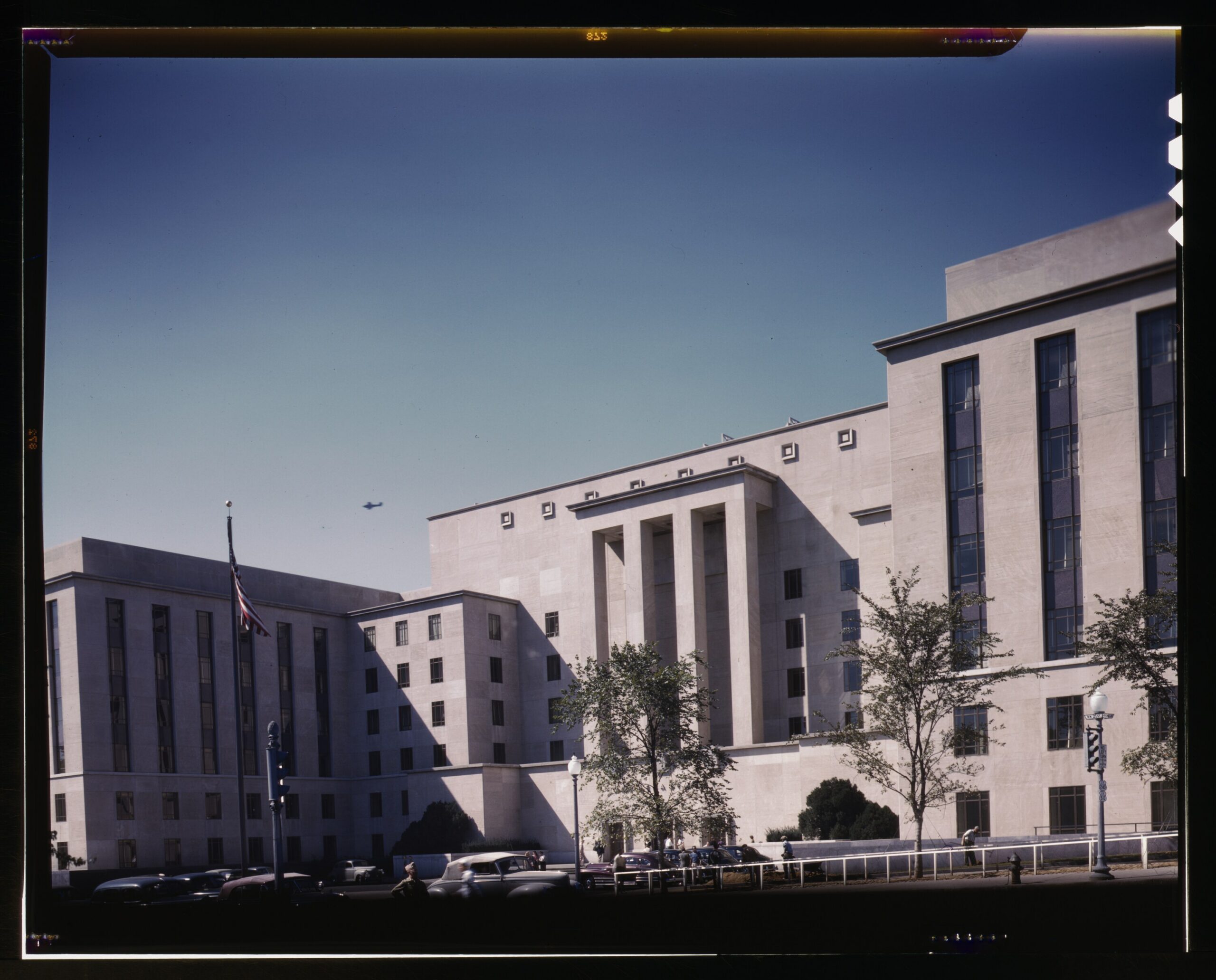
Bishop’s career, in Foreign Service terms, had been a steady climb. After four years of Army counterintelligence work in the former Yugoslavia, he joined the State Department in the early 1960s. He served in Italy, did graduate work at the University of Florence, then moved with his family to Ethiopia and to Botswana, where his last overseas title was deputy chief of mission.
In 1974 he was rotated back to Washington. He took a desk at Main State as assistant chief in the Division of Special Activities and Commercial Treaties, a slot that pulled him off the African Affairs track he had been on through Ethiopia and Botswana. He was unhappy in it and wanted another posting overseas. Annette, by the accounts of friends and co-workers, did not.
On the morning of Monday, March 1, 1976, a promotion list went up in a corridor at Main State. Bishop walked over to read it. A position he had expected was listed under a colleague’s name. According to investigators interviewed by Bethesda Magazine, he became visibly upset, then went to his supervisor, said he was unwell, and left.
His secretary saw him leave. So did Roy A. Harrell Jr., a State Department colleague who later told the FBI he had encountered Bishop outside the building and noticed how agitated he was. Harrell would prove to be the last person on the federal payroll to see Bishop in the United States.
Investigators later traced his afternoon. He stopped at the American Security Bank and withdrew several hundred dollars in cash. He drove to Montgomery Mall, filled the station wagon’s tank at a Texaco station, and went into the Sears at the mall, where he bought a small hammer and a gasoline can. From there he drove to a hardware store and bought a shovel and a pitchfork.
The car was a maroon 1974 Chevrolet Malibu station wagon. The receipts were on a State Department credit card.
The Quiet Week No One Noticed
Bishop reached Lilly Stone Drive between 7:30 and 8:00 that evening. Police later reconstructed the order of the killings from the rooms where the blood was found. Annette was in the master bedroom. Lobelia had been walking the dog. The three boys were upstairs in their bedrooms. All five were dead before midnight. The implement, the FBI’s wanted bulletin states clinically, was a blunt instrument.
Bishop loaded the bodies into the back of the station wagon, with the dog. He drove out of Carderock Springs and onto the Beltway, then south, all night, to a stretch of marshy bottomland about five miles south of Columbia, North Carolina, near Albemarle Sound. There, on the morning of March 2, he dug a shallow pit, piled the bodies into it, and set them on fire with the gas can.
That afternoon, around 5:30, a witness in Jacksonville, North Carolina, sold a man fitting Bishop’s description a pair of tennis shoes at a sporting goods store. He was traveling with a woman and the family’s golden retriever. No one in the United States has reliably seen him since.
The fire smoldered for days. A forest ranger drawn by the smoke found the grave and the burned remains of five people, along with a gas can, a pitchfork, and a shovel with a partially legible store stamp reading “OCH HDW.” The stamp turned out to be from Poch’s Hardware in Potomac, Maryland.
In Carderock Springs, no one knew anything was wrong. The boys did not appear at school. Annette did not appear for tennis. A friend named Alvina Long drove over the day after the killings to pick the kids up for the Rockville pool. She told Bethesda Magazine she found the back door open, a pot of oatmeal on the stove, and no one home. She assumed the family had gone skiing and left.
It took a week. On Monday, March 8, a neighbor finally called Montgomery County police to say she had not seen the Bishops in days. Officers arrived around noon. They found a trail of blood from the front door to the driveway and a house, in the words of one detective interviewed later, that was bloody in every room that mattered.
North Carolina authorities had already contacted Montgomery County about the bodies in the grave. The shovel from Poch’s was the bridge. Dental records, jewelry, and clothing made the identifications. The Washington Post led the next morning’s paper with the line “5 in Md. Family Found Slain. Killed in Home, Dumped in N.C.; Father Missing.”
The Station Wagon at Elkmont
For two and a half weeks the maroon station wagon was missing along with the man. On March 18, a park ranger found it abandoned at the Elkmont campground in Great Smoky Mountains National Park, near Gatlinburg, Tennessee. The Appalachian Trail ran a few miles away.
Inside the wagon, investigators found a bloody blanket, a shotgun, an axe, dog biscuits, and a shaving kit with Bishop’s medication. The spare-tire well in the trunk was full of blood. The dog was gone. So was Bishop. Bloodhounds tried to track him into the woods. They lost the trail.
The day after the wagon was found, a Montgomery County grand jury indicted Bishop on five counts of first-degree murder. The United States Attorney’s Office followed with a federal charge of unlawful flight to avoid prosecution. He had roughly a week of head start on the federal warrant.
His wallet has never been found. Neither has his passport. Of the five diplomatic passports belonging to the Bishop family, Brad’s was the only one missing from the house.
A Manhunt Across Continents
For the next four decades, the case stayed alive on tips. A Swedish woman in 1978 reported seeing Bishop twice in a public park in Stockholm. She had worked with him in Ethiopia and said she was “absolutely certain” of the recognition. She did not know at the time he was wanted.
In January 1979, Roy Harrell, the State Department colleague who had last seen Bishop outside Main State, walked into a restroom in Sorrento, Italy, on vacation. A bearded man met his eye. Harrell asked, “Hey, you’re Brad Bishop, aren’t you?” The man answered in a flat American accent, said “Oh no,” and walked out fast.
In September 1994, a former Bethesda neighbor on vacation said she saw Bishop on a train platform in Basel, Switzerland. He was well-groomed, she told investigators, getting into a car. Three sightings in twenty years. None confirmable.
The reported sightings spread from there: Italy, Belgium, the Netherlands, Germany, Greece, Spain, Sweden, Finland, Switzerland, the United Kingdom. The Marshals Service considered the Stockholm, Sorrento, and Basel reports the most credible. Most others led nowhere. Bishop spoke five languages, had a diplomatic passport, and had spent years in places where Americans did not stand out.
The case kept resurfacing on television. ABC’s Vanished, NBC’s Unsolved Mysteries, Fox’s America’s Most Wanted, a German episode of Aktenzeichen XY… ungelöst in 1992, a Katie Couric segment on the Today show in 1998, John Walsh on CNN in 2014. Reader’s Digest and Time revisited it at anniversaries. Each round brought tips. None brought Bishop.
Number 502 on the Ten Most Wanted
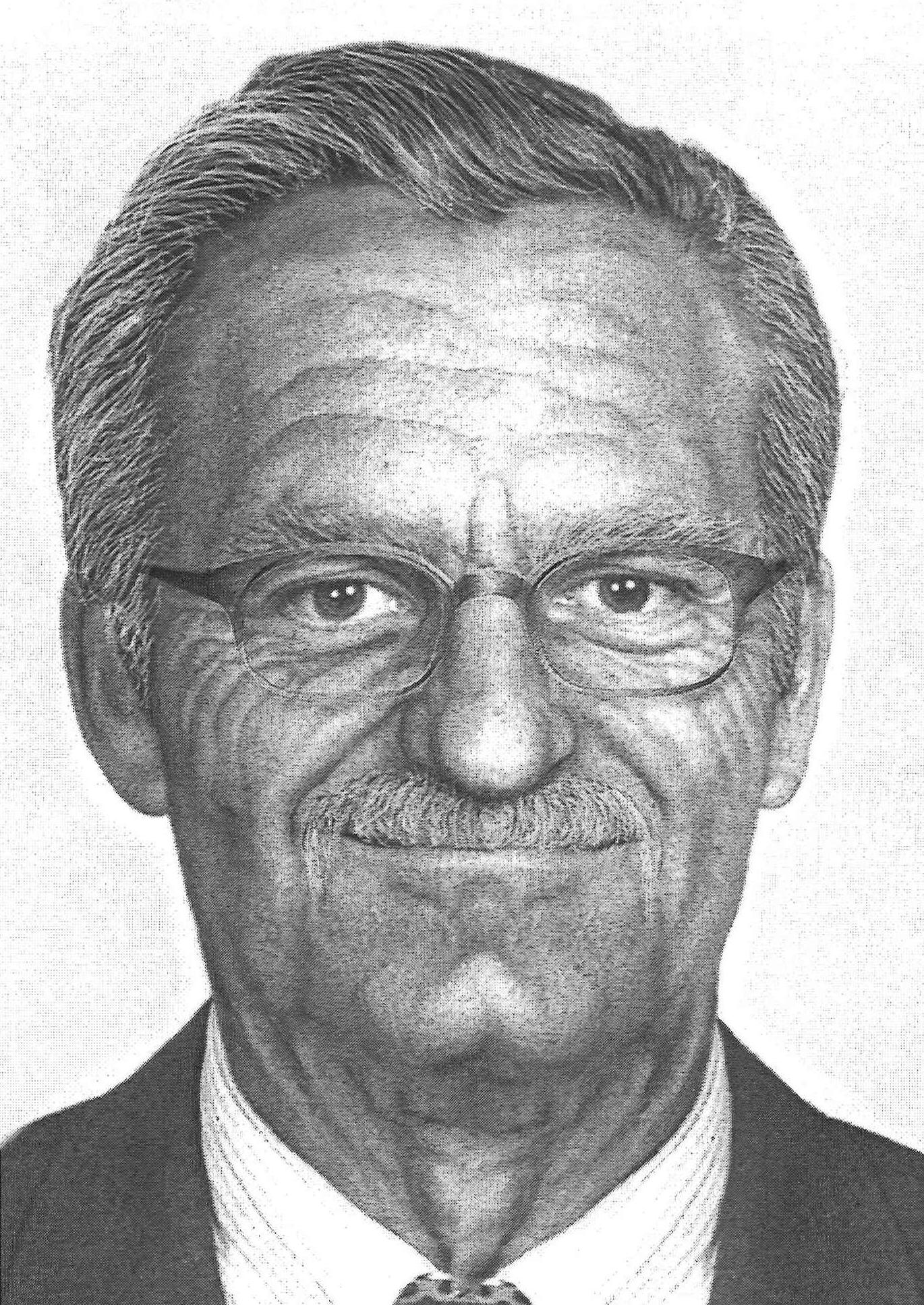
In May 2013, the FBI’s Baltimore and Washington field offices, the Montgomery County Police, the Montgomery County Sheriff’s Office, and the State Department’s Diplomatic Security Service formed a cold-case task force around the Bishop file. They commissioned forensic artist Karen T. Taylor to build an age-progressed bust of what Bishop might look like at 77.
On April 10, 2014, the FBI named him the 502nd fugitive added to the Ten Most Wanted list since the list was created in 1950. The reward stood at one hundred thousand dollars. Steve Vogt, the special agent in charge of the Baltimore field office, called the case a test of whether modern media could close what 1976 reporting could not.
In the first year alone the task force followed roughly 480 leads. By the two-year mark it was past 650. Investigators chased lookalikes through grocery stores, truck stops, neighborhood bars, and a bridge club. They learned new things about Bishop along the way, including, from witnesses who came forward after the Top Ten placement, that he had carried on multiple extramarital affairs his family had not known about.
None of it produced him. A John Doe killed by a car in Alabama in 1981 was exhumed in 2014 and tested. Not Bishop. A loner found dead off the coast of Mexico was checked. Not Bishop. Fingerprint and DNA work eliminated a series of European death reports. Not Bishop.
On June 27, 2018, the FBI quietly took Bishop off the Top Ten list. The Bureau told the Wall Street Journal it needed the slot for another active fugitive. The warrants did not change. The Interpol Red Notice did not change. He simply rotated off the public-facing page.
What the Case Has Become
In 2021, a North Carolina woman named Kathy Gillcrist, born in 1957 and adopted as an infant, learned through DNA testing and genealogy that her biological father was Bradford Bishop. The FBI matched her DNA against a profile drawn from cigarette butts left in the abandoned station wagon. Gillcrist has since spoken on the record to Bethesda Magazine, NBC4, and WUSA9 about growing up never knowing her birth father. Subsequent genealogy work has turned up additional half-siblings, none publicly identified.
The Bishop family home at 8103 Lilly Stone Drive was sold within a year of the killings. New owners moved in, then more. The house has changed hands quietly several times since. Carderock Springs is a National Register historic district now, listed in 2008 for its mid-century modern architecture.
Ray Kight, the Montgomery County sheriff who had worked the case as a young deputy on the fugitive squad, kept the file at his elbow for the rest of his career and into retirement. So did his successor, Sheriff Darren Popkin, who was 14 years old in Rockville on the night of the killings and remembered watching the news with his parents. A blown-up wanted poster has stood in the Sheriff’s Office conference room in Rockville for decades, yellowing along the edges.
The Foreign Service has its own quiet memory of the case. A 2013 oral history from the Association for Diplomatic Studies and Training pulled together accounts from three of Bishop’s colleagues, including Dell Pendergrast, Dan Zachary, and Peter K. Murphy, who recalled him from postings in the 1960s and early 1970s. Each described an attractive, accomplished couple. None said they had seen this coming.
My father worked at Main State in 1976. He learned about Bishop the same way the rest of Washington did.
An Open File
If William Bradford Bishop Jr. is still alive, he is 89 years old. The FBI’s working assumption since at least 2014 has been that he assumed a new identity and lived in plain sight, either in Europe or back in the United States, avoiding any arrest that could fingerprint him. That theory has held up against every test the Bureau has been able to apply.
The five people he killed at 8103 Lilly Stone Drive are buried together. Annette Kathryn Bishop, age 37. Lobelia Amaryllis Bishop, age 68. William Bradford Bishop III, age 14. Brenton Germain Bishop, age 10. Geoffrey Corder Bishop, age 5. The grave marker carries all of their names.
The poster came down in 2018. The case did not. Montgomery County still has the indictment. The FBI still has the file. The State Department’s Diplomatic Security Service still pursues leads. The reward, last published at one hundred thousand dollars, has never been withdrawn.
Anyone with information about William Bradford Bishop Jr. is asked to call the FBI at 1-800-CALL-FBI or submit a tip at tips.fbi.gov.
We dug this one up with help from AI and checked it against the original records below. Here’s how we use AI.