
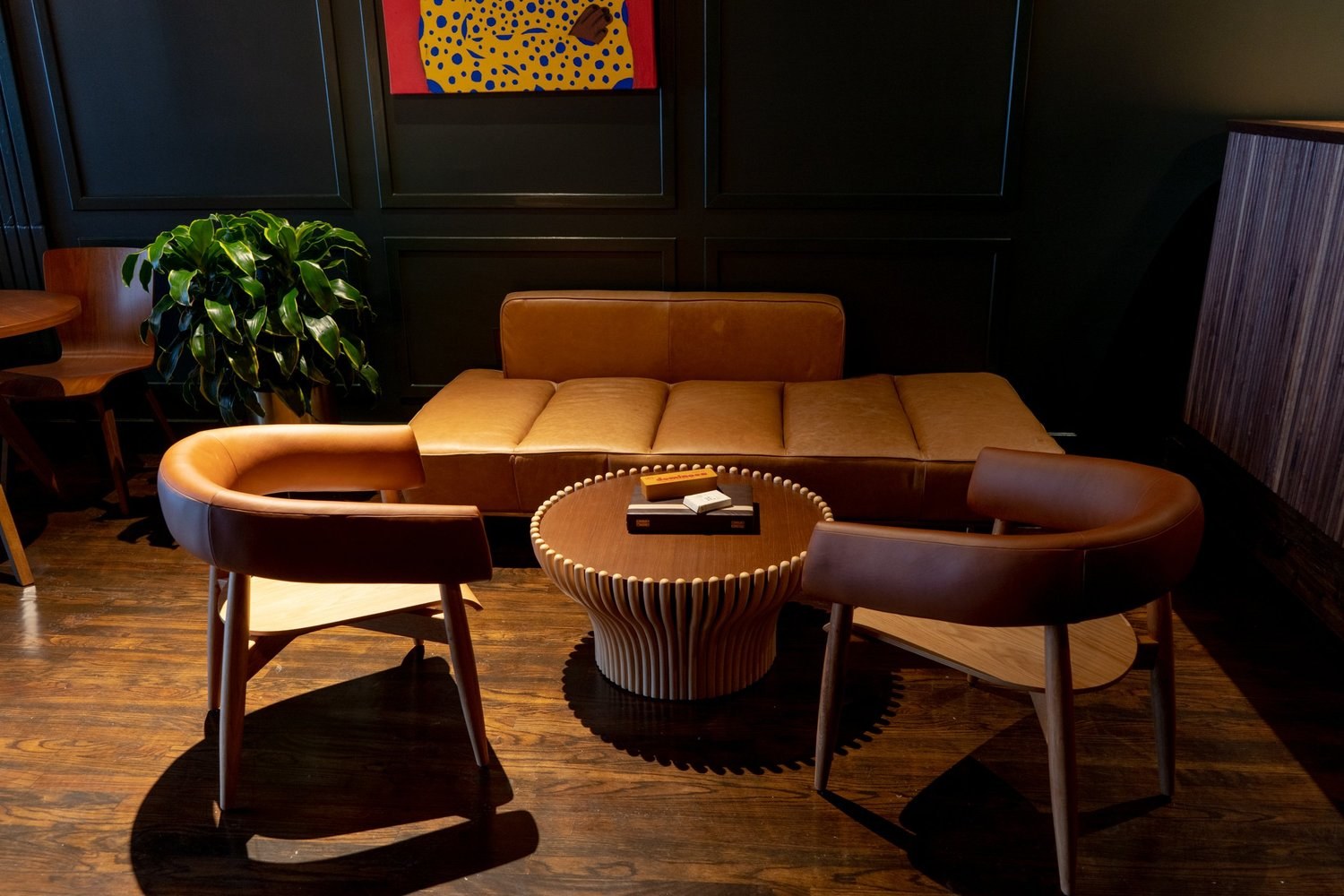
Shanklin Hall pours cocktails and spins vinyl at 2325 18th Street NW, in the Adams Morgan storefront most Washingtonians still remember as the jazz club Columbia Station. Here is the part almost nobody knows. In 1921, this exact address was the front office of D.G.S., the grocery cooperative that fed Washington for half a century.
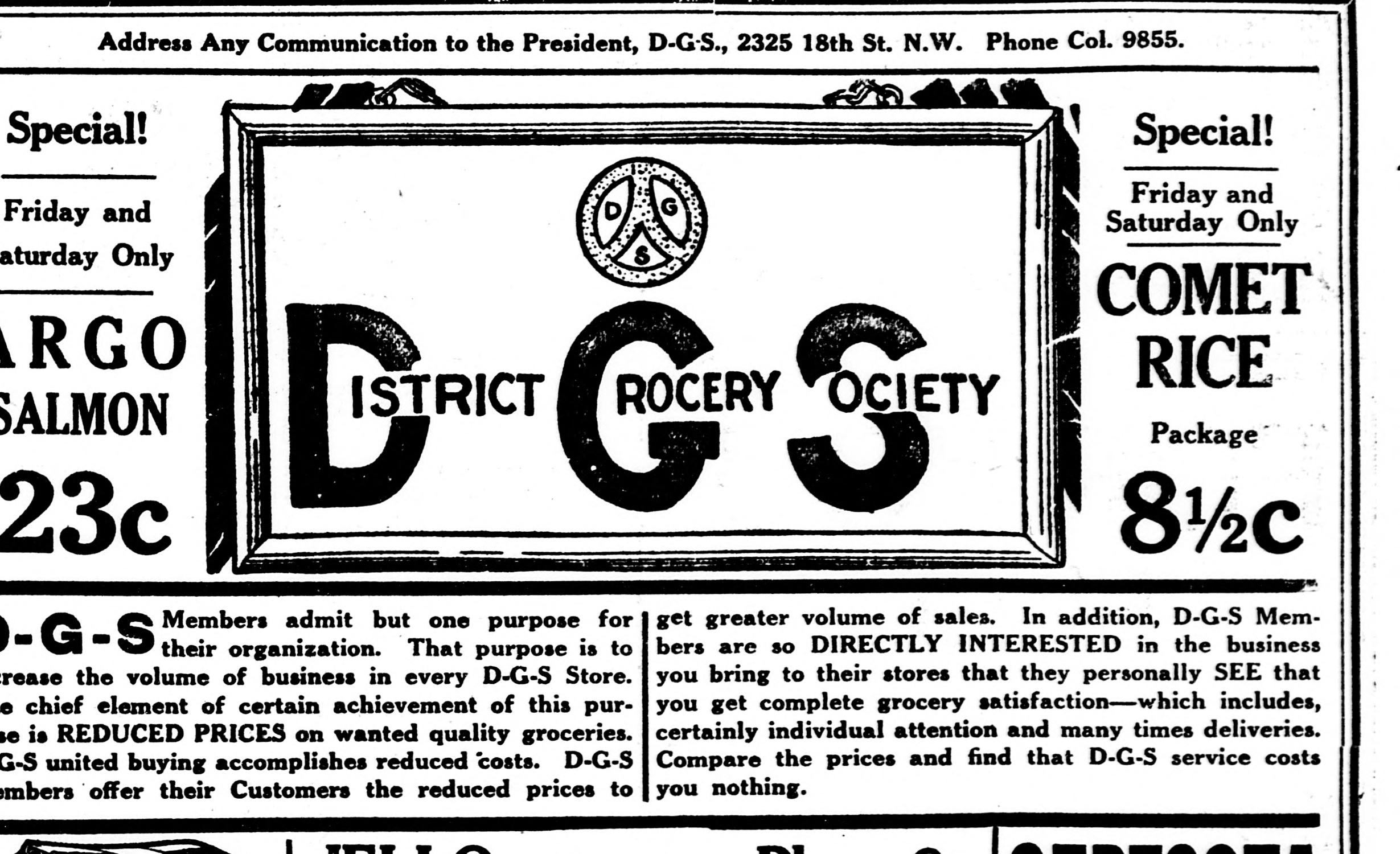
We are not stretching. That fall, full-page D.G.S. ads in the Evening Star carried a standing instruction across the top: “Address Any Communication to the President, D-G-S., 2325 18th St. N.W. Phone Col. 9855.” The president was William M. Hornstein, and D.G.S. headquarters was his own corner grocery.
The grocer of 2325 18th Street
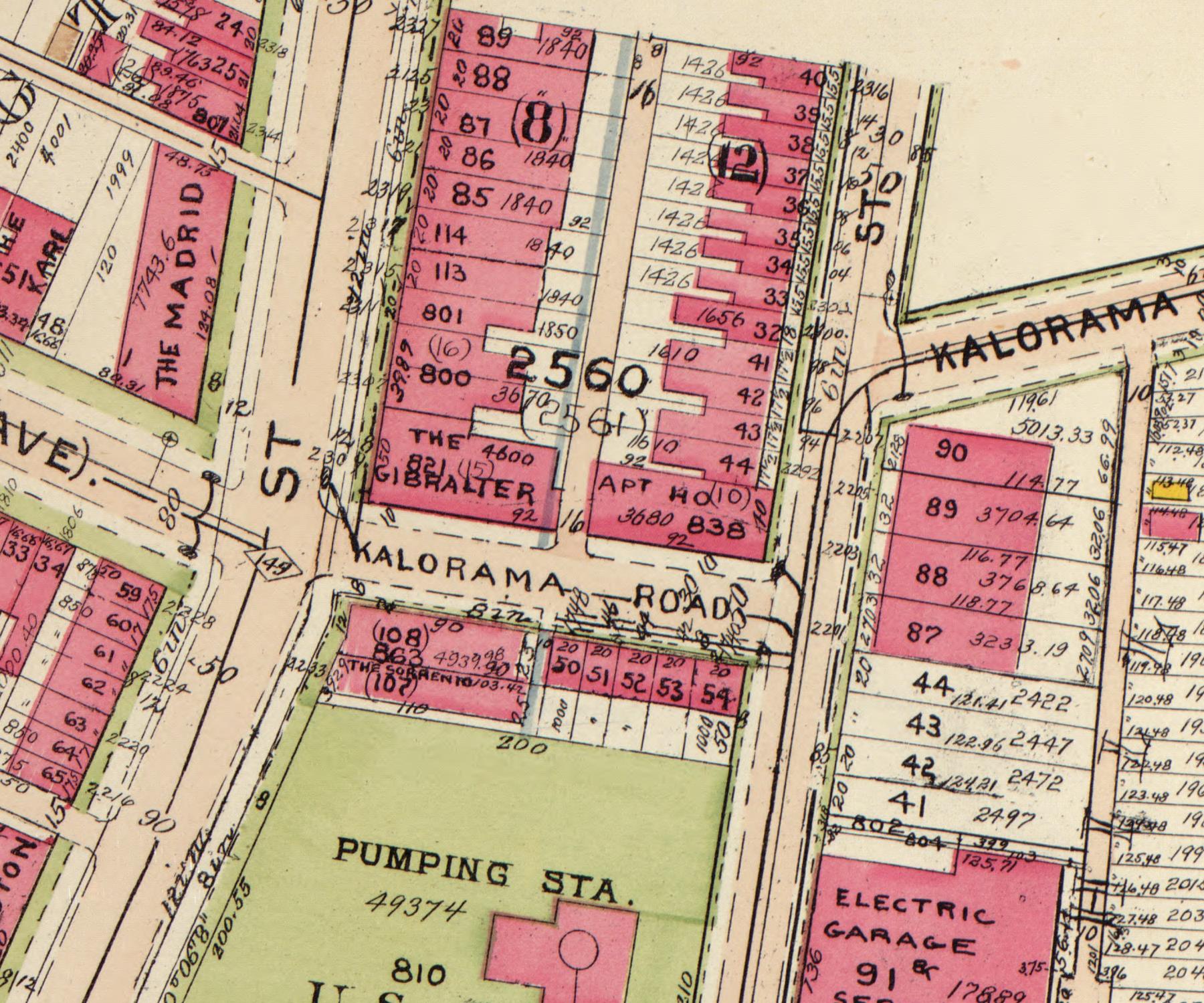
Hornstein was born in Russia around 1883 and brought to this country as a child. He grew up in Newark, New Jersey, came to Washington as a young man, and around 1914 opened a grocery at 2325 18th Street, in the fast-filling streetcar neighborhood then called Washington Heights. His family lived upstairs.
The building standing today came a few years later. DC tax records date it to 1920: a brick storefront with living quarters above, about 4,350 square feet stacked on a lot only 20 feet wide. It went up just as rowhouses all along 18th Street were being converted into shops to catch the streetcar trade.
A cooperative born behind a grocery counter
D.G.S. was founded in 1921 by Washington’s independent grocers, most of them immigrant families running single corner stores. The idea was survival math: buy wholesale together and advertise together, so the corner store could match the prices of the national chains multiplying across the city. The earliest ads spell the name District Grocery Society.
Members admit but one purpose for their organization. That purpose is to increase the volume of business in every D-G-S Store. The chief element of certain achievement of this purpose is REDUCED PRICES on wanted quality groceries. D-G-S united buying accomplishes reduced costs.
Evening Star, November 4th, 1921
It worked. D.G.S. grew into hundreds of member stores across the city and lasted into the 1970s, long enough that those three letters still ring a bell for generations of Washingtonians. And in the first years of that empire, the whole operation answered its mail at 2325 18th Street.
The competition was close enough to watch. Five doors down the same row, the little 1911 grocery building at 2315 18th Street carried a string of independent grocers’ names before joining the Sanitary chain in 1926, two years before Safeway absorbed it. That building has been the cash-only dive Dan’s Cafe since 1965. Chain store versus cooperative, fought out on a single Adams Morgan block.
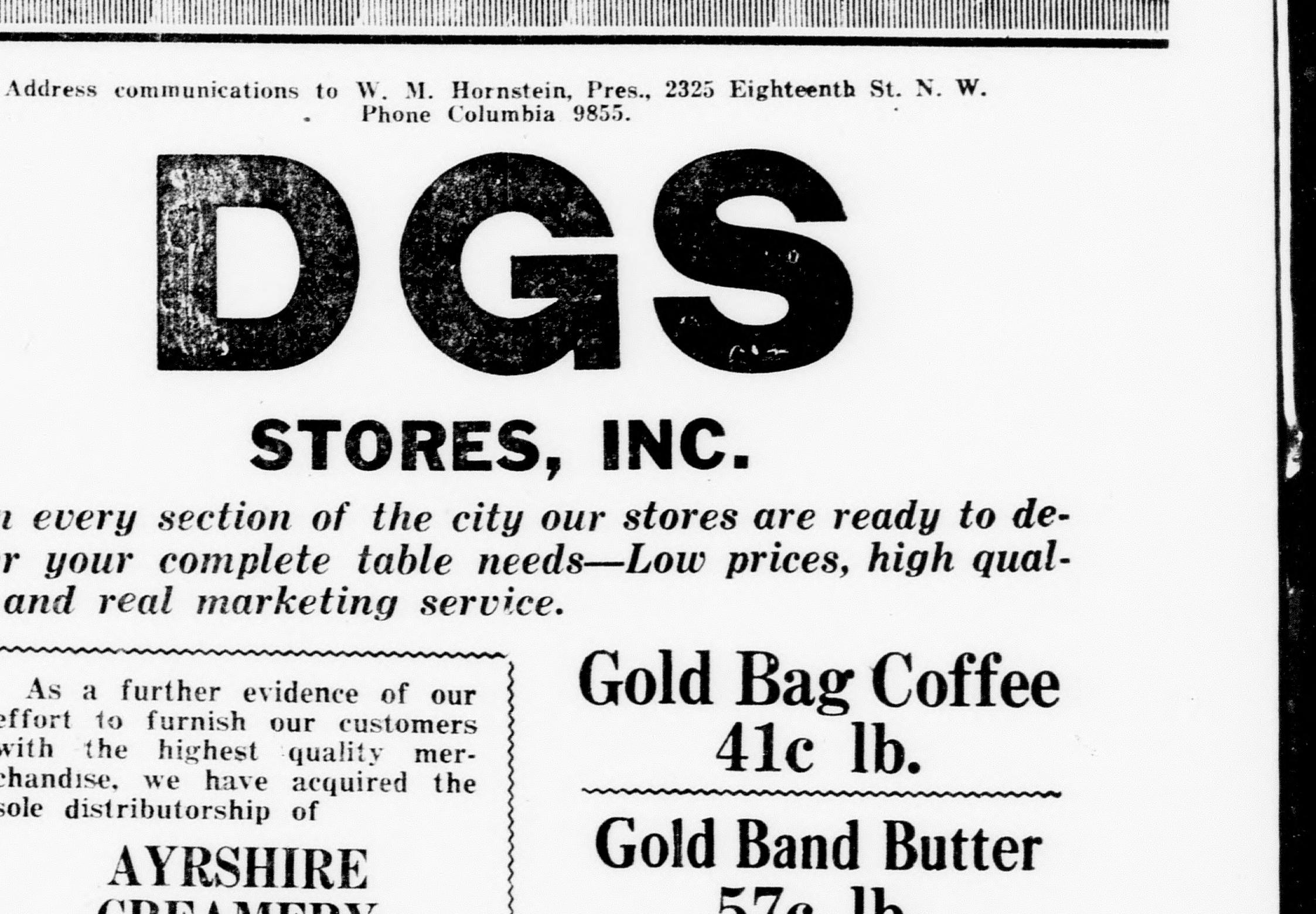
By 1925 the ads read “DGS Stores, Inc.,” and the standing line at the top had not moved: “Address communications to W. M. Hornstein, Pres., 2325 Eighteenth St. N.W. Phone Columbia 9855.” Hornstein went on to help found a second cooperative chain, United Food Stores, Inc.
He died above the store
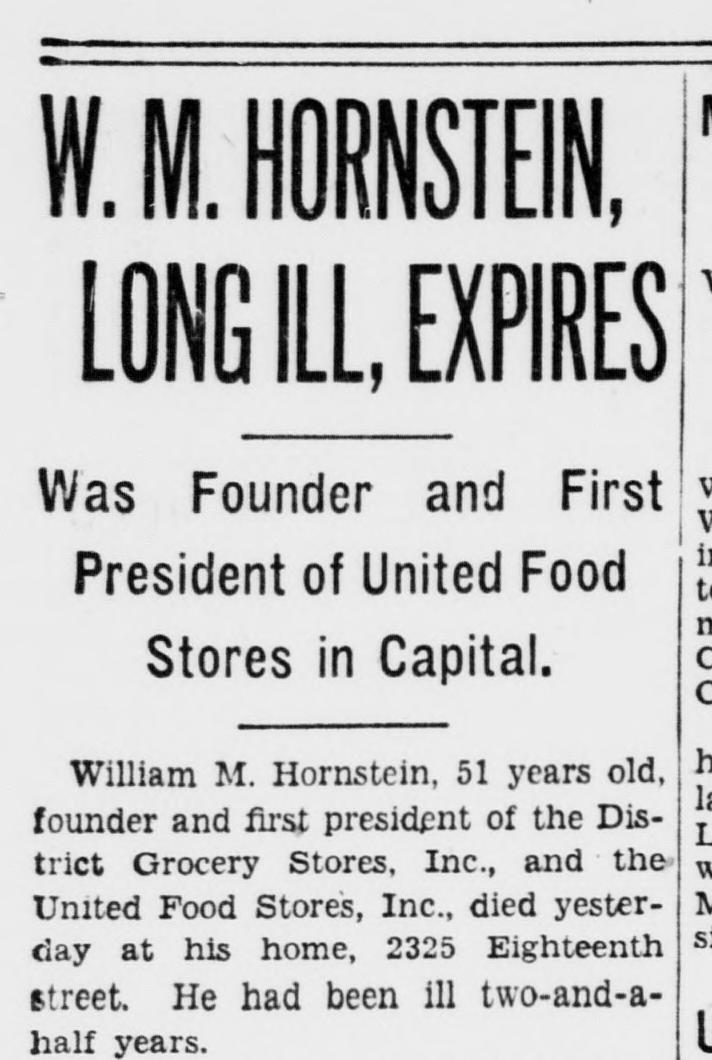
Illness sidelined Hornstein around the end of 1931, and both chains made him honorary president. He died on June 2nd, 1934, at age 51, in the same building where he had spent his entire Washington career. The Sunday Star obituary is the best short biography of this address we have found.
William M. Hornstein, 51 years old, founder and first president of the District Grocery Stores, Inc., and the United Food Stores, Inc., died yesterday at his home, 2325 Eighteenth street… Educated in Newark, N.J., he came to Washington as a young man and established a store at 2325 Eighteenth street, above which his family now lives. He was in business there for 20 years.
Evening Star, June 3rd, 1934
One more 1934 detail, and it is a good one for a building that now runs one of the neighborhood’s better bar programs. On April 5th, 1934, four months after Prohibition ended in DC, the brand-new Alcoholic Beverage Control Board granted a retailer’s license to Hornstein’s Market, 2325 Eighteenth Street. As far as we can tell, that is the first legal drink ever sold at this address.
Kate Hornstein’s market
The store did not die with its founder. Hornstein’s widow Kate kept Hornstein’s Market going for another decade, through the Depression and the war. On June 1st, 1941, the Star’s society column found her at home at 2325 Eighteenth Street, hosting a reception for her daughter Shirley’s confirmation at Washington Hebrew Congregation.
In June 1945 the market surfaced in the Star again, this time among dozens of Washington markets pulled into Office of Price Administration hearings during the wartime crackdown on meat ration violations. Her case was continued to late July. Add it up and Hornstein’s Market fed this stretch of 18th Street for more than 30 years.
A furniture store, then the Milestone Gallery
The paper trail goes quiet after the war and picks back up in 1970, when a Washington Post police roundup recorded an arson attempt: on the night of February 23rd, 1970, someone ignited a flammable liquid inside the furniture store then operating at 2325 18th Street.
By the mid 1970s the storefront had joined Adams Morgan’s gallery wave. The Milestone Gallery, a framing shop and art gallery, appears in the Post’s gallery listings from 1976 through 1981. “Oils and acrylics by Francisca Vahjour, through September at 2325 18th St. NW,” read a typical Milestone entry on September 8th, 1978.
Columbia Station, a borrowed name
The chapter people remember started in the late 1990s. Mehari Woldemariam, who also owned Cafe Lautrec, Heaven and Hell, and the Green Island Cafe, and whom the Post called “an Adams-Morgan fixture,” opened a jazz and blues room at 2325 and named it Columbia Station.
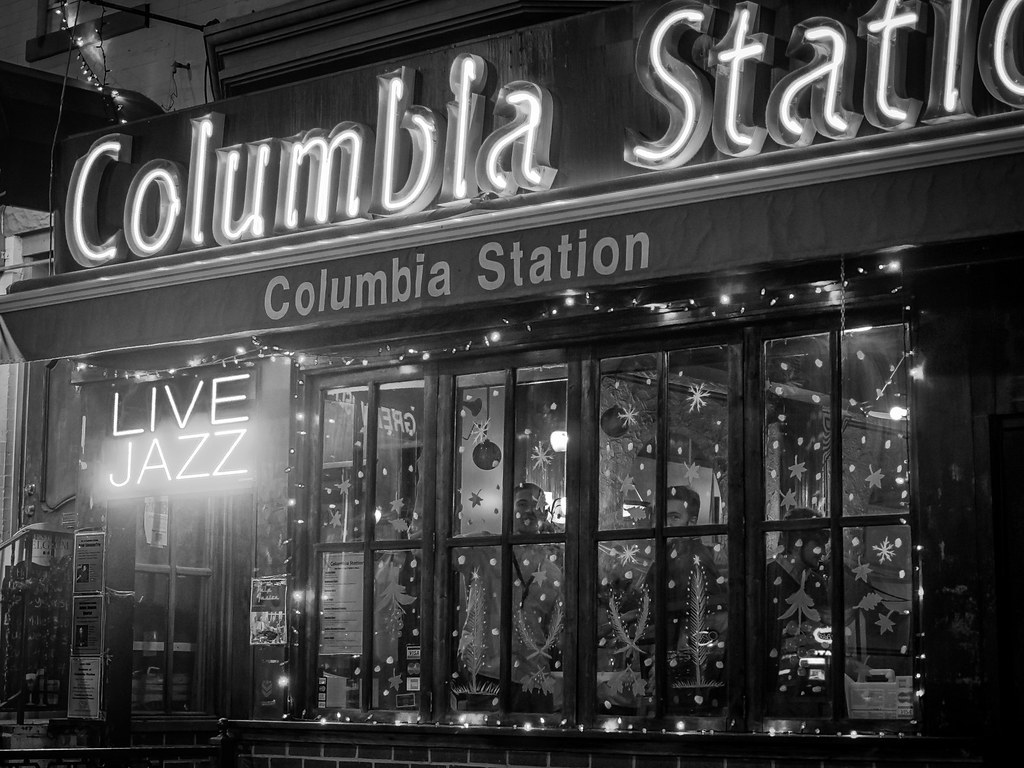
The name was a hand-me-down. An earlier, unrelated Columbia Station ran at 1836 Columbia Road from 1975 to January 1984, a rock club that started booking jazz one night a week in 1979. Post nightlife writer Eric Brace connected the dots in November 1997, in a column about new clubs wearing old names.
There was a Columbia Station once on Columbia Road, at the location currently occupied by Mr. Henry’s. It was a great small club, with live rock and blues. This place has nothing to do with that. Owner Mehari Woldemarian simply liked the (unprotected) name… The current site was once the Milestone Gallery, a framing shop and art gallery.
Eric Brace, Washington Post, November 14th, 1997
Brace’s capsule review of the new spot reads like a time capsule: a full-service restaurant with a complete bar, capacity around a hundred, kitchen open until midnight, hazelnut bread pudding with bourbon sauce, candles “all over the place,” and live jazz and blues nightly with regulars like the Bruce Robinson Quartet and pianist Peter Edelman.
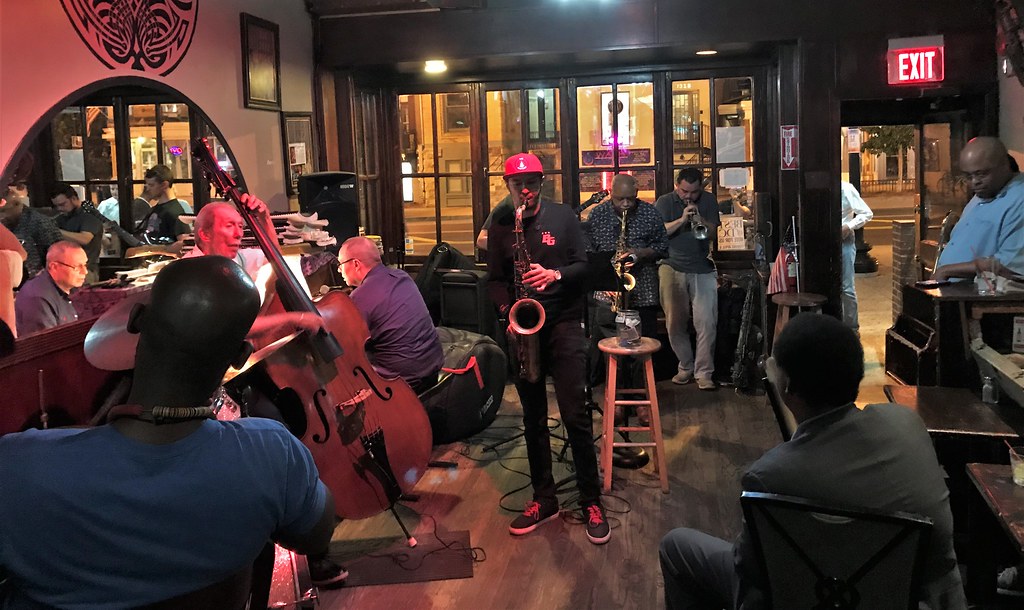
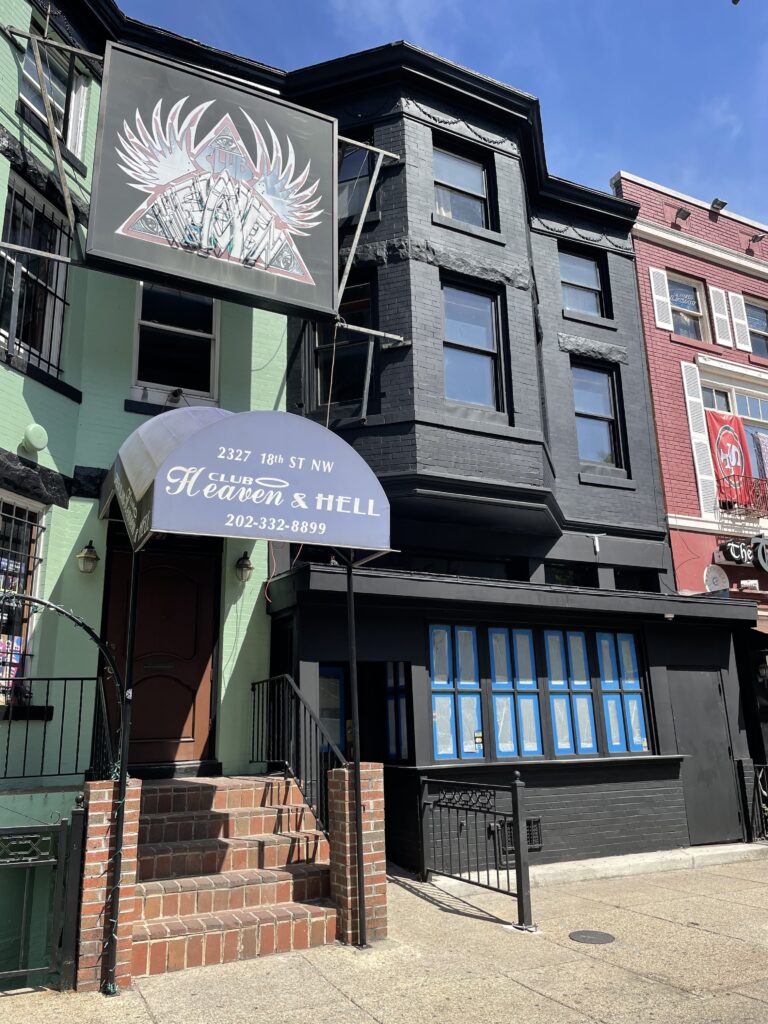
That formula barely changed for two decades. Columbia Station became one of the last rooms in Washington with live jazz every night and no cover, played out beneath those wide French windows. Then came 2020. Woldemariam gave up the lease over a rent increase, telling Washington City Paper, “I gave them the key back… I’m not going to pay that kind of money anymore.” The music moved next door to 2327, the building we profiled in our Heaven and Hell story.
Shanklin Hall
The storefront did not sit dark for long. In November 2022, after three years of hosting pop-up events around the city, two families secured the space: the Shanklins and the Halls. Put the family names together and you have the name on the door.
A disclosure, and a happy one: we have known co-founder Tau Shanklin Roberts for years, and we admire what he and his family have built here. It made digging into this building’s past feel less like research and more like a housewarming gift.
They rebuilt the interior with help from family, friends, and Founding Members, passing a $200,000 fundraising goal along the way, and opened in 2023 as a membership-optional social club “centered at the intersection of community, creativity, and wellness.” In the founders’ own words, the old Columbia Station would be “our home, our flagship.”
Today that means vinyl on the turntables Wednesday through Sunday, live music several nights a week, and work by local artists on the walls. CapitalBop, which chronicled Columbia Station’s jazz years, checked in on the room’s first summer and found DC players already cycling through, with Nag Champa Art Ensemble settling in as a house band.
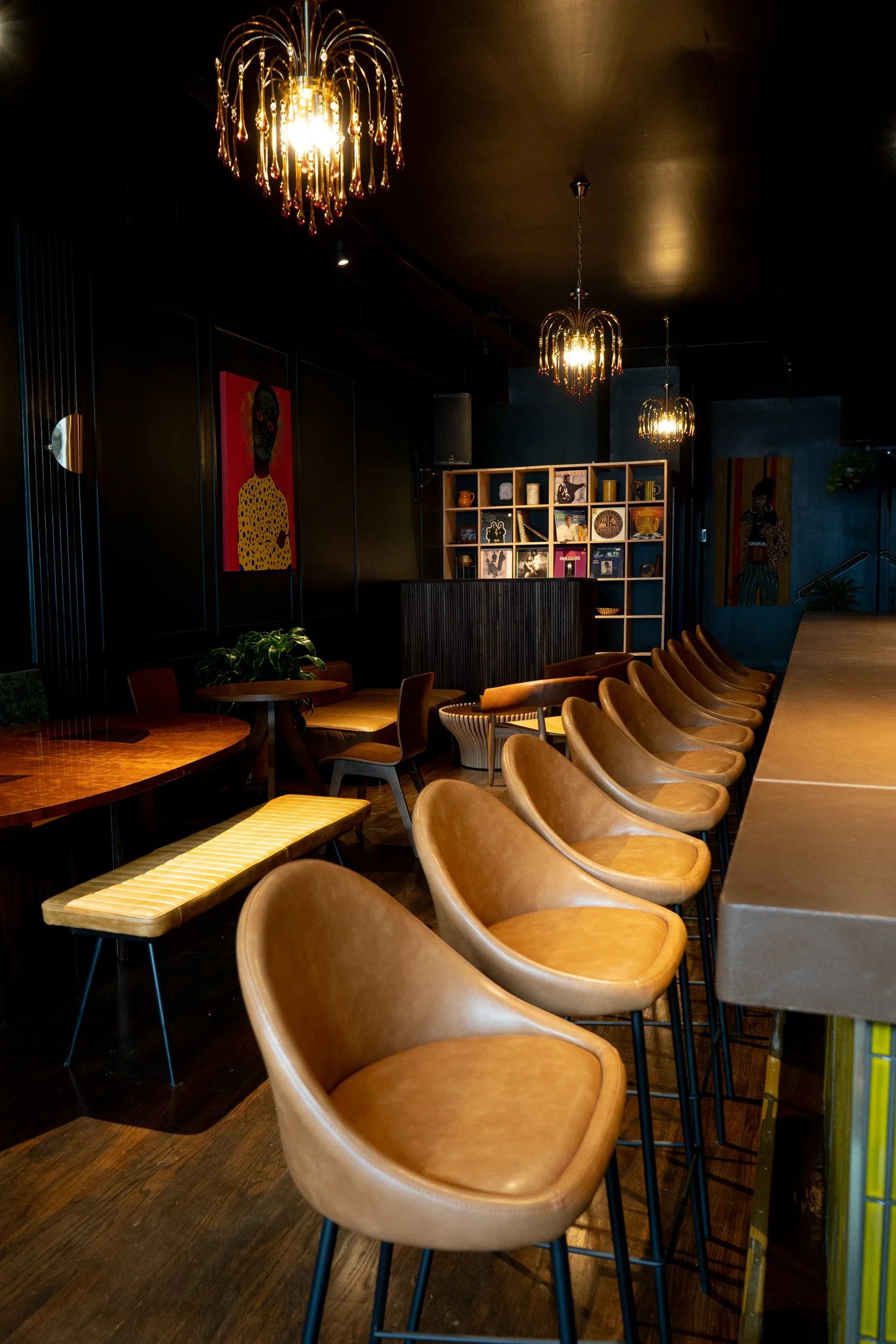
It is quite a row, too. Within five doors of Shanklin Hall’s front step you pass the storefront where the Black Panther Party opened its first DC headquarters in 1969, at 2327, and the blue door where the Dickens family has poured at Dan’s Cafe since 1965, at 2315. We have now written all three buildings, and the block keeps giving.
A hundred years on, the little storefront keeps doing the same work under different names. Hornstein’s counter, Kate’s market, Milestone’s canvases, Columbia Station’s bandstand, Shanklin Hall’s turntables. Adams Morgan changes constantly, and somehow 2325 18th Street keeps ending up as the room where the neighborhood gathers.