For 43 years, the easiest building to find in Rosslyn was the short one.
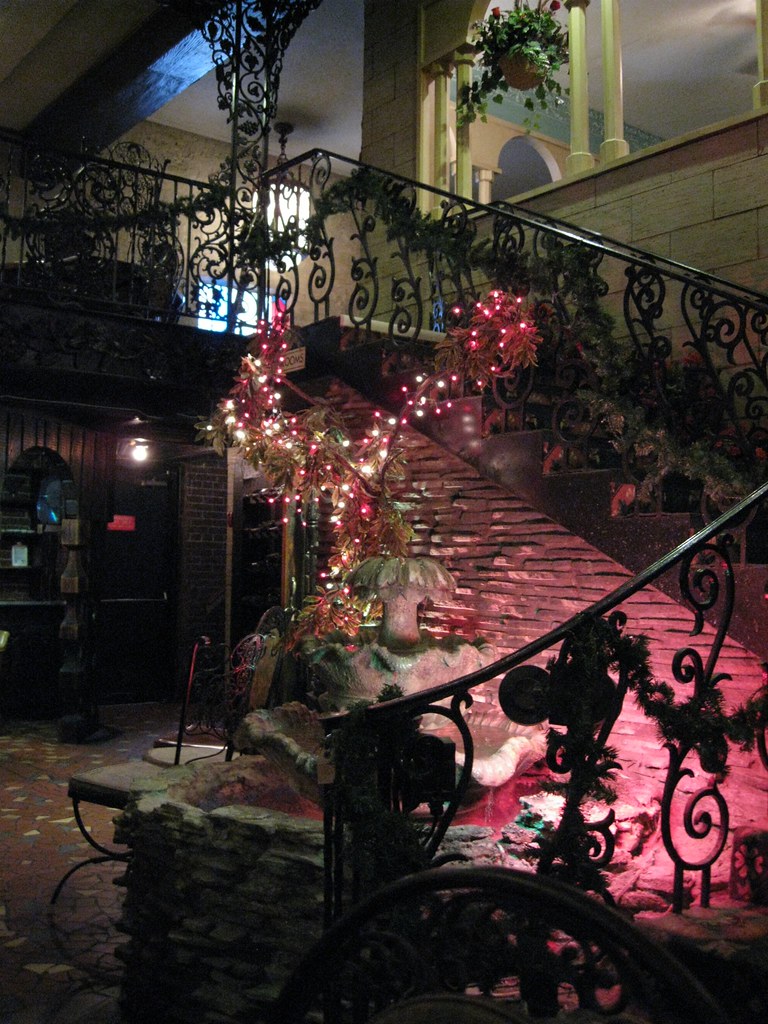
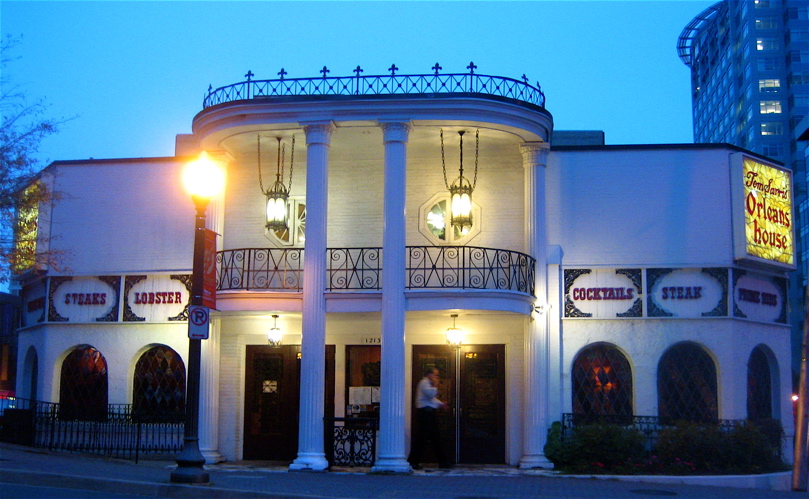
While the rest of the neighborhood climbed into towers of dark glass, one squat, two-story building on the corner of Wilson Boulevard and North Lynn Street kept its wrought-iron balconies and its stained-glass lamps. That was Tom Sarris’ Orleans House. On a Saturday night, more than a thousand people would pack inside for prime rib and a turn at the steamboat salad bar. It was not the only small survivor among Rosslyn’s glass towers: the brick River Place co-op still ducks beneath them, and up Wilson Boulevard Bardo Rodeo and Dr. Dremo’s held on until 2008.
A Washington Post writer captured it in March 1979:
Tom Sarris’ Orleans House is one of the few small structures left in glassy, high-rise Rosslyn. At night the two-story restaurant is easy to find since virtually everything else is 20 stories high and dark.
The reviewer, Paul Hodge, visited on an ordinary weekend and counted himself among more than 1,000 diners. He noted, dryly, that the Sarris brothers called it Washington’s busiest restaurant. They may have been right.
Who was Tom Sarris?
Thomas Chris Sarris was born in Easton, Maryland, on August 2, 1924. He spent his working life feeding Rosslyn.
Starting in 1952, he ran a string of restaurants on the Arlington side of the Potomac: the Covered Wagon, the Tom Sarris Steak House, and the one everyone remembers, the Orleans House, which opened in 1964.
The concept was a piece of theater. Sarris built a slice of the French Quarter in the middle of Rosslyn, all cast-iron railings, wood trim, and second-floor balconies, so a government worker on a lunch break could feel, for an hour, like he was on Bourbon Street.
A steamboat full of salad
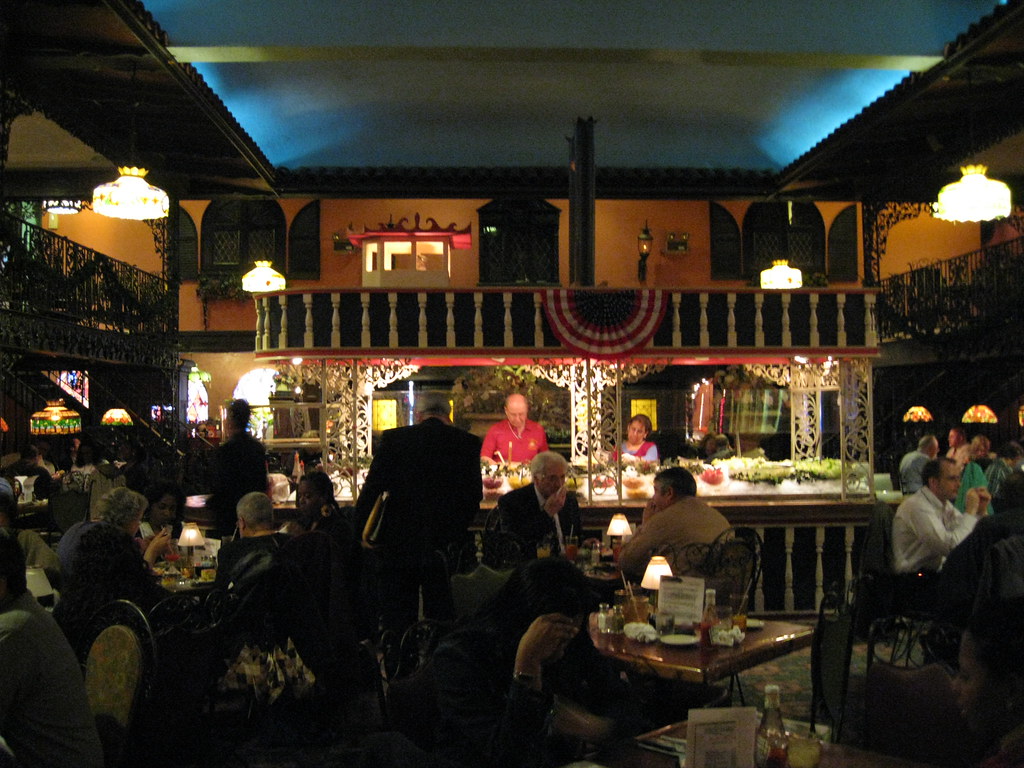
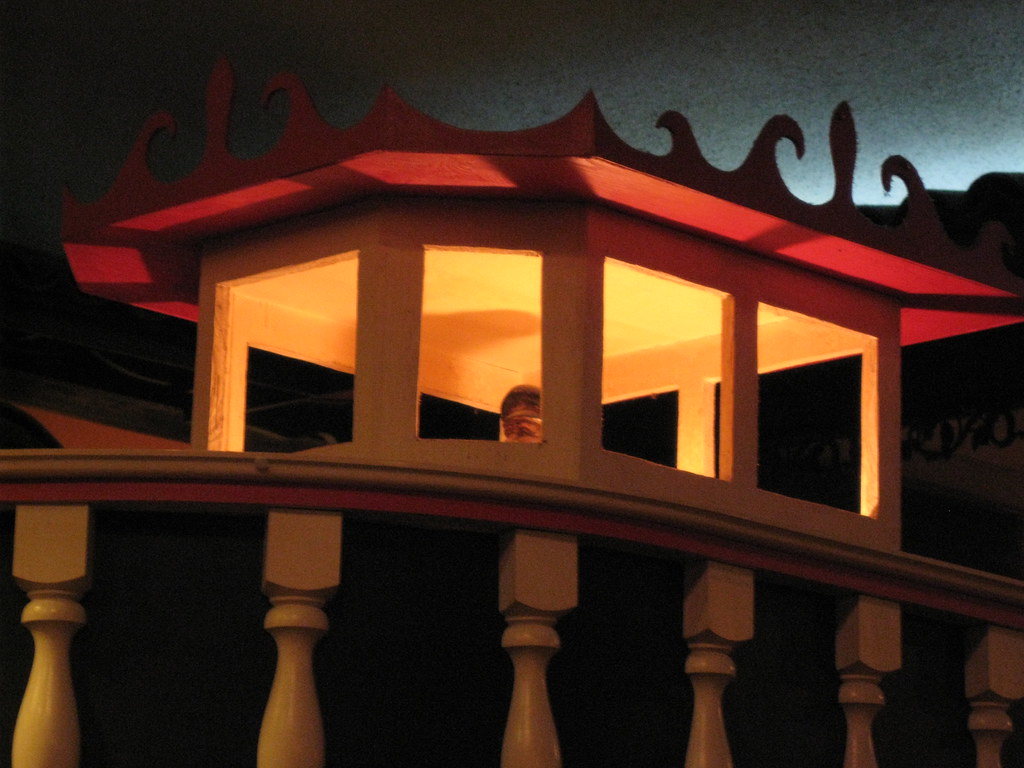
The gimmick that made the Orleans House famous was the salad bar. In the 1960s and 1970s, the all-you-can-eat salad bar was still a novelty, and Sarris built his into a two-sided steamboat parked in the middle of the dining room.
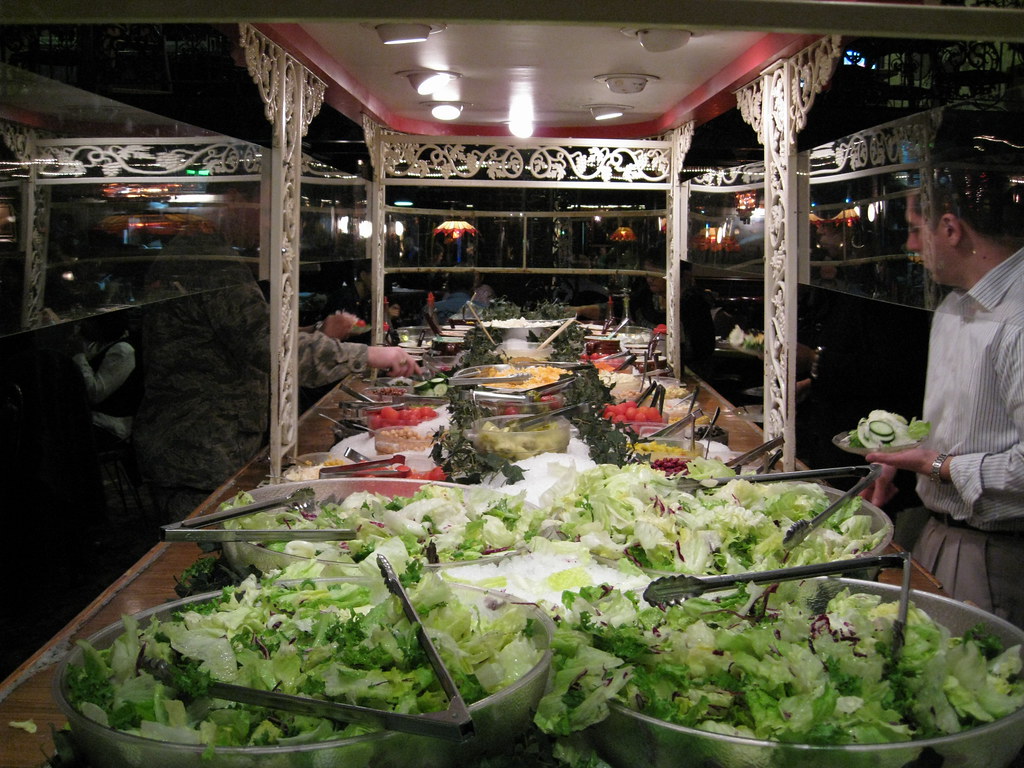
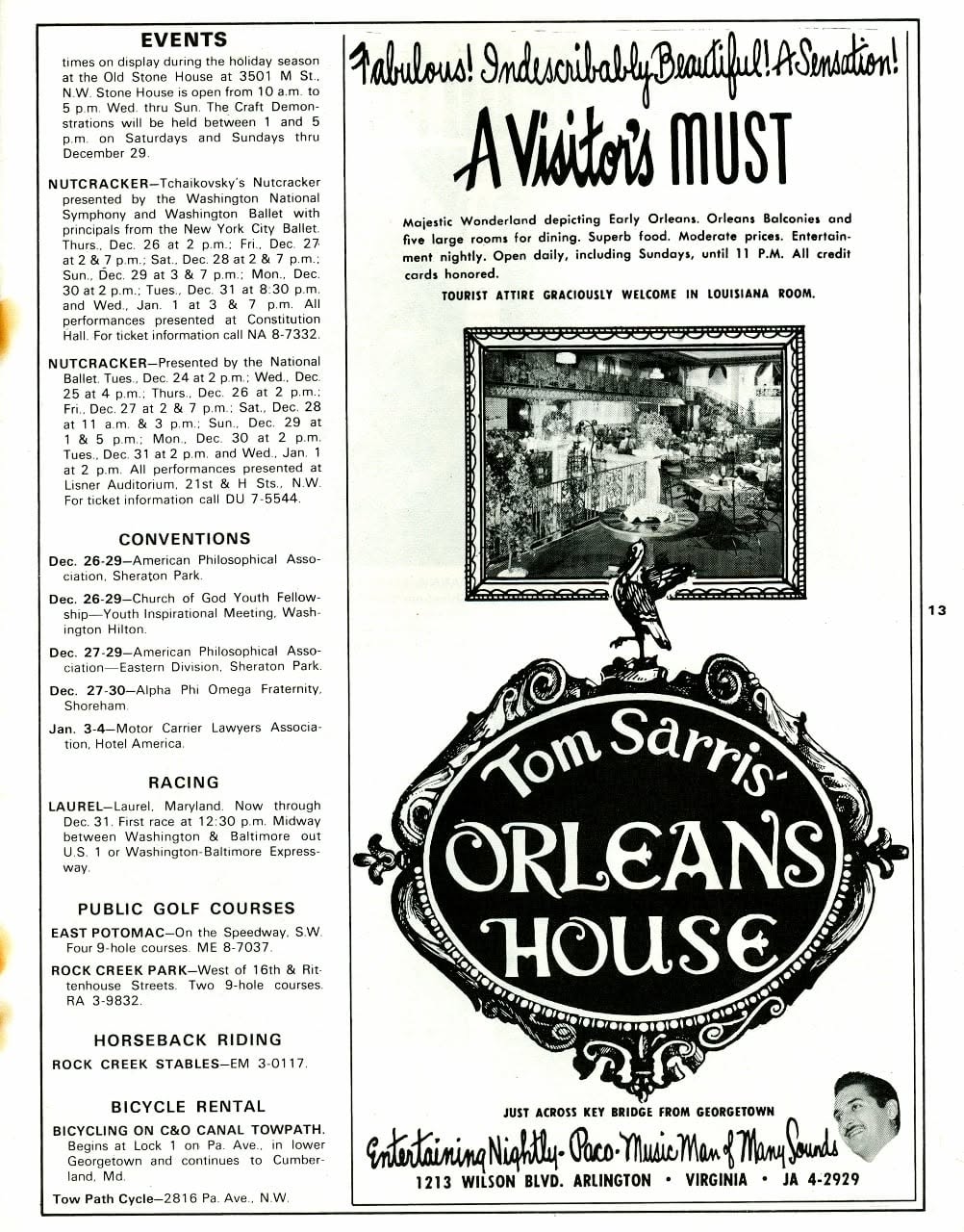
When the Post’s Donald Dresden reviewed it in January 1971, he described a huge place on several levels seating some 550, dressed in iron grillwork, a balcony, and lamp shades. The address was 1213 Wilson Boulevard. There was valet parking at dinner and a limited wine list.
By 1979, a complete prime rib dinner, with unlimited salad bar, bread, and a carafe of red wine, started at $5.95. A lobster tail dinner topped the menu at $11.95. It was exactly the kind of place a teenager would choose for the biggest night of his life.
“I miss 1979”
When the closing was announced, a Washington City Paper writer called the restaurant to confirm the news and ended up confessing a memory instead.
He had gone to the Orleans House before his prom in 1979, in a white tux, and ordered the “Mammoth Cut” prime rib and jello from a salad bar shaped like a boat. He and his underage friends ordered Lancers, the mass-market wine in the brown clay decanter, at $8 a bottle.
I remember thinking this was the high life. I told the sad-sounding lady from Orleans House that I’ll miss the place. I think what I meant was: I miss 1979.
That was the Orleans House’s real product. Not the prime rib, exactly, but the feeling that you were somewhere grander than you could actually afford.
The last low-rise in Rosslyn
You know how this story ends.
In 2007, the land under the Orleans House was sold to the JBG Companies to make way for Central Place, a commercial office tower. Tom Sarris opposed the sale. The county and the developer wanted the block, and the block is what they got.
The restaurant announced it would close at the end of 2007 and served its last meals in mid-January 2008, after 43 years. Of roughly 60 employees, 10 had worked there 40 years or more. The waitress who served the Falls Church News-Press reviewer that December had been there 43 years, the entire life of the restaurant.
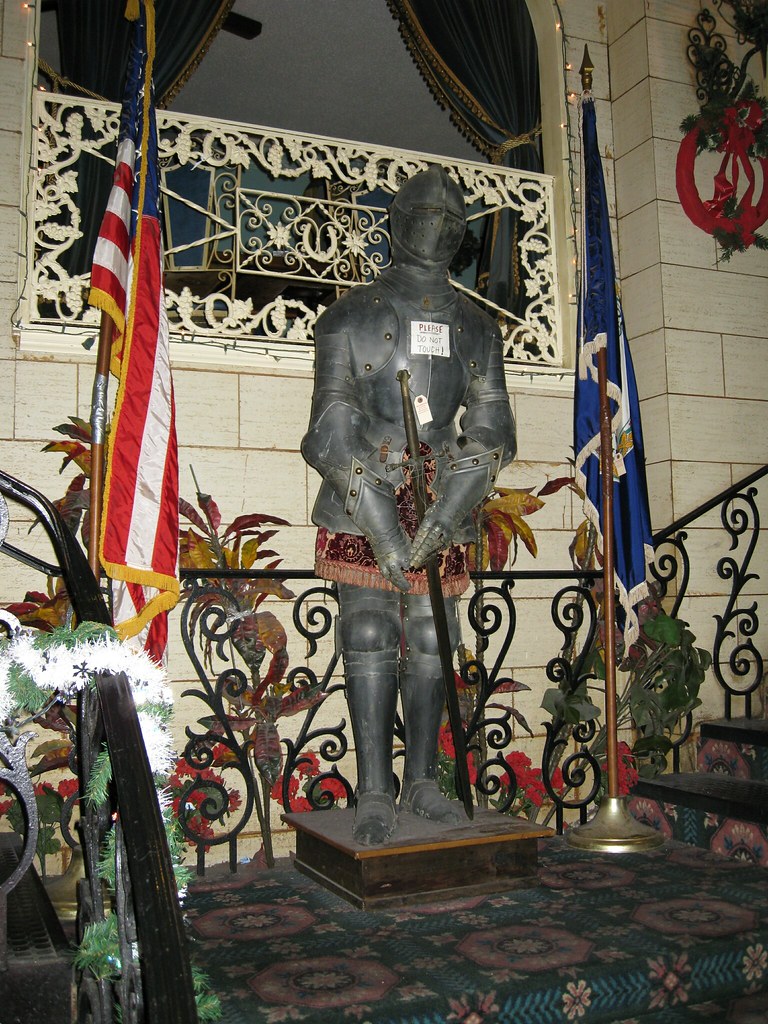
Everything else went under the hammer. According to the magazine of Rosslyn Renaissance, every item in the restaurant, including the iron railings, the Tiffany lamps, the water fountains, and the knight’s armor, was auctioned off, some of it on eBay.
Tom Sarris died on July 12, 2014, at the age of 89.
Today the corner is a glass tower called Convene, a provider of meeting and event space, which is a fair enough metaphor for what happened to Rosslyn. The neighborhood the Orleans House refused to become for 43 years finally closed in around it.
If you ever dropped a penny in its fountain, you were not alone. In 1992, the Post reported that the coins dredged from the fountain at the Orleans House came out coated in multicolored crud. People had been wishing on the place for decades.