
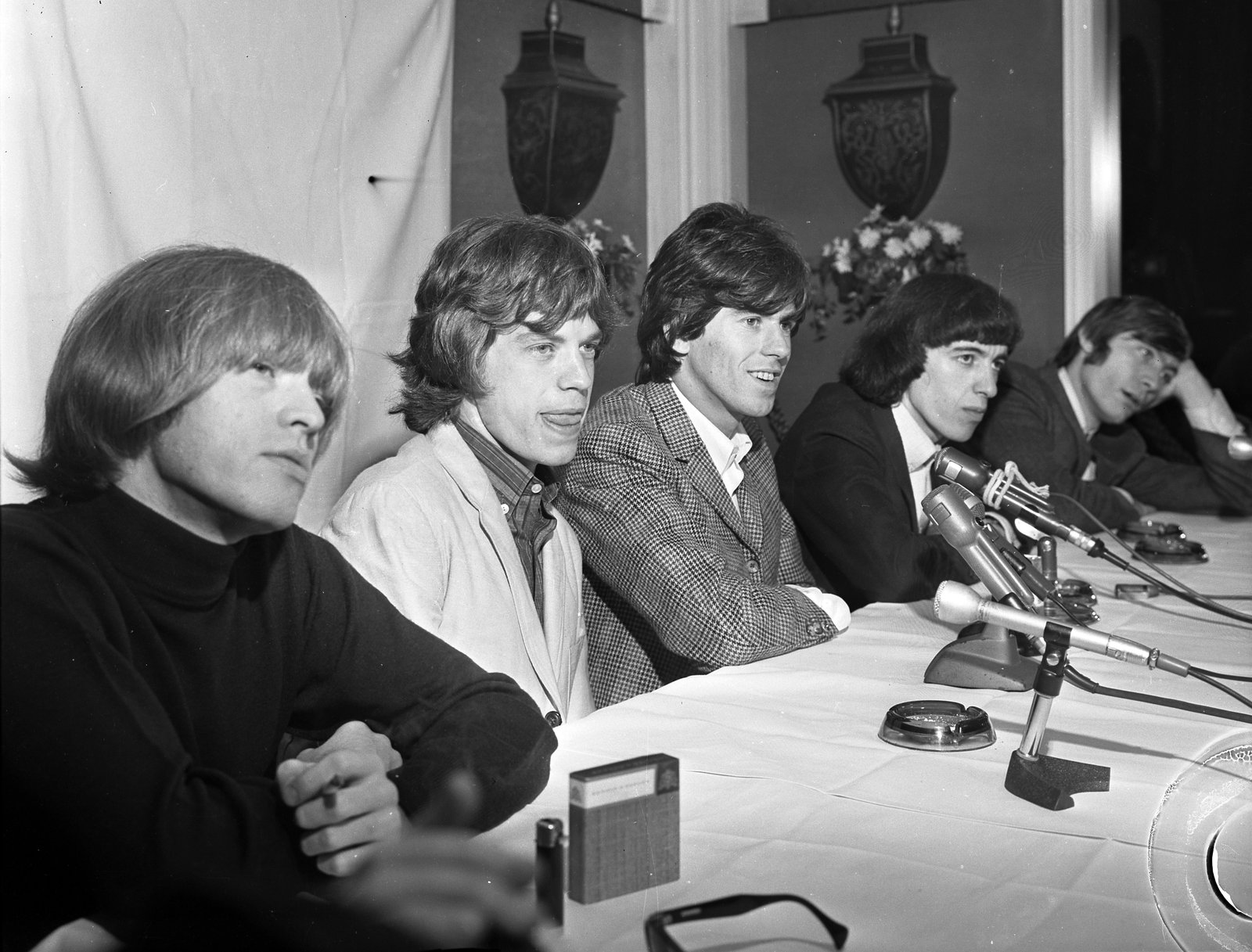
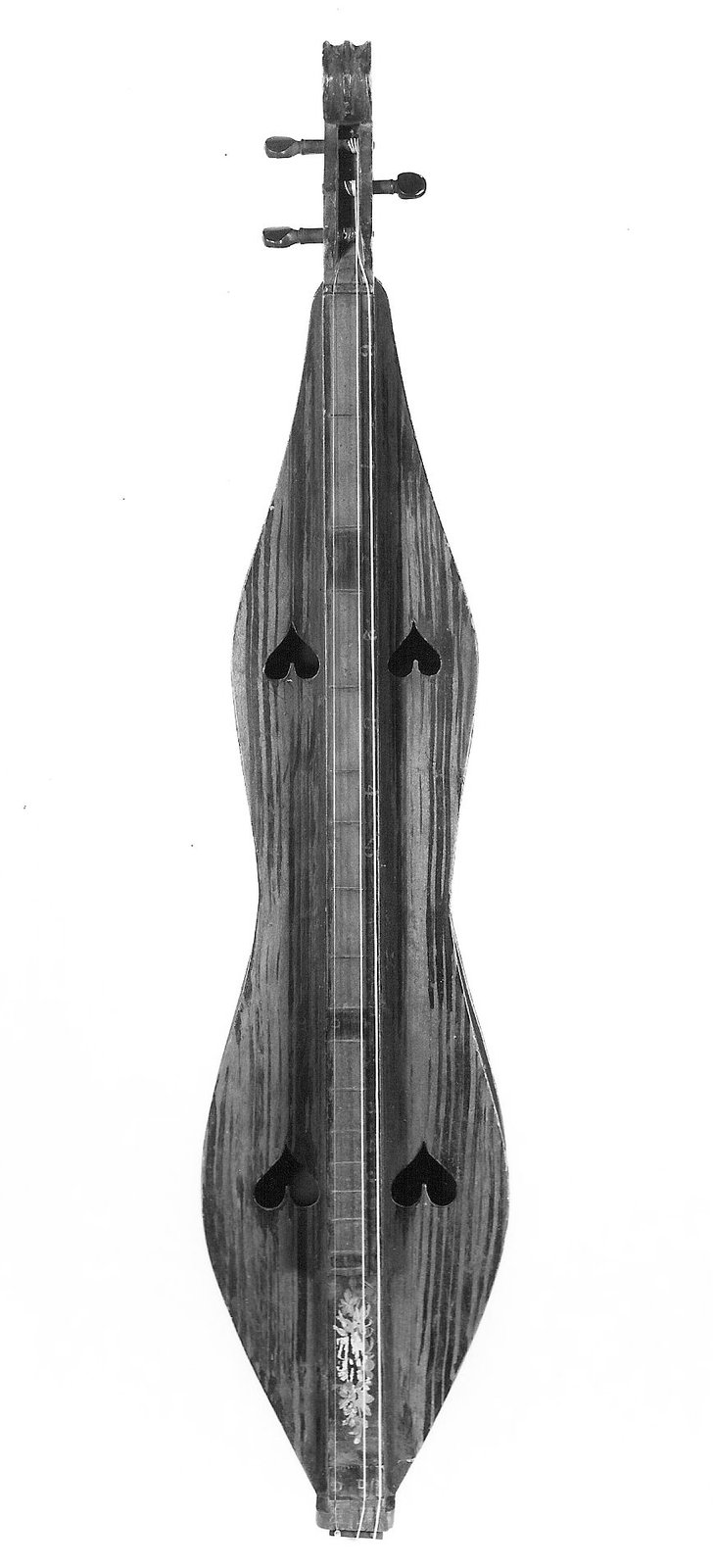
On the afternoon of June 26, 1966, a 15-year-old kid from Chevy Chase reached through the open window of an equipment van parked behind Washington Coliseum, pulled out a loose canvas bag from the front seat, and bolted into a waiting cab. He didn’t know it yet, but inside the bag was Brian Jones’s custom-built electric dulcimer. The only one in existence.
A Rolling Stone had just been robbed in NoMa.
The dulcimer was the instrument Brian Jones played on “Lady Jane,” the lacquered medieval-folk track from Aftermath. The Stones had built their entire 1966 American tour set around being able to play that song. And now a teenager who had been kicked out of the Coliseum show was riding home to his parents’ house in suburban Maryland with the band’s most fragile prop on the seat next to him.
What happened next is one of the strangest episodes in DC rock history. It involves a teenage girl’s letter to the Washington Evening Star, a 22-year-old music columnist, a record store on Wisconsin Avenue, a chauffeured Bentley from the British Embassy, and a follow-up caper that got six teenagers backstage at the Beatles’ last DC concert. Buckle up.
The Coliseum the Stones played
To understand why a Rolling Stones equipment van was parked unattended in a neighborhood you’d now call NoMa, you have to remember what 2nd and M Street NE used to be.
The building at 1132 3rd Street NE opened in 1941 as Uline Arena, a barrel-vaulted concrete shed built by a Dutch-born ice-making magnate named Migiel Uline who had cornered the market on artificial ice in the District. The architect was a local guy named Joseph Harry “Joe” Lapish. The engineering, a thin-shell concrete roof system called Zeiss-Dywidag, came out of Chicago. The opening attraction in February 1941 was Sonja Henie skating her ice revue in front of about four thousand people.
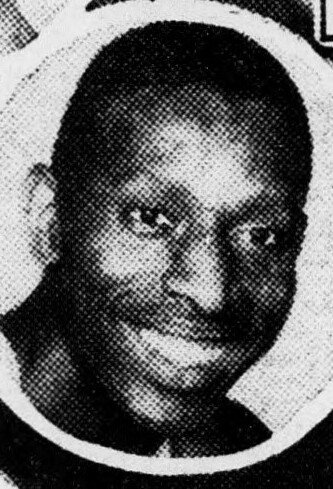
For the next two decades the place was a workhorse. Ice shows. Boxing. Wrestling. Rodeos (Roy Rogers brought Trigger in 1944). Midget auto racing. The Washington Lions of the Eastern Amateur Hockey League played there for sixteen years. The Washington Capitols of the brand-new Basketball Association of America, coached by a young Red Auerbach, called it home through 1951. On October 31, 1950, Earl Lloyd put on a Capitols jersey at Uline Arena and became the first African American to play in an NBA regular-season game.
In 1959-60 a jewelry entrepreneur named Harry G. Lynn bought the arena, renamed it Washington Coliseum, and pivoted the booking strategy toward music. For about a decade after that, almost every act on the British Invasion, soul, jazz, and folk circuit came through that barrel-vaulted shed off New York Avenue. The Beatles. The Rolling Stones (twice). Bob Dylan with the Hawks. Patti LaBelle. Ray Charles. Bo Diddley. The Yardbirds. The Beach Boys. Patsy Cline was booked for a March 1963 show but died in a plane crash ten days before, and Dottie West stepped in.
By the summer of 1966, the Coliseum was a working rock venue right in the path of a neighborhood that hadn’t yet been invented. NoMa as a name was still decades away. The blocks around 2nd and M were a working district of warehouses, railyards, and the Uline ice plant itself, just east of where Swampoodle, the Irish neighborhood Union Station erased, used to be. Tour vans parked behind the building because there was no real reason for anyone to bother them. Most of the time.
Brian Jones and the only electric dulcimer in existence
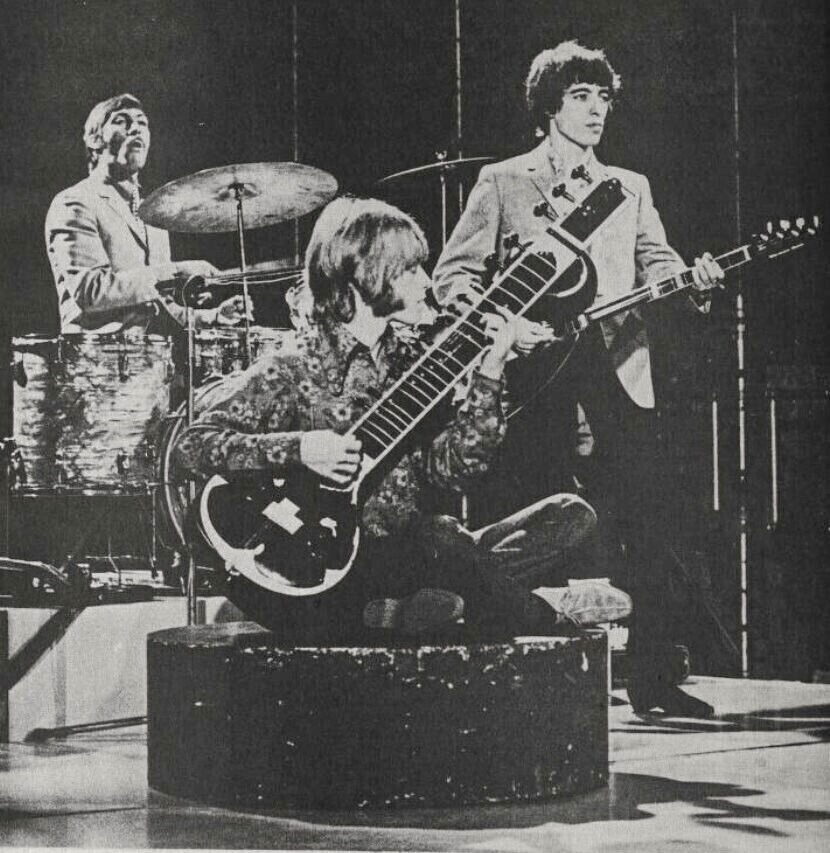
Brian Jones is the Rolling Stone most people forget because he died first, at 27, three years after this story takes place. In 1966 he was the band’s secret weapon, the one who could play any stringed instrument handed to him and a lot that nobody handed him. Sitar on “Paint It Black.” Marimba on “Under My Thumb.” And on “Lady Jane,” off Aftermath, an Appalachian mountain dulcimer that he had commissioned Vox to wire up with an electric pickup so he could play the part live on tour.
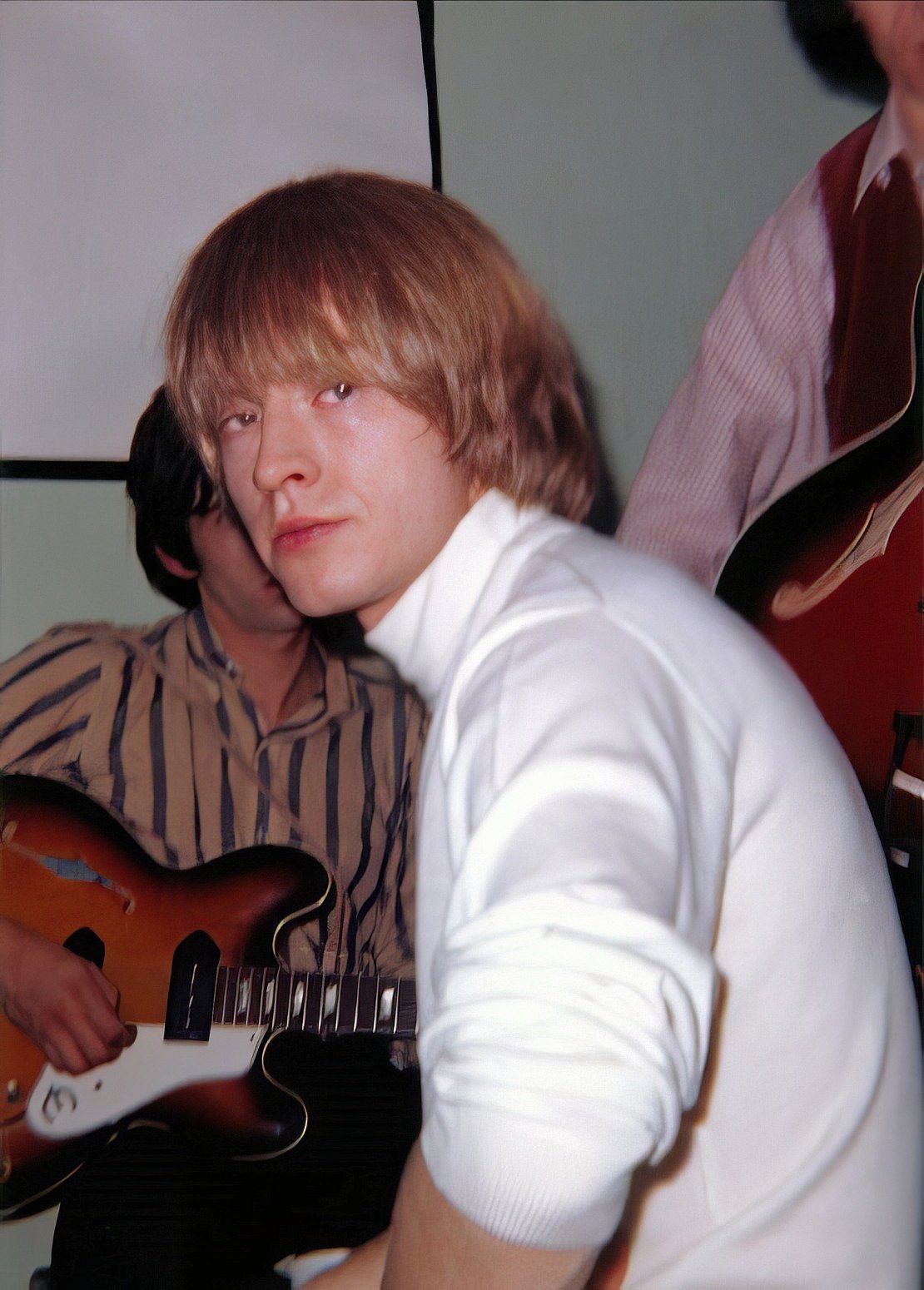
According to the Stones’ tour manager, who Debbie Clark cornered at Friendship International Airport (today’s BWI-Marshall), the instrument was made especially for Jones. There was only one of them. If they didn’t get it back, “Lady Jane” was effectively off the tour setlist.
The afternoon show, the open window, the cab
The Stones had two shows scheduled for June 26, 1966: an afternoon at Washington Coliseum, then an evening at the Baltimore Civic Center. The 1966 American tour was a brisk one, supporting Aftermath, with a rotating package of openers that included Ike and Tina Turner, the Yardbirds, the McCoys, the Trade Winds, and Peter Jay and the New Jaywalkers.
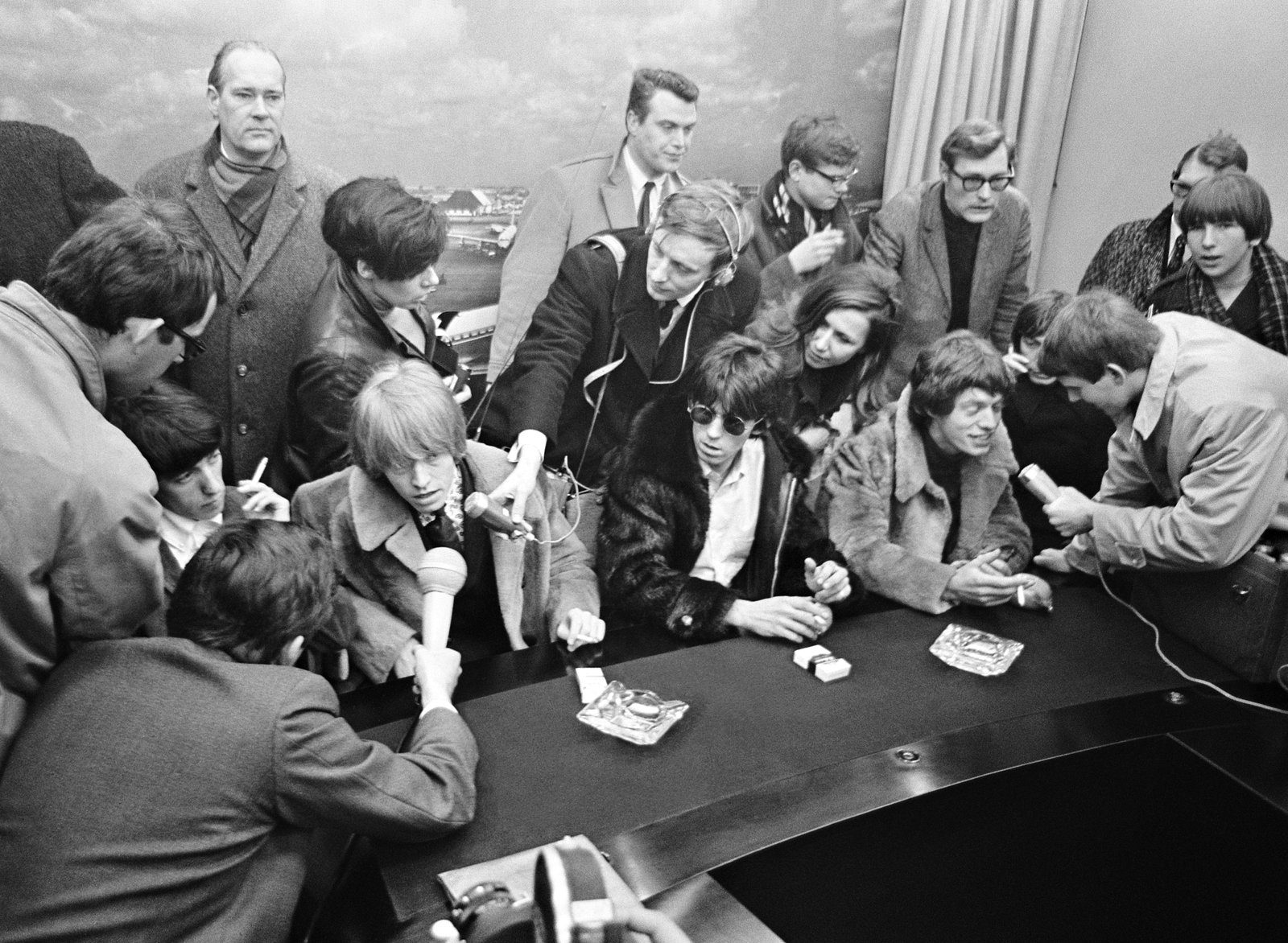
Outside the Coliseum after the DC show, Eddie Merrigan was waiting around with his older sister Rosalie and a friend named Bruce Grant, hoping to see the Stones come out. Rosalie had already called a cab to take them home to Chevy Chase. The equipment vans were parked behind the venue.
Bruce was leaning against one of the vans, his hand casually on the metal. As Rosalie told John Kelly of the Washington Post in 2023:
This guy came over and smacked [Bruce’s hand] with what looked like a screwdriver or something. That made my brother angry.
What happened next, Rosalie said, went by in a flash. Eddie reached through the van’s open window, grabbed a loose bag sitting on the front seat, and ran. The cab rolled up. Everyone piled in. The cab took off.
“What the hell did you just do?” Rosalie asked him in the back seat. Eddie didn’t know. He thought he’d taken something that belonged to the van driver.
They got back to Chevy Chase. Eddie zoomed upstairs with the bag. Rosalie opened it and reacted, in her own polite paraphrase, “Oh [bad word].” It was Brian Jones’s electric dulcimer.
She also picked it up and figured out “Lady Jane” on it within an afternoon. She had no way to plug it in, but the fingering came fast. “It was a beautiful, beautiful instrument,” she said.
A teenage girl’s letter to the Washington Evening Star
News of the theft moved through the DC teen network fast. The Star’s Teen section ran a letter on July 9, 1966, from a reader named Debbie Clark. She had spoken with the Stones’ tour manager at the airport. She knew the dulcimer had been custom-built. She knew the band wanted it back. And she was furious.
This letter is directed to the boy who took Brian Jones’ dulcimer at the June 26th Rolling Stones concert at Washington Coliseum. Because of this incident, the Stones may never play D.C. again.
You were being very foolish and selfish when you took the instrument. No one is benefiting by your unwise prank. The real Stones’ fans don’t want the Stones to remember Washington as a thieves’ den.
That letter, as much as anything, is what cracked the case. Eddie Merrigan, sitting on a million-dollar Brit-rock instrument in his Chevy Chase bedroom, started getting nervous. Rosalie convinced him to return it.
Empire Music, Bethesda, and the Bentley
A week or so after the show, a 15-year-old walked into Empire Music, a record store on Wisconsin Avenue in Bethesda. There was a back room with a pinball machine and a jukebox where the local teenagers hung out. Most of the employees were in bands. Behind the counter was Mike Burke, who played in two of them: the Addicts and the Resumes.
“This kid came in,” Burke told John Kelly. “He said, ‘I’ve got something to show you.'”
What the kid had was a weird electric stringed thing he said he wanted to learn to play. He told Burke straight up where it had come from. Burke recognized it. By that point the theft had been in the Star and, in Burke’s recollection, on local television. He told the kid to leave the dulcimer with him.
Then he called Ron Oberman.
Oberman was 22 years old. He wrote the Star’s weekly “Top Tunes” teen and pop column. He would later go on to do publicity for David Bowie and Bruce Springsteen at Mercury Records and sign the Bangles to Columbia. On this particular day in July 1966, he called the British Embassy.
Burke describes what happened next:
The next thing I know there’s a Bentley double parked on Wisconsin Avenue out in front of the record store. A chauffeur in full livery comes into the store and presents a letter from the British ambassador and says, “I understand you have something that belongs to the Rolling Stones.”
Mike Burke handed over the dulcimer. The Bentley carried it back into the diplomatic apparatus of the United Kingdom and on to the Stones, who were by then a few cities further along the tour.
Oberman wrote it all up for the Star on July 13, 1966. As was the custom, he included Mike Burke’s address. Crank calls started coming to the Burke family home in Bethesda from the greaser side of the era’s teen culture war, the kids who hated everything floppy-haired about the British Invasion.
The Evening Star later ran a self-satisfied editorial about its role in the affair, comparing it to columnist Walter Winchell brokering the surrender of New York mobster Louis “Lepke” Buchalter to the FBI. “Over the years it has often fallen to newsmen to act as discreet intermediaries between lawbreakers and the public,” the editorial purred. They closed by suggesting the Stones turn down their volume knobs in silent appreciation the next time they played DC.
Typical squares.
Eddie’s price: a Beatles caper
Here is the part of this story that the original 1966 coverage could never have told you, because Eddie’s price for returning the dulcimer was something he hadn’t pulled off yet. The Beatles were coming to DC on August 15, 1966 to play DC Stadium (the venue that later became RFK). Eddie and five Montgomery County friends had already drafted an audacious plan: they would impersonate the Cyrkle, the Beatles’ opening band, and try to walk straight backstage.
The deal Eddie cut with Ron Oberman: return the dulcimer in the condition you found it in, and I will write up your caper if it works.
It worked. With a rented limousine and, somehow, a motorcycle police escort, Eddie and his five friends rolled up to DC Stadium and got backstage. Tom Hinton, one of the six, remembered Eddie as “a very persuasive young man.” Eddie and Tom even managed to meet the Beatles in their dressing room.
Oberman kept his word. His Aug 20, 1966 review of the Beatles show ended with seven paragraphs on the prank. The lede:
The success story of last Monday though, has to go to six Montgomery County youths who impersonated the Cyrkle, one of the acts on the bill, to gain admittance to the stadium complete with motorcycle escort.
Eddie Merrigan grew up, became a chef, and died of a heart attack in 1990. Brian Jones drowned in his swimming pool in Sussex in July 1969. Ron Oberman died in 2019. Mike Burke is still in Wheaton. He was at the 1966 Stones show himself. Asked in 2023 what he remembered of the concert, he told John Kelly: “I don’t remember. It was great? I don’t remember Woodstock and I was there for three days.”
A Coliseum that hosted everyone
The dulcimer theft is the wildest single thing that happened at Washington Coliseum. It is nowhere near the most historically important.
On February 11, 1964, two days after their first appearance on the Ed Sullivan Show, the Beatles played the first ticketed concert of their first American tour at the Coliseum. Eight thousand and ninety two paying fans, four dollars a ticket, a winter storm grounding the flights so the band took a train from New York’s Penn Station to DC’s Union Station and arrived that afternoon. They took the stage at 8:31 p.m. on a small round riser in the middle of the arena floor. Their road manager Mal Evans and a stagehand rotated the riser by hand throughout the set so the entire crowd would, sooner or later, get a face-on view. Twelve songs, closing with “Long Tall Sally.” Fans threw jelly beans at George Harrison, who had said once in an interview that he liked them.

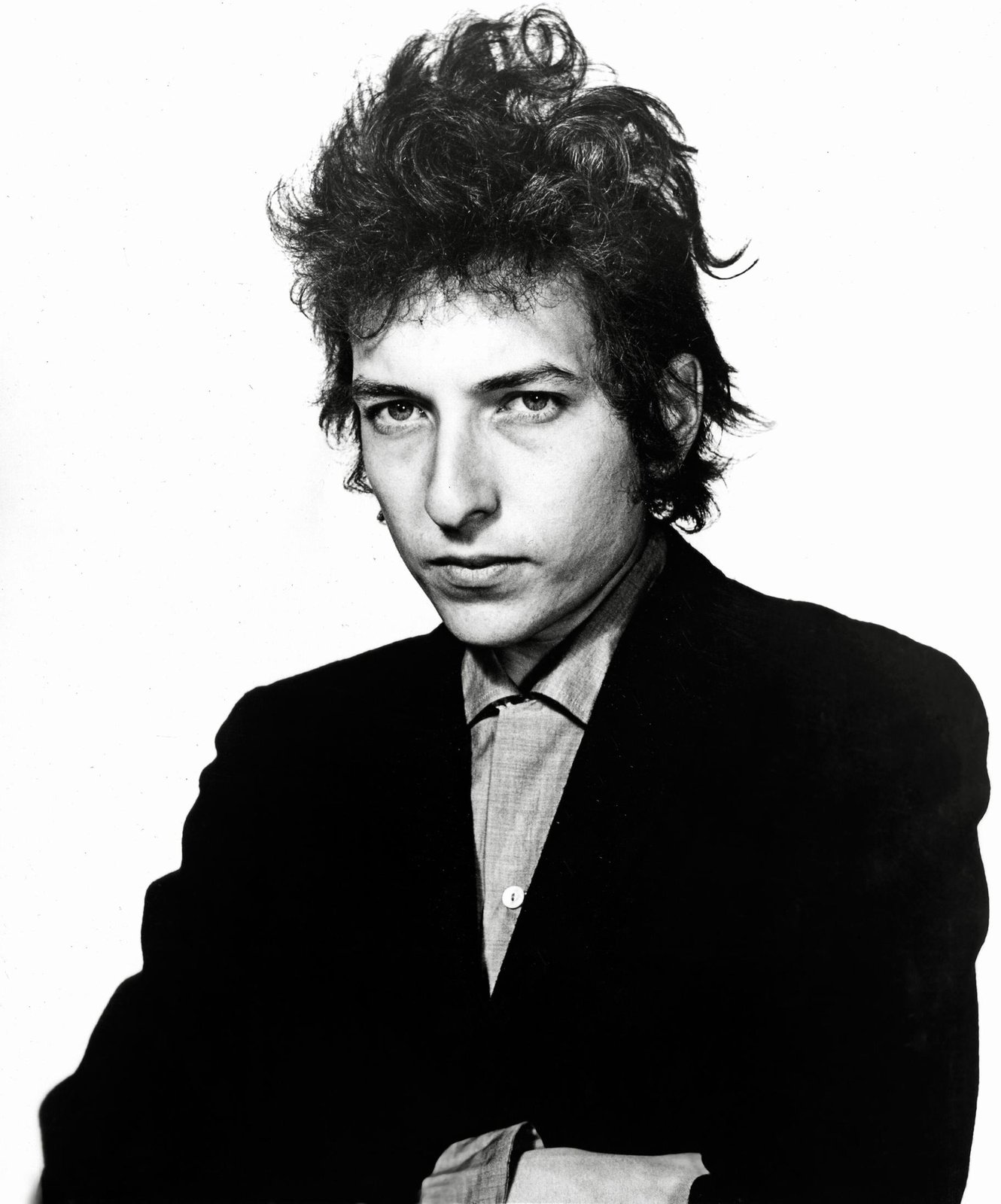
On November 28, 1965, Bob Dylan played the Coliseum on the tour that turned him from folk prophet into the loudest single thing in popular music. Half acoustic, half electric, with the Hawks (later the Band) backing him after the intermission. The DC crowd, like every other crowd on that tour, was split. The photographer Rowland Scherman shot the show. The cover image of Bob Dylan’s Greatest Hits, the one with the harp held up to the silhouetted face, was taken that night at Washington Coliseum.
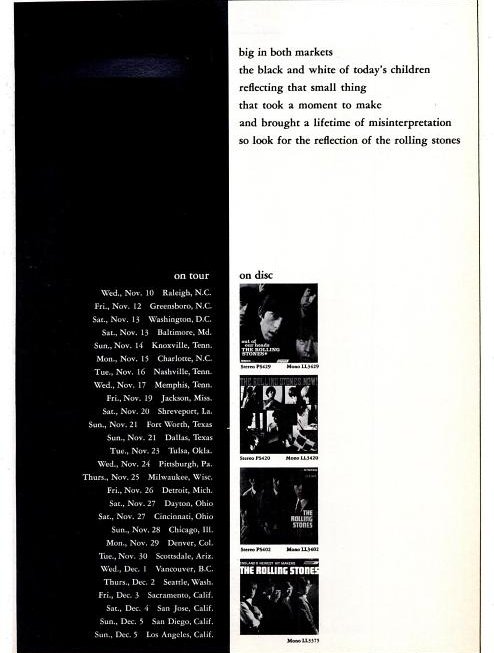
Two weeks earlier, on November 13, 1965, the Rolling Stones had played their first DC show at the Coliseum, eight months before the dulcimer would disappear. The bill that night included Patti LaBelle and the Bluebelles. The Stones were on the 1965 American tour supporting Out of Our Heads. Patti LaBelle opened. Most of the audience screamed through the entire set.
And before all of that, the building had hosted Charlie Parker (with Johnny Hodges and June Christy) in April 1951, Duke Ellington at the first International Jazz Festival in Washington, Bo Diddley, Ray Charles, and a tour-bus list of soul, R&B, and country acts long enough that you could spend a Saturday reconstructing it. For about fifteen years, this barrel-vaulted concrete shed off New York Avenue was where DC went to see live music.
The fall and the long middle
The Coliseum’s run as a major venue ended quickly and predictably. A 1967 Temptations show ended in a riot that injured five. Bookings dried up. When Capital Centre opened out in Landover, Maryland in 1973, the rock and arena-sports business followed the parking lot, and the Coliseum was effectively done as a top-line venue. Chuck Brown and the Soul Searchers booked the room for go-go nights in the early 1980s, but the room had stopped being where the future of music played.
By the late 1980s the arena was closed.
For something like the next twenty years, the building that had hosted the Beatles’ first American concert was a trash transfer station. Unauthorized, smelly, with trucks tearing up the streets around it. The Institute for Local Self-Reliance has a long write-up of the era. Residents called it a blight. Real estate values around it tanked. The barrel-vaulted roof that Sonja Henie had skated under became, for a couple of decades, the highest roof in DC dedicated to other people’s garbage.
REI, NoMa, and what’s there now
Then NoMa happened. Douglas Development bought the building, renovated it (architect CallisonRTKL, contractor Davis Construction), and in October 2016 REI opened its DC flagship store inside the renovated main hall. Fifty-one thousand square feet of climbing-gear retail underneath the same Zeiss-Dywidag concrete barrel vault that the Beatles played under in 1964.
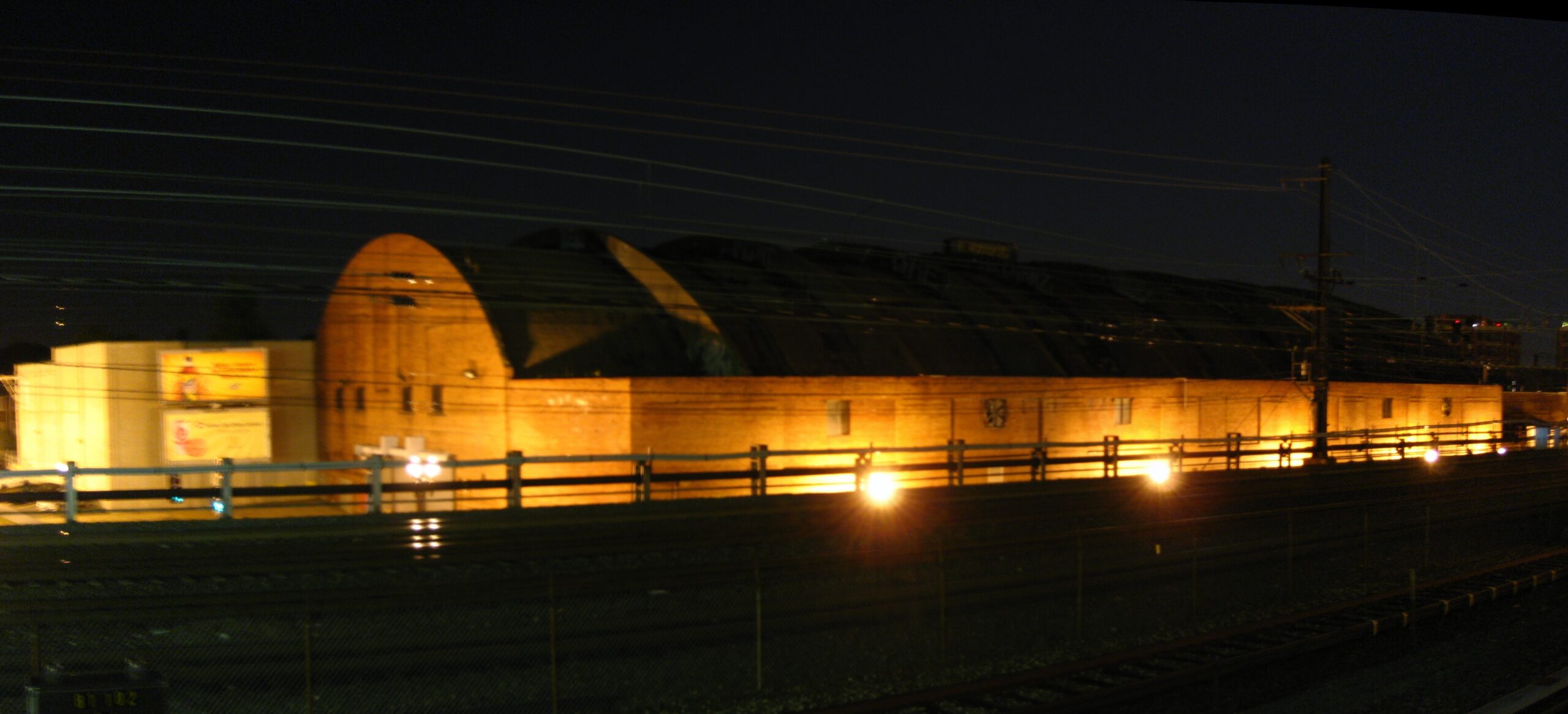
You can walk in today. The roof is the roof. The arches are the arches. Most of the people in the building are looking at hiking boots. None of them have any reason to know that this is where the Stones’ equipment van was parked on a summer afternoon in 1966, or where Mal Evans was rotating a drum riser by hand on a snowy Tuesday night in February 1964.
Brian Jones’s recovered dulcimer kept touring with him until he was fired from the band in 1969. After his death it stayed in the Stones archive. It went on public display in 2013 at the Rock and Roll Hall of Fame’s Rolling Stones: 50 Years of Satisfaction exhibit, and again in 2019 at the Met’s Play It Loud: Instruments of Rock and Roll. As far as I can tell from the museum catalog photos, it’s the same instrument that came out of that canvas bag in Chevy Chase.
If you want to picture this story in one frame: a Bentley, double-parked on Wisconsin Avenue in front of a Bethesda record store in July 1966, a chauffeur in full livery on his way inside to ask after the Rolling Stones’ missing dulcimer. The most British scene that ever played in suburban Maryland, set in motion by a 16-year-old girl writing a letter to the Teen section of the Washington Evening Star.
Washington Coliseum FAQ
Where was Washington Coliseum?
The arena sat (and still sits, as a renovated building) at 1132 3rd Street NE, at the corner of M Street NE in what is now NoMa. It opened in 1941 as Uline Arena, was renamed Washington Coliseum in 1959-60, and is now an REI flagship store.
Was the Beatles’ show at Washington Coliseum really their first US concert?
Yes. The Ed Sullivan Show on February 9, 1964 was a television appearance. The Beatles’ first ticketed concert in the United States was at Washington Coliseum on February 11, 1964, in front of 8,092 paying fans.
Why was the Rolling Stones’ dulcimer such a big deal?
It was a custom electric Appalachian dulcimer that Brian Jones had commissioned Vox to build for him so he could play “Lady Jane” live on the 1966 American tour. According to the band’s tour manager it was the only one in existence. Without it the song was effectively off the set list.
Did the dulcimer ever get returned?
Yes. Roughly a week after the June 26, 1966 theft, the thief (Eddie Merrigan, a 15-year-old from Chevy Chase) brought the instrument to Empire Music on Wisconsin Avenue in Bethesda. Counter clerk Mike Burke called Washington Evening Star music columnist Ron Oberman, who arranged a handoff via the British Embassy. A Bentley picked up the dulcimer.
What is the Washington Coliseum building used for today?
After several decades as a trash transfer station in the 1980s, 1990s, and 2000s, the building was renovated by Douglas Development and reopened in October 2016 as the DC flagship store of REI. The original Zeiss-Dywidag concrete barrel-vault roof is intact.