
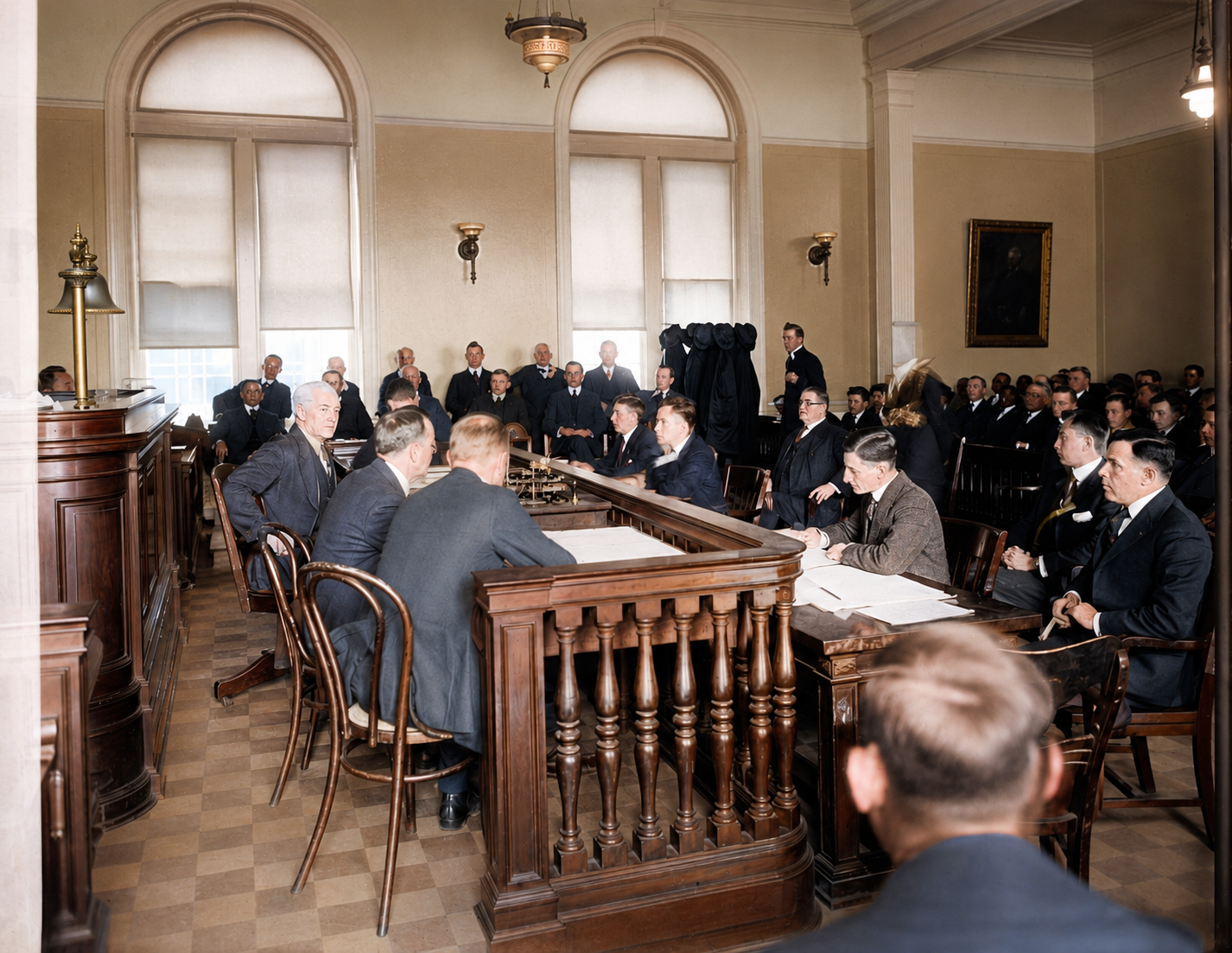
The address is 2023 Kalorama Road NW, and the Supreme Court precedent that runs underneath every Miranda warning in America was born inside it on Chinese New Year, 1919.
That hook is the part most Washingtonians have never heard. The murders themselves are forgotten almost completely.
This is the story of the Kalorama triple murder, the seven year ordeal of the young man the police pinned it on, and the unanimous Brandeis opinion that started a slow rewrite of how American police are allowed to treat anyone they have in custody.
A Chinese New Year on Kalorama Road
The Chinese Educational Mission was a quiet operation by Washington standards. From a stately house on Kalorama Road, three men ran the program that placed Chinese government scholarship students at American universities. Dr. Theodore Ting Wong was the director. C. H. Hsie was the secretary. Ben Sen Wu was an undersecretary.
All three came from affluent Chinese families. All three were Christian, spoke fluent English, and were attached to the Chinese Legation.
Wong, in particular, had a striking biography. Born in Shanghai in 1876, the son of the first native Chinese Episcopal priest, he attended Episcopal High School in Alexandria in the early 1890s. He then enrolled at the University of Virginia in 1894 as the first Chinese student in the school’s history.
Back in China, with his collaborator Zhang Zaixin, he translated the first Sherlock Holmes stories ever published in Chinese, and gave Holmes the name (福而摩司) still recognizable to readers in Beijing today. He took over the Educational Mission in 1911 and moved to Washington.
On the evening of Wednesday, January 29, 1919, the three men closed their books and stayed in to mark the Chinese New Year. By the next morning, the Mission house had gone silent. The postman could not get the door to open. The milk delivery was sweating on the stoop. The laundry package sat untouched.
The discovery and the missing $5,000 check
On Friday, January 31, a neighbor and former Mission tenant named Kang Li became worried enough to climb in through an open window. He found the three diplomats dead.
Furniture was overturned. Light bulbs were smashed. Blood pooled on the hardwood from the front hall down to the basement. A heavy brass candle holder, smeared with blood, lay near Dr. Wong’s body. The murder weapon, a .32 caliber revolver, belonged to Ben Sen Wu himself.
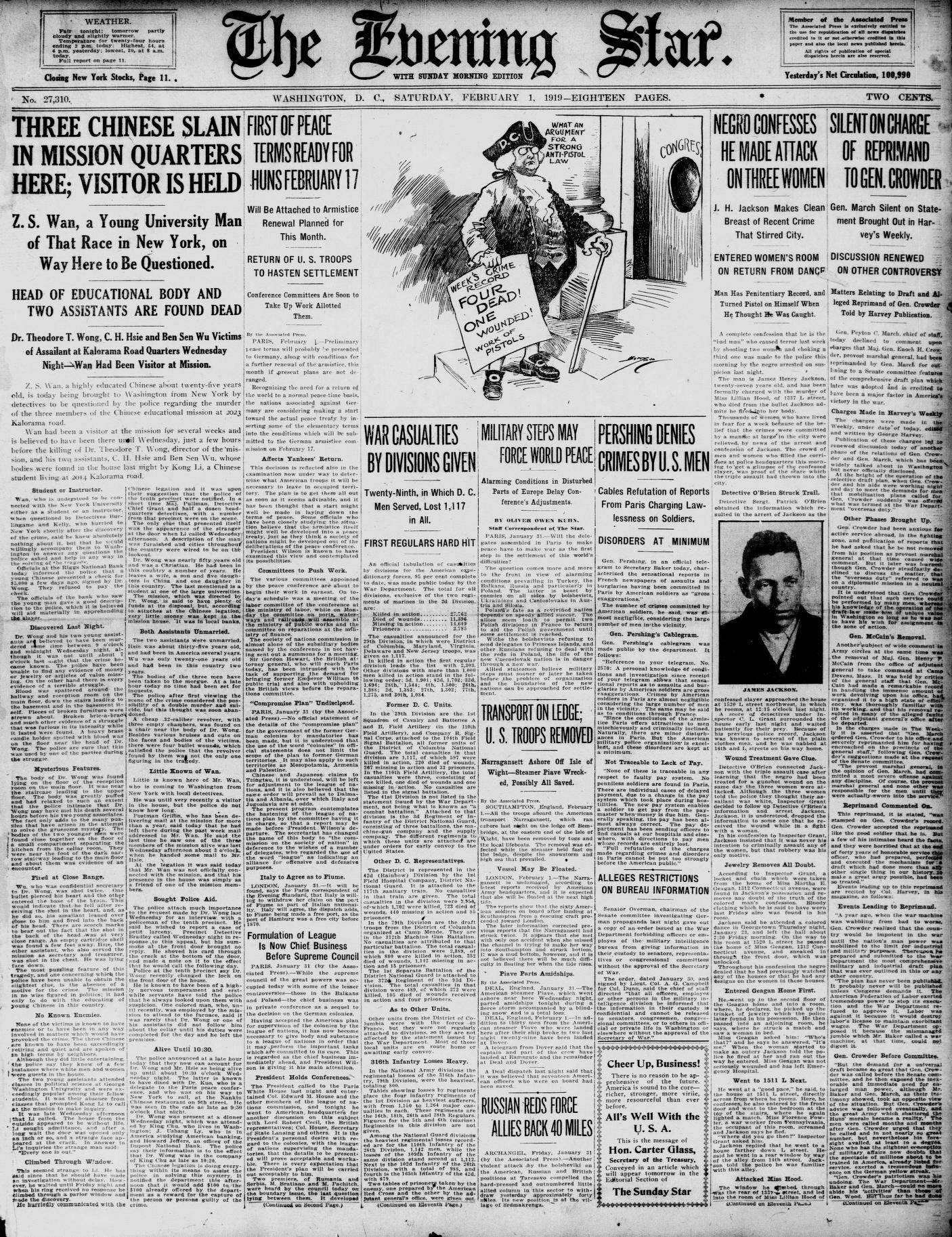
The Evening Star ran the first front-page coverage the next afternoon, under a stack of all caps banners: “THREE CHINESE SLAIN IN MISSION QUARTERS HERE; VISITOR IS HELD.” The Saturday paper named all three victims, named the Educational Mission, and named a 24 year old Chinese student already on his way down from New York for questioning. He was Ziang Sung Wan.
The clue that broke the case open had nothing to do with the bodies. On the morning after the killings, an unknown Chinese man had walked into the Riggs National Bank carrying a $5,000 check drawn on the Mission’s account, signed by both Dr. Wong and C. H. Hsie, made out to bearer.
The teller, made suspicious by the dollar amount and the rushed manner, declined to cash it. By Saturday, the news of the murders had broken, and the teller recognized the connection. But the man at his window was not Wan. He was “shorter and younger.” Detectives quickly identified him as Tsong Ing Van, Wan’s younger brother.
A Manhattan arrest, a Washington hotel, and seven days alone
Detective Guy Burlingame and Sergeant Edward J. Kelly were on a New York train within hours. They walked into Wan’s Manhattan rooming house, searched it without a warrant, and pressed him to return to Washington with them. Wan was recovering from the Spanish flu and a violent stomach illness and did not want to travel. He went anyway.
When the brothers reached Washington, the detectives did not formally arrest either of them. Instead, Major Raymond W. Pullman, chief of the Metropolitan Police, had them booked into the Hotel Dewey at 1329 H Street NW under no registry at all. The brothers were placed on different floors, with officers in the rooms day and night, and were told nothing about each other’s location.
For a week the questioning ran without a lawyer in the room, without a charge filed, and often without a break. Wan, still bedridden with the flu and now diagnosed with colitis, was questioned for hours at a stretch. He and his brother later testified that the detectives called them “yellow rats,” “Chink,” and “skunk,” and that food and water were withheld.
The chief, on the witness stand, framed the interviews more genteely. He and Wan, he said, had passed pleasant hours discussing “international politics, the League of Nations, and Chinese customs and literature.”
On the night of Saturday, February 8, the detectives took the brothers back to the Mission house and walked Wan past the bloodstains. They put Wu’s revolver in Wan’s hand and re enacted the killings. They denied him food, water, and bathroom breaks for the entire night.
By 5 a.m. on Sunday, after being shown his own handwriting next to a forged check stub, Wan admitted to the forgery. That admission to a lesser crime gave Major Pullman enough to formally arrest. The brothers were moved to the Tenth Precinct station, where Inspector Clifford L. Grant turned the screw on the brother angle. “I am holding your brother just the same as I am holding you.” Within hours, Wan signed a written confession.
In his version, he and Wu had conspired to steal from the Mission. Hsie had caught them in the kitchen with the checkbook, and Wu had shot Hsie in the back. When Wong came home a few minutes later, Wu had shot him at point blank range. Wan said he then picked up Wu’s pistol, lured Wu down to the furnace, and killed him for what he had done.
“I am glad it is all over,” he reportedly told Inspector Grant. “You now have the whole truth.”
By morning the coroner’s jury was charging both brothers with all three deaths, not just one. Wan immediately tried to take the confession back.
The 1919 trial: third degree, on the record
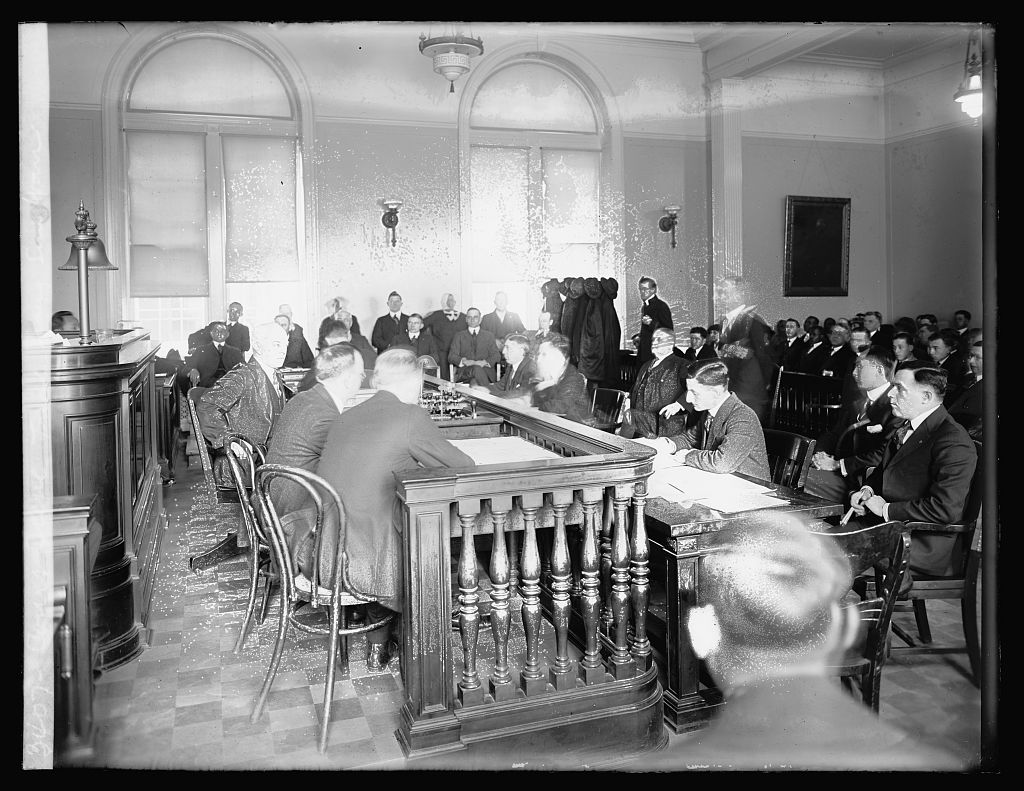
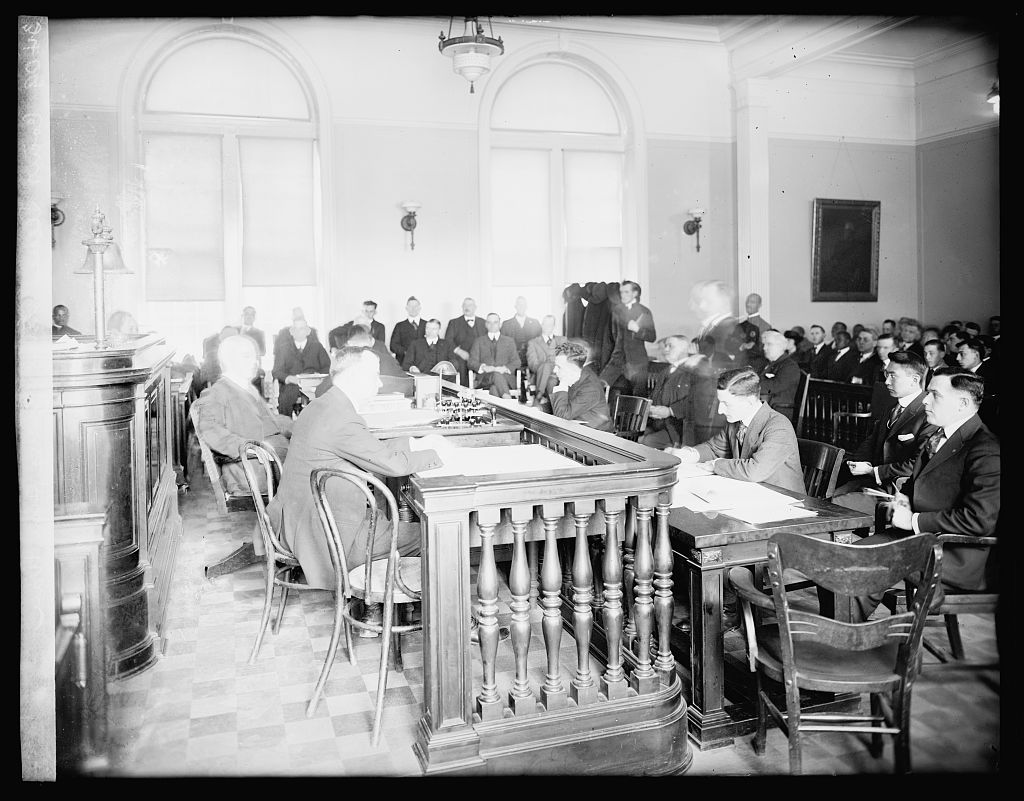
The case went to trial in December 1919 before Judge Ashley M. Gould in the Supreme Court of the District of Columbia. U.S. Attorney John E. Laskey had himself been alarmed by the police conduct and had spent nine months tightening the indictment. The defense team, led by attorney Charles Fahy, argued that every incriminating statement Wan had made was extracted “through ‘third degree’ methods” and should be excluded.
The judge ruled the signed confession admissible anyway. The Supreme Court had cracked the door open to that argument back in 1897 in Bram v. United States, but the 1897 ruling left wide gray areas, and Pullman’s polished testimony made the worst of the Dewey Hotel interrogation hard to prove on the stand.
On Friday, January 9, 1920, the jury returned its verdict on the front page of that day’s Evening Star: “GUILTY, IS VERDICT OF JURY IN CASE OF CHINESE STUDENT.” First degree murder. Death by hanging. Wan collapsed in the courtroom and broke into sobs.
In Shanghai, where Wong’s family lived, his body was held in Washington for almost a year while the case went to trial. Preserved for the long Pacific crossing, it left Washington on February 14, 1920, and was buried at an open casket funeral at the Church of Our Savior in Shanghai on March 7. His widow Julia Sih and four daughters were waiting.
Seven years and a Brandeis pen
For the next four years, Wan’s lawyers ran every appeal motion the federal system permitted. They won delay after delay. Twice he came within days of the gallows. President Warren G. Harding refused to commute the sentence in 1921. Former Solicitor General John W. Davis, then the 1924 Democratic nominee for president, joined the brief that the team sent up to the Supreme Court.
The political weather was changing under their feet. Across the country in the early 1920s, journalists and reformers were beginning to expose what police departments had quietly called the “third degree” for two generations: sleep deprivation, beatings, fake confessions planted in cells, suspects “sweated” under heat lamps, even red pepper or live insects loosed in interrogation rooms. By 1924, the public mood that had let Pullman call his Hotel Dewey week “pleasant conversation” had soured. The Court took the case.
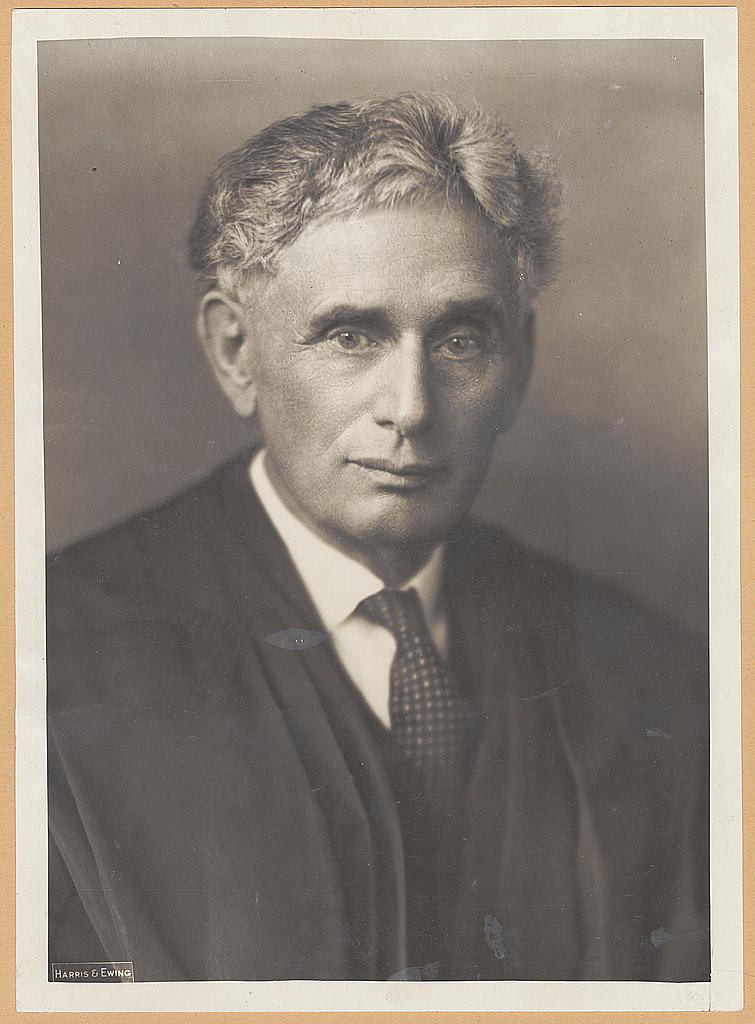
The Court heard oral argument on April 7 and 8, 1924. The opinion came down on October 13, 1924. It was unanimous, it was assigned to Justice Louis D. Brandeis, and it was short.
Brandeis began with the facts of how Wan had been treated. He noted plainly that Wan had been held without arrest, without counsel, and without ever being entered in the hotel’s registry. He noted the Spanish flu and the colitis. He noted the all night session at the Mission.
Then he laid down the sentence that reset the rule in federal court. A confession was “voluntary in law if, and only if, it was in fact voluntarily made.” The 1897 precedent had let a confession through as long as no specific promise or threat could be pinned on the police. Brandeis rejected that test. “A confession obtained by compulsion must be excluded.” The oral statements at the Mission and the written confession at the precinct, he wrote, “should have been excluded.” Conviction reversed.
Two hung juries, a quiet return, and a 1966 sentence
Wan was retried twice without his confession in evidence. Both juries hung, with majorities voting to acquit. In 1926, the Justice Department gave up. Wan eventually returned to China.
The opinion had two famous gaps. First, the Court did not say what affirmative steps the police actually had to take to ensure a confession was voluntary. It only said which steps were forbidden. Second, the ruling applied only in federal proceedings. The incorporation doctrine, which gradually extended Bill of Rights protections to state and local cases through the Fourteenth Amendment, would take decades.
Both gaps closed on June 13, 1966, when Chief Justice Earl Warren handed down the majority opinion in Miranda v. Arizona. Warren quoted from the Brandeis Wan opinion at length, and then went further, requiring police to affirmatively warn suspects of their rights to remain silent and to counsel before any custodial interrogation began.
The line of cases that produced the warning a Phoenix police officer reads to you today runs through a triple murder in a Kalorama parlor in 1919, a sick young man in a downtown hotel room, and the patient seven year appeal that put Brandeis in a position to rule.
The Mission house, the legation, and the Kalorama context
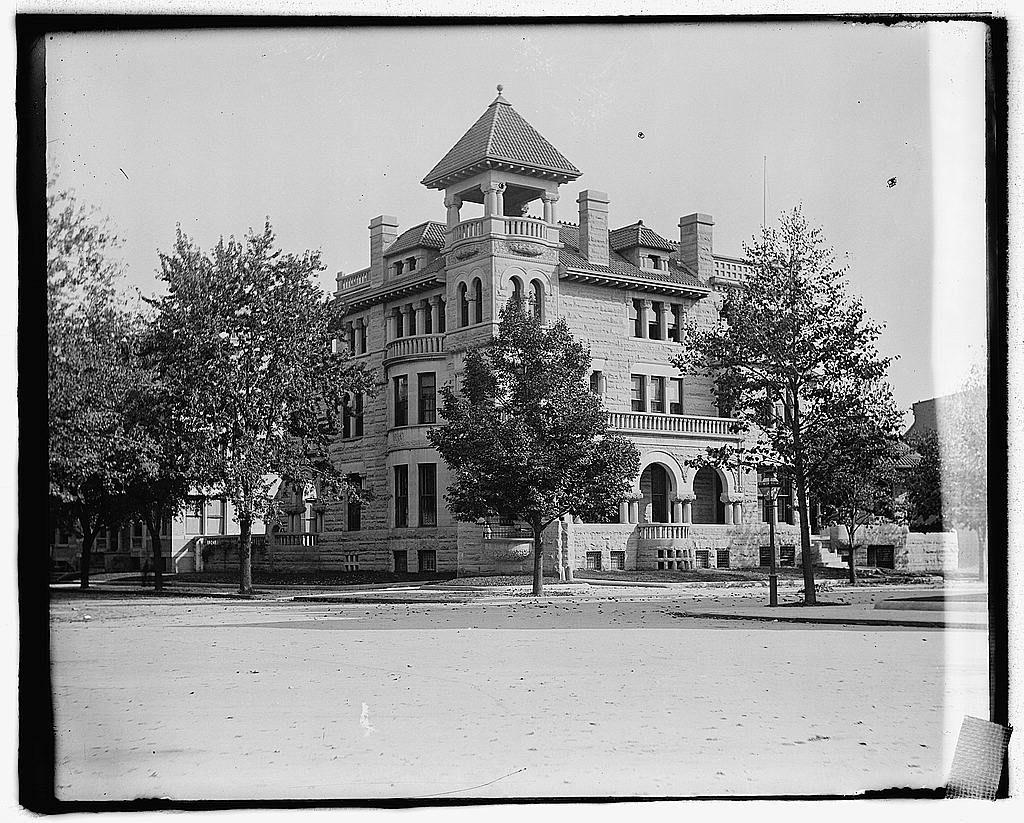
The Chinese Educational Mission operated under the umbrella of the Chinese Legation. China and the United States did not exchange full ambassadors until 1935; before that, Chinese diplomats in Washington worked out of the legation and its satellite offices.
The Mission house at 2023 Kalorama Road sat in a neighborhood that was, in 1919, just becoming the embassy belt it is today. Sheridan-Kalorama would not begin filling with foreign legations in serious numbers until the 1920s. The block sits two short streets from the Belmont Road mansion where Barack and Michelle Obama have lived since 2017.
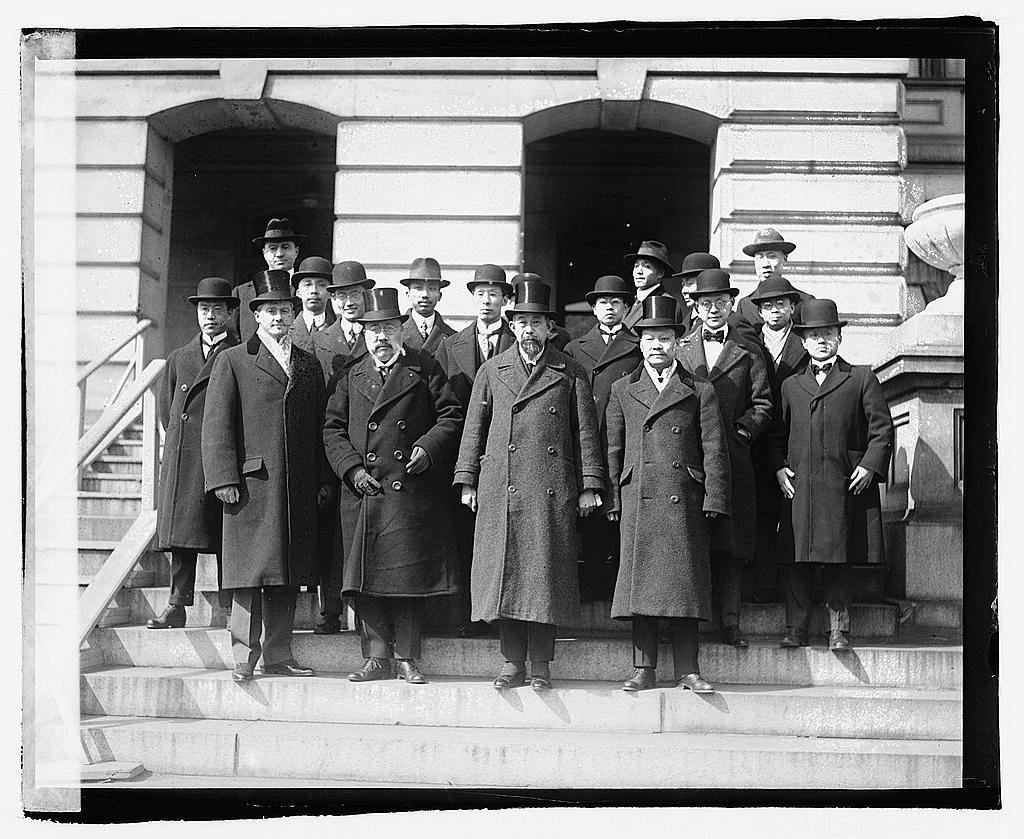
After the murders, the Mission’s operations did not stop. The 1920 group photograph at the top of this post shows the next cohort of officials in heavy coats on the steps of a government building, doing the work Dr. Wong had been doing the week he died.
Why this story belongs to Washington
There are bigger criminal cases in DC history. There are no quieter ones with a deeper legal afterlife.
The right to remain silent, the warning every American has heard from a thousand TV cops, traces directly to a sick young man, a brutal week at the Dewey Hotel, and a 1924 Brandeis opinion most people have never read. The mansion that held the Mission still sits on Kalorama Road. The bones of the case are still embedded in the federal rules of evidence.
The next time a Miranda warning shows up in a news clip, the building it began in is two blocks from the President’s old house.