
She lived somewhere in the Dupont Circle blocks, in a private home that doubled as a parlor. Her real name was Grace Champney. To everyone in Washington who mattered, she was Madame Marcia.
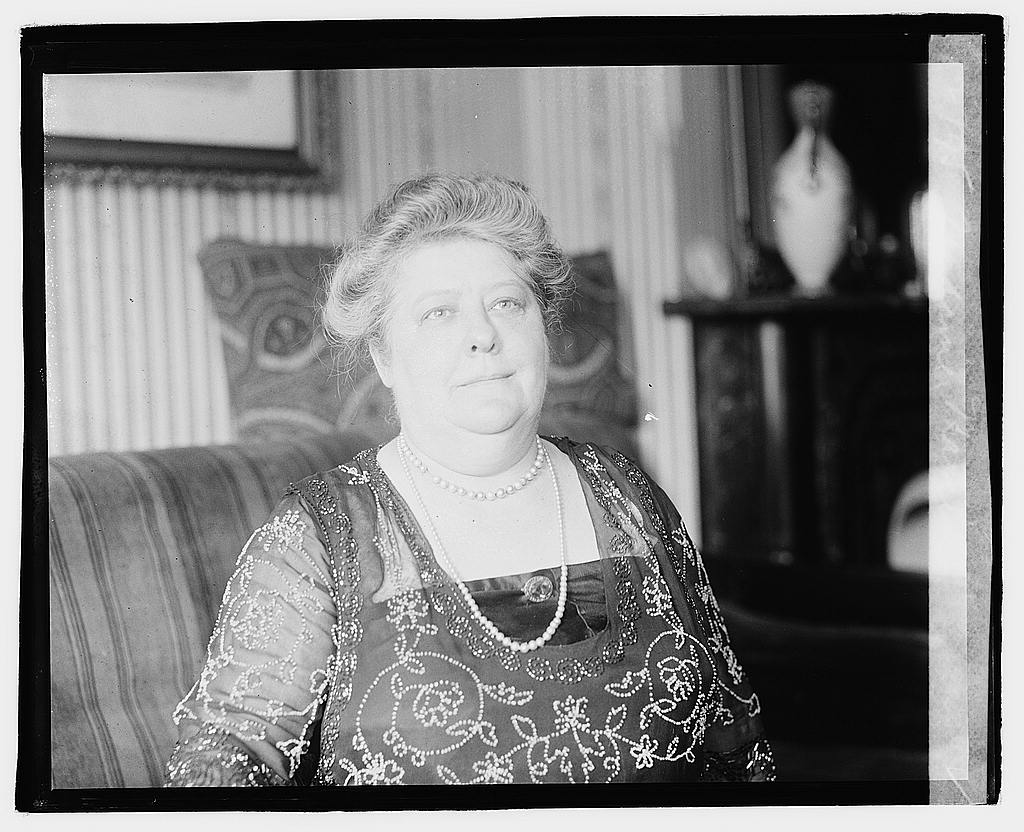
On Thursdays the women of Washington society came to her, and the men too: by some accounts senators, congressmen, Supreme Court justices and the wives of all of the above. The fee was five dollars. Cash on the table, chart on the wall, the planets on her side. By 1920 she had read for the sitting First Lady and was about to read for the next one. Three years after that she would sit, an entire continent away, watching the clock at the moment a sitting president died.
Check this out. There is no other DC story quite like this one. Not Reagan’s astrologer in the 1980s, not the séances on the second floor for Lincoln. Right here in our own city, in the early 1920s, a Washington fortune teller cast horoscopes for the wife of a man about to become the most powerful person on earth. And told her, to her face, that he was going to die.
The Astrologer and the First Lady
Madame Marcia was born Grace A. Beswick on February 14, 1868, in New Jersey. By 1889 she had married Horace Marion Champney, and by the 1910s she had set up shop in Washington under a stage name and a brand. She advertised in the back of newspapers. She charged five dollars a session. She did not, she always insisted, predict the future. She read what was already written in the stars.
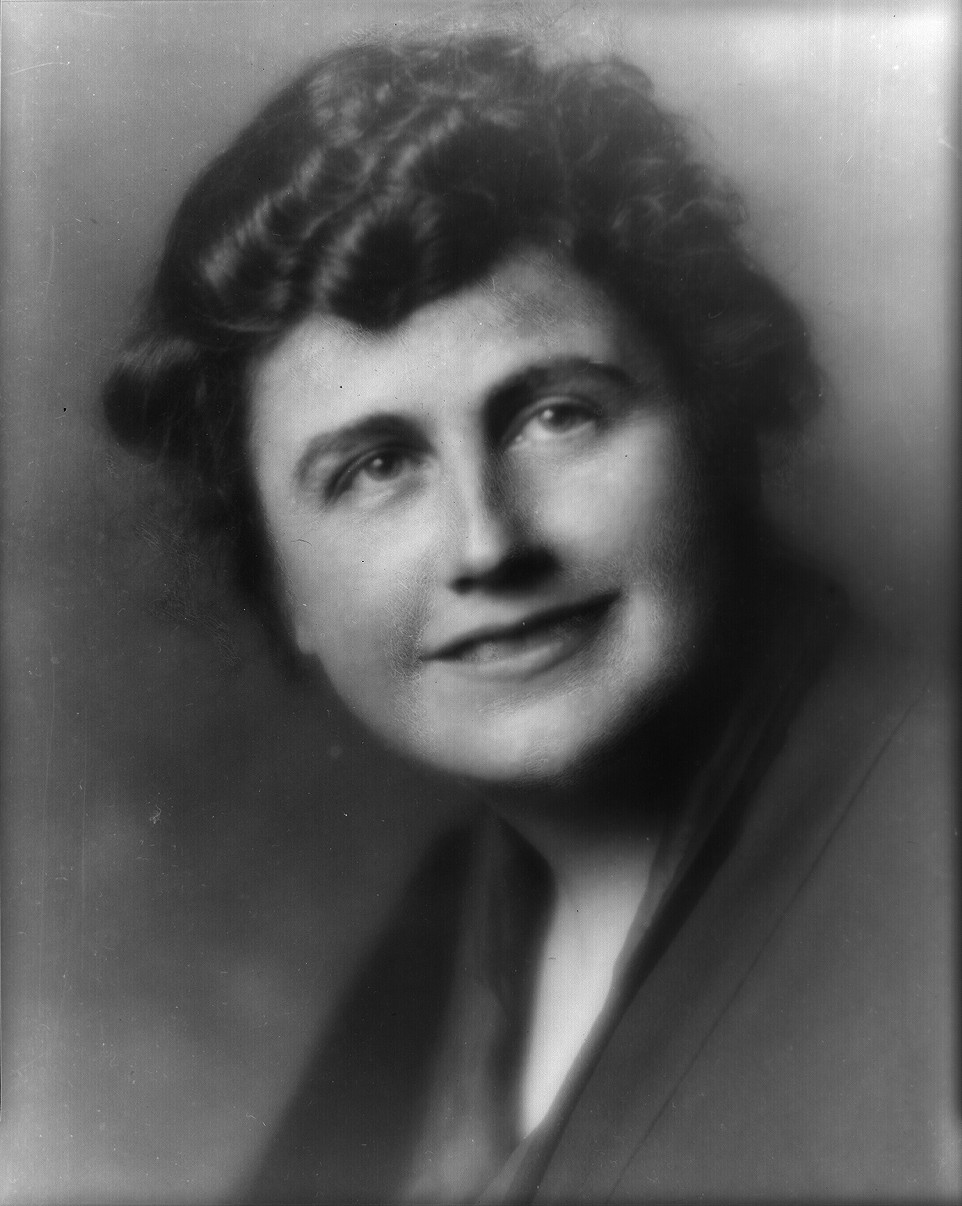
Her first famous client was Edith Bolling Galt, a Washington widow who would, in December 1915, marry the first-term President Woodrow Wilson and move into the White House. Marcia had been telling Edith for months that she was going to live there. When the prediction came true, the door opened wide. Edith brought Madame Marcia inside the White House. The new First Lady, by all later accounts, was not embarrassed about it.
Years later, after Wilson’s stroke and Edith’s quiet, controversial stewardship of the federal government, the First Lady moved out. The new First Lady moved in. And the same DC astrologer, with the same astrological table, picked up where she had left off.
“Tragedy! Tragedy!”
It was 1920. Florence Harding, a Marion, Ohio newspaper publisher’s wife and the daughter of Amos Kling, the wealthiest man in Marion, had begun consulting Madame Marcia. She believed in the planets the way other women of her station believed in church. “I believe in astrology and the indication of the planets as to a man or woman’s fate,” she said openly, the kind of statement that would shock a White House communications office a hundred years later.
Florence’s husband, Warren G. Harding, was a first-term senator from Ohio with the kind of face the Republican bosses thought looked like a president. In the spring of 1920 the Republican primary fight was a brawl. Marcia took out Warren’s birth chart, November 2, 1865, ran the calculations, and delivered her verdict.
He would win.
He would also die. Sudden, violent, or peculiar, before the end of his term.
Florence took the news to the Republican National Convention in Chicago in June 1920. She lobbied delegates anyway. She did not warn her husband off the nomination. And, when reporters caught up to her, she said the line that has hung over every retelling of the Harding presidency since:
“I can see but one word written over the head of my husband if he is elected, and that word is ‘Tragedy.’”
Republican leaders cut a deal in a famous smoke-filled room at the Blackstone Hotel, and he was nominated on the tenth ballot. He won the November election in a landslide. Marcia was right about the first part. She had three years to be right about the rest.
The Back Door of the West Wing
Madame Marcia worked from her DC parlor for the first two years of the Harding presidency. Most of the Washington socialite crowd kept coming. The First Lady kept coming too. But because Florence was now Mrs. President, and because Harding’s people understood exactly how a “fortune teller advises the White House” headline would play in the Christian press, the consultations went underground.
This is where Harry L. Barker comes in. Barker was a Secret Service agent, and on March 4, 1921, he had been assigned to protect Florence Harding personally. She was the first First Lady ever to have her own agent, and the relationship was close. Florence trusted him. Trusted him enough, by some accounts, to send him out to collect Madame Marcia from her DC house and bring her in through a back entrance of the West Wing, off the visitor log, for private readings.
Edith Wilson brought Madame Marcia inside without much pretense. Florence Harding had her come in the back. Either way, the same Washington astrologer was reading planets for the most powerful woman in the country.
Florence consulted Marcia repeatedly during the worst stretches of the Harding administration. When Veterans Bureau director Charles Forbes resigned in disgrace on February 1, 1923, Florence called Marcia in. When Harding’s bagman Jess Smith turned up dead of a self-inflicted gunshot on May 30, 1923, Florence called Marcia in again, asking which other associates of her husband’s were rotten. The Teapot Dome scandal was breaking around the cabinet table. The astrologer’s chart was the only place Florence could find an answer she trusted.
The Prediction Comes True
By the summer of 1923 Florence was terrified. The astrology said her husband had less than two years to live. Her husband’s actual doctor, the homeopath Charles “Doc” Sawyer, said Warren was fine. A second opinion from another doctor said heart trouble. Several senators urged the president not to go on the planned cross-country “Voyage of Understanding.”
He went anyway. Speeches in dozens of cities. Train cars across the country. The USS Henderson north to Alaska. Then, sick on the way back, the Palace Hotel in San Francisco. Florence read aloud at his bedside. He slumped over.
Shortly after 7 p.m. Pacific time on Thursday, August 2, 1923, Warren G. Harding, age 57, was dead.
Across the continent, in her DC parlor, Madame Marcia later said she glanced at the clock, glanced at the chart, and told the journalist sitting across from her: “The president is dead.” Days earlier she had told another reporter, Harry B. Hunt of the NEA wire service: “It is the end. He will never recover. The crisis will come Thursday night. He will be dead by Friday.”
She had been off by a few hours. Otherwise she was perfect.
The Funeral Train, and the East Room
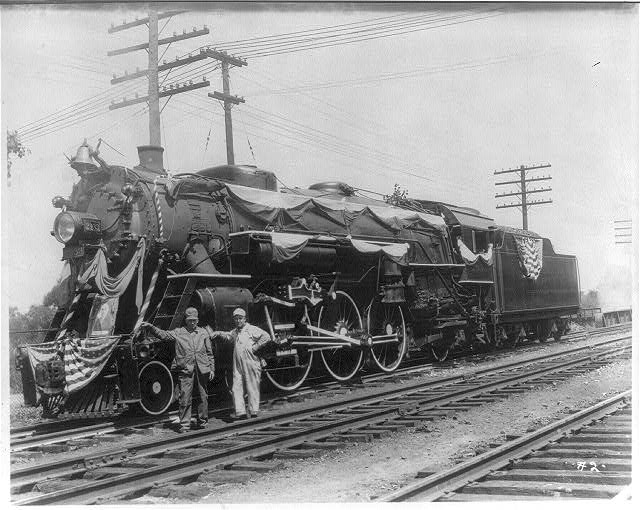
The funeral train left San Francisco hauling the coffin of a sitting American president. By the time it crossed the country, more than nine million Americans had stood by the tracks. Bunting on the locomotive. Crowds three deep in towns of two hundred. The country was, despite everything, sincerely heartbroken.
The train pulled into Union Station at 10:30 p.m. on a hot, still night, August 7, 1923. An honor guard moved the coffin through the building without ceremony, into a waiting automobile, and up Pennsylvania Avenue to the White House. The body was placed in the East Room. Florence had personally designed the floral spread eagle of red, white, and blue blooms that lay across the casket.
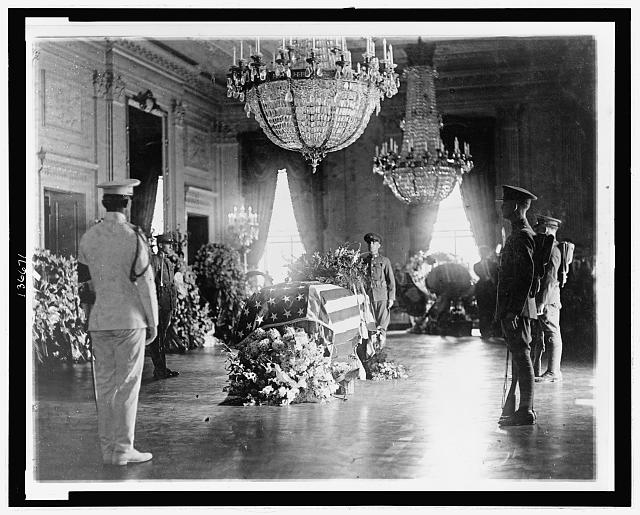
She sat next to it for hours, alone with the dead president, murmuring to him, “Nobody can hurt you now, Warren.”
That should be where the story ends. It is not.
A Midnight in the East Room
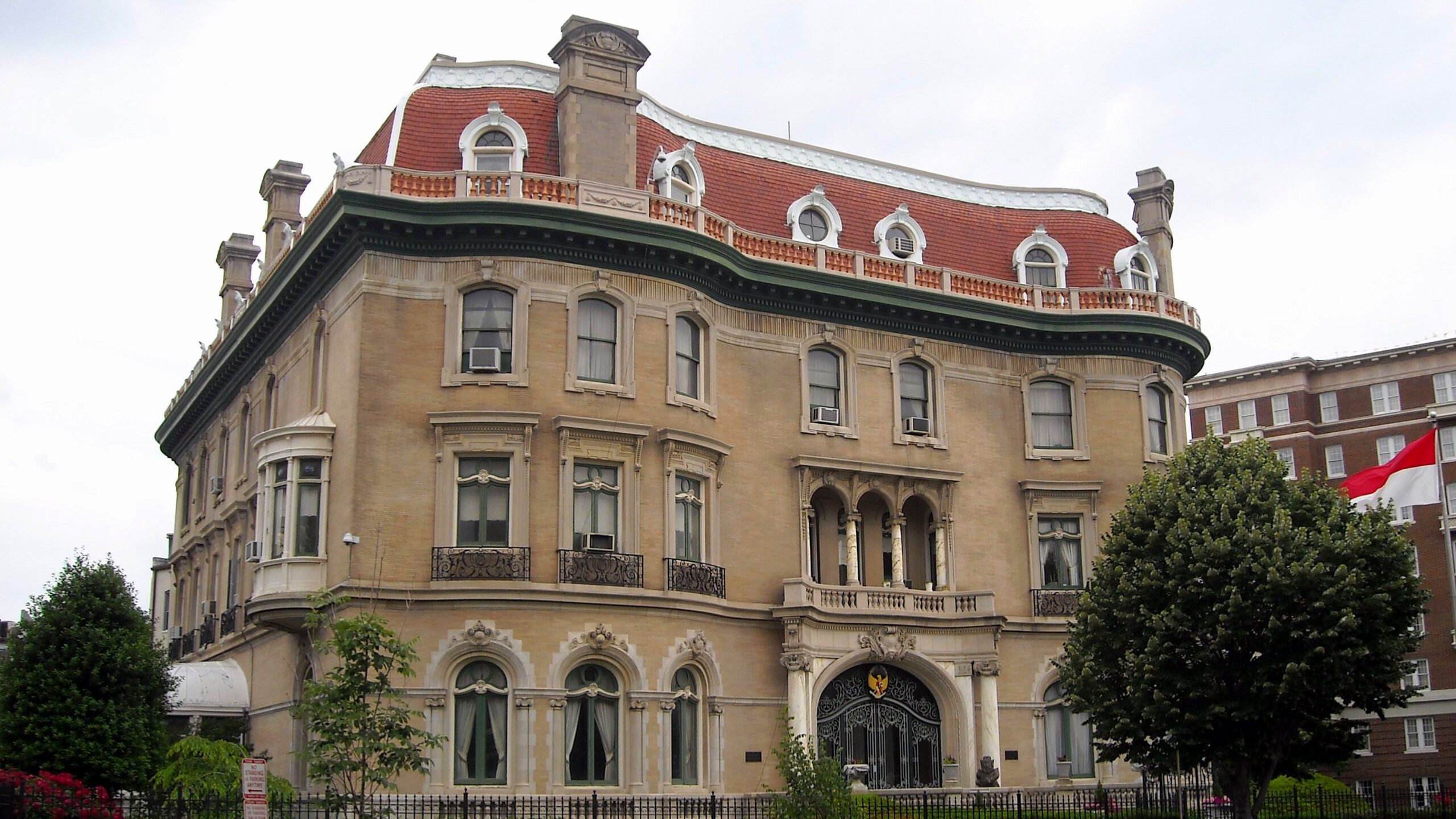
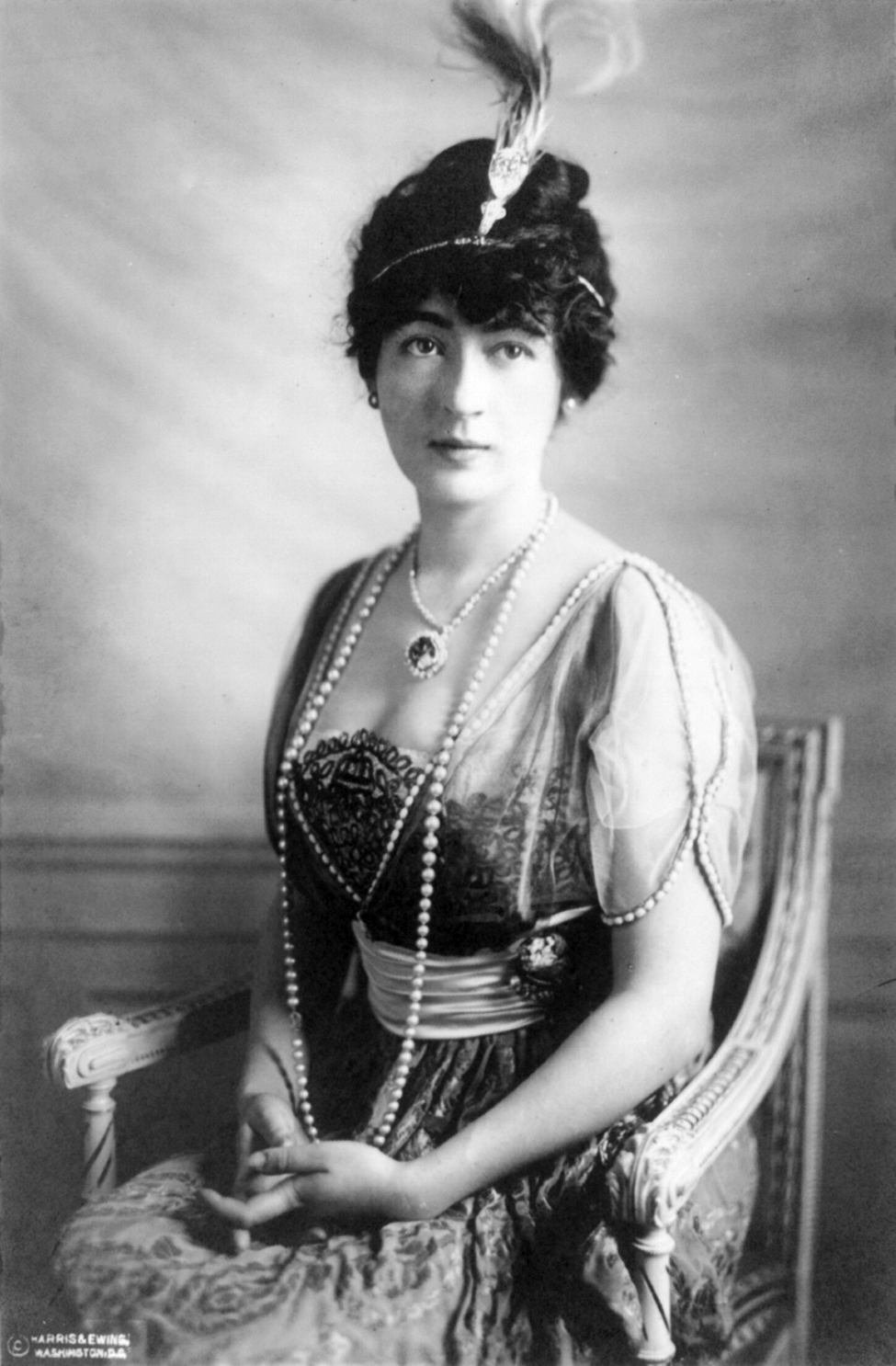
After the official mourners had cleared. After the staff had gone to bed. The First Lady asked her closest friend in Washington to come back and sit with her. The friend was Evalyn Walsh McLean, the mining heiress who grew up at 2020 Massachusetts Avenue NW in the family’s fifty-room mansion, the woman whose husband owned the Washington Post and who herself owned the 45-carat Hope Diamond. One of the wealthiest women in Washington society. The longtime patron of Madame Marcia.
The two of them came down the grand staircase together in the small hours of the morning. The flag-draped casket was where the staff had left it. The East Room was empty. Florence had what she had come for. One last conversation, in the dark, before the Capitol procession at ten the next morning took him from her for good.
What was said that night, no one wrote down.
After
At 10:00 a.m. on August 8, 1923, the casket was mounted on a caisson and rolled to the Capitol for a service before Congress and the cabinet. That afternoon the funeral train left Washington for Marion, Ohio. By the time it returned, Florence was no longer First Lady. Within days she had moved out of the White House and into Friendship, the Walsh-McLean country estate on what was then Tenleytown Road NW, where the McLean Gardens condominiums stand today.
In the Friendship fireplace, in the August heat, she lit a fire and started feeding hundreds of Warren’s papers into it.
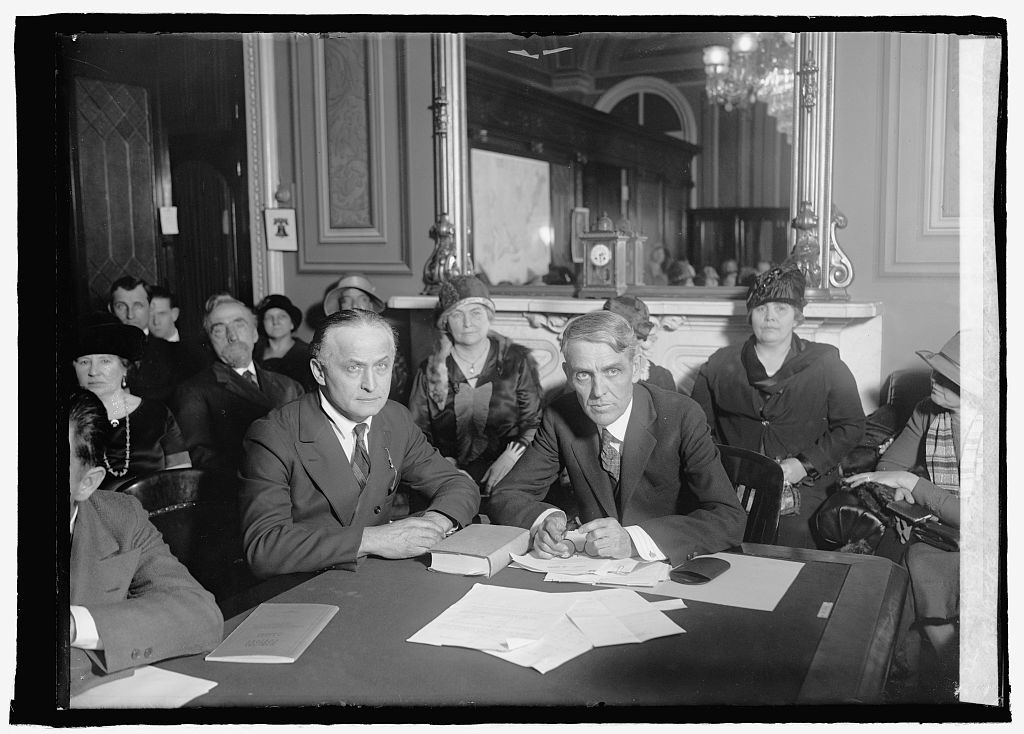
Florence Harding died at Marion, Ohio on November 21, 1924, of kidney failure. Madame Marcia outlived both her famous clients. She kept her practice going through the 1920s, defended it before Congress when Harry Houdini came to Washington in 1926 to ban DC fortune telling, and at the hearings told Houdini to his face that he would be dead by November. He died on Halloween of that year.
In 1938 Madame Marcia, still living and still working in Washington, sold her version of the whole story to Liberty Magazine. The first installment ran on June 11, 1938, under the headline “When an Astrologer Ruled the White House.” She named the Hardings. She named the readings. She did not name her address.
She died on January 4, 1943, and is buried at Cedar Hill Cemetery in Suitland, Maryland.
The DC house where she read the planets has, somehow, never been reliably identified. Somewhere in the residential blocks around Dupont Circle, the woman who told one First Lady she would live in the White House and another First Lady that her husband would die there kept a parlor with a chart on the wall. Read about 1920 Election Night at the White House, the Little Green House on K Street where the rest of Harding’s scandalous Washington played out, or the chauffeur who drove the Hardings everywhere they went. We have walked past her old DC parlor without knowing.
Tragedy. Tragedy.
Some of our stories are researched and written with help from AI, and checked by a person before they run. Here’s how we use AI.