

The neighborhood is named after two elementary schools. Not two people, not two streets, not two real estate developers. Two schools, sitting one block apart, that the city had spent the previous fifty years keeping racially separate.
That story starts with a rock through a window.
The two schools
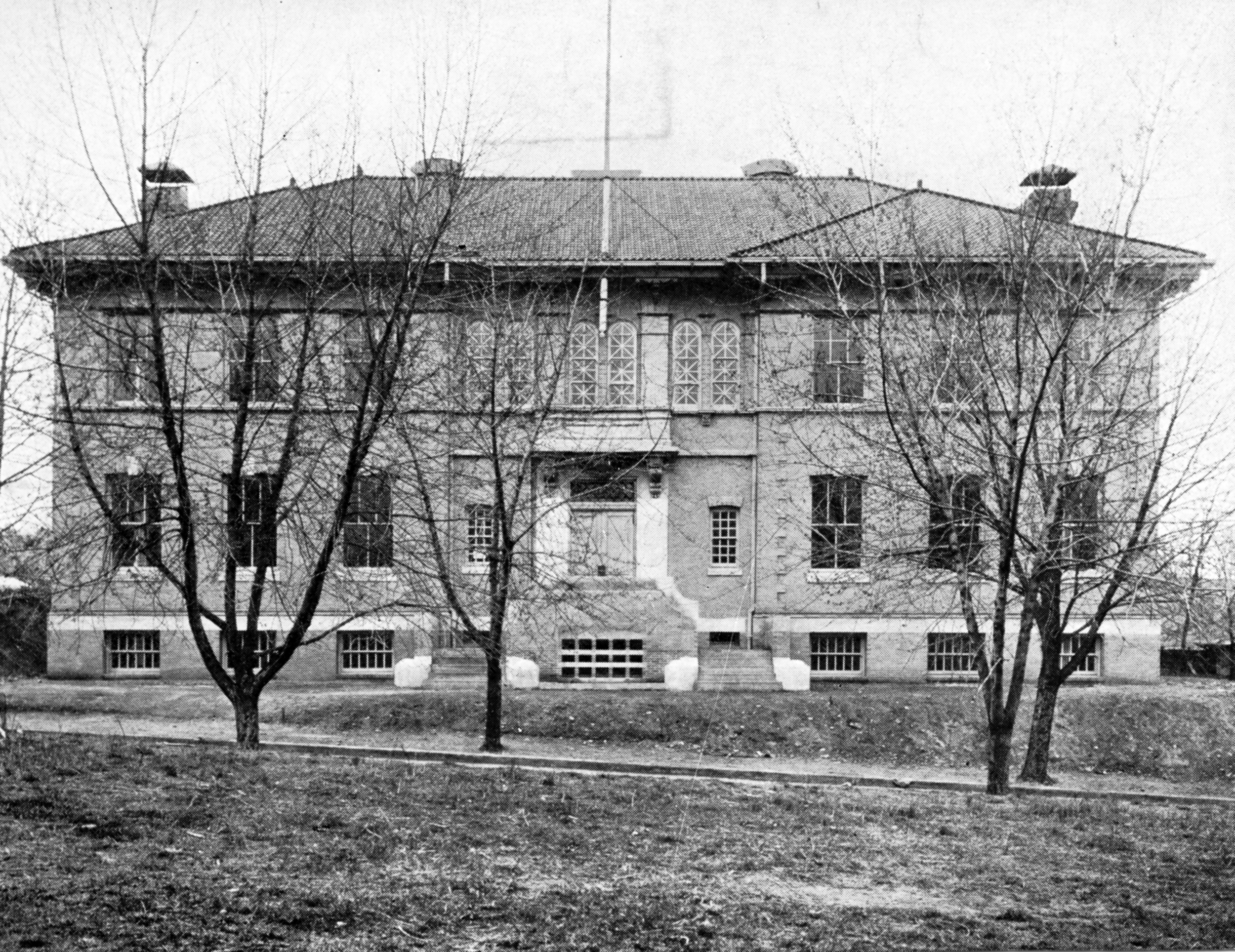
Morgan Elementary stood at 2200 Champlain Street NW, on the rise above 18th Street where the Marie Reed Recreation Center sits today. It opened in 1901 as a white school, named for Thomas P. Morgan, a DC Commissioner in the early 1880s.
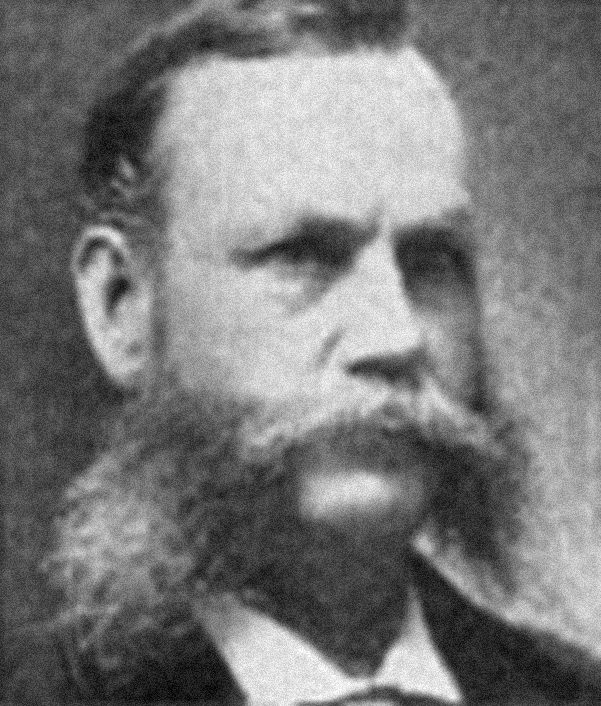
Morgan had been chief of the Metropolitan Police from 1878 to 1879 before that, with earlier service on the city’s fire commission. He was the kind of nineteenth-century civic figure who collected titles the way other people collect library cards.
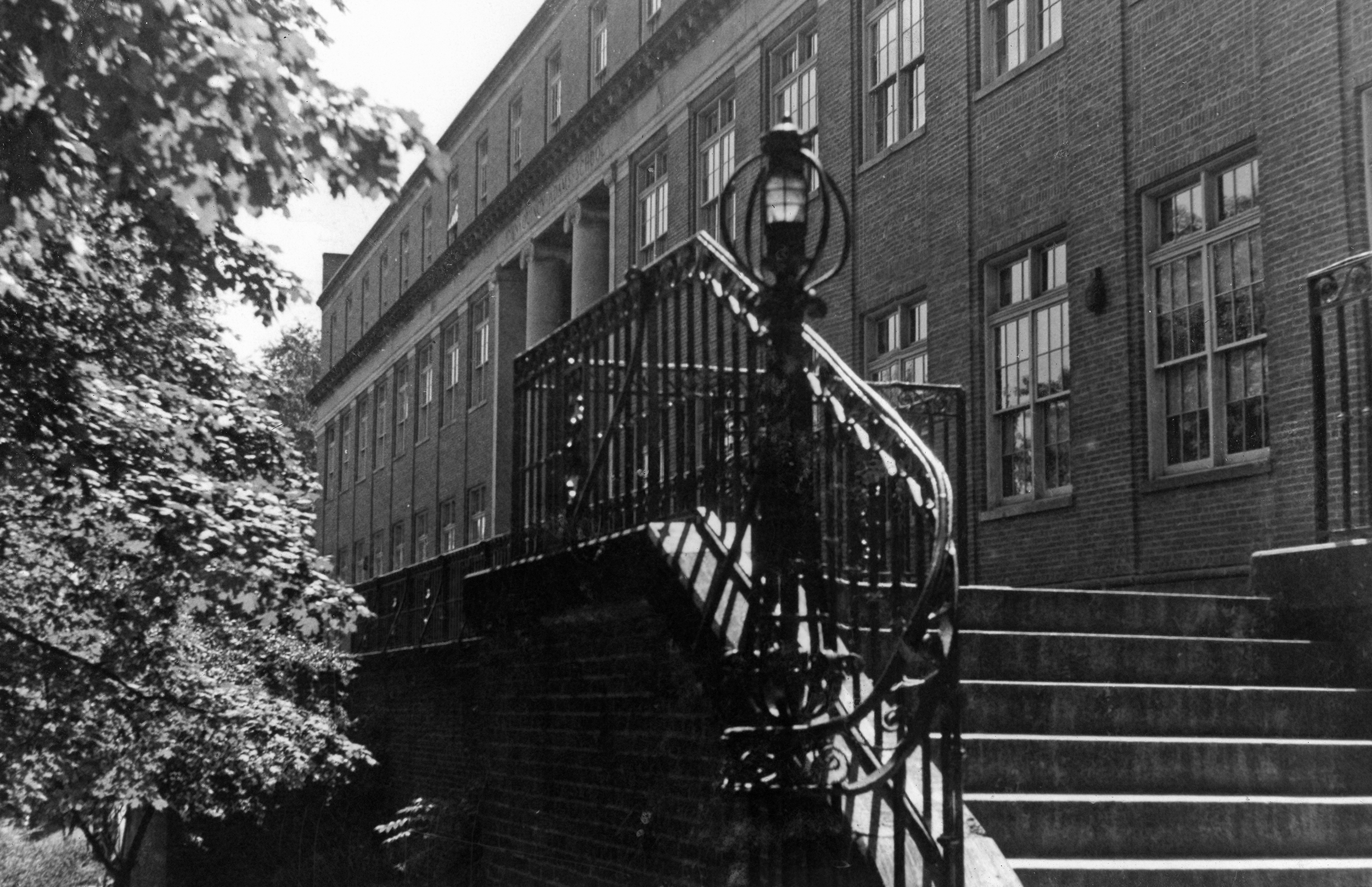
In 1929 the school board decided the Morgan building had deteriorated past saving and opened a brand new white school one block west at 2020 19th Street NW. They named it John Quincy Adams Elementary, after the sixth president.
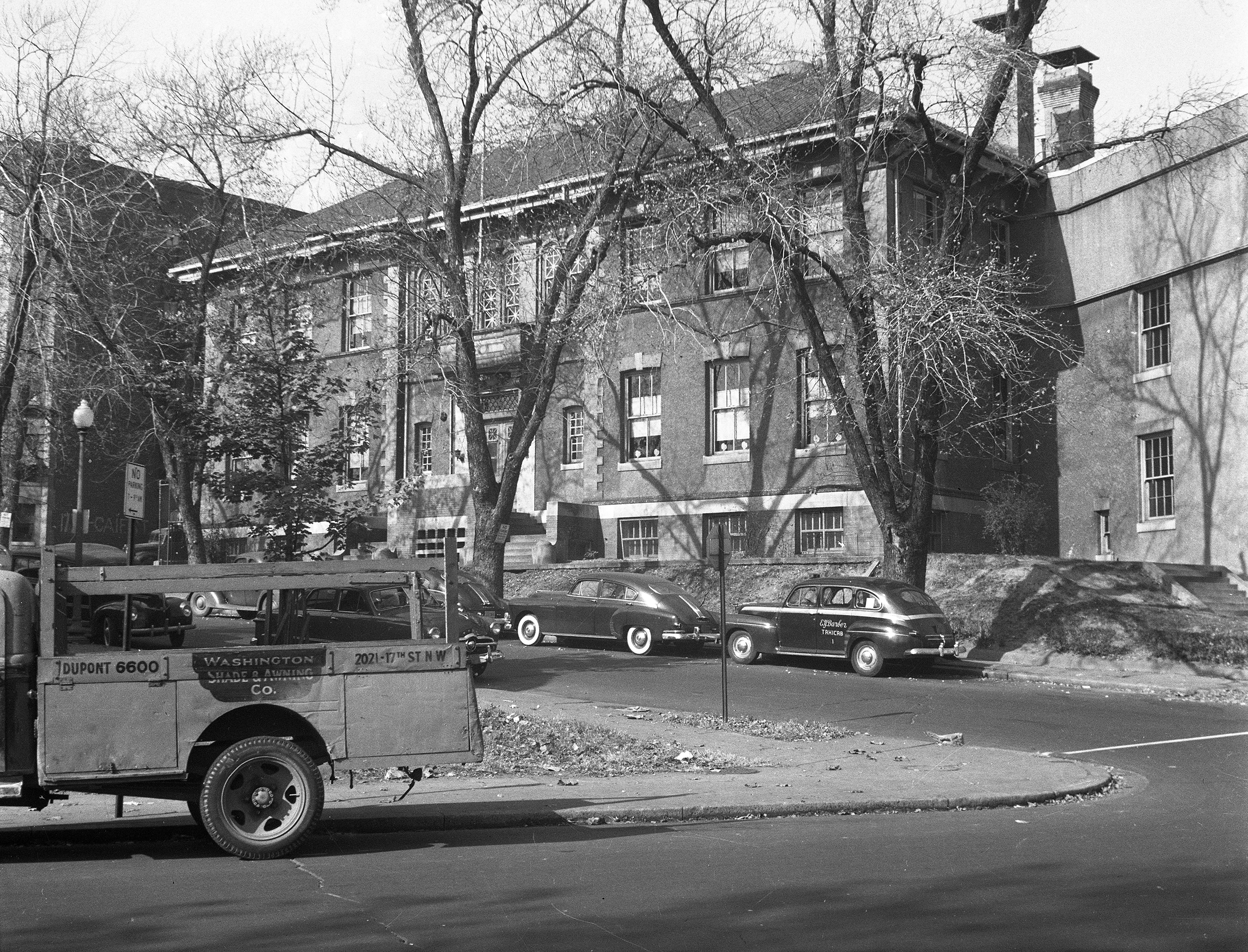
The white students walked over from Morgan to the new Adams building. The old Morgan building was handed down to the Black students from Wilson Elementary, a half-mile north on 17th Street.
So by 1930, in a city that segregated everything, two elementary schools sat one block apart on the slope below Columbia Road. Adams was new, white, and bright. Morgan was thirty years old, Black, and visibly worn out.
That arrangement held for twenty-four years.
What Brown didn’t do
You probably know the May 17th, 1954 ruling in Brown v. Board of Education desegregated American public schools. What you might not know is that Brown did not apply to DC. The Fourteenth Amendment, which the Brown ruling rested on, restricts the states. DC isn’t a state.
The companion case that actually integrated DC schools was Bolling v. Sharpe, decided the same day. The Court reached the same outcome through the Fifth Amendment instead. Spottswood Bolling, then an eighth grader, had been turned away from the new white John Philip Sousa Junior High in Anacostia in 1950. Four years later, Chief Justice Warren wrote that segregating DC schools was “an arbitrary deprivation of their liberty.”
DC schools opened with integrated classrooms on September 13th, 1954. About four months after the ruling. No phased rollout, no decade-long delay like in the South.
It went badly. White public school enrollment in DC dropped 30% in the first two years and kept falling. By 1965 it sat around 10%. White parents pulled their kids and put them in private schools or moved to the suburbs.
At Adams the white families largely left. At Morgan, which had been Black since 1929, almost nothing changed. By the late 1950s Morgan was 98% African American and so overcrowded that the lower grades ran half-day shifts. The school stopped admitting new kindergartners.
It was, on paper, an integrated school district. In practice it had two separate-but-equal schools that the law had told to combine but no one had told how.
A rock through a window
The trigger event was a rock-throwing incident between students from the two schools. A Black student from Morgan was injured. Versions of the story differ on details, but every account ends the same way: the two principals decided they needed to actually meet each other.
They called residents from both school districts together. White parents from the Adams side. Black parents from the Morgan side. Teachers from both buildings. Pastors. Civic leaders. Anyone who lived in the blocks between 16th and Connecticut, north of Florida Avenue.
The group that came out of that meeting was the Adams-Morgan Better Neighborhood Conference. The year was 1955. They picked the name because it was the simplest, most direct way to say: this is the neighborhood that contains both schools. Not Lanier Heights, not Washington Heights, not Kalorama Triangle. The conference was bigger than any of those.
The hyphen, at that moment, was the point. Adams hyphen Morgan. Two schools, one neighborhood.
“An attack on blight”
The Conference got its first newspaper coverage on Sunday, October 21st, 1956, in The Washington Post and Times Herald. The article ran under the headline “New Slum Plan Drafts Area Aid.”
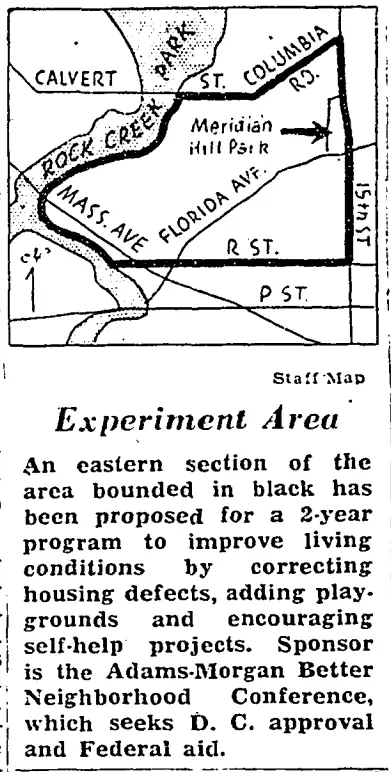
Here’s the lede:
An unusual program, first of its kind in Washington, is being mapped to roll back deterioration in a Northwest neighborhood, housing perhaps 30,000 persons.
The cooperative venture, cutting across racial lines, is an attempt to couple energy of residents, resources of the District government, and Federal funds into an attack on blight that has not yet become irreparable.
Sponsor of the “stitch-in-time-saves nine” program is the Adams Morgan Better Neighborhood Conference. Members are citizens and school, civic and church organizations in the area.
The phrase “cutting across racial lines” is doing a lot of work in 1956. Most postwar civic associations in DC were either explicitly all-white or explicitly all-Black. The Conference was the first significant neighborhood organization north of downtown that organized residents of both races around shared institutions. That was unusual enough to put it on page one of the Sunday Post.
In 1958 a related body, the Adams-Morgan Community Council, formed to handle longer-term advocacy and planning. The Conference and the Council coexisted and overlapped in leadership. By the early 1960s the two names were used interchangeably, and most residents just said “the Adams-Morgan Council.”
The neighborhood took the name from there. By the time the first Adams-Morgan Day street festival happened in 1978, no one was confused about what the name referred to.
The hyphen comes off
The hyphen lasted forty-six years. It came off in June 2001.
The change is generally credited to Josh Gibson, a longtime Adams Morgan resident who later co-wrote Adams Morgan (Then and Now) for Arcadia Publishing. By the account in the 2008 Washingtonian piece linked below, Gibson sent a letter to the editor of the Washington Post, which was the last major DC publication still hyphenating, arguing that a hyphen should join two geographic places, and that “Adams” and “Morgan” weren’t places. They were schools.
He also made a quieter point, captured in Emily Leaman’s 2008 Washingtonian piece on the name: a hyphen would make Morgan subordinate to Adams, the way “Smith-Jones” usually does in a wedding announcement. After the demographic and physical reality of what had been the Black school for seventy years, that wasn’t a small consideration.
The Post dropped the hyphen that month. Adams Morgan, two words, became the canonical spelling.
What’s there now
The Adams school building still stands at 2020 19th Street NW. In 2007 the city merged it with Oyster Bilingual Elementary to form Oyster-Adams Bilingual School, the dual-immersion English-Spanish program that runs out of both campuses. The Adams campus serves grades four through eight.
Morgan was demolished in the 1970s. The site was rebuilt as the Marie H. Reed Community Learning Center, named for the local activist and Adams Morgan Community Council leader who pushed in the late 1960s to turn the failing Morgan school into a true community school.
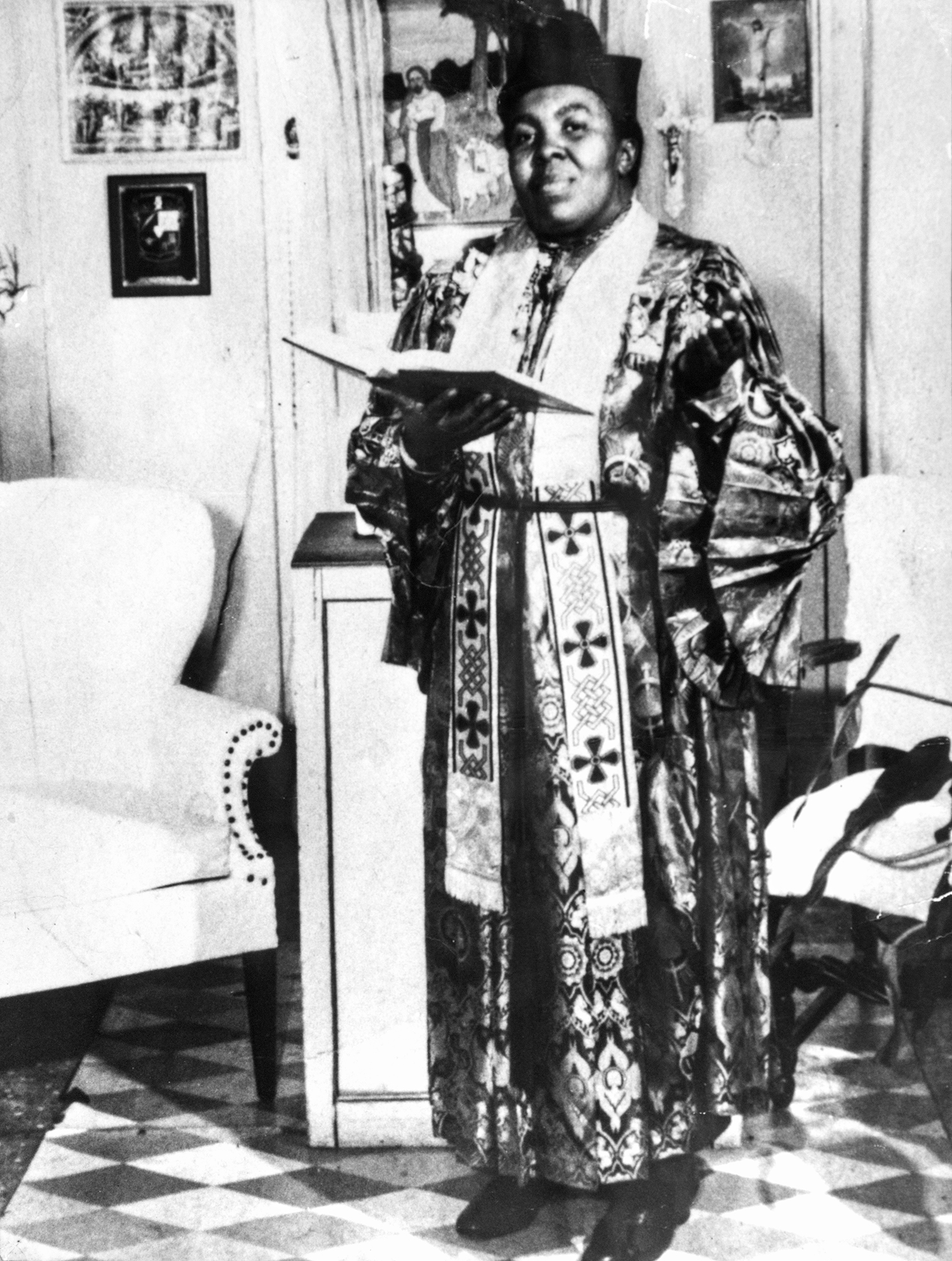
The Reed center opened in 1977 and still operates as an elementary school, a recreation center, and a clinic on the same block where the rock fight happened.
If you stand at 18th and California on a weekday afternoon, you can watch the kids walking home from Reed in one direction and from Adams in the other. The two buildings are still one block apart.
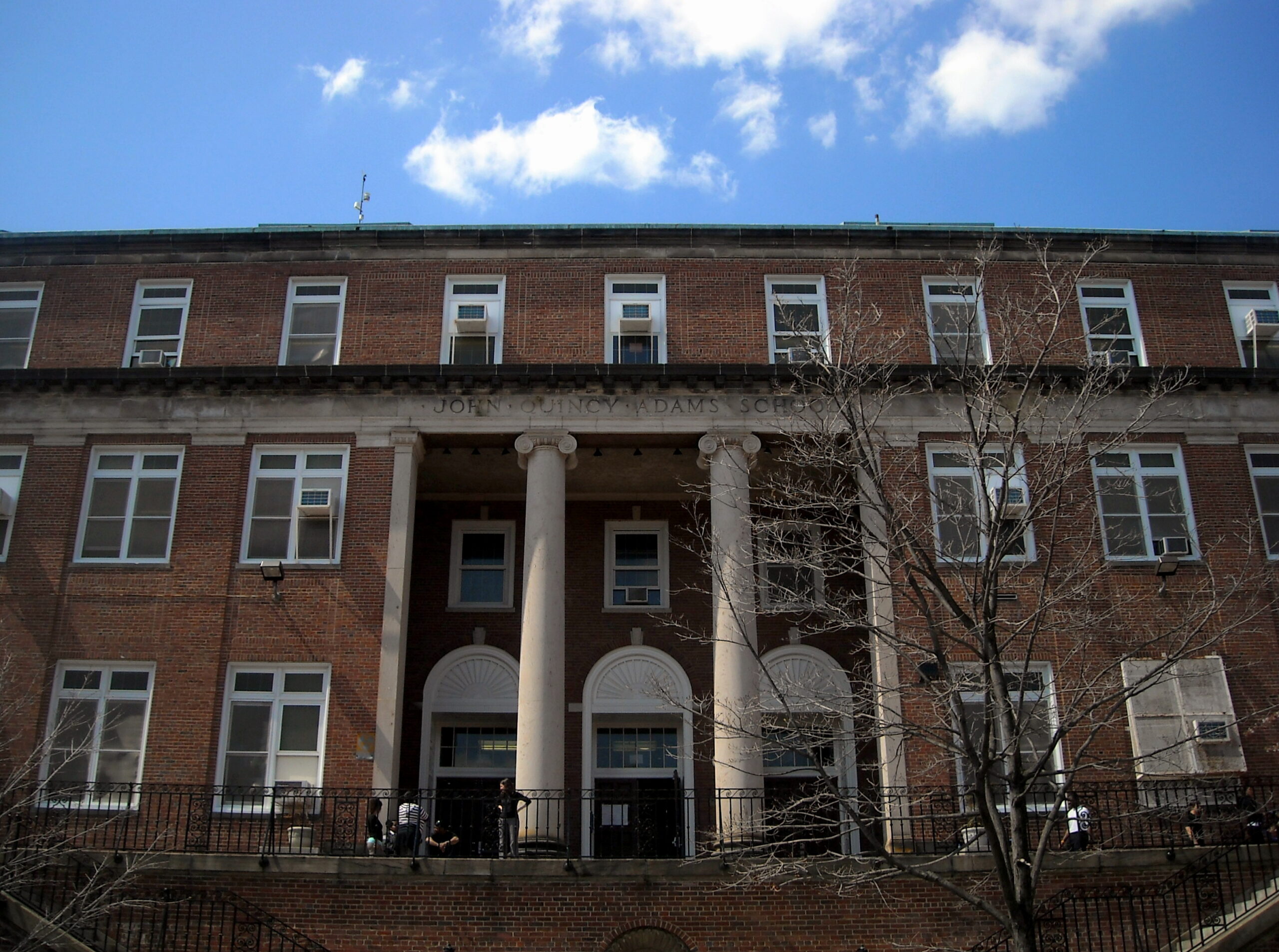
They still hold the names of a sixth president and a Gilded Age police chief who almost certainly never imagined a neighborhood. The schools didn’t merge in 1955. They didn’t even really merge in 1978, or 2001, or 2007.
The neighborhood is what merged. The schools just gave it a name.