
Meridian Mansions: Senators, a Czech Flag, and a Century at 2400 16th Street
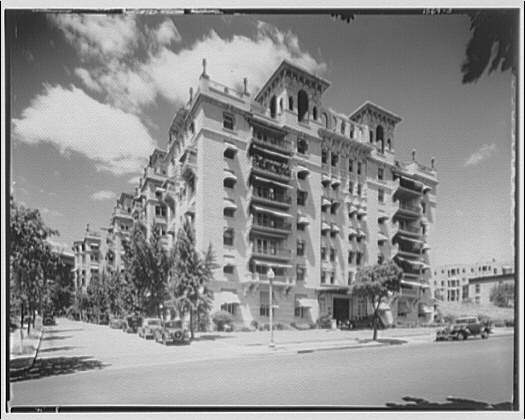
The 1918 apartment hotel at 2400 16th Street NW housed ten senators, hosted embassies, and unfurled the first Czechoslovak flag. Today it is The Envoy.
What happened inside Washington, DC’s buildings. Hotels where deals got cut, rowhouses where scandals played out, embassies that hosted defections and dinners both.
The 1918 apartment hotel at 2400 16th Street NW housed ten senators, hosted embassies, and unfurled the first Czechoslovak flag. Today it is The Envoy.
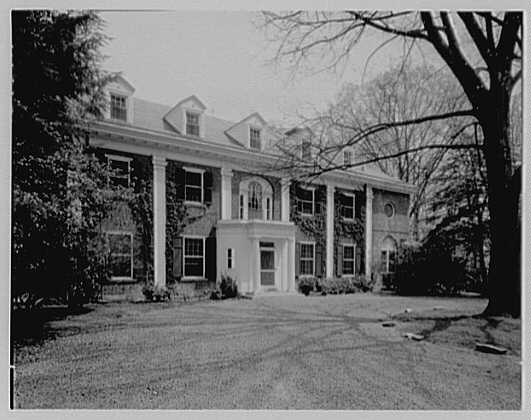
On a 46-acre bluff over the Potomac in McLean, a developer paid $650,000 for Jackie Kennedy’s childhood home and drew up three 17-story apartment towers, and then the Interior Secretary next door started making phone calls.
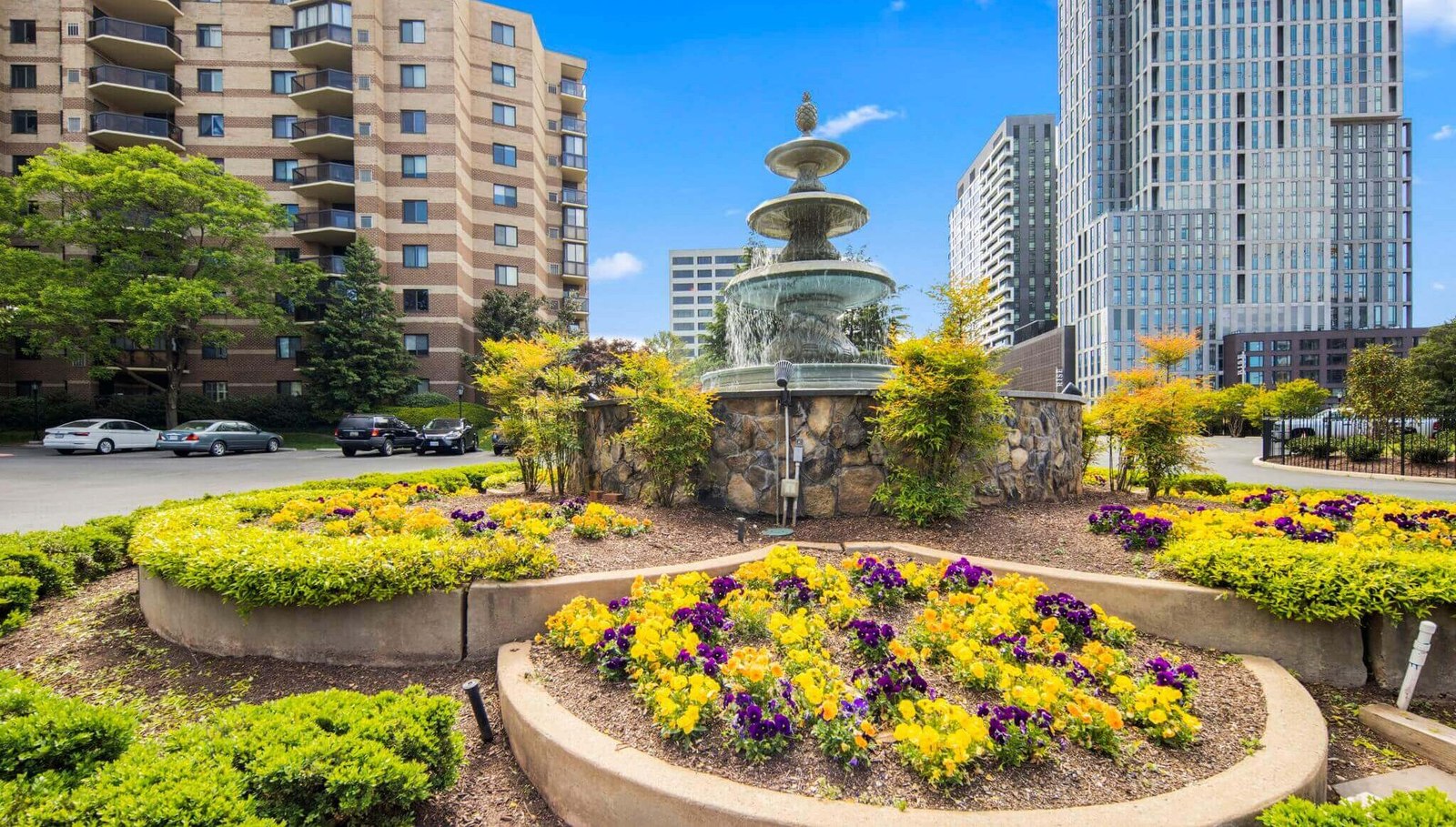
Five circular towers, 1,168 condominiums, and the man who built the Watergate built them too. The story of The Rotonda in McLean.
Shanklin Hall and Columbia Station made 2325 18th Street NW famous for music. A century ago the same Adams Morgan storefront was the home, store, and headquarters of D.G.S. founder William Hornstein.
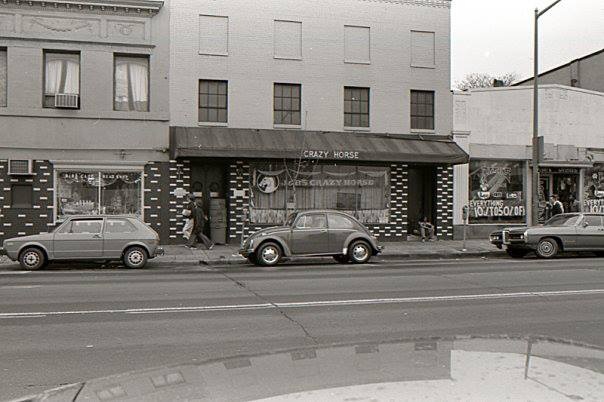
Walk into the Everlane store at 3259 M Street NW today, all blond wood and folded denim, and you are standing in what used to be the rowdiest room in Georgetown. For about a quarter of a century, this three-story building was the Crazy Horse, a beer-and-boogie nightclub the neighborhood spent years trying to shut … Read more
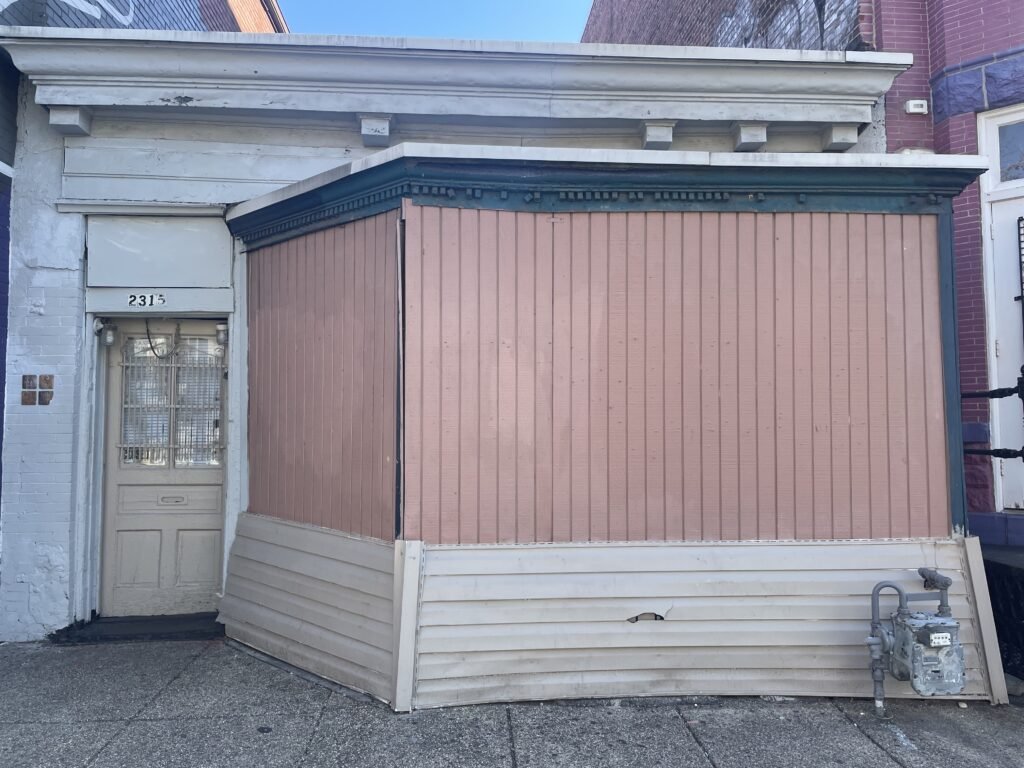
Inside Dan’s Cafe at 2315 18th Street NW: the windowless 1911 building, the immigrant Dan family, and the six decades Clinnie ‘Dickie’ Dickens ran one of D.C.’s oldest dive bars.
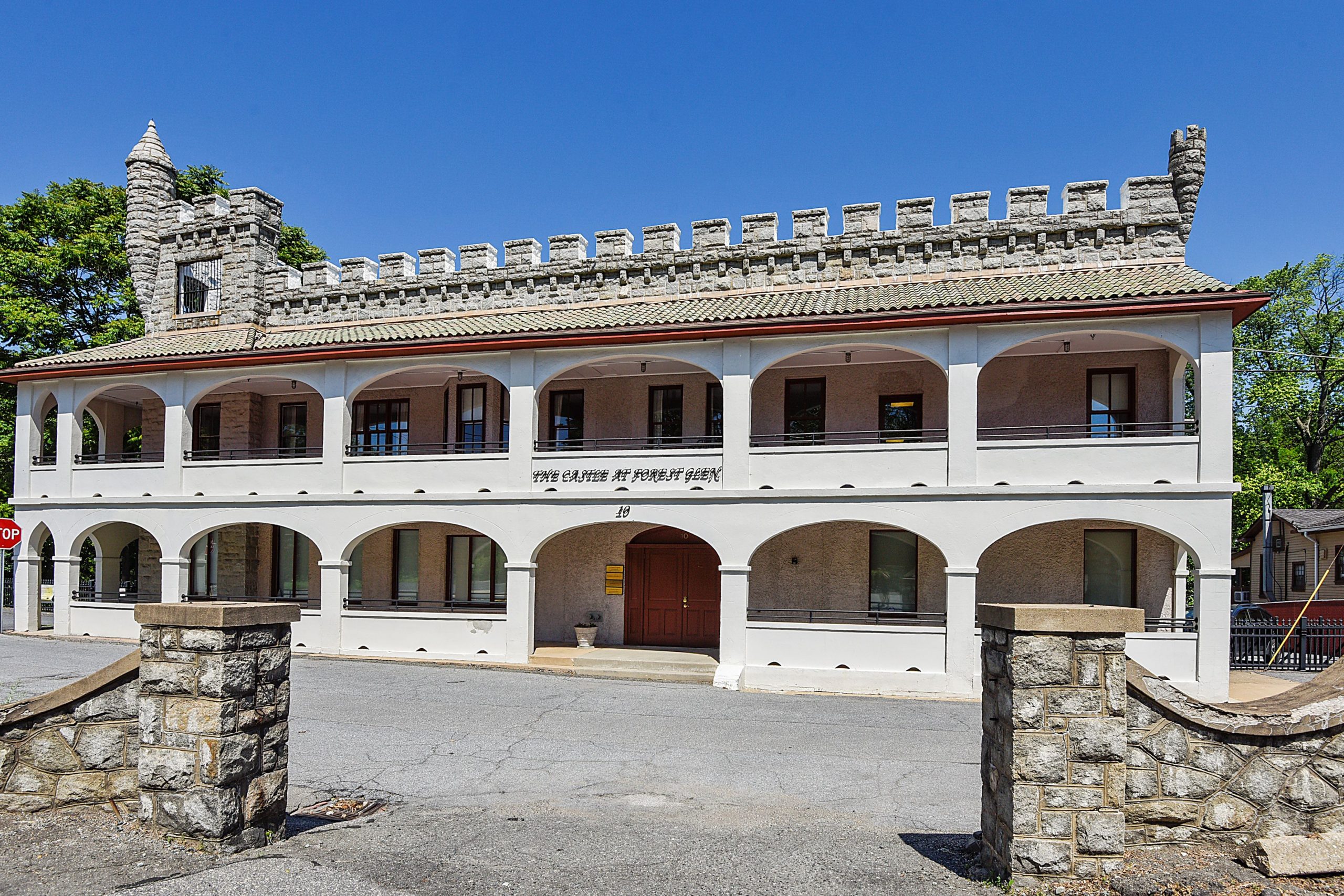
The Castle at 10 Post Office Road in Silver Spring is not a 19th-century folly. It is what a midnight furnace fire on April 24, 1922 left of the Forest Glen Trading Company, plus the granite a Pittsburgh oilman and the Seminary president bolted on top.
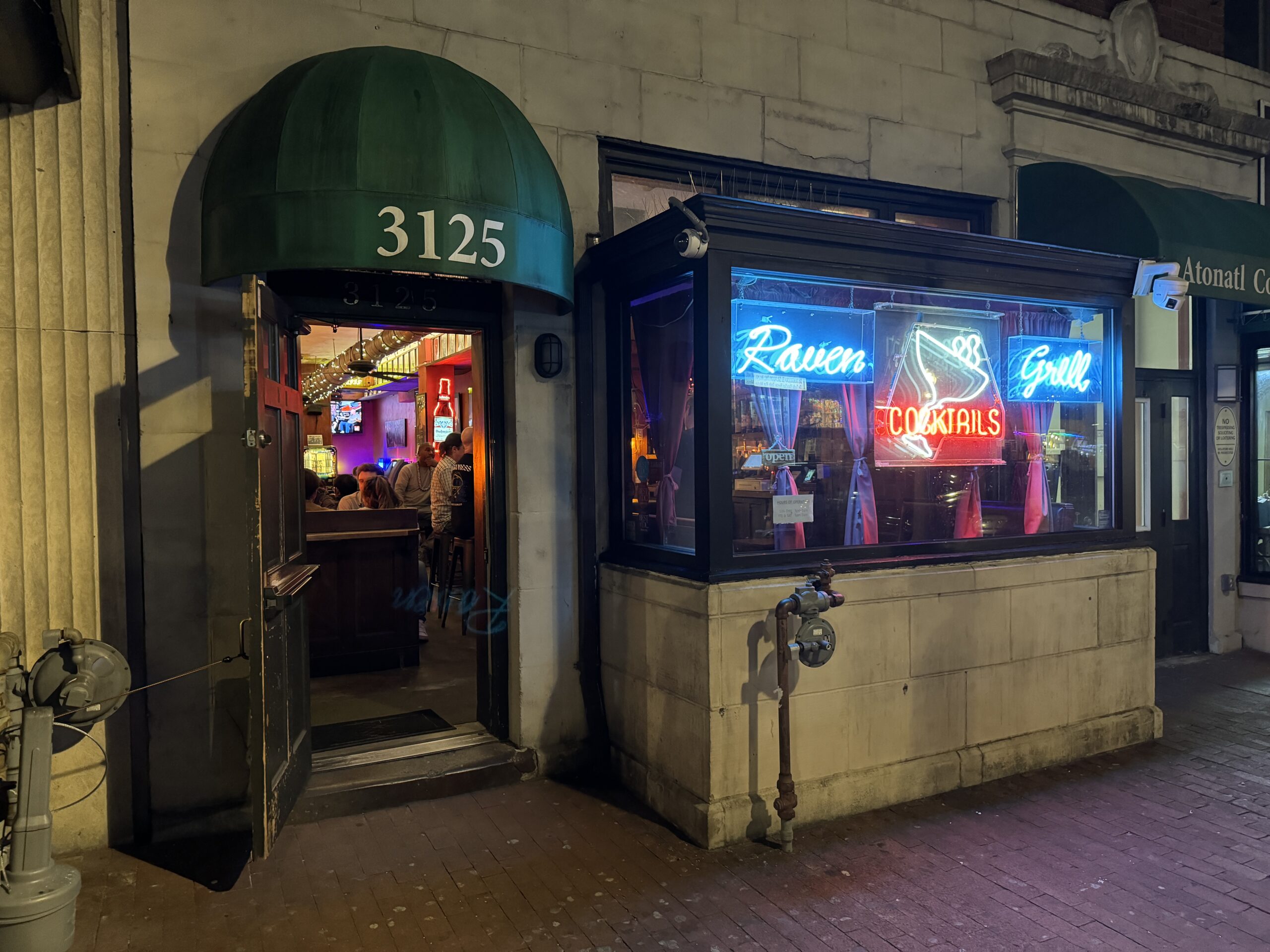
At 3125 Mount Pleasant Street NW, the Raven Grill has been a Washington DC dive bar since 1935. The booths are still the originals.
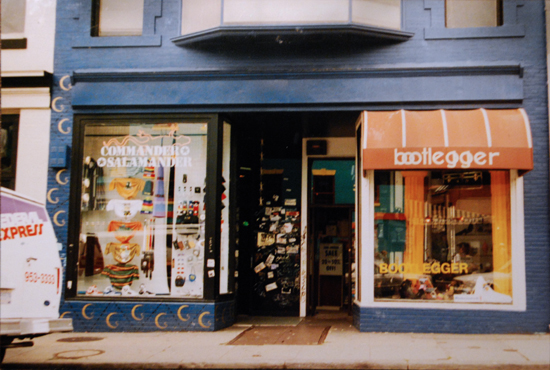
Before Commander Salamander made Georgetown punk, 1420 Wisconsin Avenue was a 1909 store and a quiet antique shop. The wild history of one storefront.