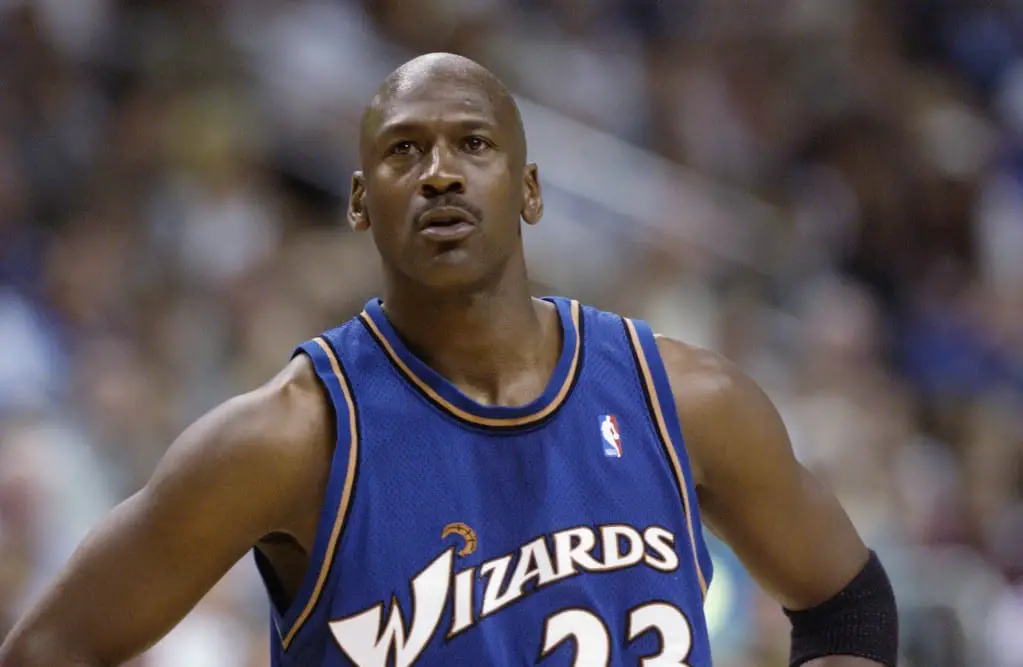
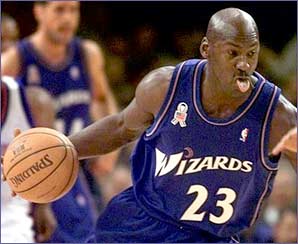
If you were living in D.C. in the fall of 2001, this was a big deal … although, there was a certain undertone of skepticism. Could he still play at the same level, despite being 38?
Michael Jordan gave the team a shot in the arm in 2001, but it still wasn’t enough to make the team good. The Wizards went from sucky to not as sucky, finishing with a record of 37-45, good enough for fifth place. He was a giant attendance booster, bumping the Wizards to third in the NBA.
The following year the team was equally not as sucky, finishing with a record of 37-45 again. And again, they were fifth but had the second highest attendance in the NBA. His Airness was a great draw, but he was well past his prime.
Jordan was canned by Abe Pollin after the season and Michael ended his playing career one last time.
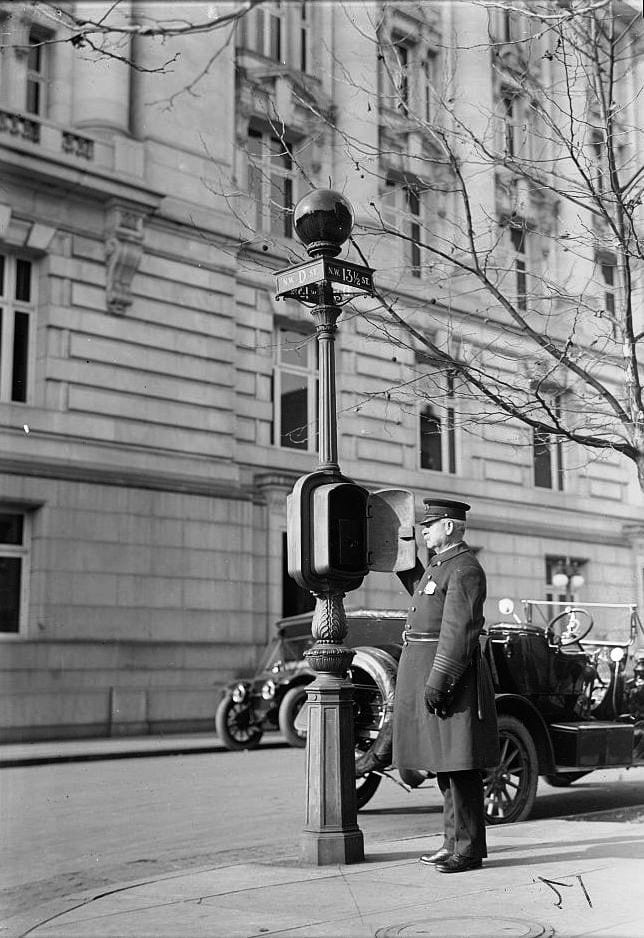
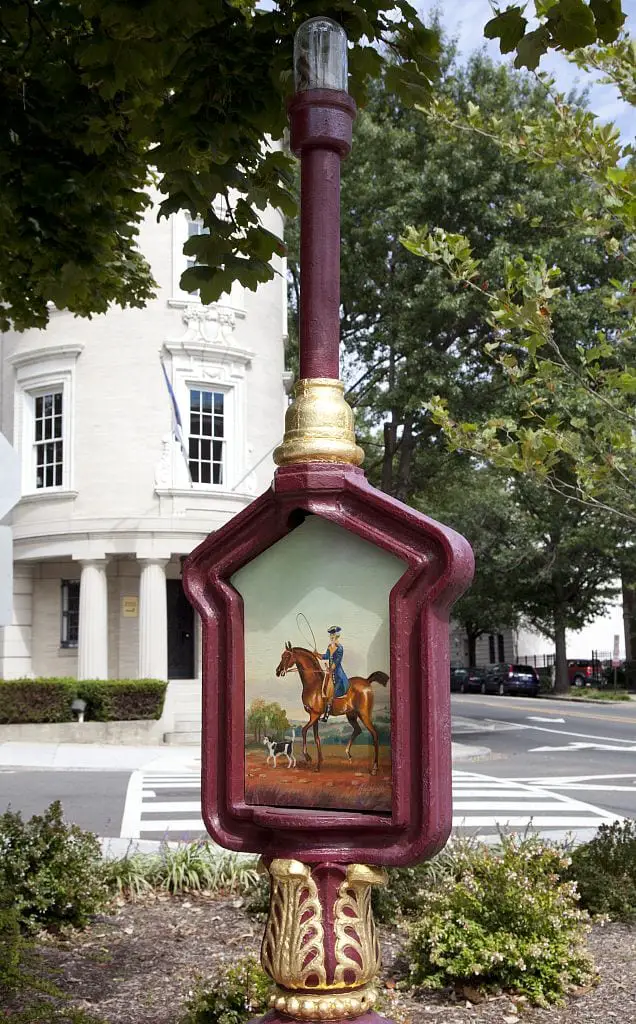
Most of you probably walk right by those old police boxes scattered throughout the city. Some of them have been turned into miniature art exhibits — like the ones in Mt. Pleasant. Check out the video above of Sgt. Nicholas Breul of DCPD gives a brief talk on the history of these police call boxes.
Surely Officer Sprinkle was intimately familiar with these call boxes.
Police call box at 13 1/2 and D St. NW in 1912 (Wikipedia)
Historic police call box. Sheridan Kalorama Call Box Restoration Project. Located on Massachusetts Ave. near intersection with 22nd St., NW
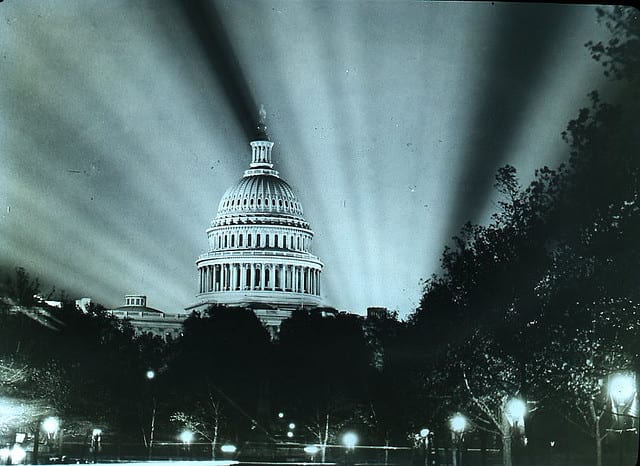
Here’s an excellent photo from the DC Public Library Flickr photostream. This shows the Capitol Building fully lit up following announcement of the end of World War I.
The end of the Great War has lost its luster in place of the end of the Second World War … but it was an equally, if not more celebratory occasion, given that it was the war to end all wars.
Here’s the report from the Baltimore Sun on November 8th, 1918.
Washington, Nov. 7.–Delirious with delight over a cabled report from Europe that germany had signed the Allied armistice terms and hostilities had ceased at 2 o’clock this afternoon, Washington wildly celebrated the announcement until midnight, despite the fact that the War and State Departments absolutely refused to confirm the statement. By the time darkness fell, 200,000 persons blowing horns, waving flags, singing “My Country, Tis of Three” and racing through the streets in automobiles and motortrucks, had turned the city into a bedlam. Never have such scenes of wild and delirious joy gripped the people of the national capital.
The first report of armistice having been signed came shortly after noon, when a local paper put out an extra. This was not convincing. Shortly afterward the St. Angelus siren on the Evans Building, where the SUN Bureau is located, began to toot. It had been announced that this siren would not blow until the official news of the signing of the armistice had been made. Then Washington went crazy with joy.
Tens of thousands of war workers dropped their work over the protest of their chiefs and leaped through the doorways into the streets. They began marching, yelling like mad, singing and waving flags. It was not long before every Government department practically ceased work. More than 100,000 persons jammed the streets, and the wildest celebration Washington has ever seen began.
Appeals from the State Department that the celebration be withheld until official confirmation had been received had no affect on the crowd. Washington believed the armistice had been signed and wanted to celebrate, and it did.
A marching crowd of several thousand men, women and children, led by a sailor, a soldier and a marine, each carrying an American flag, appeared in front of the White house. Led by the sailor, the crowd began singing “My Country Tis of Three.” Between 4,000 and 5,000 persons watching the demonstration uncovered their heads and joined in the anthem. Yells were made for President Wilson, and he appeared on the White House portico and waved his hand at the crowd. Then a mighty shout shook the heavens. The crowd accepted the President’s appearance as official confirmation of the signing of the armistice, and the enthusiasm knew no bounds.
In the meantime a hastily-cabled inquiry by Secretary of State Lansing concerning the report brought an answer that the report was untrue. The crowd did not know it and would not have believed it had they been told, so intoxicated with joy were they.
Capitol Building after World War I Armistace Day (DC Public Library Commons)
Most of us have never experienced anything like this — frankly, hopefully we never will — but I’m sure you can imagine the unbelievable collective emotional relief and celebration that resulted.
Take a look at the video above. It shows Wilson leaving the White House to the Capitol Building and the unbelievably large crowds gathered in the streets.
After the President had appeared before the crowd there was no possibility of restoring the equilibrium of Washington. War workers had organized parades by the score. Heavy army trucks were rumbling up and down Pennsylvania avenue, loaded with thousands of school children, each waving a flag and yelling to the limits of their lung power. The war workers who did not leave their building crowded to the windows waiving flags and sang. Others gave three cheers for Pershing.
Crippled soldiers from Walter Reed Hospital, invalid from the battle fields of France, rode down the avenue in automobiles and waved their crutches at the thousands of cheering spectators on the sidewalks. Soldiers, sailors and civilians, arm in arm, paraded, beat drums, blew horns, beat tin pans or made some other kind of noise.
Meanwhile, a half dozen army aviators in biplanes and naval aviators in hydroplanes flew over the crowds, some of them diving to almost the house tops along Pennsylvania avenue and giving the throngs in the street one thrill after another.
All these activities were construed by the populace as confirmation of the hoped-for news. An enormous crowd of employes of the Treasury Department sent a delegation to the Secretary of War Baker to request him to make a speech. He sent back word that the Government had received no confirmation of the report, and that it obviously was untrue. This did not dampen the spirits of the crowd perceptibly.
Wow. I can only think of two other occasions that were close to this level of celebration. The first being the Civil War and the second of course, World War II.
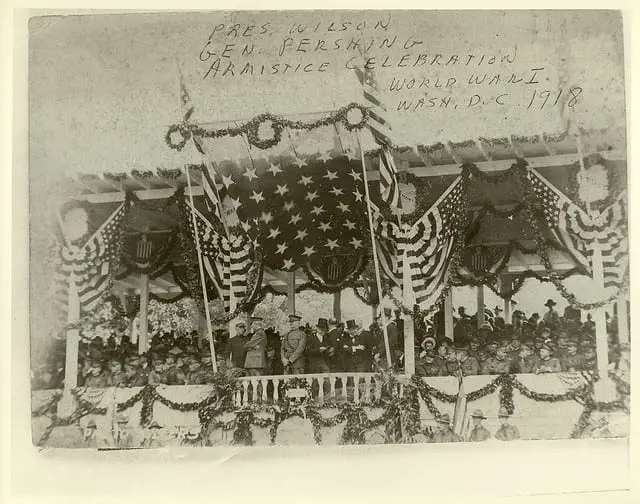
President Wilson and General Pershing celebrating Armistice Day
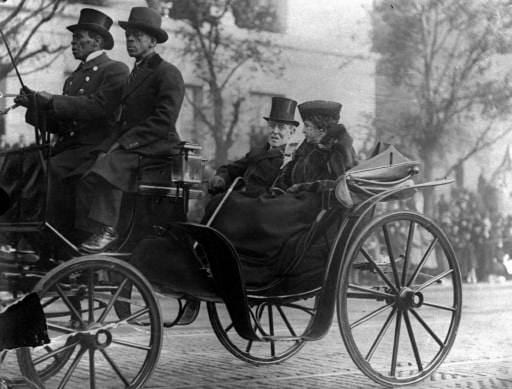
President and Mrs. Wilson in carriage for Armistice Day parade (1918)
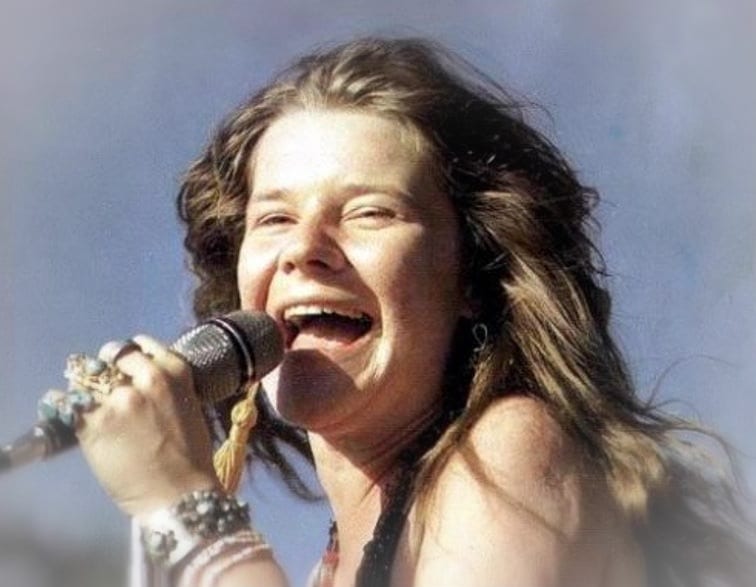
After The Dead and The Police, I’m on a little bit of a concert kick and this one is pretty sweet. Janis Joplin played Merriweather back in 1969, three weeks before the defining moment of the decade: Woodstock. That’s pretty cool.
The Washington Post wrote a review and the guy that wrote it was Carl Bernstein … yep, as in Woodward and Bernstein of the Watergate scandal. Before he helped take down a sitting president, he wrote this review of Joplin’s concert at Merriweather.
Janis Joplin has gotten it all back together again.
The 26-year-old dynamo from Port Arthur, Tex., came to the Merriweather Post Pavilion with her new band last night, and from the first note, it was a love affair between her and a wild audience of more than 5000.
After four songs, virtually the entire audience was on its feet. The overflow crowd on the grass surged into amphitheater, people danced in the aisles and on their seats, gave thumbs-up and peace signs and hollered ecstatically as Joplin’s seemingly steam-powered voice cooed, moaned and screamed.
The adulation was understandable.
Janis has finally assembled a group of first-rate musicians with whom she is totally at ease and whose abilities complement the incredible range of her voice.
Janis’s range last night (she will appear at the Post Pavilion again tonight) was even greater than on her two albums and slipped easily from almost contralto register to soprano
Most important, her music made you enjoy yourself producing much the same reaction that the Beatles did on their concert tours of years past. Simply, an evening with Janis Joplin is a party and a romp.
The crowd’s reaction to her voice and body, as she screamed and stomped through her songs, eventually caused police and the Pavalion [sic[] management to take to the stage to halt the show for a few moments as dozens of youths jumped onto the stage. At one point, a policeman swung a billyclub at several of those climbing on the stage apron, resulting in a request from Miss Joplin that the officer restrain himself.
Miss Joplin demonstrated much new material, perhaps the best of which is a jump-blues that will be the title song of her new album “Cosmic Blues.” The song features exquisite organ work by Richard Kermode and is an ideal vehicle for all the elements of Janis’ voice–love, pain, anger and freedom.
Other new songs included a remake of The Chantels’ “Maybe” and an almost country-sounding “Try a Little iBt [sic] Harder,” which gave the band two–saxes, trumped, strong lead guitar by John Till, bass, drums and organ–room to jam easily.
Janis with her new sidemen, give to “Piece of My Heart,” “Ball and Chain,” “Summertime,” and the other old songs, a musicality that was missing in the Big Brother days.
Perhaps Miss Joplin’s new revue will put an end to the inevitable and unfair comparisons drawn between her, Big Mama Thornton, and other great female blues singers. The comparisons are superfluous exercise. She is Janis Joplin and that is enough.
That’s pretty cool. Music was just better back then … also, only 5,000 people at Merriweather? That seems tiny.
Janis Joplin (Wikipedia)
Three weeks later, Janis is in upstate New York performing at Woodstock. Really cool.
Video of Janis Joplin performing “Piece of My Heart”
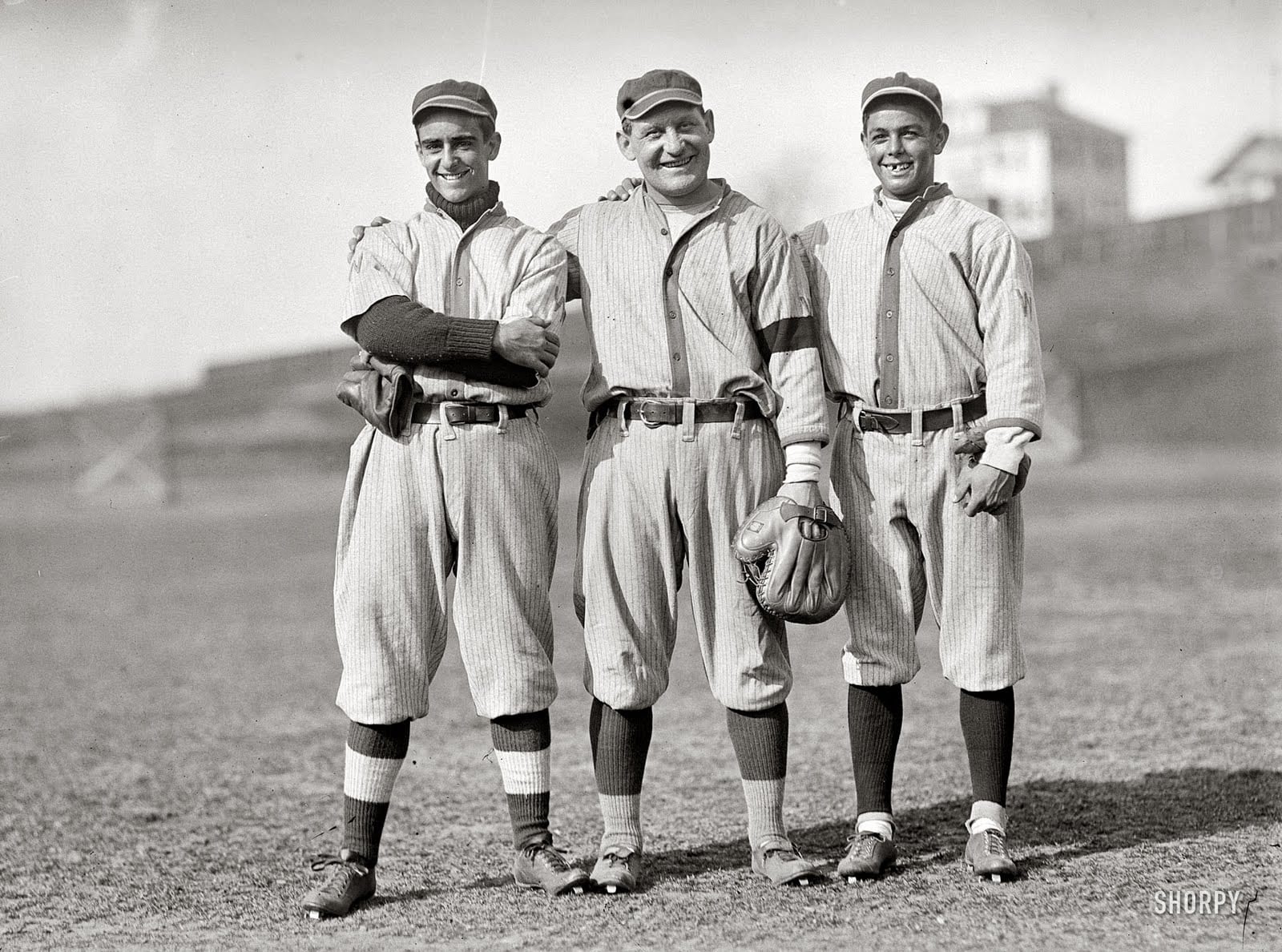
Celebrate baseball in Washington with this archival video featuring footage and photos from the early years of the Washington Senators. Get out and support our hometown team!
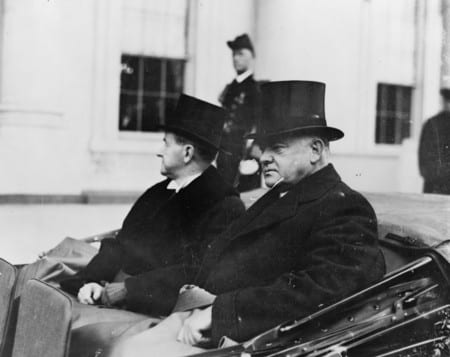
This is an excellent silent film from 1929. It begins with outgoing president Calvin Coolidge and Hoover entering a vehicle and being taken to the Capitol Building down Pennsylvania Avenue.
The members of the Supreme Court are seen — including former president and then Chief Justice William Howard Taft — on the inauguration platform. Both Coolidge and Hoover are present and then the scene closes with the latter giving his inauguration speech.
The parade is grand and festive as Washington celebrates the incoming president. Hoover reviews the parade from the grandstand on Pennsylvania Ave, just north of the White House. The film closes with Calvin and Grace Coolidge waving goodbye from the back of a train.
I suspect you’re checking out the blog this morning thinking, hmm … something looks different. Well, I spent the bulk of my posting time this past weekend cleaning up the new design of the site. The posts might be a little thinner this week as a result, but I think the new look is better. I hope you agree. Also, it’s much better suited to video posts, so I’ll be adding a bunch of those this week.
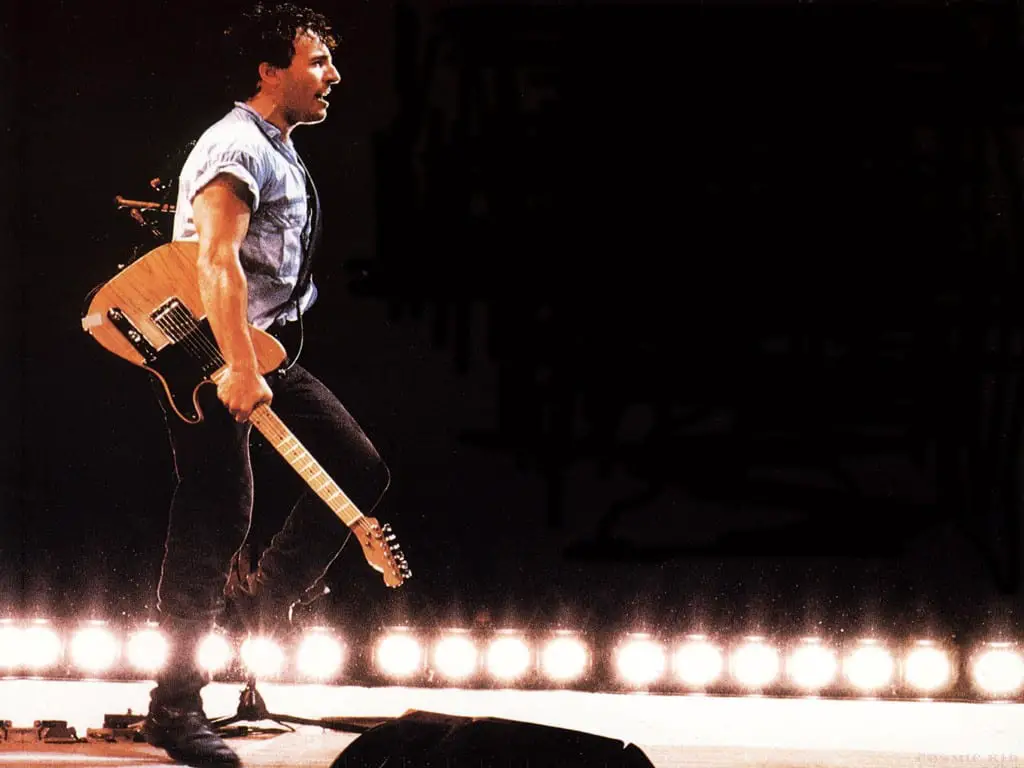
Did you go to Springsteen last night at the Verizon Center? Or maybe you’re going tomorrow. If you are, I’m jealous.
Well, more than three decades ago, The Boss rocked out to about 15,000 crazy fans at the old Capital Centre in Landover, MD. That place had some seriously great concerts and I’m sure a bunch of of GoDCers have fond memories of the place. I remember seeing my first Phish show back there, way back in the day — sadly, this was almost 20 years ago.
Get psyched listening to Springsteen sing Hungry Heart and if you’re going to the shows this week, have a great time!
It’s Sunday and you’re probably catching up on last week’s GoDC posts. Here’s a really quick one for you, and you’ll enjoy this if you’re a soccer fan.
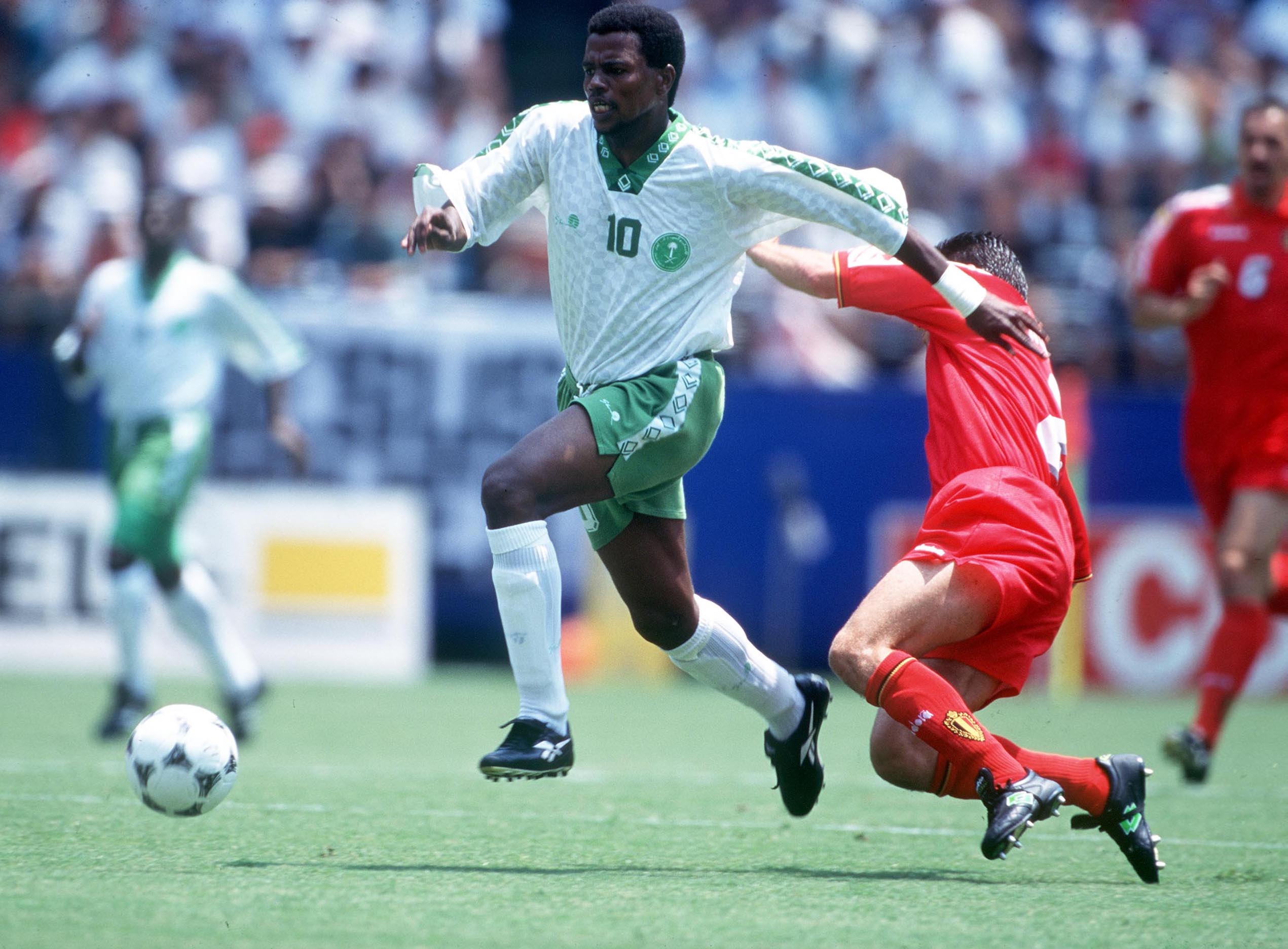
If you’re a casual fan, you may not remember that in 1994 the U.S. hosted the World Cup, and some of the games were held ar our own RFK Stadium. Below is a video of one of the greatest goals in World Cup history. Saeed Al-Owairan sprints across the length of the field to score an unforgettable goal, helping the Saudi team advance to the second round for the first time ever.
Happy Sunday. Unfortunately for you, tomorrow is Monday.
The oldest surviving color videotape recording in the world was made on May 22nd, 1958. You can watch it right now. It starts in black and white, the way all television looked back then. Then, about fourteen minutes in, a man named Robert Sarnoff pushes a big button, an engineer throws the color burst switch, and the world goes color.
The occasion was the dedication of NBC’s brand new $4,000,000 television-radio center on Nebraska Avenue NW in Tenleytown. NBC had designed and built the facility, as they put it, “from the ground up for color television.” This wasn’t a retrofit. It was a purpose-built monument to a technology still in its infancy.
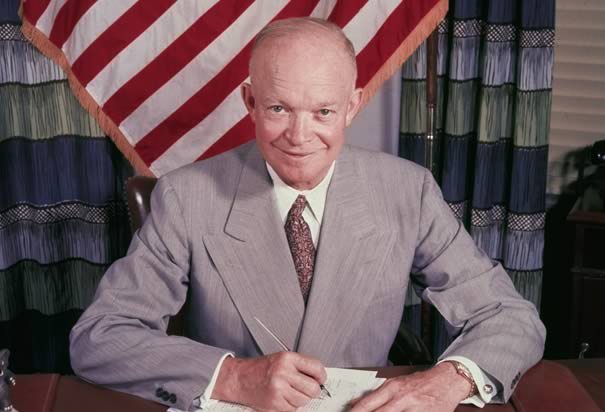
Eisenhower was the obvious choice to cut the ribbon. He arrived at the Nebraska Avenue studios to a crowd that included members of the Supreme Court, members of Congress, and other senior Government officials. Before he spoke, he toured the engineering facilities. What he saw apparently left an impression.
In his remarks, reported in the New York Times on May 23rd, 1958, Eisenhower said the technical facilities were “like nothing else so much as the radar room of a big battleship — entirely beyond my comprehension, but capable of exciting my imagination.”
He told the audience it was important “in these fast-moving times” that Government decisions and world events be passed to every citizen “by the very fastest kind of communications.” The ceremony, the Times noted, was televised in color nationally by NBC.
The man narrating the opening was David Brinkley, then NBC’s Washington anchor and already one of the most recognizable voices in American broadcasting. He walked viewers through Studio A while Eisenhower toured the engineering rooms with the Sarnoffs.
Both Sarnoffs were there. David Sarnoff was the founder and chairman of RCA, the parent company of NBC. His son Robert was president of NBC. It was Robert who threw the switch, hitting the button that signaled an engineer to flip the color burst switch on the RCA TK-40 studio color camera, converting the black and white picture to living color.
The studio had been using a combination of RCA Image Orthicon black and white cameras and RCA color cameras running in monochrome for the arrival and early ceremonies. When the speeches began, the color cameras took over fully.
Here is something that surprises people: the tape was not recorded in Washington at all. The live broadcast originated from the Nebraska Avenue studios, but the actual recording was made 3,000 miles away at NBC’s Videotape Central in Burbank, California.
The recording format was known as “RCA Labs Color,” a heterodyne color method developed by RCA’s research laboratories. It was a specific technical standard distinct from the Low Band Color format that SMPTE would later establish as the industry norm.
Two copies of the program were made. Robert Sarnoff mentioned during the broadcast itself that one was being presented to President Eisenhower. The other ended up in the holdings of the Library of Congress. Or so everyone thought.
Fast forward thirty years. In 1988, color television historian and engineer Ed Reitan and his collaborator Don Kent were working to restore another early NBC color tape, “An Evening with Fred Astaire,” at KTLA in Los Angeles. They needed a working 2-inch Quadruplex machine capable of playing back RCA Labs Color, which required significant technical modification. Reitan redesigned roughly ten circuit boards in an Ampex AVR-1 to recover the old format.
While that restoration was underway, UCLA film and television archivist Dan Einstein brought in the WRC-TV dedication tape from the Library of Congress. It wasn’t in good shape. “We actually DID run the original tapes back and forth to set the machine,” Kent later recalled. “Their dropouts were sometimes so bad that we weren’t really concerned about damaging them any further.”
During playback, they caught something. On camera, Sarnoff had mentioned that a copy was being sent to President Eisenhower. Einstein started digging. He found the second copy at the Eisenhower Presidential Library in Abilene, Kansas. The staff there didn’t even know what it was.
“I broke the original hold-down tape on the reel which had been put there in 1958!” Kent said.
There were still technical problems. About two-thirds through the program, the audio line failed during David Sarnoff’s speech. NBC switched to a backup telco line, but the audio quality degraded noticeably. Kent ran it through an equalizer and did what he could. A video dropout later in the tape couldn’t be repaired at all; frames were simply missing.
For their work restoring the Fred Astaire tapes in that same session, Einstein, Kent, and Reitan received an Emmy Award in 1989 for Outstanding Achievement in Engineering Development.
Ed Reitan passed away on January 6th, 2015.
The Cold War context is worth holding in mind. Eisenhower’s remarks about “almost instantaneous reaction” and “fast communications” weren’t just ceremony. In May 1958, the Soviet Union had launched Sputnik just seven months earlier. The Space Race was on. The idea that a government could speak directly to its citizens, in color, in real time, from a facility designed and built for exactly that purpose. That carried weight in a way that’s easy to underestimate today.
NBC’s Nebraska Avenue complex remained the home of the network’s Washington bureau for more than sixty years, until 2020. The building is still there. The station is still there, as NBC4 Washington.
Check out the video below. Skip to about 1:23 for the moment the color comes on.