
Petworth from the Air: A Bird’s Eye View from the 1930s
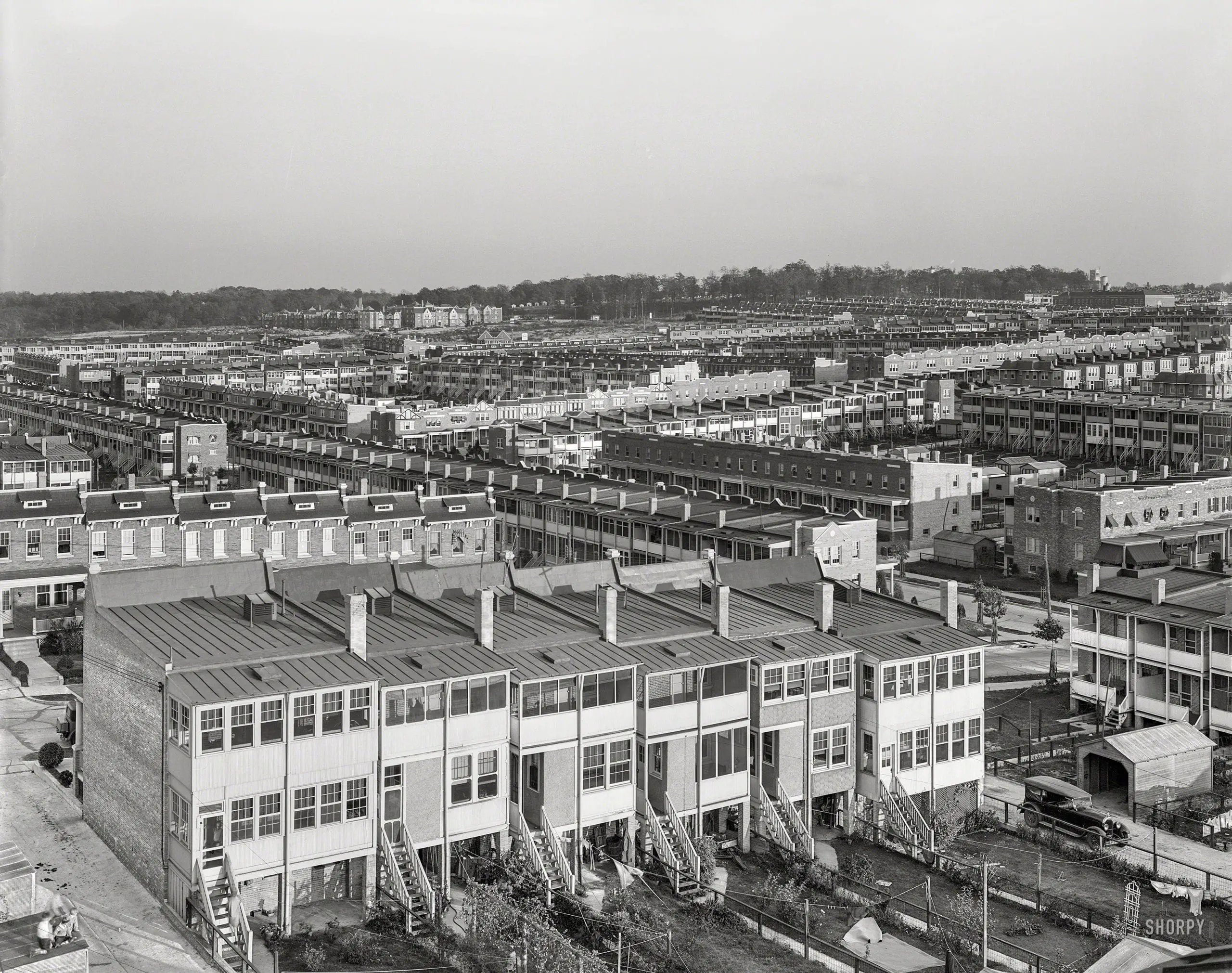
An aerial photograph from the 1930s shows Petworth laid out in its grid of rowhouses, one of DC’s most intact early 20th-century neighborhoods.
Petworth is one of DC’s great streetcar neighborhoods, developed in the early 20th century along the Georgia Avenue line. Originally named for a large estate owned by John Tayloe, it filled in with modest rowhouses and became home to generations of Black Washingtonians as the city’s demographics shifted across the 20th century. These posts trace Petworth’s long history.
An aerial photograph from the 1930s shows Petworth laid out in its grid of rowhouses, one of DC’s most intact early 20th-century neighborhoods.

Take a look at Petworth’s development in the early 20th century with these ads from The Evening Star in 1926. See how the homes look today in Google Street View!
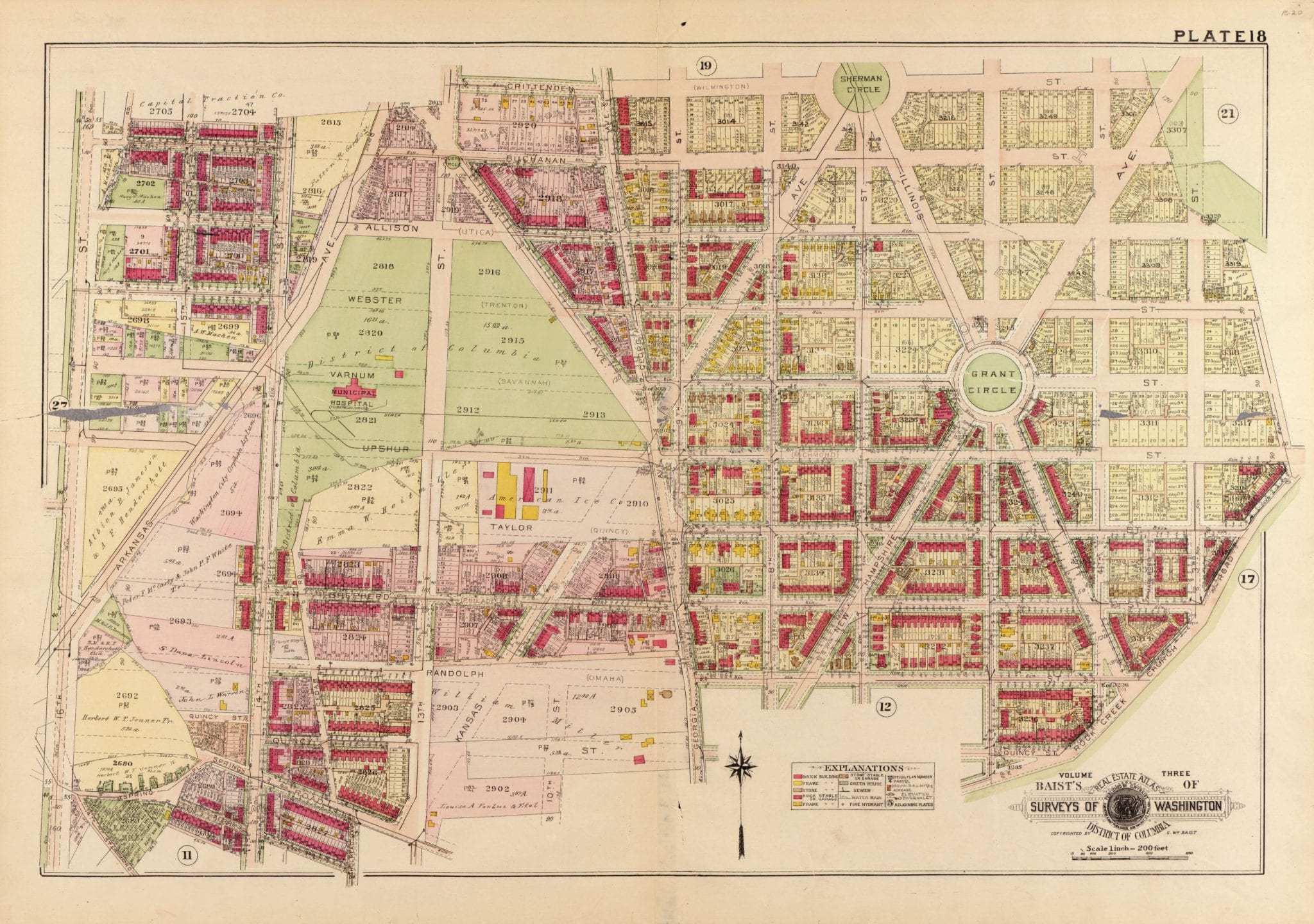
Take a look back in time! We’ll explore the development of Petworth and its surrounding areas over the decades through a series of maps. See how this DC neighborhood changed from 1903 to 1919.
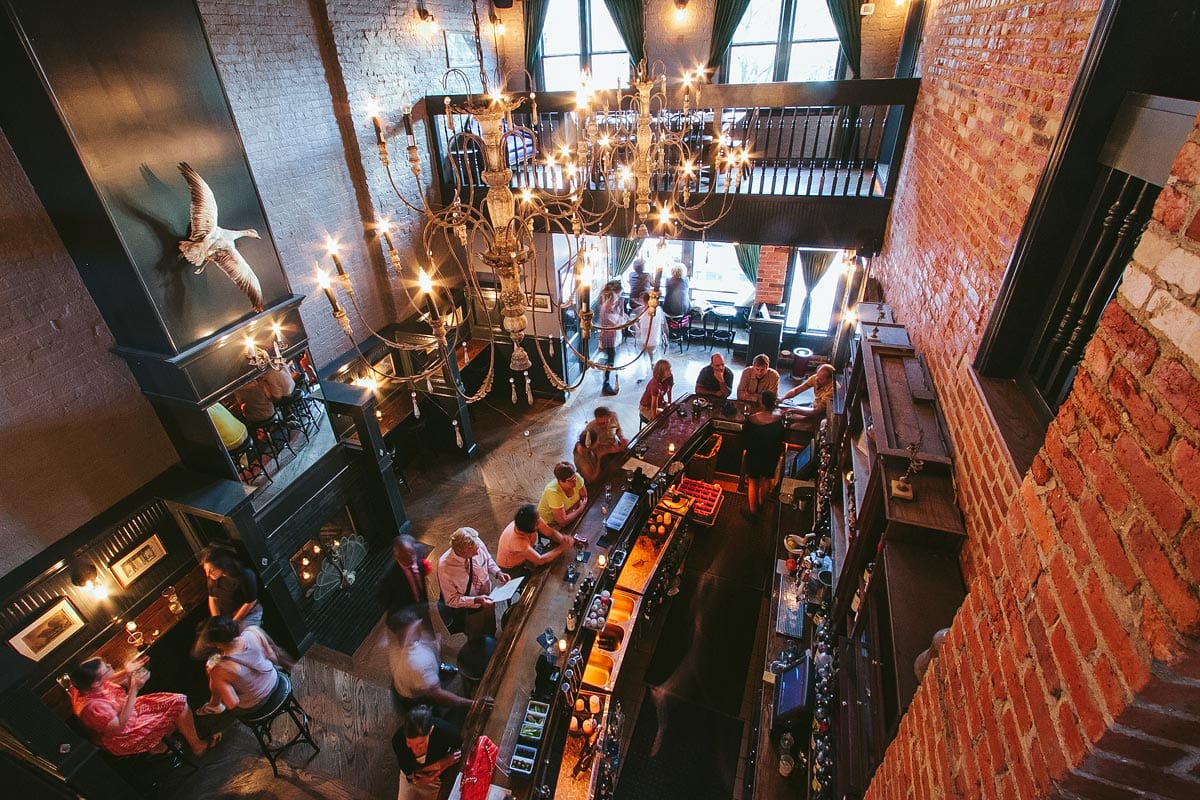
3815 Georgia Avenue NW has been a restaurant since 1929. In the 1960s it was Billy Simpson’s, Washington’s Black political forum.
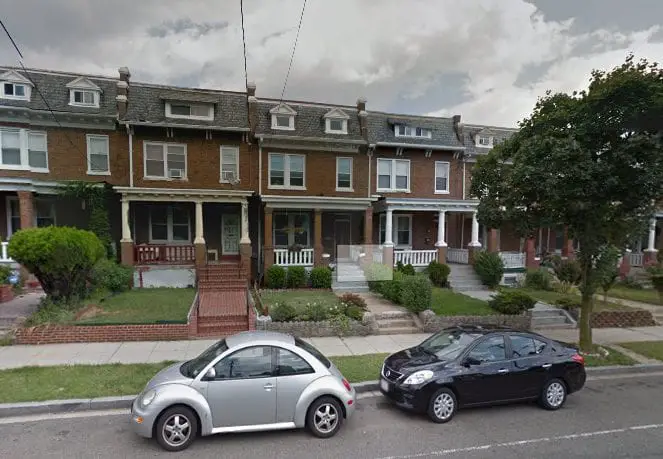
On May 26th, 1969, an argument over a dog ended in tragedy with the fatal shooting of William Fields Jr. in 13th Street NW Washington, DC. On the same day, Apollo 10 returned to Earth after NASA’s final test runs for the mission to the moon.
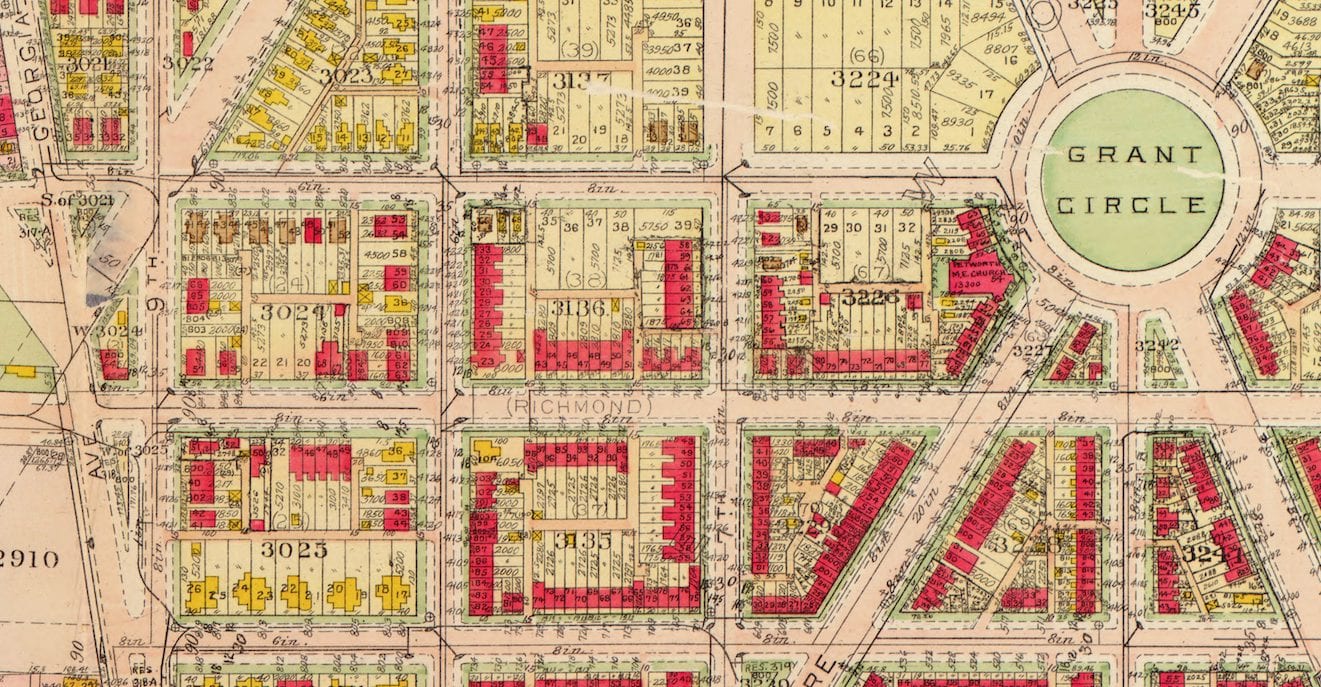
Take a look at this 1921 map of Petworth and recognize any of the places. Click on it for a detailed version and learn why it’s called Petworth!
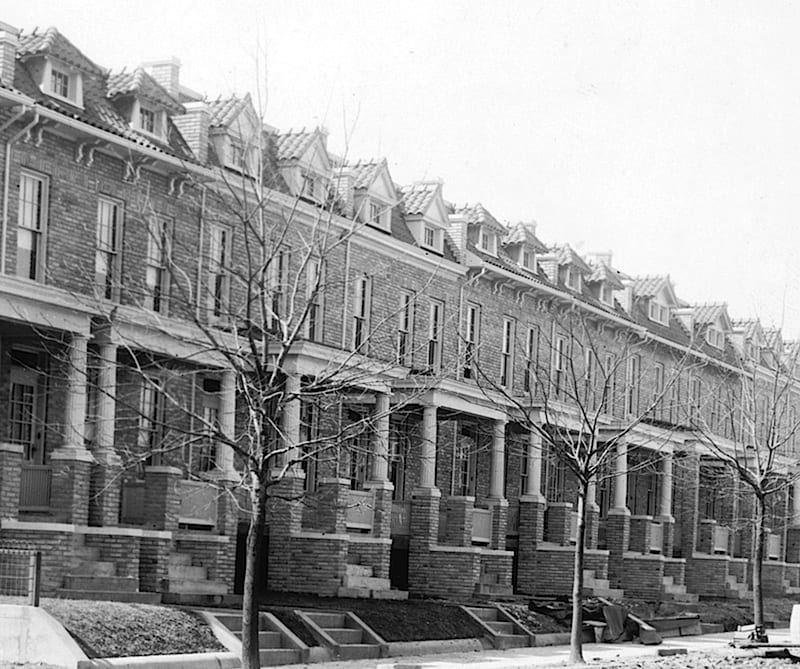
Take a look at this cool spot on Google Street View and then check out what it looked like back in the early 1920s. See the photos and explore the history of this place!
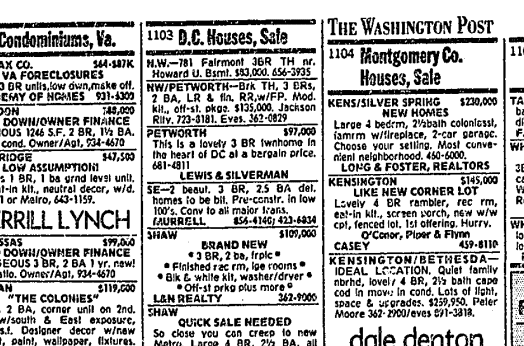
Take a look back in time to an old classified advertisement from The Washington Post from exactly 25 years ago. See what homes were available and the interest rates that were charged in 1988.
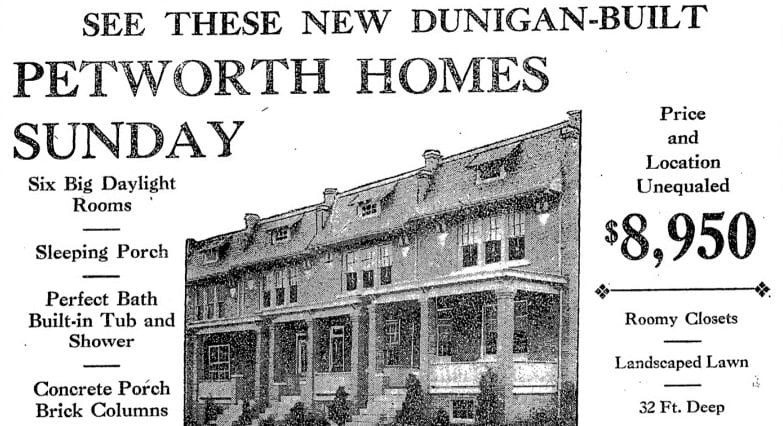
Did you know you could have bought a home in Petworth, Washington DC for $8,950 in 1927? Read this blog post to find out more about this historical advertisement from The Washington Post.