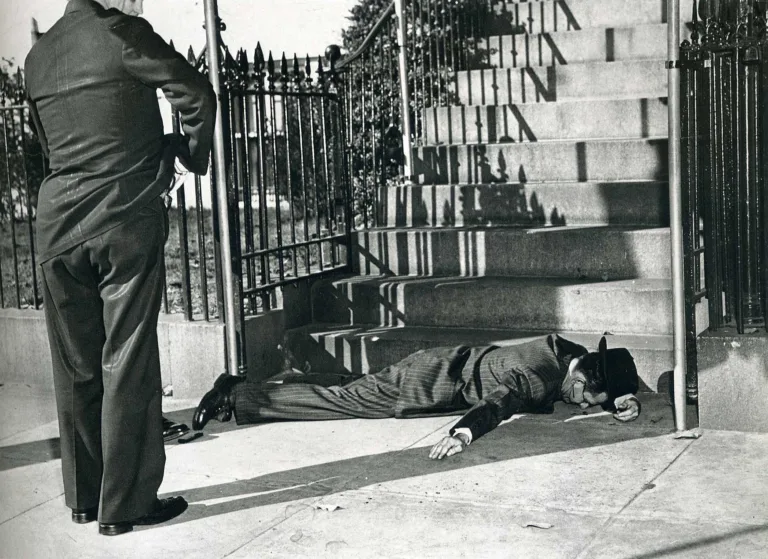


Some of the evidence against former White House policeman Jeffries Henry had to be put back together with Scotch tape.
Henry was on trial for killing his estranged wife, Lola Jane Henry. Lola’s sister Louise Davidson testified that she had recovered torn letters from a wastebasket in Louise’s apartment. The prosecution said Henry had written the threats to Lola shortly before her death, and that the fragments had been assembled and pasted together.
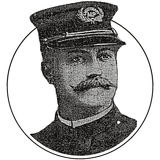
The White House connection caught my attention when I first wrote about this case.
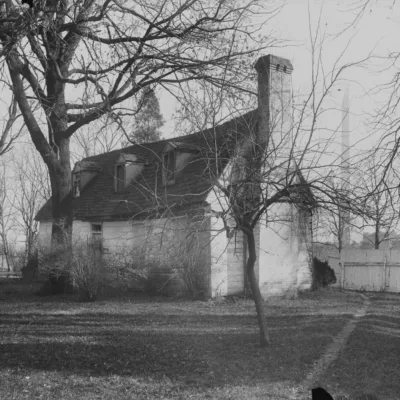
The Washington Post listed Henry’s address as 3473 Holmead Place NW when it reported his indictment.
The restaurant on 13th Street
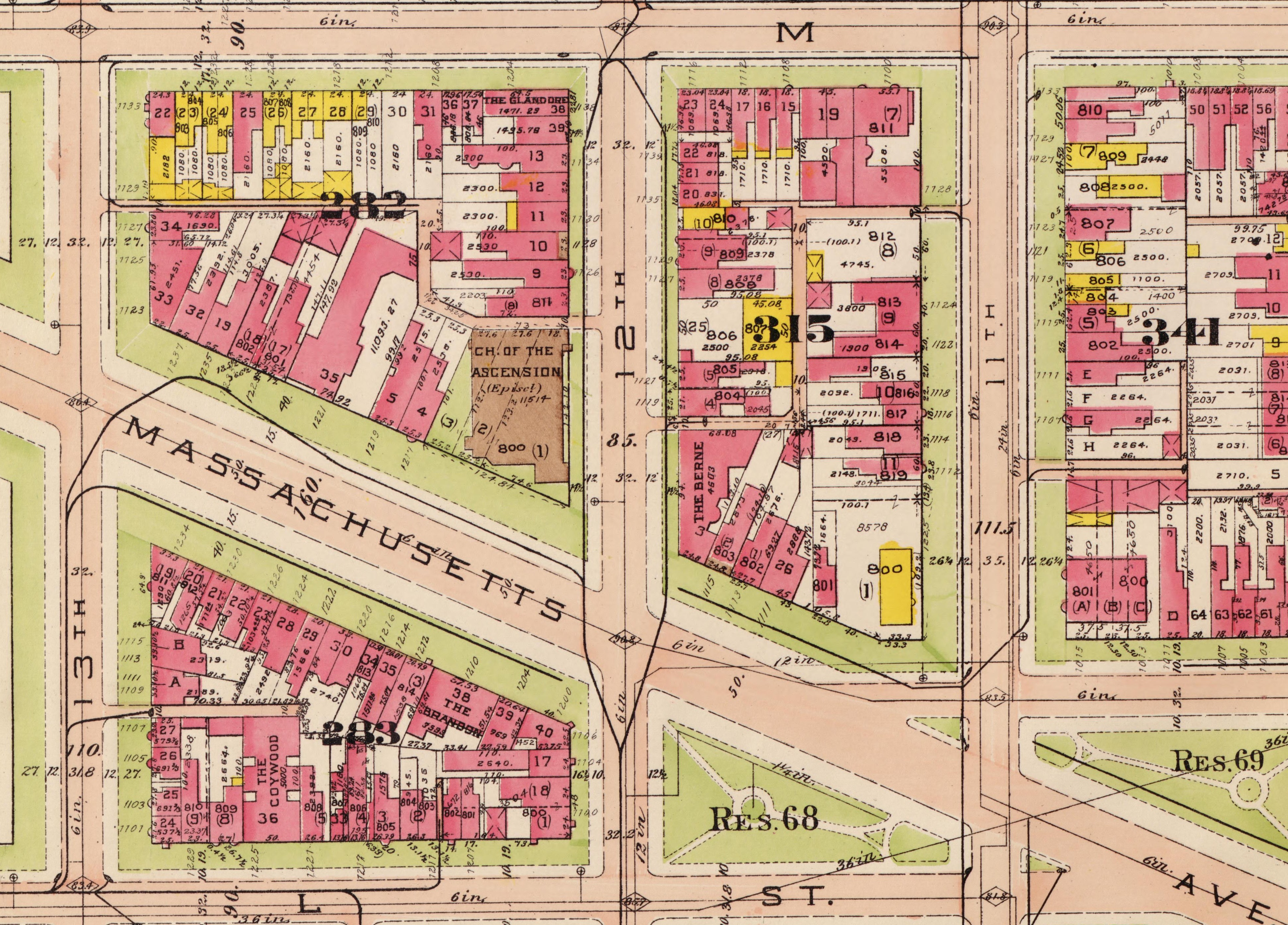
Henry killed his estranged wife on April 27, 1943, in a drugstore restaurant at 1109 13th Street NW. The Star and Daily News trial reports give April 27 as the date of the killing; a later Post sentencing account gives April 29 instead.
The address is on the east side of 13th, just south of Massachusetts Avenue, where it appears on the 1919 Baist real estate atlas.
Look closely at the map and you can find the printed number 1109.
Why Lola came back to Washington
Lola’s brother-in-law, Baker Lyerly, told the jury that she left New Orleans on April 24 to attend another sister’s funeral in Washington. Henry arrived at Baker’s New Orleans apartment after she had gone.
Baker told the jury that Henry threatened to shoot Lola when he next saw her. Nancy, another of Lola’s sisters, testified that she ordered Henry out and went to a neighbor’s apartment until he left.
Lola was staying with Louise in Washington at the time of the shooting. The first detective to reach the lunchroom later told the jury that Henry admitted what he had done: “I shot her.”
Virginia, Lola, Angie and Ruby
The marriage testimony needs a little sorting out. Trial reports identified Virginia as Henry’s divorced first wife and Lola as his second. They described two later marriage ceremonies while he was still married to Lola.
The Evening Star reported that Virginia was the mother of four of Henry’s children. She testified that they had lived together for 12 years before she divorced him.
Then there was Angie, whom the Washington Daily News identified as being from Arlington. She testified that she married Henry on April 7 and that he deserted her eight days later. The paper reported that court records showed he was still married to Lola at the time.
Ruby D. Bittman appeared as a surprise witness for the defense, and the Star described her as Henry’s fourth wife. She testified that she had not known he was already married and that she left him after six days of married life.
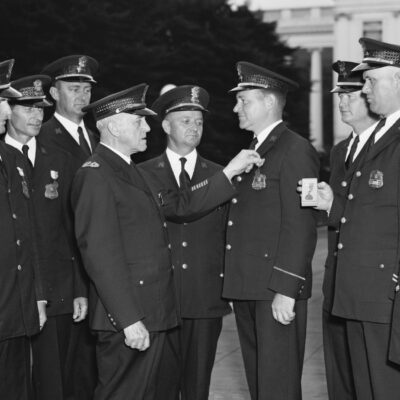
His former police work
Henry’s White House service was already in the past when the case came to trial. His sister testified that he had served about eight years on the Metropolitan and White House Police forces.
Former White House policeman O. H. Wells testified that Henry had been returned to the Metropolitan Police Department for being drunk at his post.

The verdict and the sentence
Henry’s lawyer, J. Bernard Flaherty, based his defense on a condition he attributed to years of drinking. He argued that it had left Henry unable to distinguish right from wrong, even though Henry had not been drunk during the shooting.
Assistant United States Attorney Grace Stiles made the government’s closing argument. She told the jury that Lola had gone back to work to help cover Henry’s bad checks.
The prosecution’s case included a handwriting comparison. A police expert testified that the threatening letters addressed to Lola matched the handwriting on Henry’s Red Cross employment application.
The Star reported that the jury deliberated for 1 hour and 15 minutes before returning a second-degree murder verdict late on December 2, 1943. Henry had been indicted for first-degree murder, but the jury convicted him of the lesser charge.
The Star reported that Henry left his name scratched into the varnish of the lawyers’ table with his thumbnail.
According to the Washington Post, sentencing followed on January 7, 1944. Justice Matthew F. McGuire denied a defense request for a jury to determine Henry’s sanity and sentenced him to 15 years to life.
Liked this one? Get more tomorrow.
Lost Washington stories in your inbox most mornings: the newest, plus a few from the archive.
 This storyThe Murder of Lola Jane Henry
 What Was a Herdic Cab? An 1881 Race Down Pennsylvania Avenue
 Langley, the Wright Brothers, and the Fight Over First Flight
Free. Unsubscribe anytime.
AI helped research and write this story. Here’s how we use AI.Suggest a correction