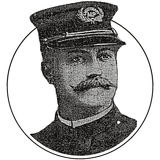

Congress
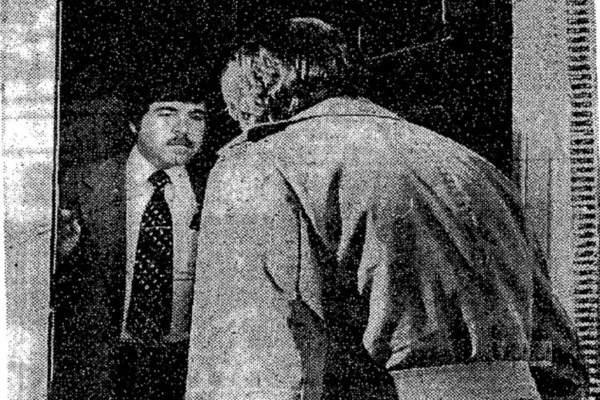
A Washington Post reporter rented his house off Foxhall Road in 1978. His tenant was the FBI, and the basement became the Washington set for Abscam.
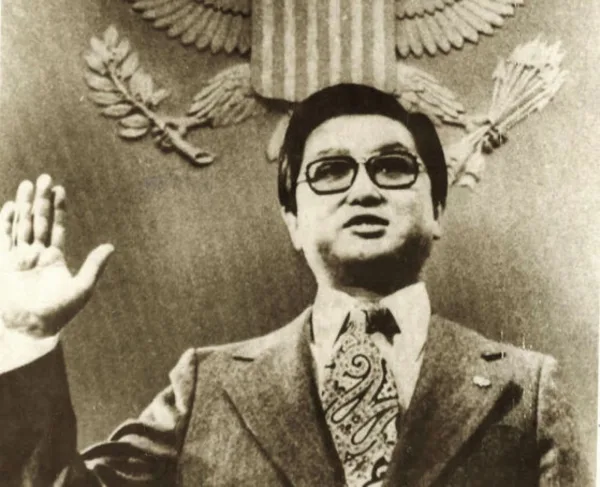
In December 1973, Tip O’Neill’s birthday dinner at the George Town Club ran $23 a plate. Tongsun Park picked up the check.
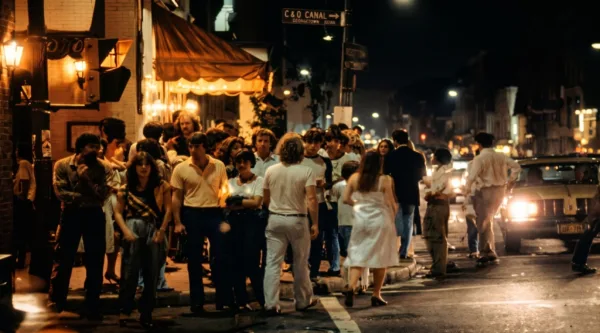
Until September 1986, any 18-year-old could legally buy beer and wine in Washington, DC, and Georgetown drew young drinkers from Maryland and Virginia. Then came a fatal Beltway crash and a 10 to 3 council vote.

The Prince of Hawaiʻi kept a house on Mass Ave, sat with the Republican baseball team, and pushed a homestead act for his people.
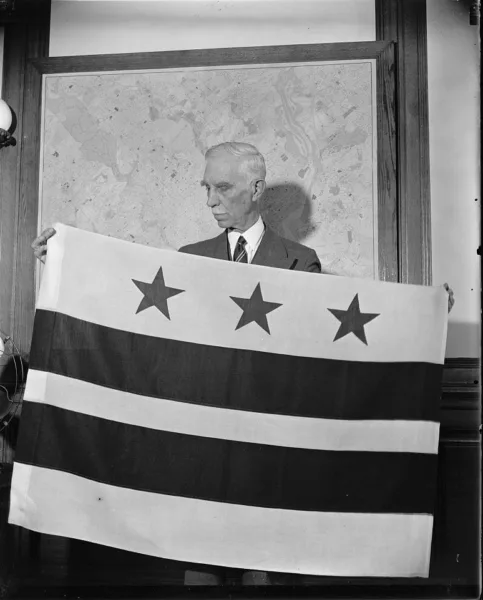
Washington, DC didn’t have an official flag until the middle of the 20th century. The white background with two red stripes and three red stars was based on George Washington’s family crest.
There’s more where these came from.
Lost Washington stories in your inbox most mornings: the newest, plus a few from the archive.
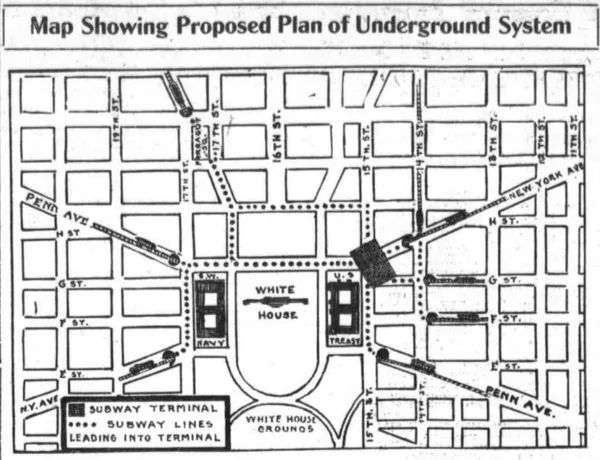
In February 1912, the District Commissioners proposed a streetcar subway under downtown, with an underground terminal at 15th Street and Pennsylvania Avenue.
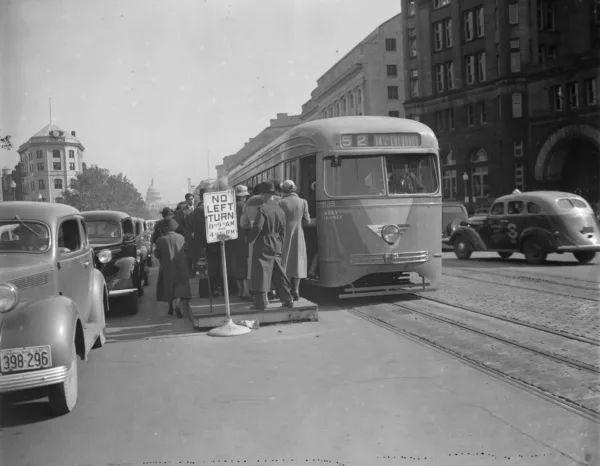
In 1944, Washington weighed a $56 million, 7.1-mile streetcar subway under downtown, which would have been the longest in the country.

On May 26, 1830, the House passed the Indian Removal Bill 102-97. Tennessee’s David Crockett was the only member of his delegation to vote no.
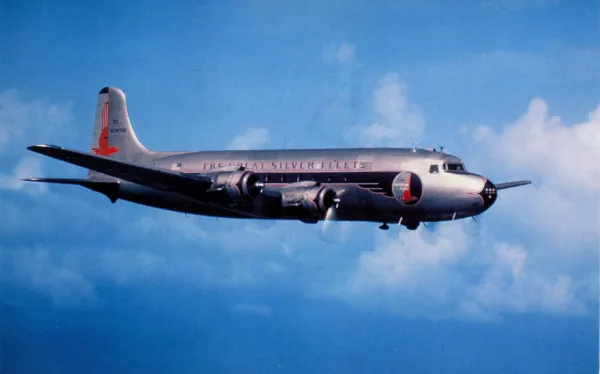
At 11:46 on November 1st, 1949, a young controller kept calling: Bolivia 927, turn left. The pilot never answered. Fifty-five died.

In October 1814, the U.S. House came within nine votes of moving the capital out of Washington. The bill failed 83 to 74. The Washington we live in exists because nine House members didn’t want to put the government on wheels.
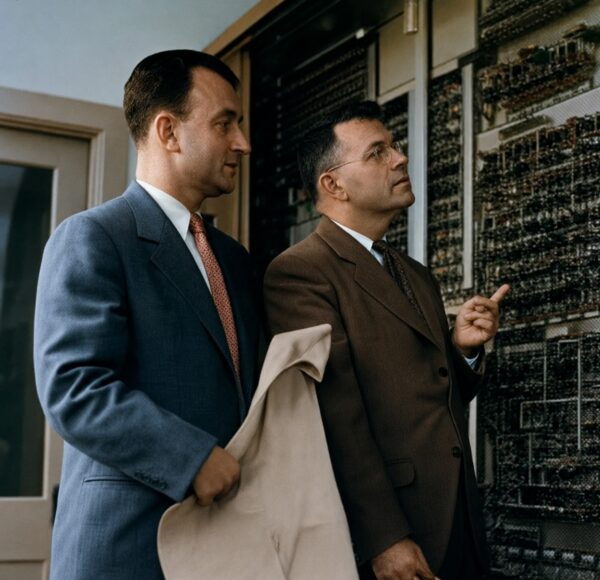
In June 1950, the National Bureau of Standards unveiled a computer for the Air Force on Connecticut Avenue, on the hilltop now shared by UDC and a cluster of embassies. Its builders called it the fastest computer in operation. The New York Times called it an electronic cerebrum, and Washington joined an argument we’re still having.
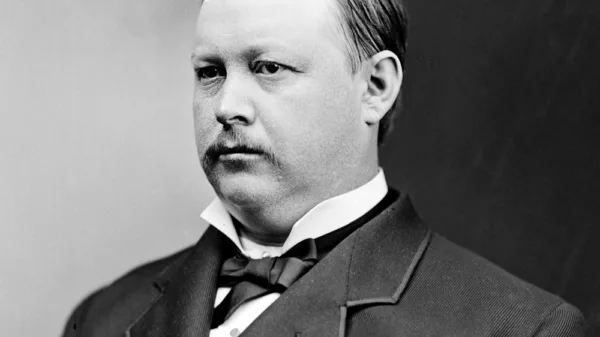
Thomas Brackett Reed rewrote the rules of Congress, crushed the filibuster, and walked away from power on principle. He died at the Arlington Hotel while a party raged downstairs.
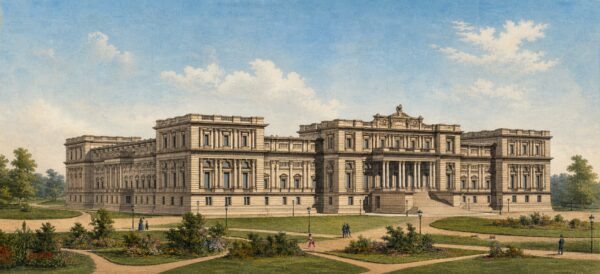
John Smithmeyer and Paul Pelz won the design competition in 1873. They spent 13 years redesigning it. Then Congress fired them. Here’s what happened next.
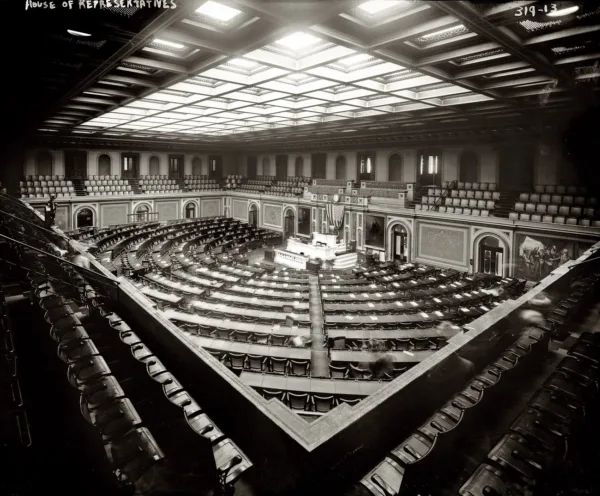
The House Chamber of the Capitol, circa 1908, caught in a time exposure that left behind what the caption calls a quorum of ghosts.
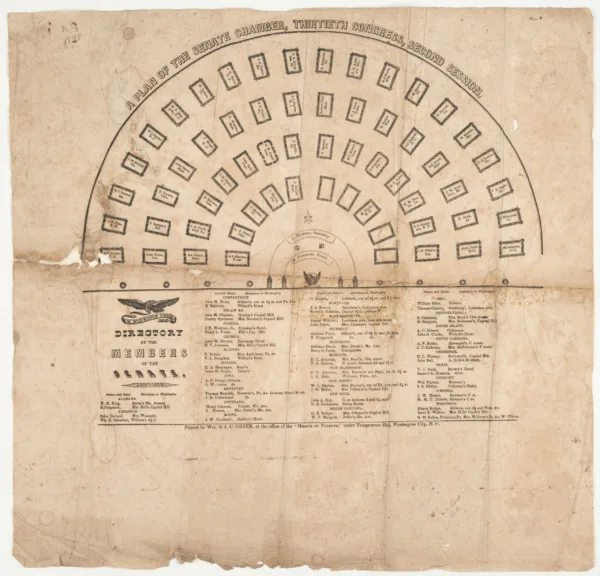
This drawing lays out the U.S. Senate chamber for the Thirtieth Congress.
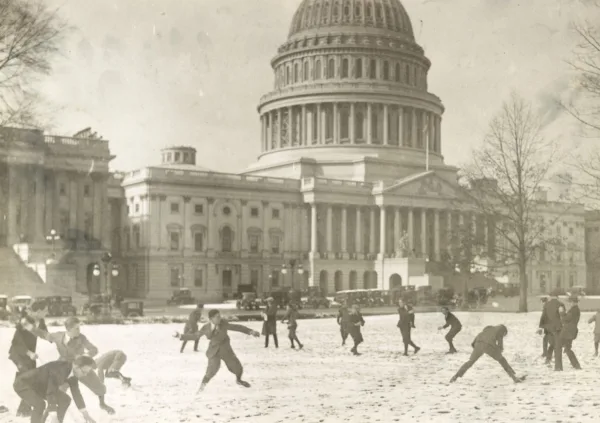
Pages from both sides of the aisle met outside for a snowball fight.
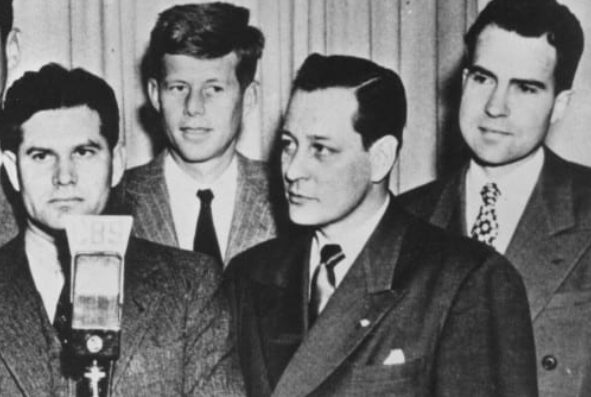
A 1947 photograph captures Kennedy and Nixon as young House colleagues, fourteen years before they faced each other in the presidential race.
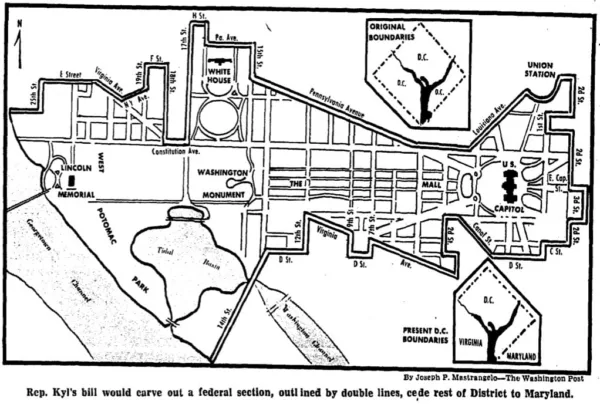
In 1970, Congress debated a proposal that would have handed most of Washington DC back to Maryland. Here is what that plan looked like and why it never happened.
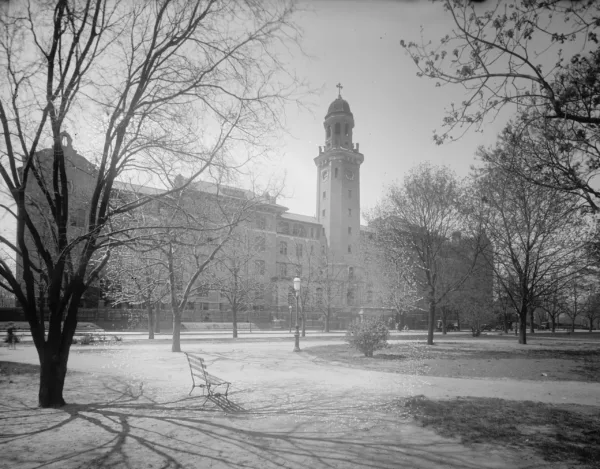
Providence Hospital opened on Capitol Hill in 1861. It took First Manassas wounded a month later. The site is now Providence Park.
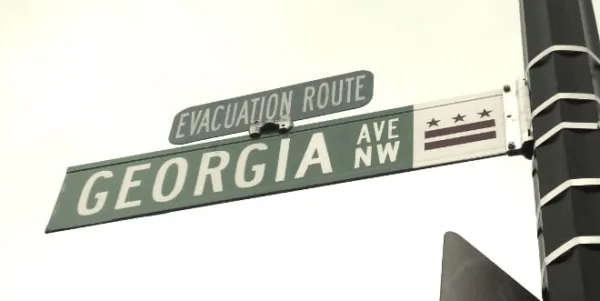
Georgia Avenue once ran through another part of Washington. Senators pushed to move the name to Brightwood Avenue, despite local opposition.