
Key Bridge
The Francis Scott Key Bridge connects Georgetown to Rosslyn, Virginia, carrying M Street traffic across the Potomac since 1923. Named for the author of the Star-Spangled Banner, who lived near the Georgetown end, it replaced the older Aqueduct Bridge that had served as both a water carrier and a Civil War crossing. These posts explore the history of the Key Bridge and the crossings that preceded it.
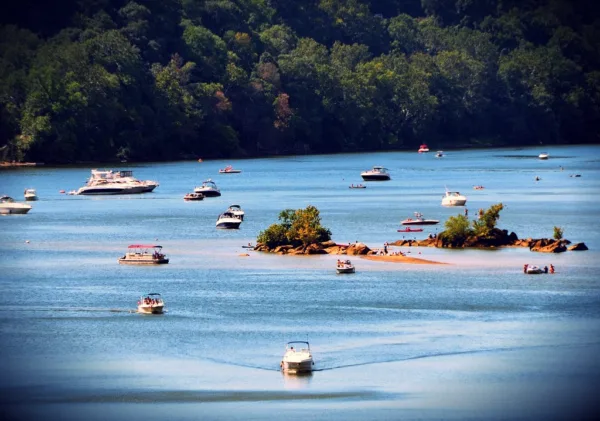
Three rocky islands in the Potomac come with a drowning legend that has been retold, and reinvented, since at least the 1890s. Here’s where it came from, who owned the rocks, and the bridge that nearly buried them.

A 1928 design proposal for a grand entryway at Key Bridge connecting Rosslyn to Georgetown, a project that was never constructed.
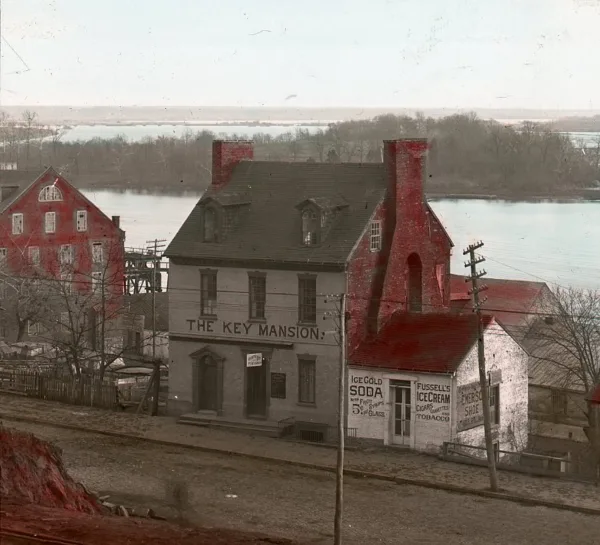
Workers took the house apart and numbered its bricks for a reconstruction that never happened. The stored pieces gradually disappeared.

Two volunteer firefighters delivered Patti Sue Williams in an ambulance on Key Bridge while morning traffic swerved around them.

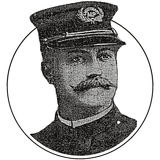
James Hall, a drunk 26-year-old, fell from Key Bridge as he did stunts on the railings to amuse onlookers.
There’s more where these came from.
Lost Washington stories in your inbox most mornings: the newest, plus a few from the archive.

Roger Wollstadt photographed Rosslyn and Key Bridge in 1965.

This photograph places a boat club just upriver from Aqueduct Bridge.
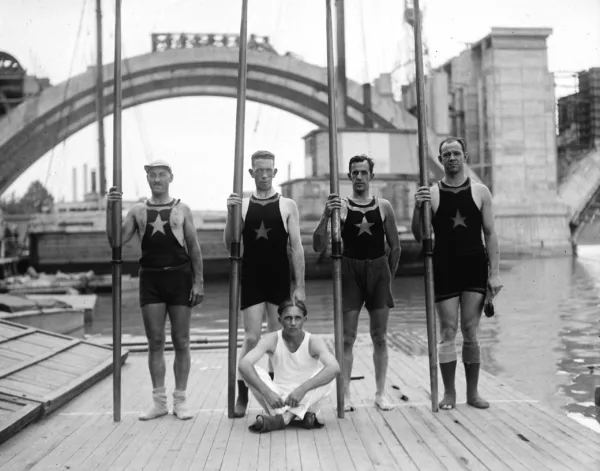
A 1921 photograph of the Potomac Boat Club at the site where Key Bridge would soon be constructed.
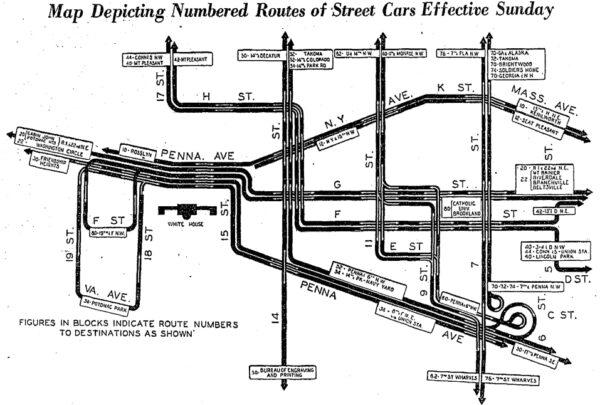
A Capital Transit streetcar route schematic from 1936 shows 26 years before the last DC streetcar: routes to Rosslyn, Cabin John, Catholic U, Beltsville, and the 7th Street Wharves.