
Fairfax County
Fairfax County in Northern Virginia has been part of the Washington story since before the capital was established, and GoDC has covered the parts of the county that are inseparable from DC history. From the early history of Mount Vernon and the county’s colonial roots to the postwar suburban explosion that made it one of the most populous counties in the country, these posts explore Fairfax County’s long relationship with Washington.
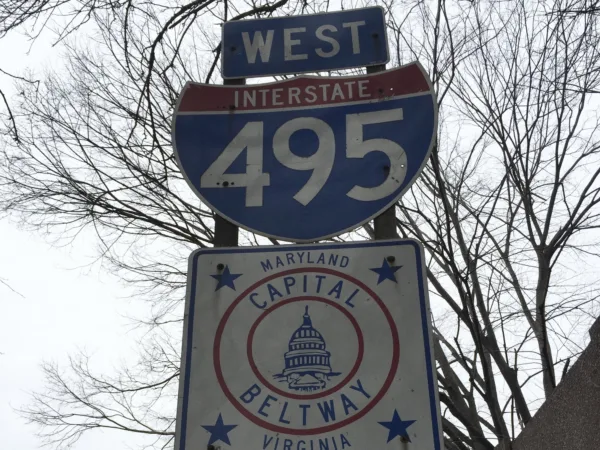
Before consultants were called Beltway bandits, burglars used the highway to escape across the suburbs. Newspaper accounts trace two meanings of the nickname, without proving a connection.
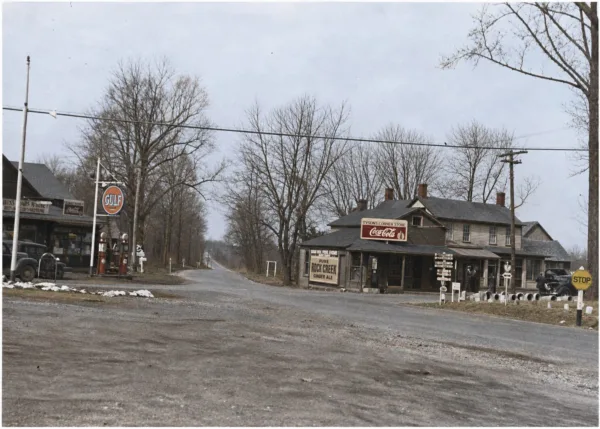
An 1862 Union Army map put “Tyson” beside the Peach Grove post office. Here is who he was, and how his country crossroads became plain Tysons in 2016.
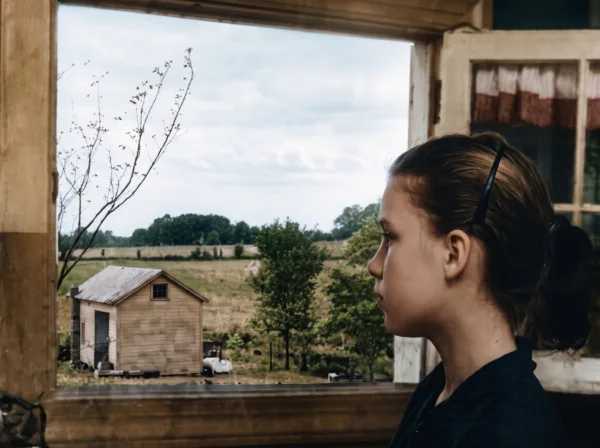
In May 1954, a carpenter on Pope’s Head Road shrugged at the Nike missile battery going up next door. At least, he said, folks would know where the road was.
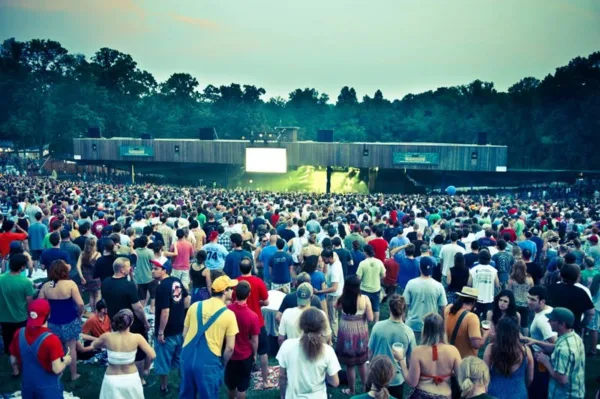
In 1966, a Maryland congressman warned that Columbia’s new pavilion shouldn’t have to compete with Wolf Trap. It hadn’t even been built yet.
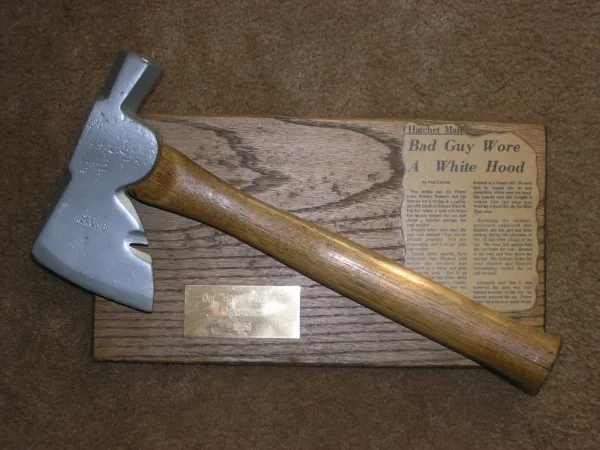
Just after midnight on October 18, 1970, a man in a white bunny suit threw a hatchet through a parked car’s window on Guinea Road in Fairfax County.
There’s more where these came from.
Lost Washington stories in your inbox most mornings: the newest, plus a few from the archive.
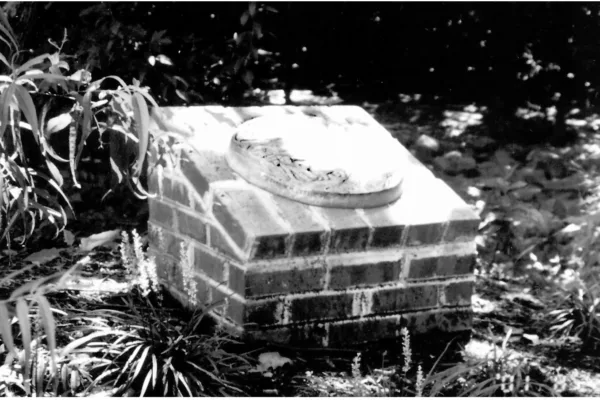
Off Kirby Road in McLean, Cottonwood Street runs through the 26-acre farm a Black farmer named Christopher Columbus Hall bought in 1865 and divided among his 11 children.
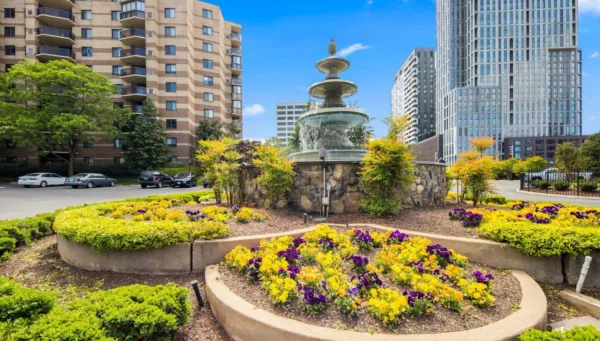
Five circular towers, 1,168 condominiums, and the man who built the Watergate built them too. The story of The Rotonda in McLean.
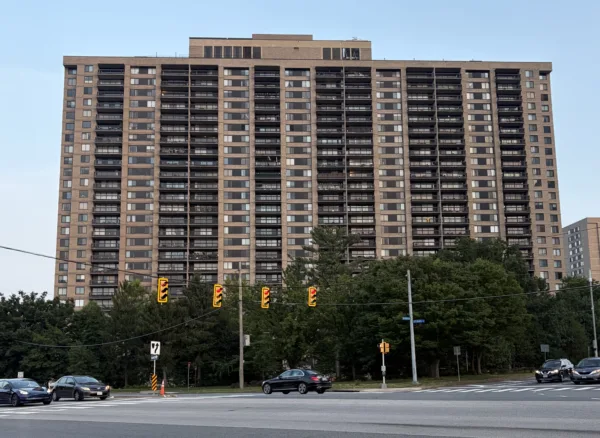
It is a little after 2:15 p.m. on Friday, March 2, 1973. The top floors of a 26-story apartment tower under construction at Bailey’s Crossroads are about to fall floor by floor. Fourteen men on the site will not go home.
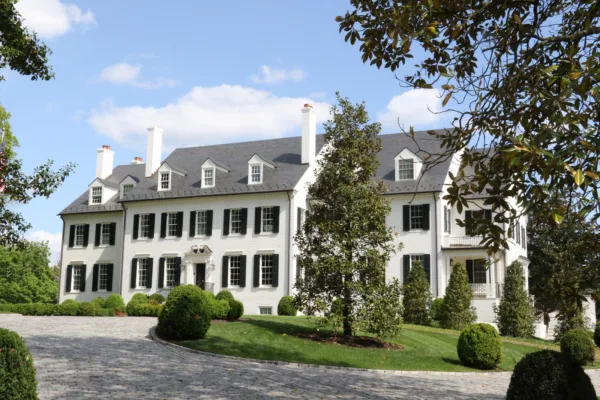
In 1955 a young Senator John F. Kennedy bought Hickory Hill on Chain Bridge Road in McLean, Virginia. When state highway planners proposed widening the quiet road past his front door, JFK helped push the new alignment onto open farmland instead.
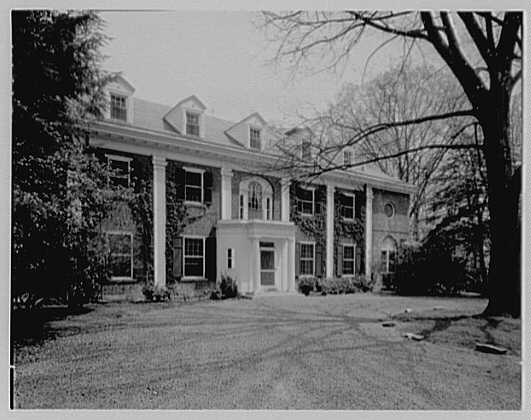
On a 46-acre bluff over the Potomac in McLean, a developer paid $650,000 for Jackie Kennedy’s childhood home and drew up three 17-story apartment towers, and then the Interior Secretary next door started making phone calls.
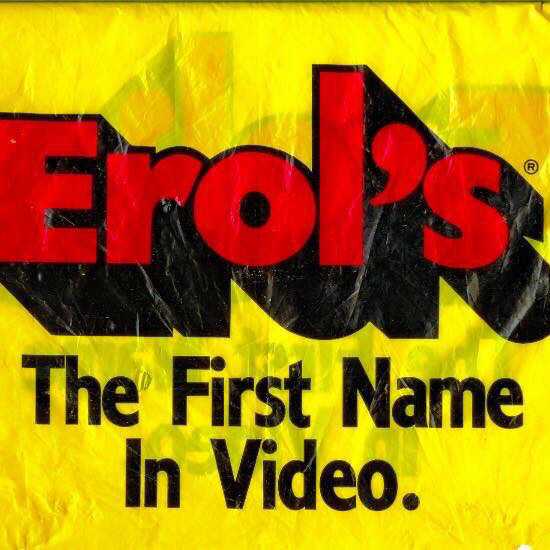
Before Blockbuster, the DC area had Erol’s Video Club. Turkish immigrant Erol Onaran arrived in 1960 with $16, opened a Georgetown TV shop in 1963, started renting tapes in 1980, and built the largest privately owned video chain in America before selling to Blockbuster for $40 million in 1990.
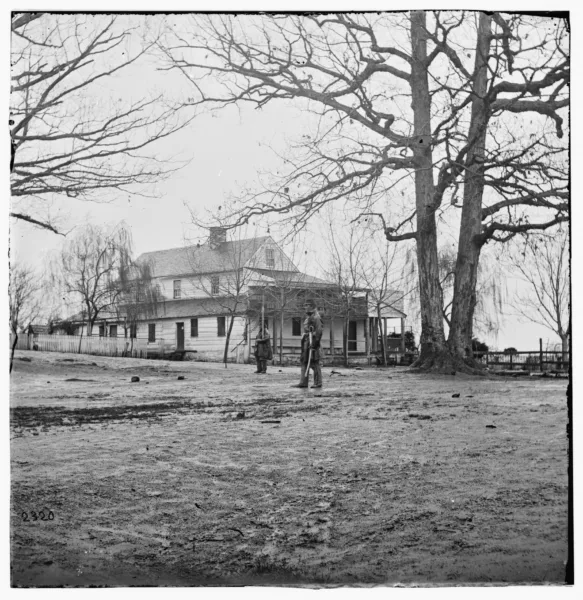
Frederick Foote, a formerly enslaved man, bought 33 acres at the intersection that became Seven Corners for $500 after the Civil War. His family held the land for 88 years. Here’s the full story.
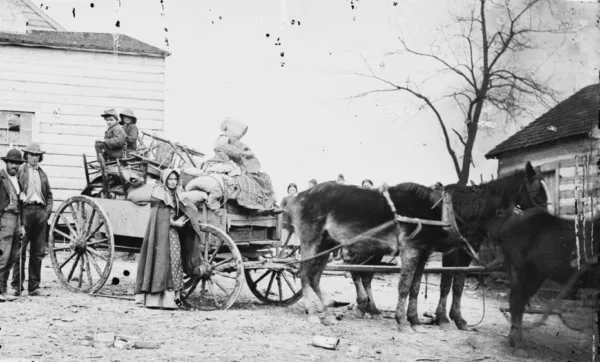
Before it was Centreville, the village was called Newgate. Its new name reflected its location among Northern Virginia’s towns.
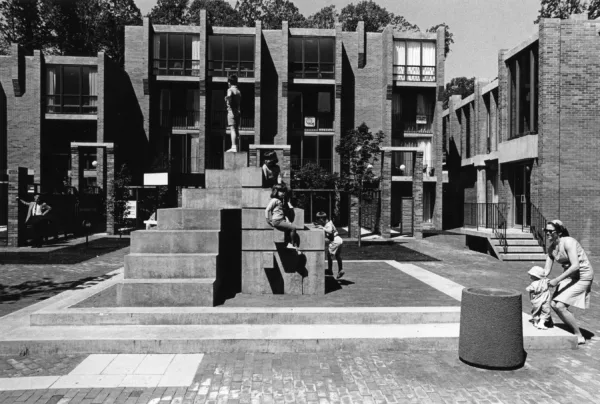
Robert E. Simon gave Reston more than a plan for a new community. His initials became part of its name, joined to “ton” for town.

Tysons Corner from the 1940s to 1988: aerial views from 1967, 1977 and 1986, the mall’s 1969 parking lot and sign, and a 1984 Woodward & Lothrop.
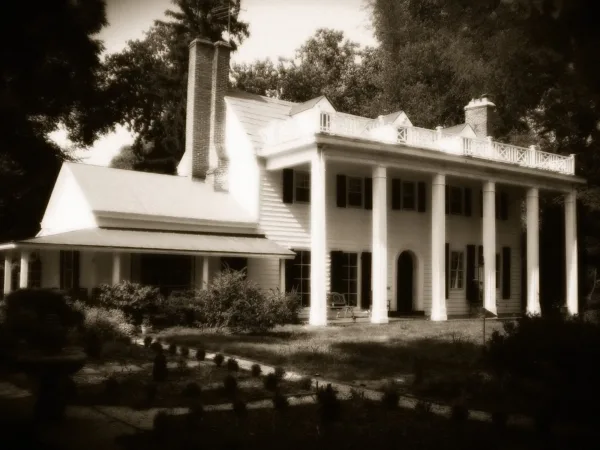
Annandale’s name has Scottish roots, while much of its early local history runs through the Fitzhugh family and the Ravensworth estate.
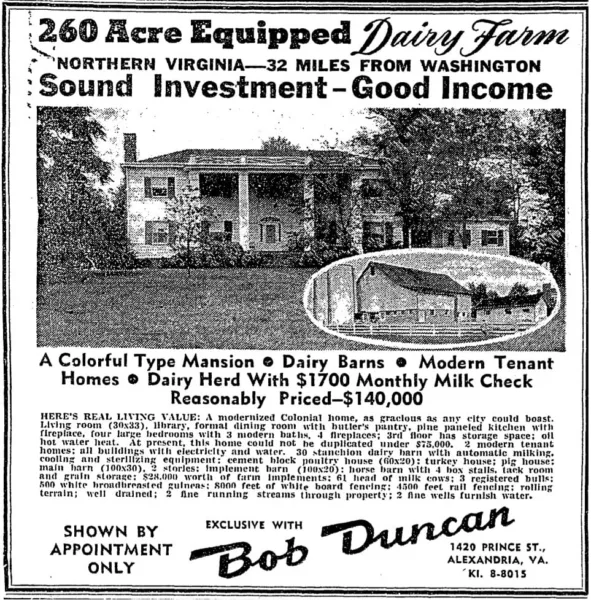
A Washington Post ad offered a dairy farm for sale. A later reader message placed the property near Burke Lake Road and Route 123.

A map of Fairfax County, parts of Loudoun and Prince William Counties, and DC, approved March 29th, 1864. From the Library of Congress.
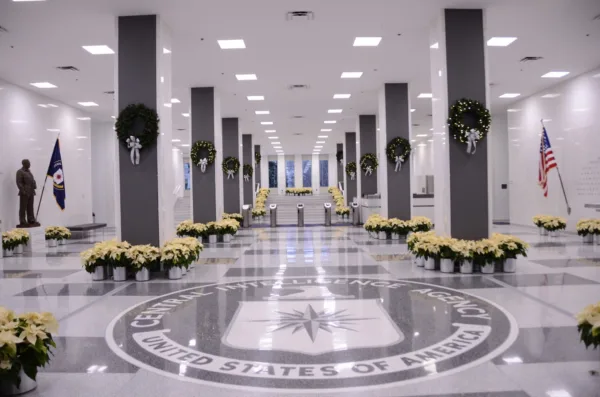
The name Langley predates the CIA by centuries. Its story leads from Thomas Lee’s Virginia estate to his family’s connections in England.

A May 1st, 1760 ad in the Maryland Gazette offered a large tract of land for rent in Fairfax, about 40 miles northwest of Alexandria.