Ella Watson’s Home: The House Behind American Gothic
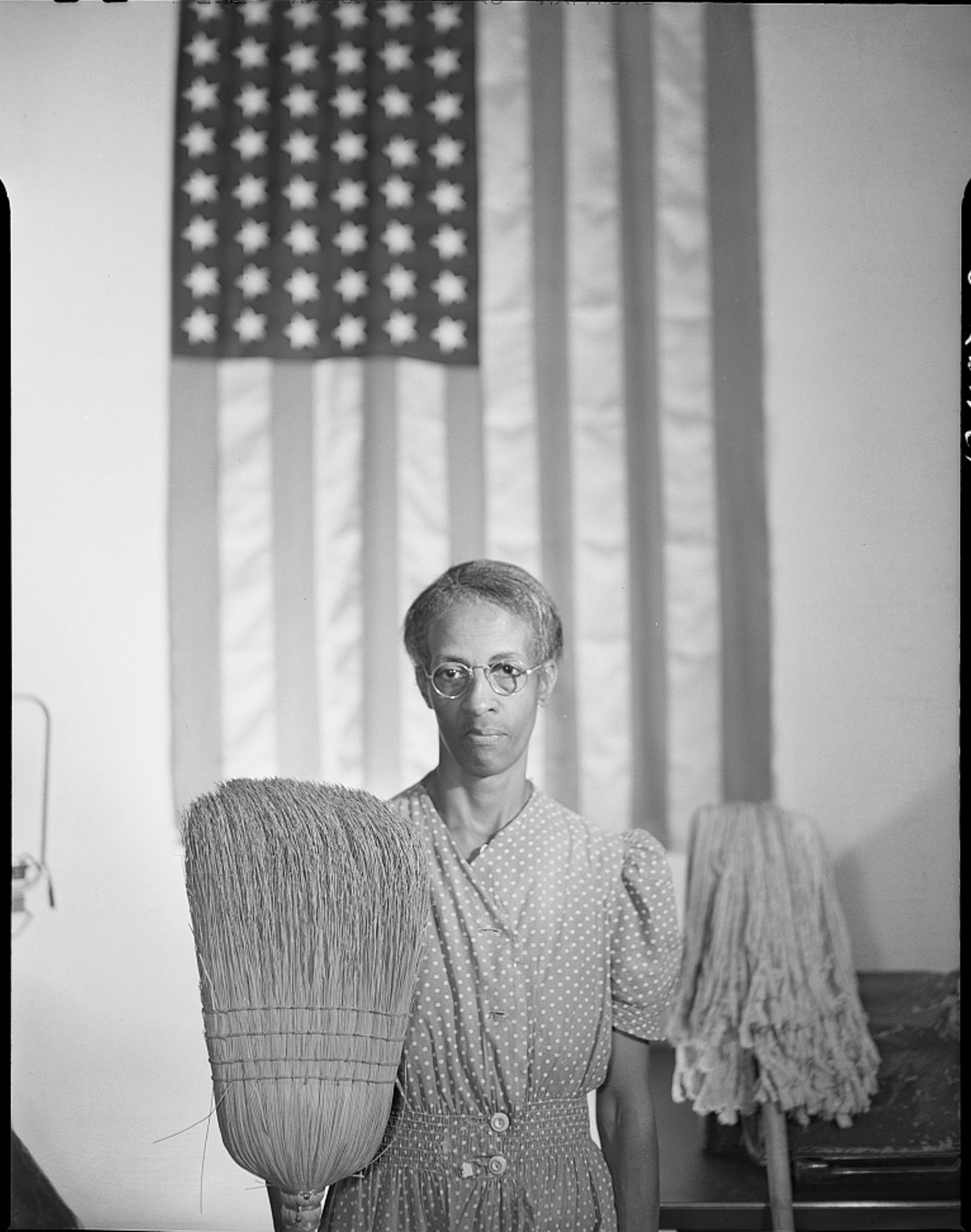
Gordon Parks made Ella Watson famous in 1942. Census records, deeds and old newspapers reveal her home at 1433 11th Street NW and the block around her.
Famous and infamous Washingtonians and the buildings tied to their names. Presidents, mobsters, madams, and the corner addresses that outlasted them.
Gordon Parks made Ella Watson famous in 1942. Census records, deeds and old newspapers reveal her home at 1433 11th Street NW and the block around her.
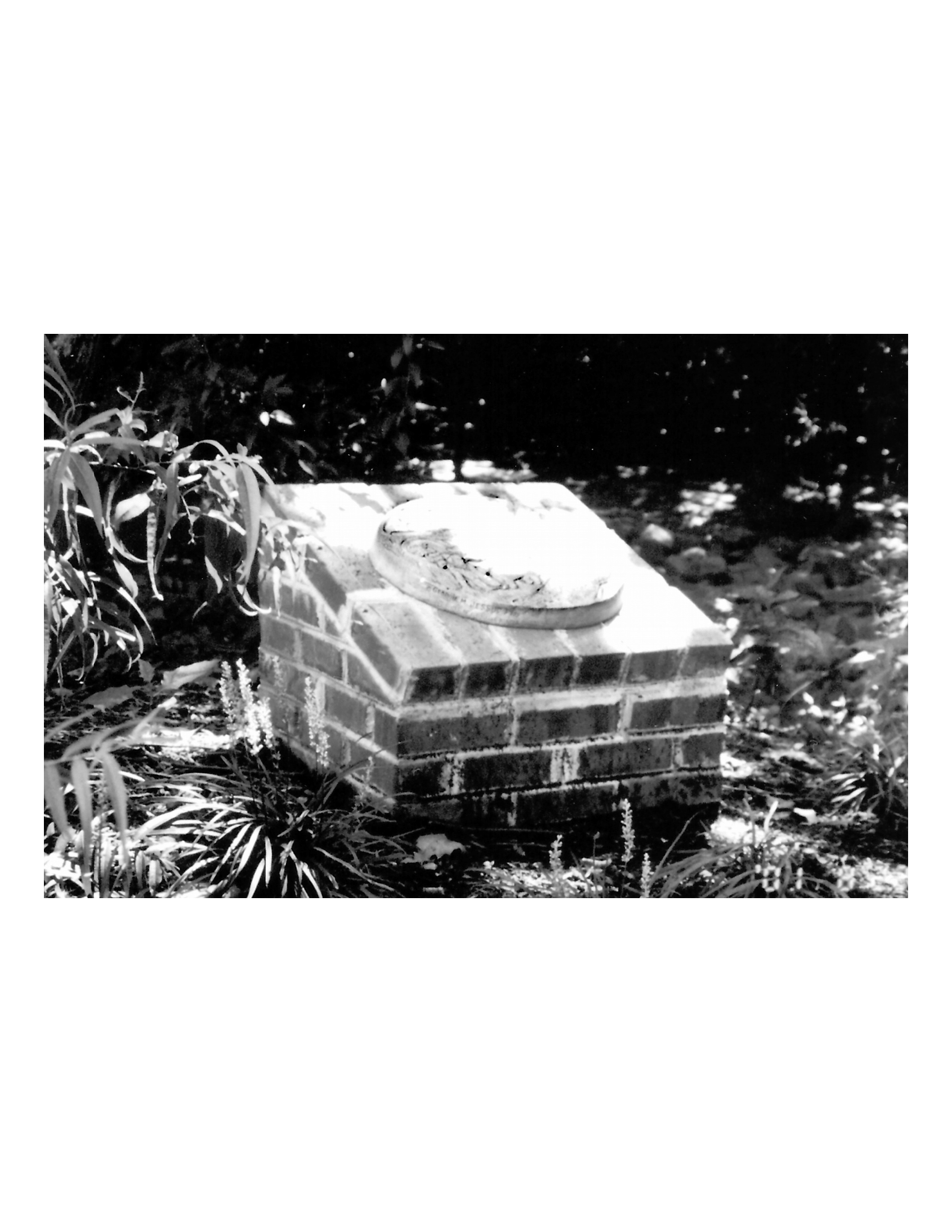
Off Kirby Road in McLean, Cottonwood Street runs through the 26-acre farm a Black farmer named Christopher Columbus Hall bought in 1865 and divided among his 11 children.
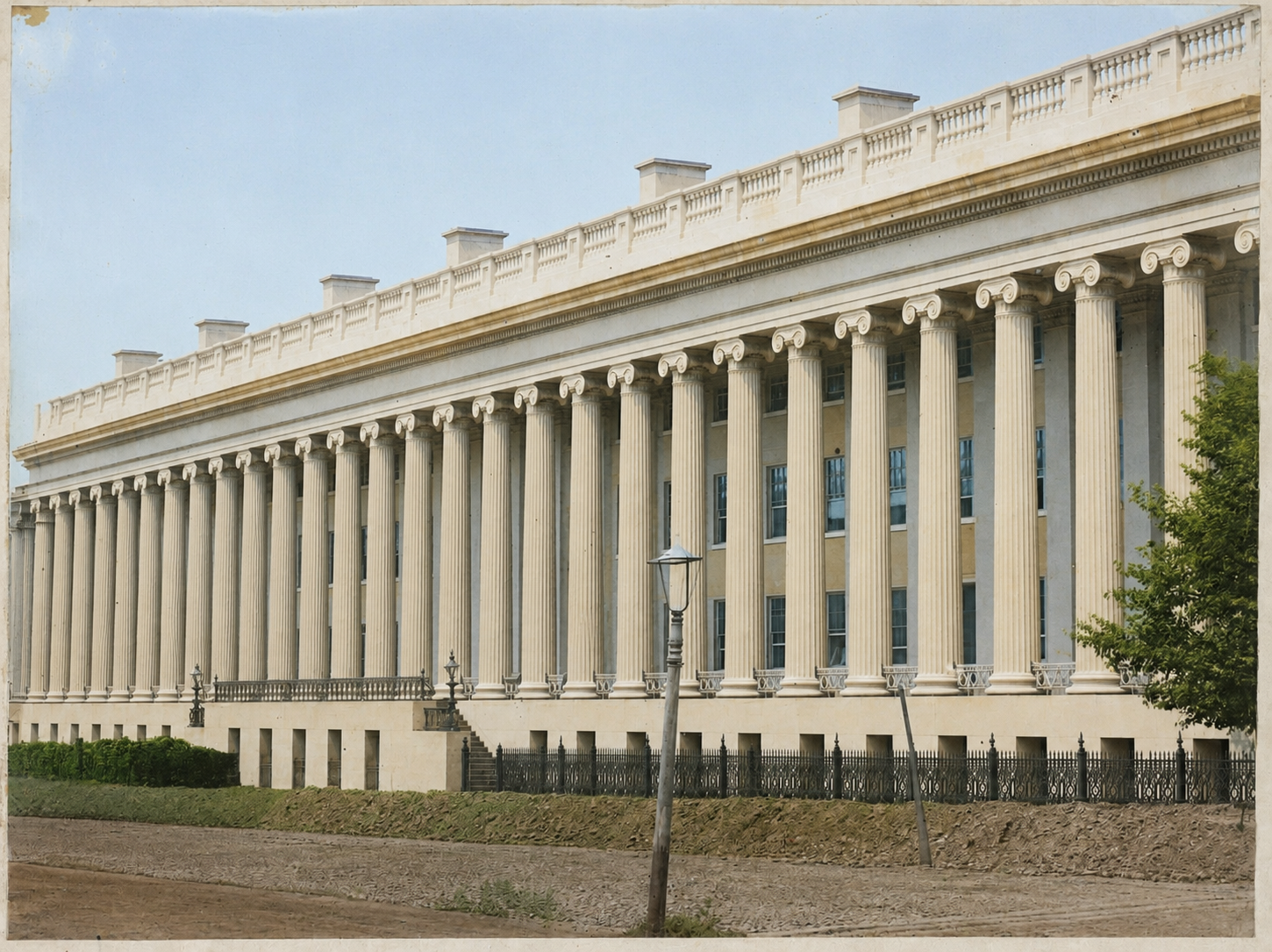
She walked into the Treasury Building on a Monday afternoon in 1865, shot the clerk who had courted her since she was twelve, and walked free in five minutes.
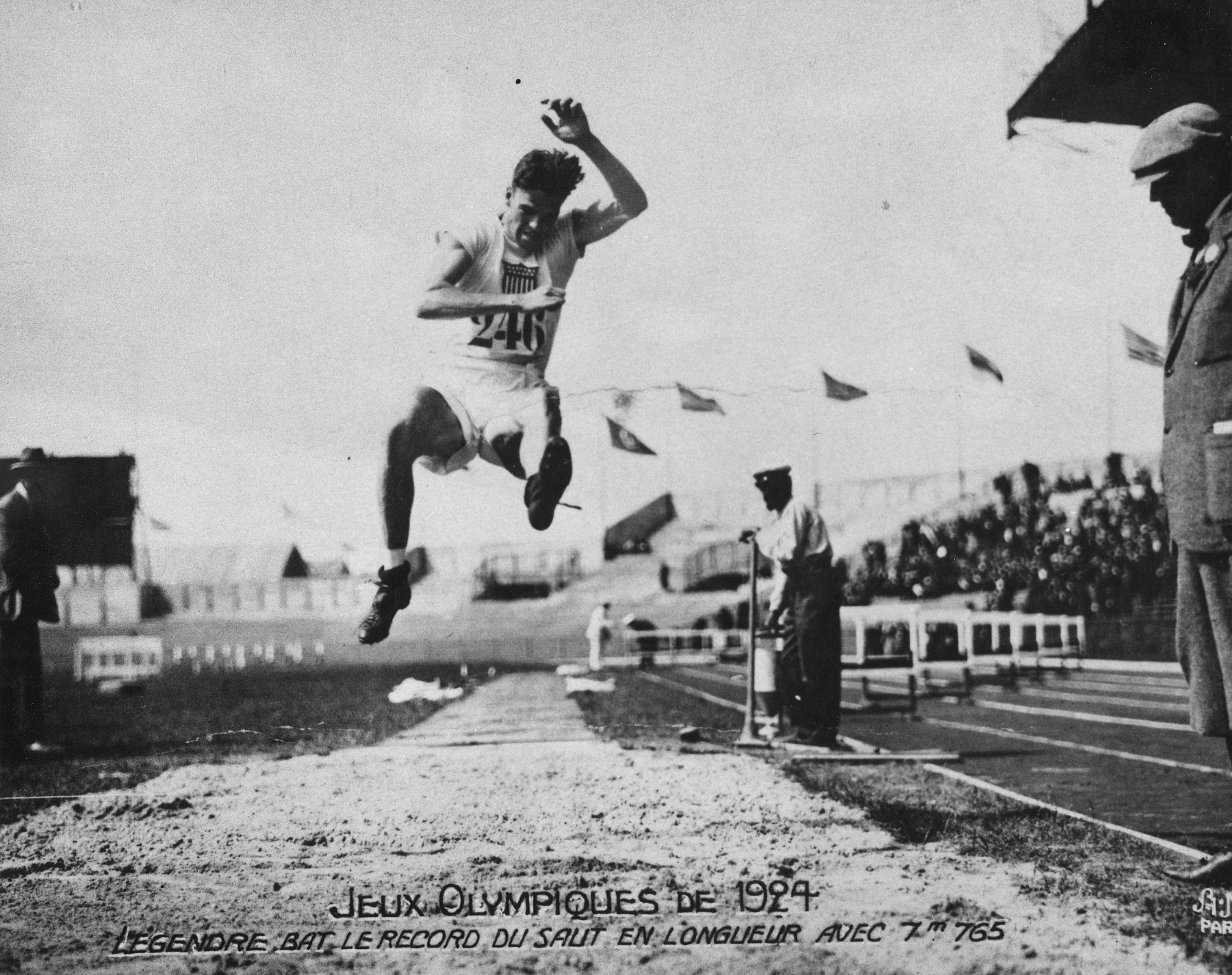
Robert LeGendre set a world record at the 1924 Olympics, then built a quiet life as a Washington dentist. When his granddaughter asked about the 1930 divorce that ended his marriage, we traced what the records could honestly tell her.
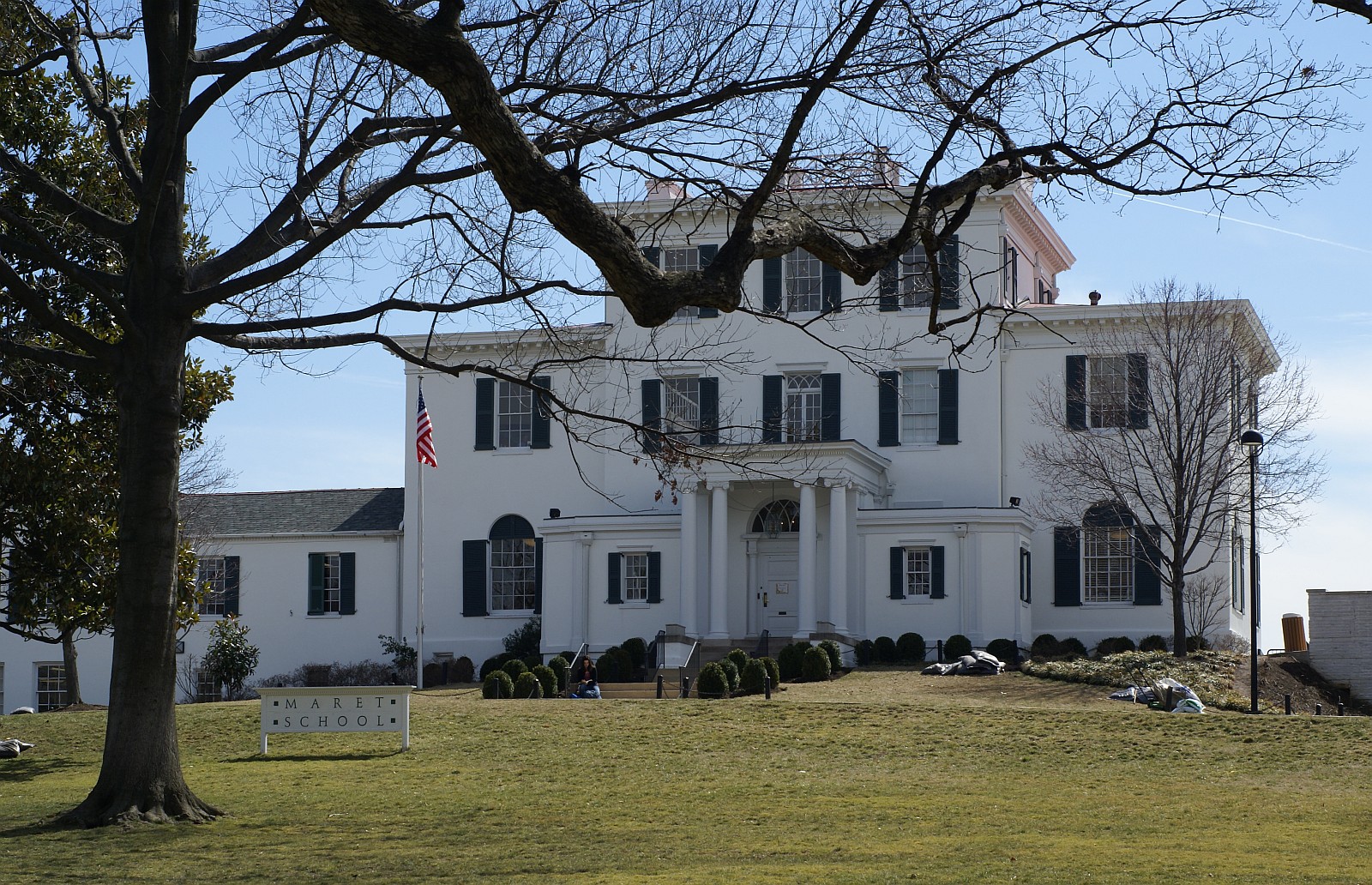
The Maret School began in 1911 in a rented Washington apartment, founded by three immigrant sisters. The story of how it started, and of the school’s first student.
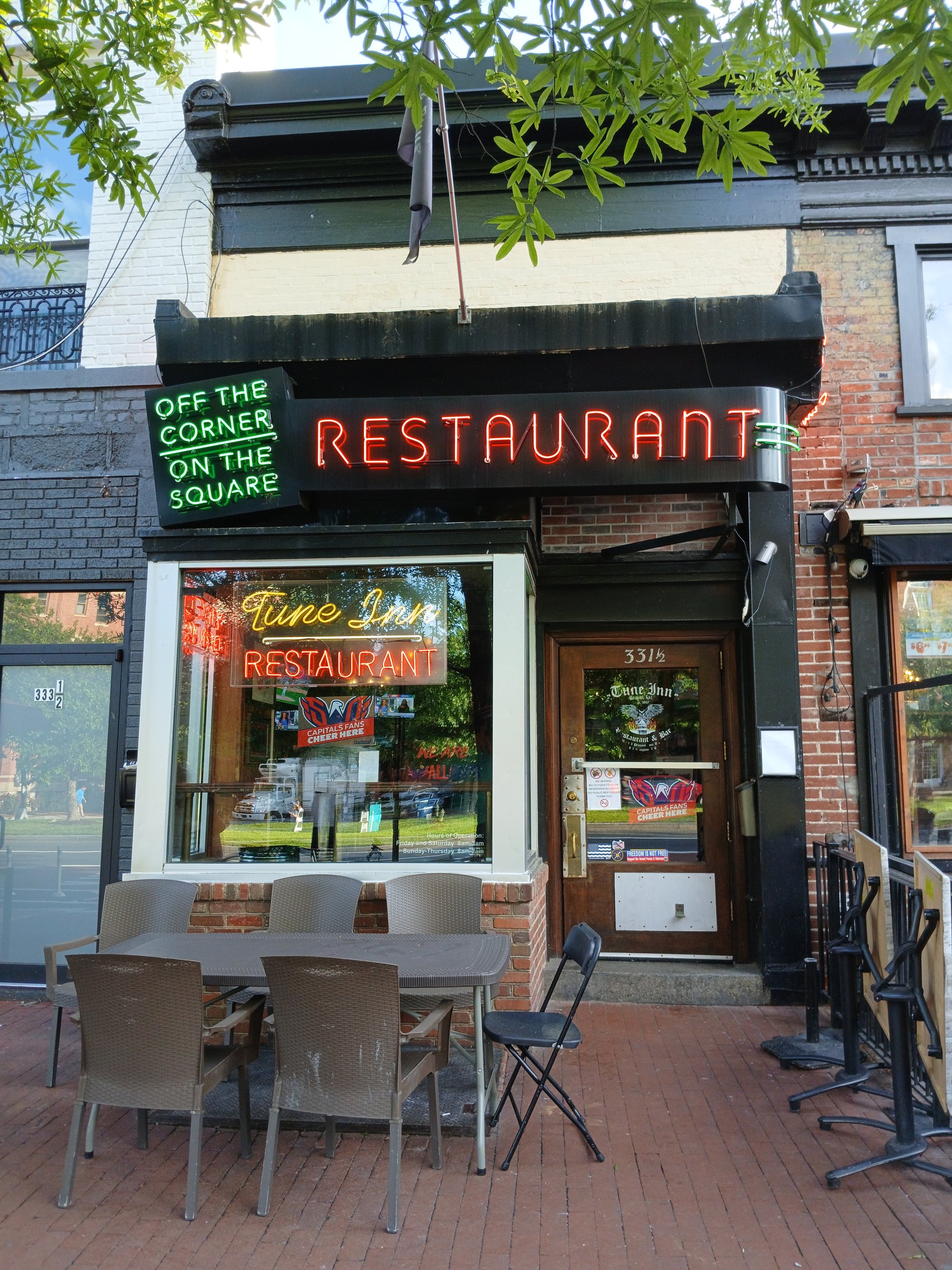
Three blocks from the Capitol dome sits a 1947 dive bar with deer butts on the wall and a Nardelli behind the counter.
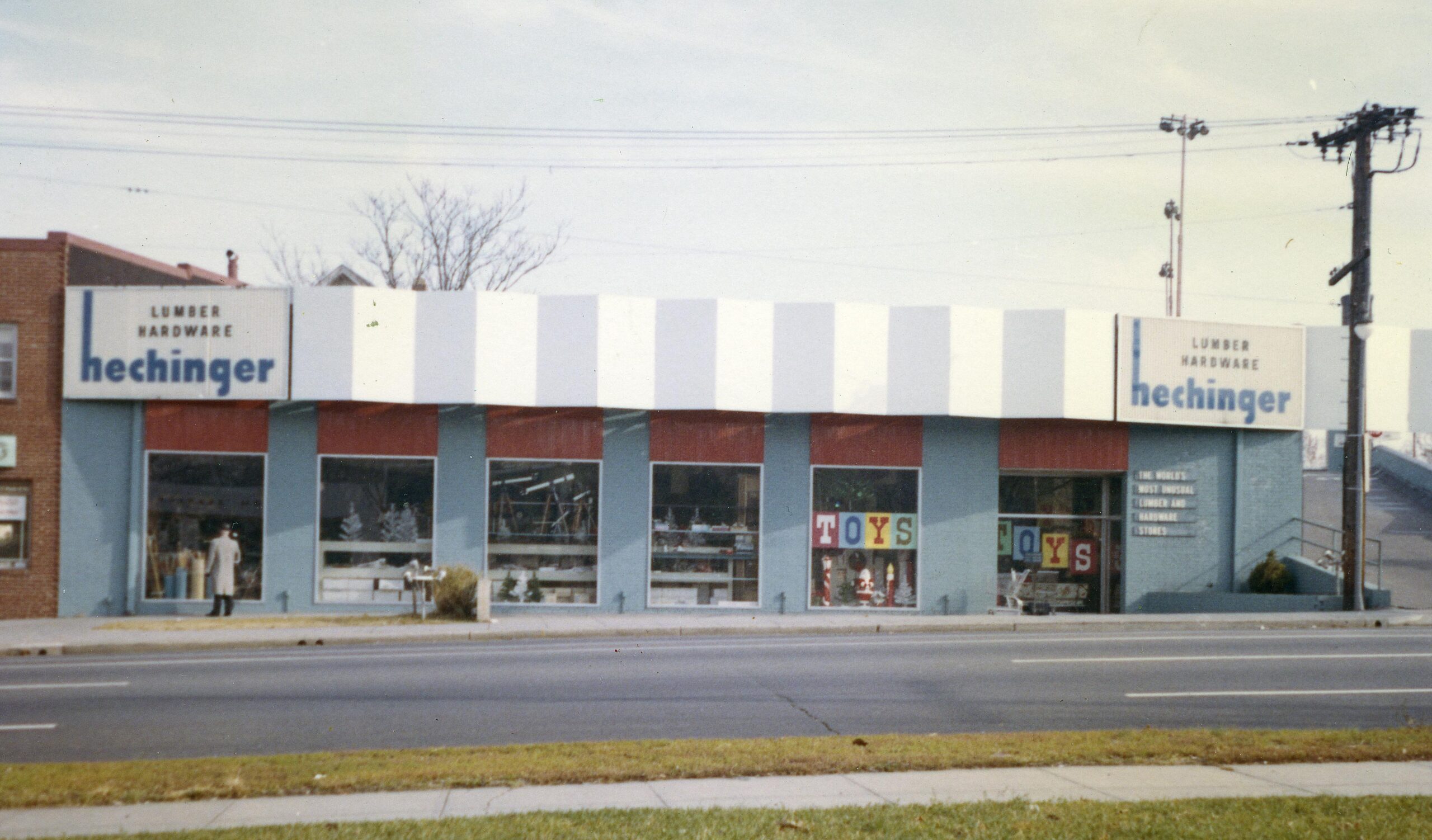
The Hechinger hardware empire began in 1911 as a Southwest DC wrecking crew. The story of Sidney Hechinger, the navy-blue H, and the bankruptcy that ended it in 1999.
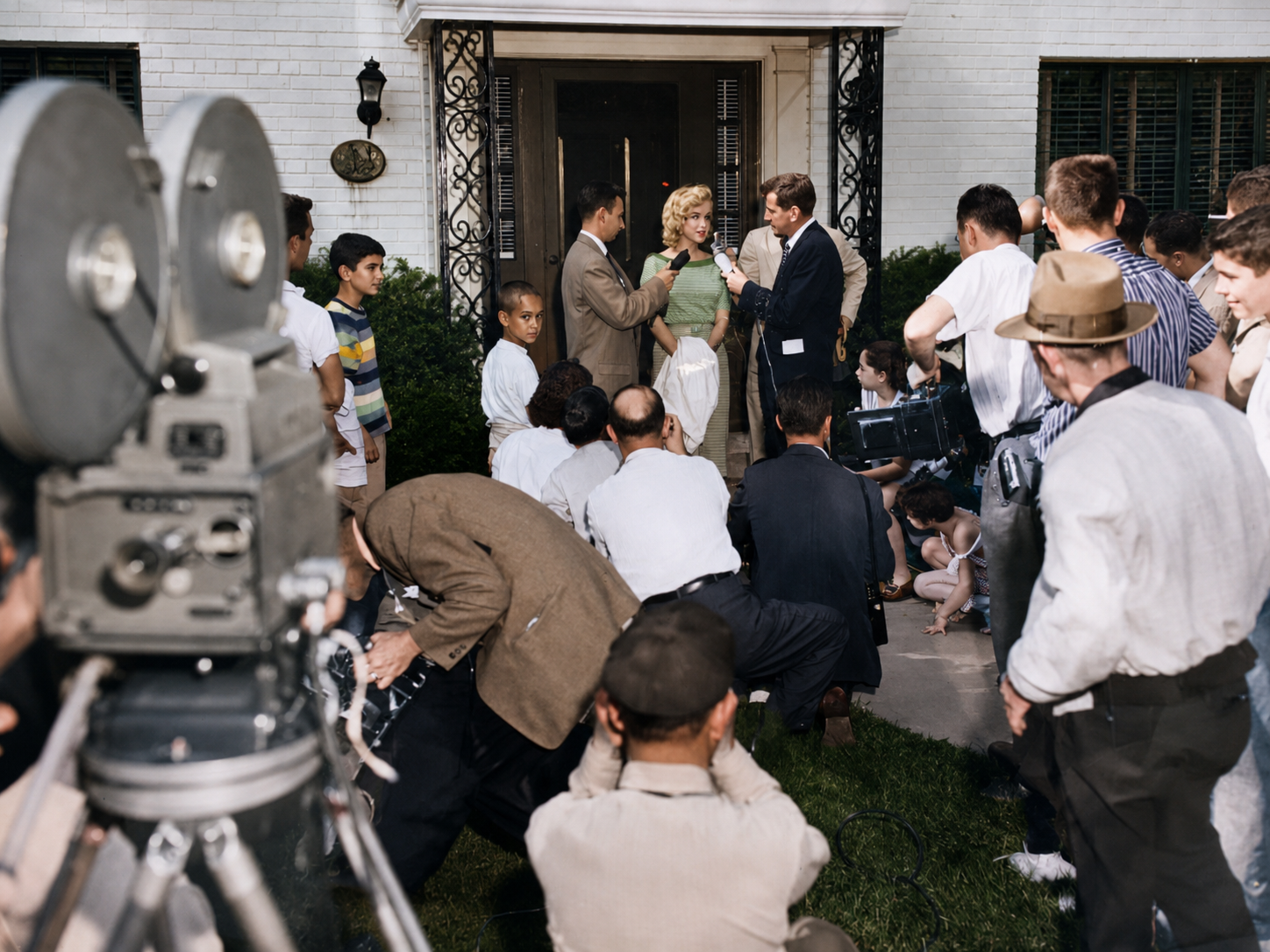
In late May 1957, Marilyn Monroe slept on a sofa bed in a Forest Hills den while her husband Arthur Miller stood trial in Federal Court for contempt of Congress. She bicycled the neighborhood in sunglasses, sat by a backyard pool, and held one news conference on the front lawn at 3625 Appleton Street NW. For seven days, the biggest movie star in the world was a houseguest in Northwest DC.
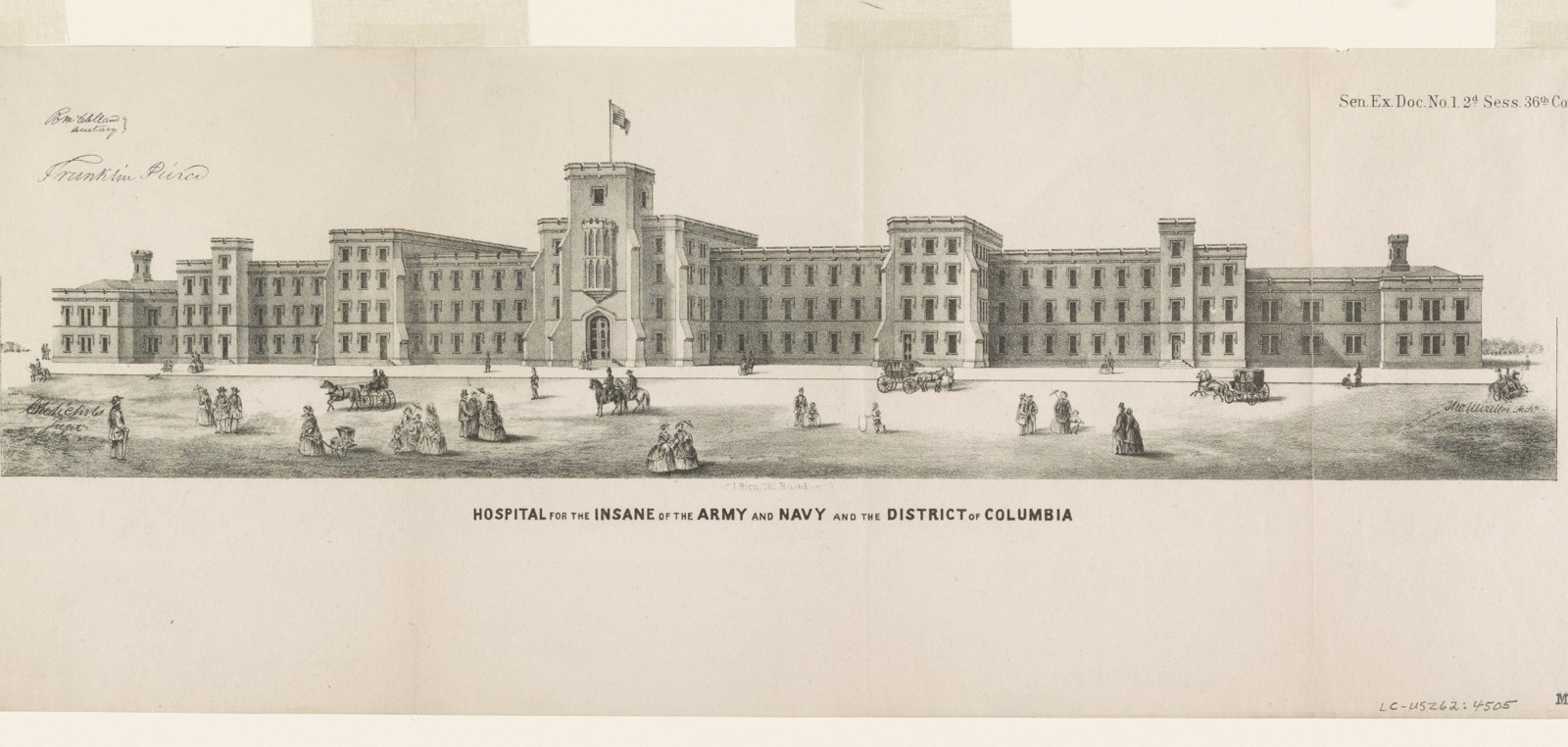
On January 31, 1958, the Evening Star started calling Dallas O. Williams “the Bad Man of Swampoodle.” The nickname stuck through five trials, three vacated convictions, and a 1961 double murder that exposed the broken machinery of DC’s insanity defense.