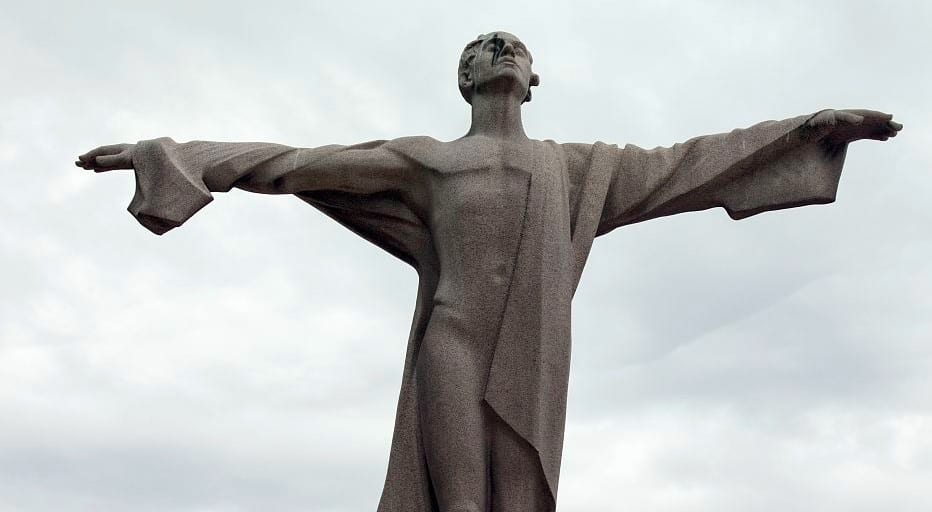
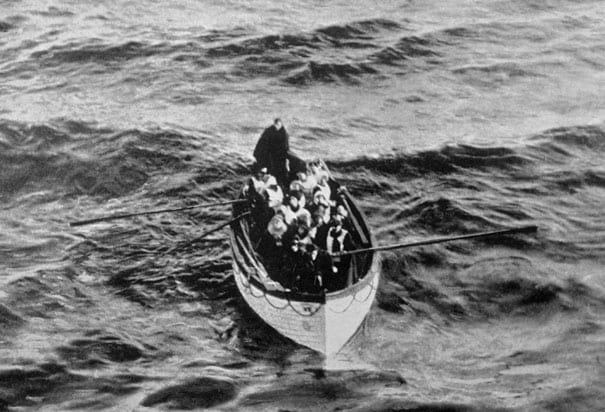
Remember Major Archibald Butt, who perished in the 1912 Titanic disaster. Read this guest post to learn more about the Butt-Millet Memorial Fountain and the Women’s Titanic Memorial in DC. See photos, maps and learn more!
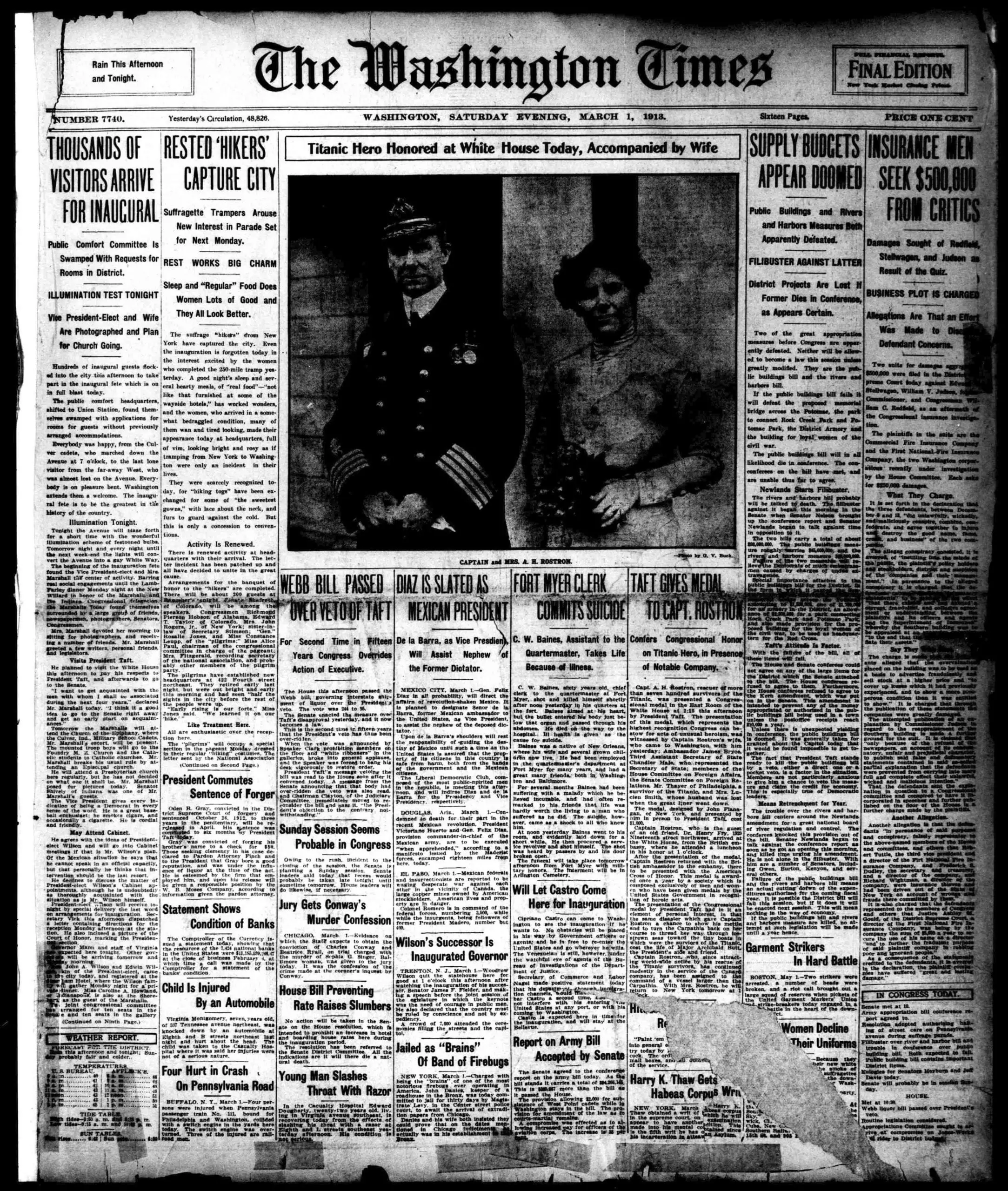
100 years ago today, Captain A.H. Rostron was presented with a Congressional Medal in the East Room of the White House by President Taft for “acts of unusual heroism.” Read our post to learn more about the award and the Titanic connection to President Taft.
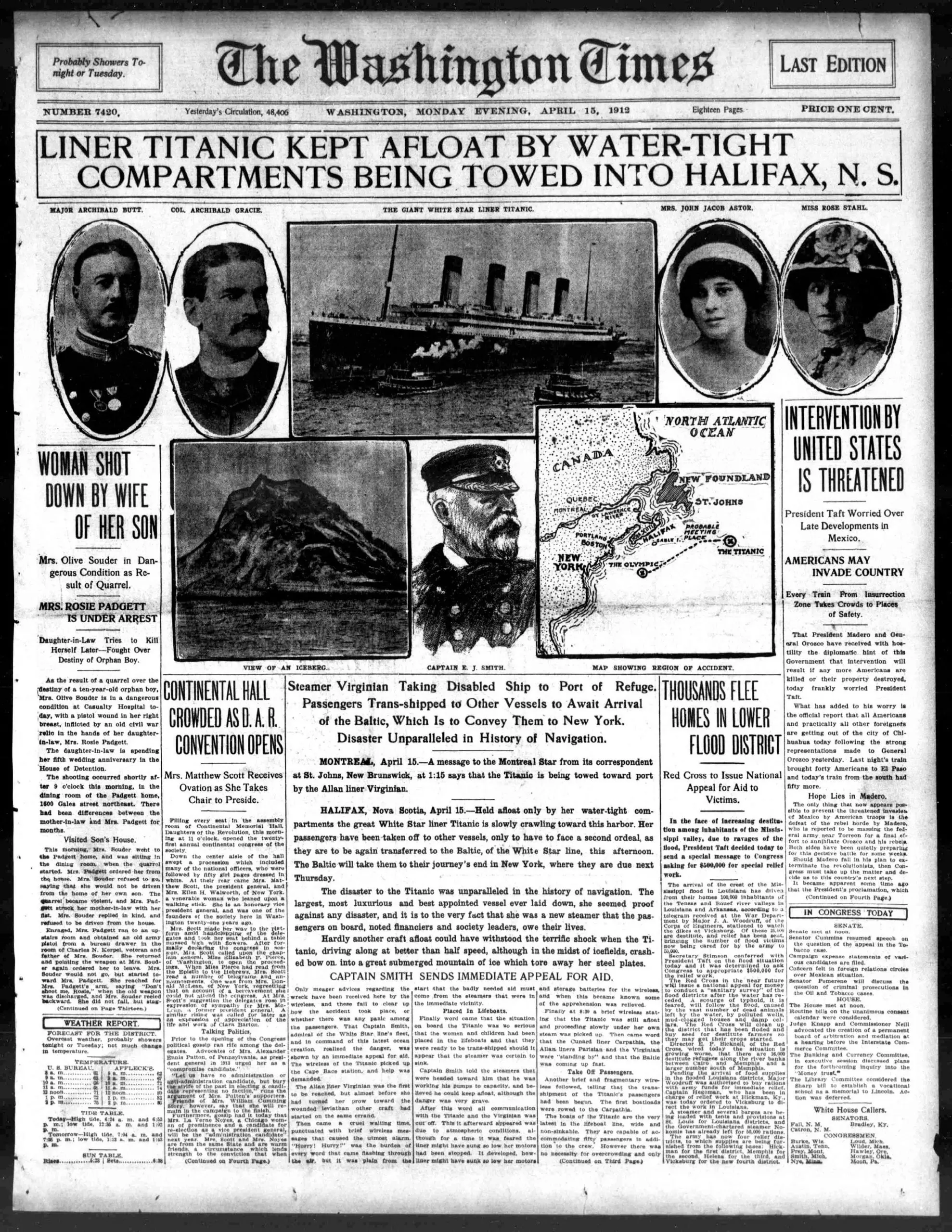
100 years ago today, the Washington Times front page reported on the Titanic’s sinking. Little did Washingtonians know that their own resident, Archibald Butt, was on board.
Archibald Willingham Butt was a successful and well-known military aide to presidents Roosevelt and Taft. He was fiercely loyal to both men and near the end of Taft’s term in 1912, it was clear that Roosevelt was disgruntled with Taft and would run against him. Major Butt was caught in the middle with equal but divided loyalties.
Wow, these are fascinating. This is the best “Old Ads and Classifieds” post yet.
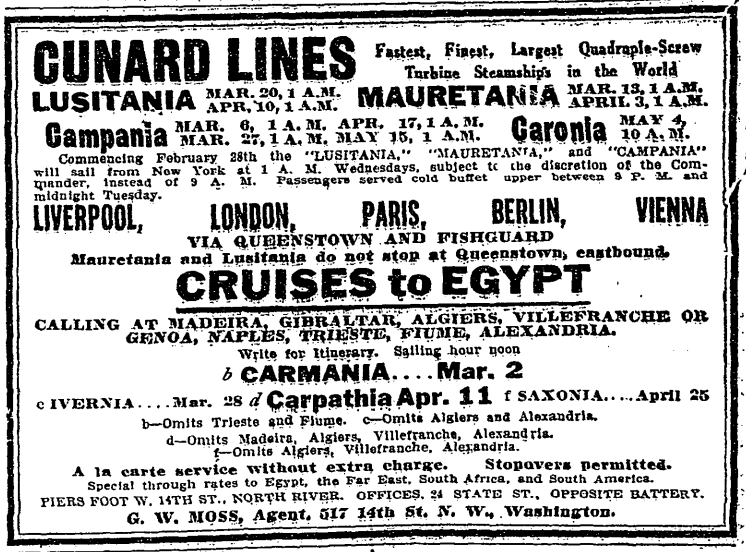
Scanning the Washington Post from February 29th, 1912 (another leap year) I came across these, frozen in time. The first one below is an advertisement that has both the Carpathia and the Lusitania on it. The former being the ship that rescued the survivors of the Titanic and the latter having an ill-fated rendezvous with a German torpedo.
Carpathia advertisement in the Washington Post (1912)
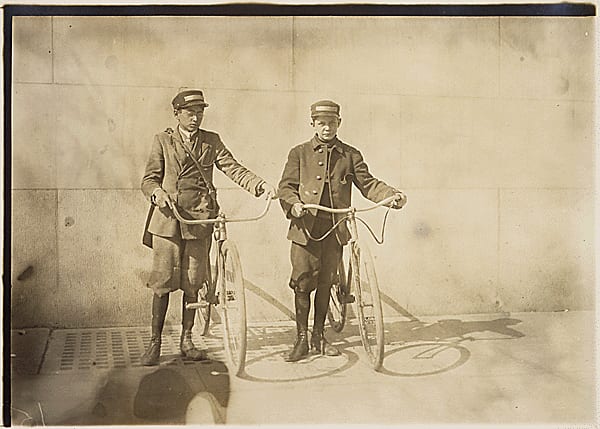
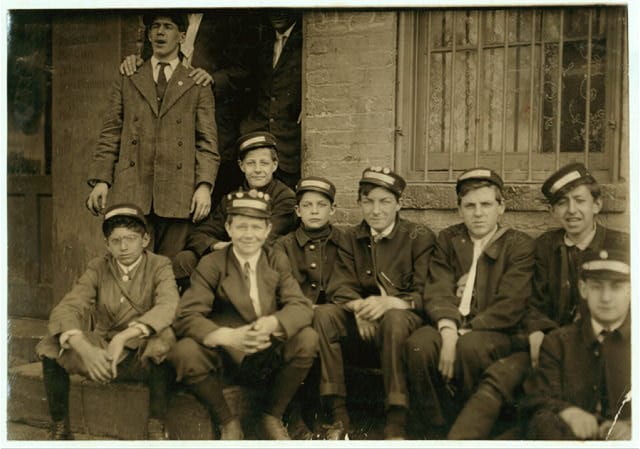
This is a great one for “Faces of Yesterday” … this group of young boys worked as Dime Messenger Service boys, with their headquarters at 1228 H St. NW. Lewis Hine, the American sociologist and photographer took this photo in the spring 1912.
Group of Dime Messengers Service boys, 1228 H St., N.W., at the main office
The baby-faced boy in the middle is Eddie Tahoory (14 years old) and he recently started working there. The boy with the spectacles on the left is Earle Griffith (15 years old). He lived with his mother — who eloped with a boarder — at 107 15th St. NW (odd, because this is now the Ellipse … maybe it’s supposed to be 107 15th St. NE). Eddie lived at 108 4th St. NE, and surely spent a number of afternoons running around Stanton Park with his friends.
Lewis asked the boys several questions while taking their photograph. They said they never know when they would get home each night as they usually worked one or more nights each week and often worked well past midnight. The previous Christmas, the office has a 9-year-old boy running errands for them, and he made a lot of money from tips (child labor laws were quite different back then). Each week they would pull in about $7 for their work. Evidently, the office policy was to not send the young boys into the tougher neighborhoods like Swampoodle, Murder Bay, or the red light district, but the boys would go when a call sent them in, which was not very often.