
July 4, 1926: How Washington Celebrated America’s 150th Birthday
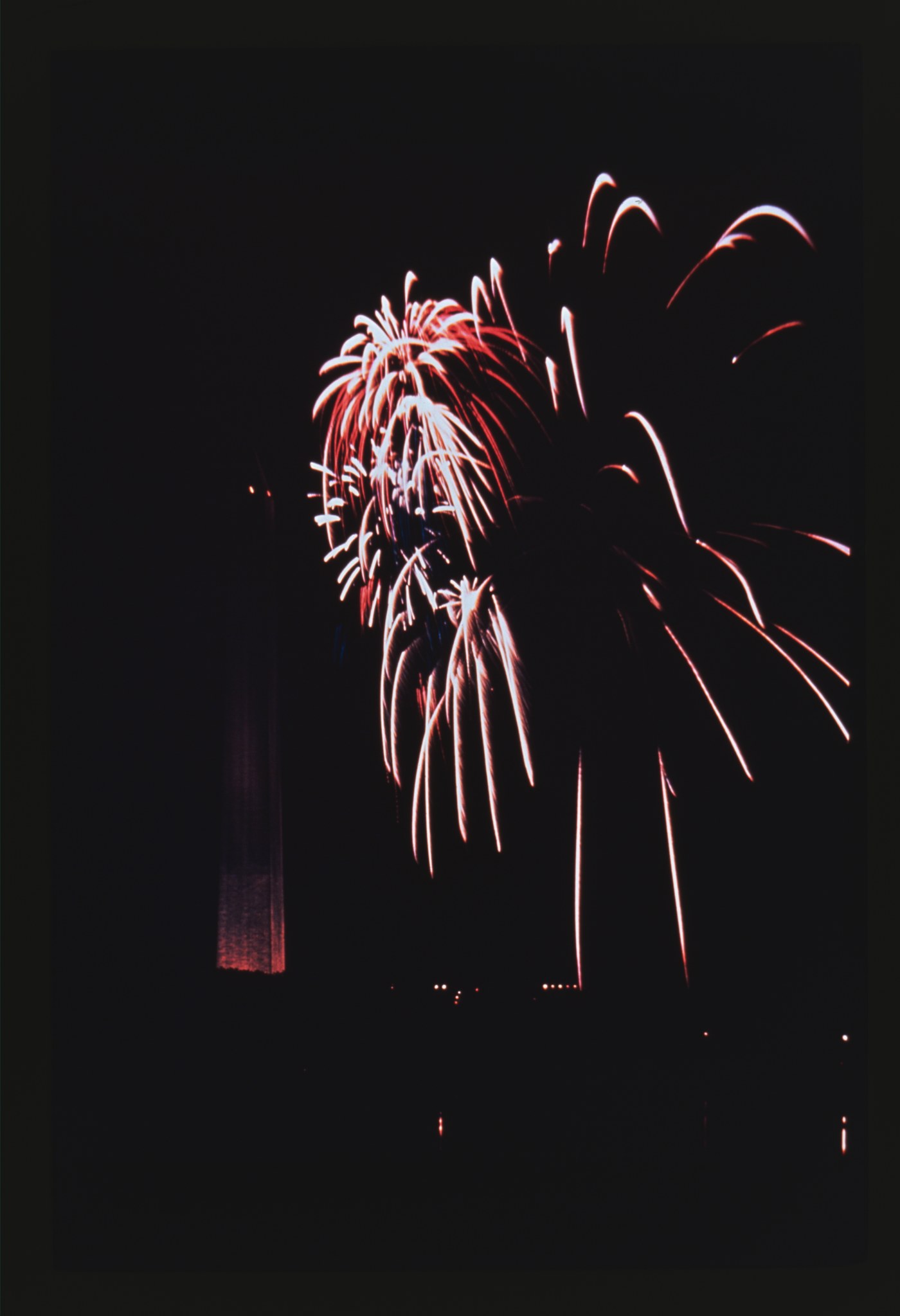
A cast of 1,000 on the Capitol steps, 50,000 at the Monument fireworks, and a plea for DC voting rights. How Washington celebrated America’s 150th birthday in 1926.
The big days in Washington, DC history. Assassinations, riots, marches, inaugurations, and the smaller moments that turned out to matter more than people knew at the time.
A cast of 1,000 on the Capitol steps, 50,000 at the Monument fireworks, and a plea for DC voting rights. How Washington celebrated America’s 150th birthday in 1926.
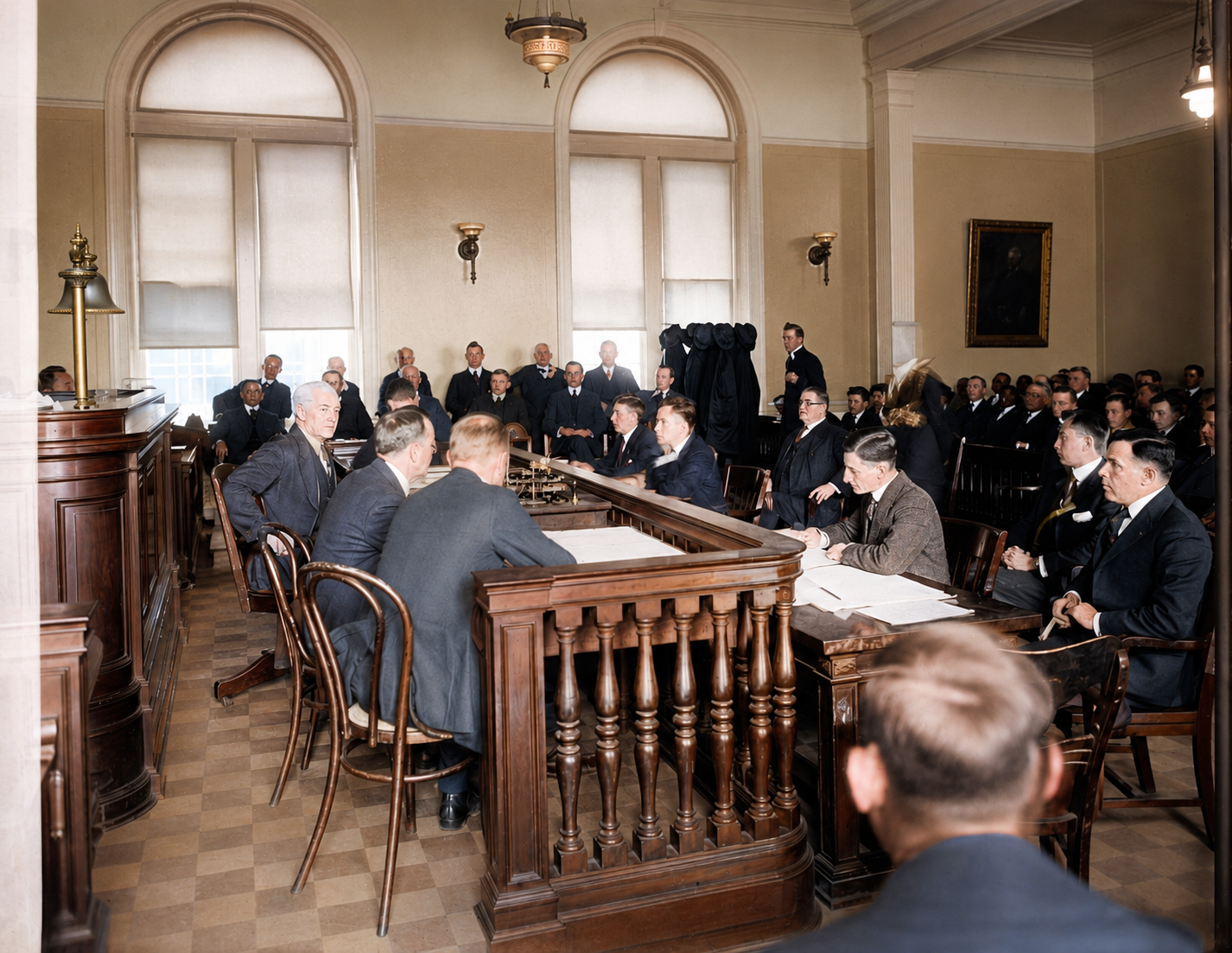
On Chinese New Year 1919, three Chinese diplomats were shot dead at the Mission house on Kalorama Road, and the case set in motion the Brandeis opinion that helped build Miranda.
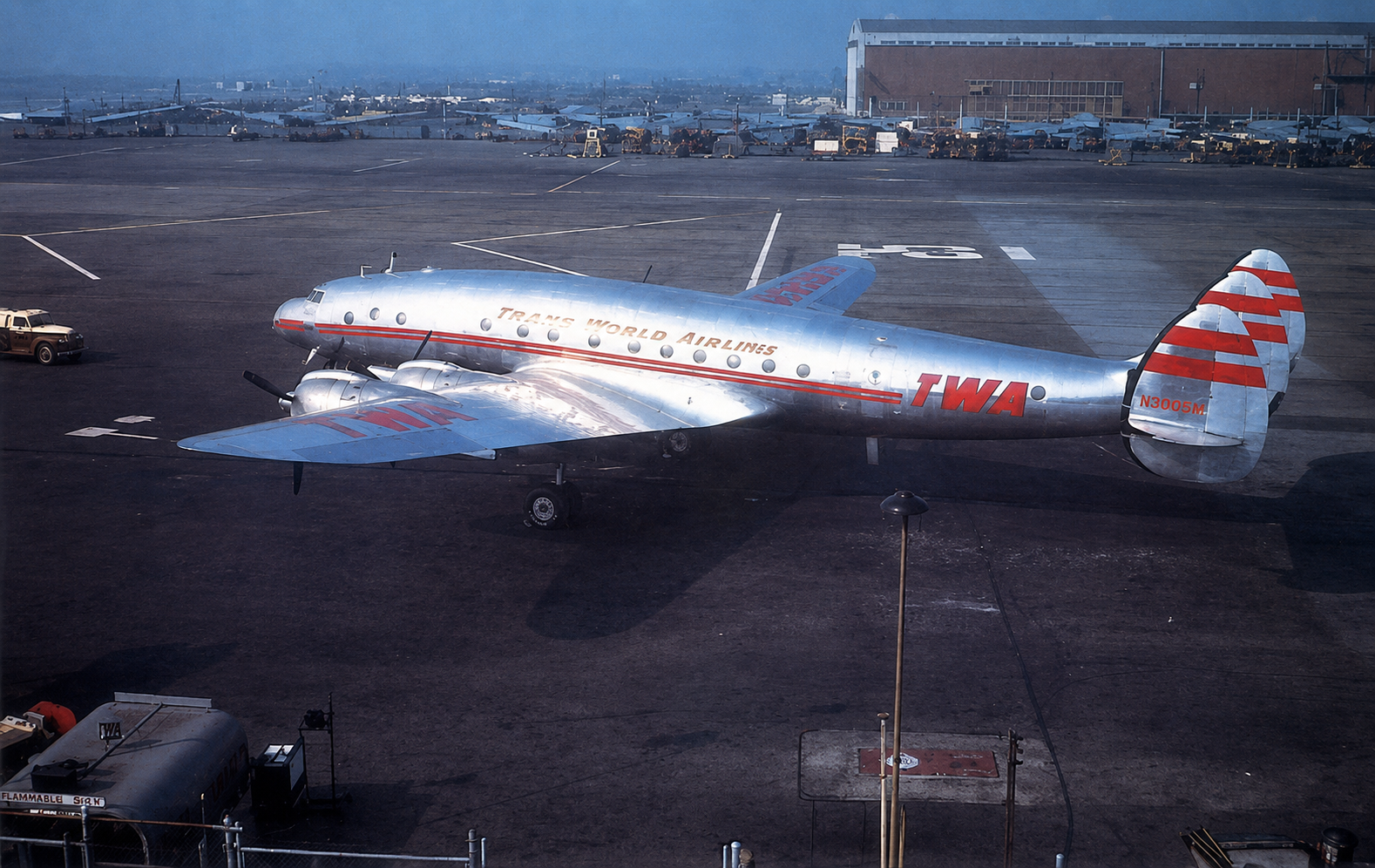
On December 3, 1945, TWA’s Constellation “Paris Sky Chief” lifted off from Washington National Airport for Paris, christened with a blast of vapor as a band played. Here is the story.
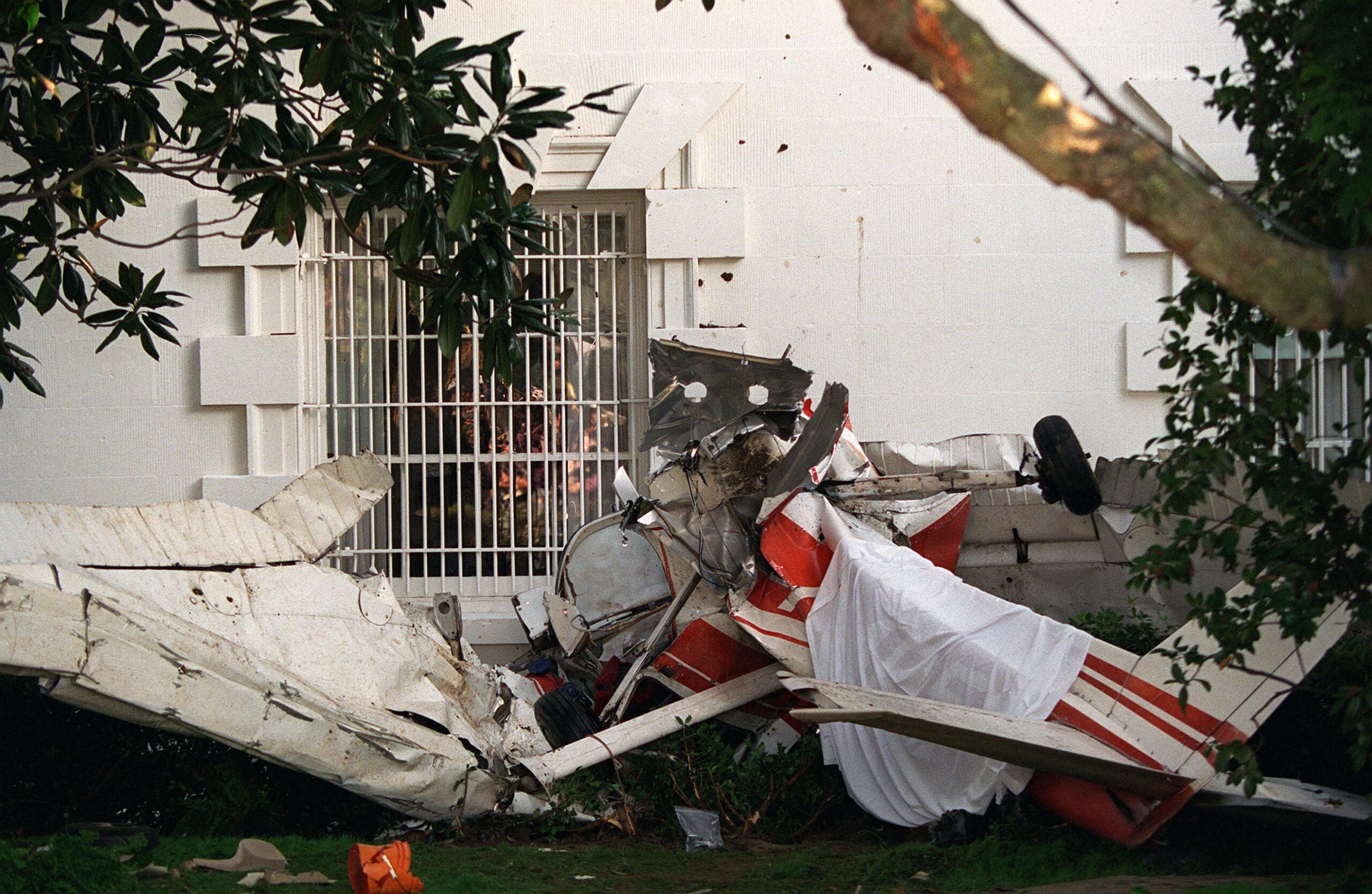
Twice in twenty years, someone climbed into a stolen aircraft and put it down on the White House South Lawn. In 1974 it was a 20-year-old Army private in a stolen Huey. In 1994 it was a depressed truck driver in a stolen Cessna. Both times, the president was away. Both times, the Secret Service had to rewrite the rules.
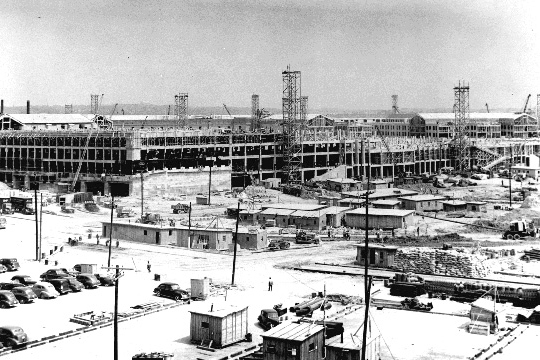
Sixteen months from groundbreaking to dedication. Thirteen thousand workers on round-the-clock shifts. Segregated cafeterias FDR personally overruled.
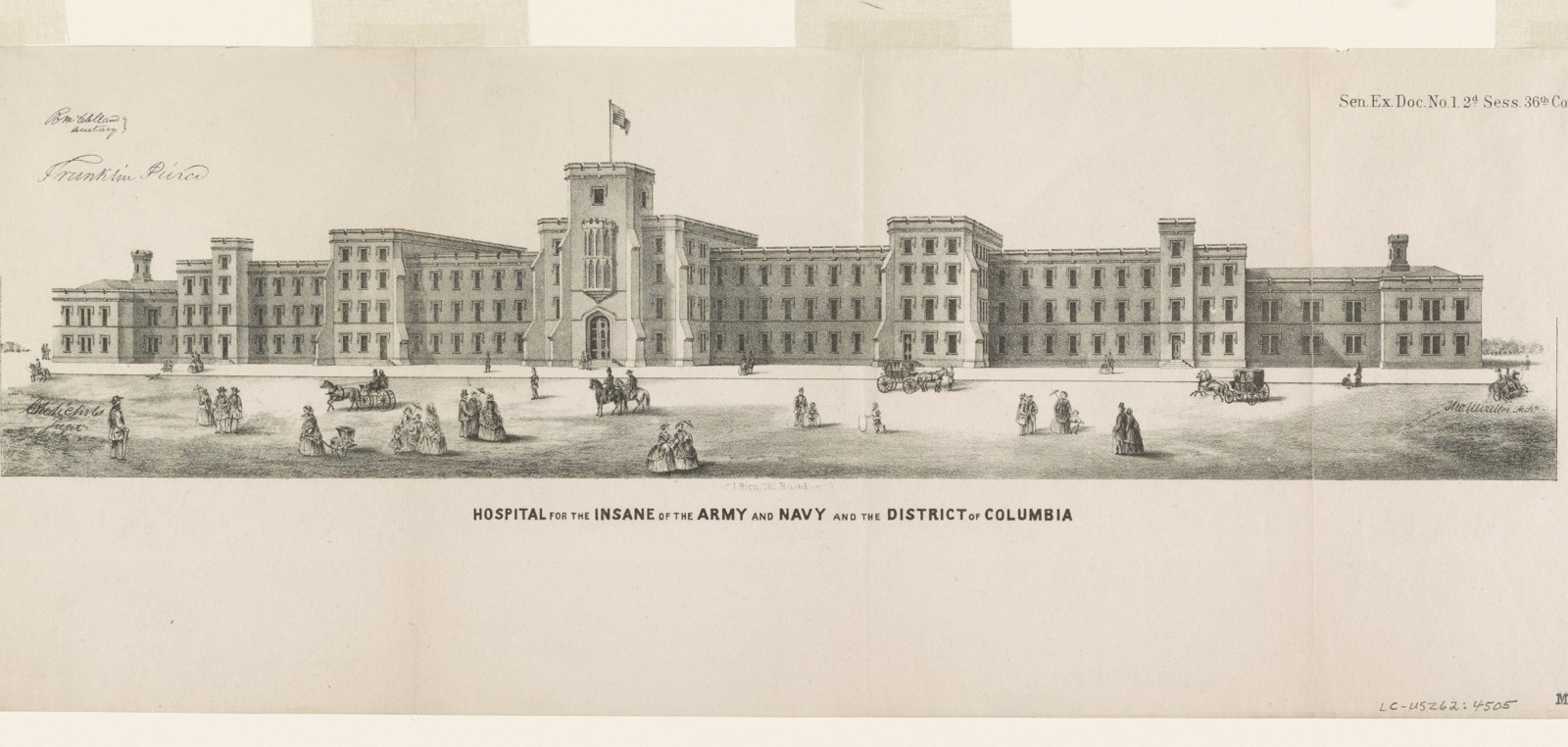
On January 31, 1958, the Evening Star started calling Dallas O. Williams “the Bad Man of Swampoodle.” The nickname stuck through five trials, three vacated convictions, and a 1961 double murder that exposed the broken machinery of DC’s insanity defense.
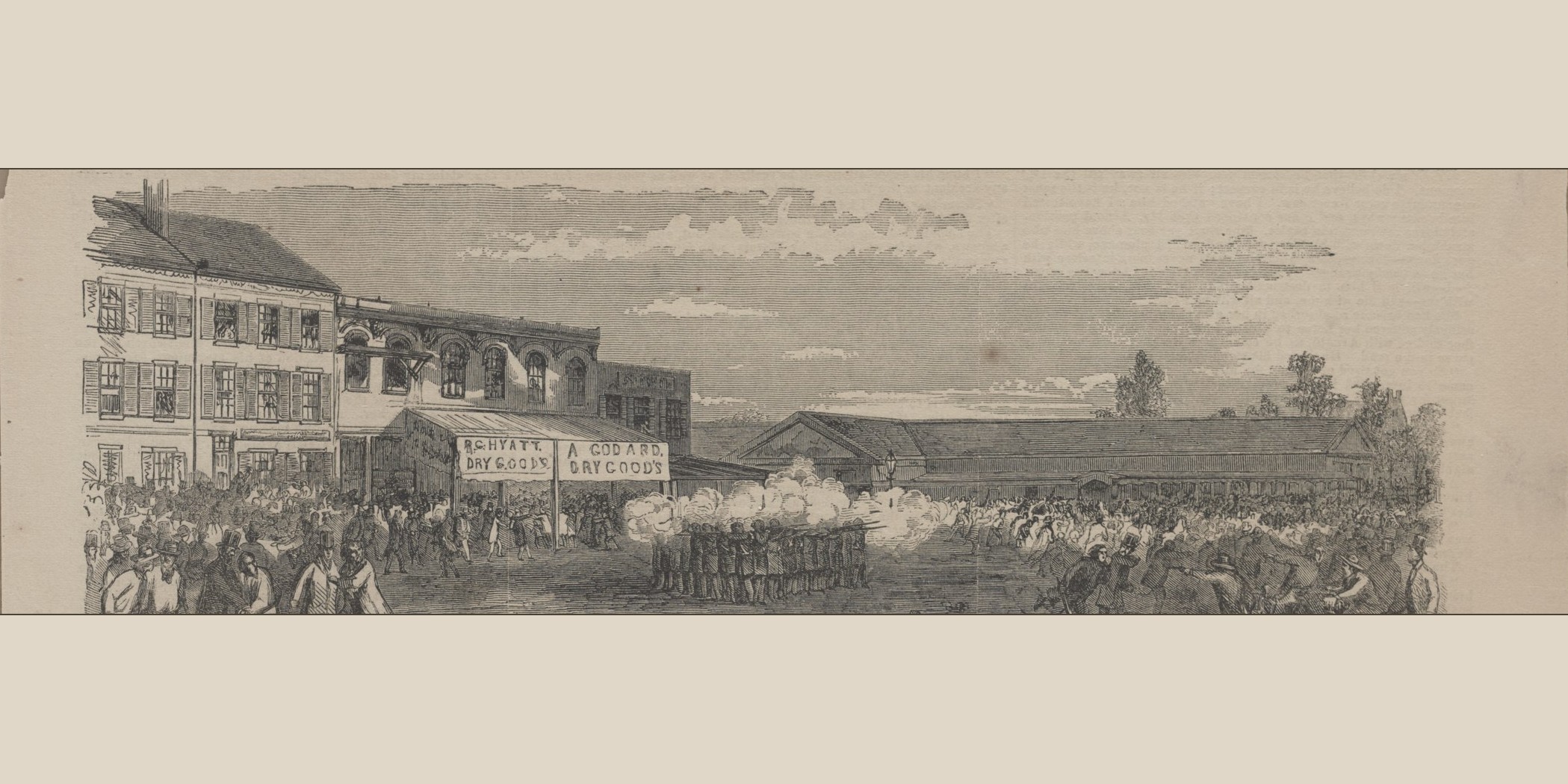
In 1857 the commandant of the Marine Corps faced down a rioters’ cannon at a DC polling place, armed only with a cotton umbrella.
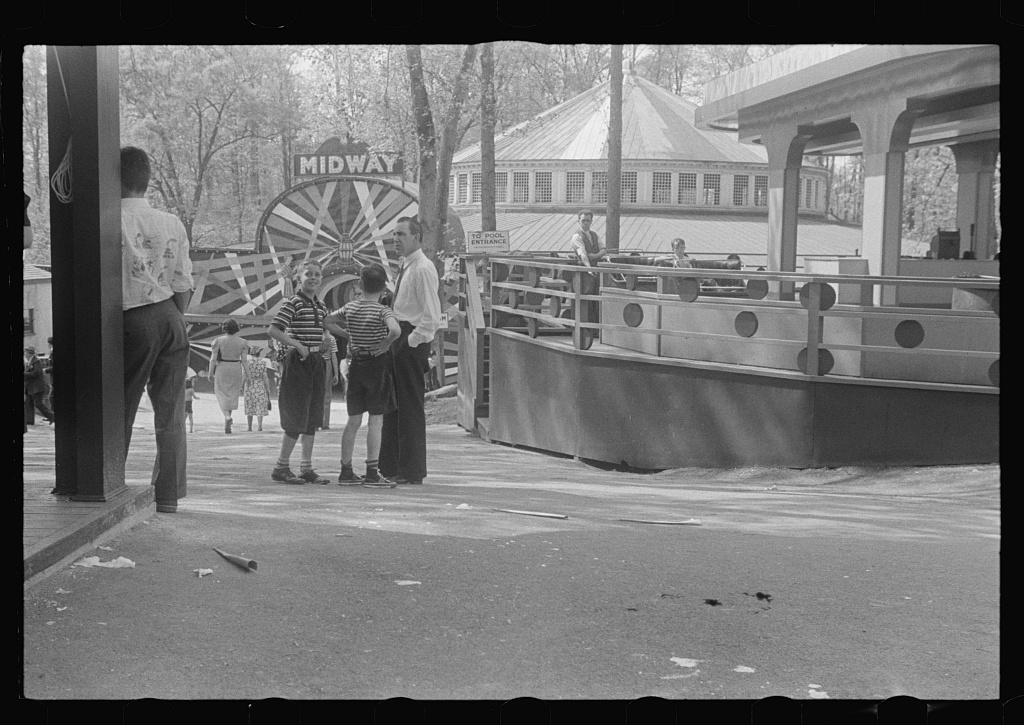
It started as a one-summer Chautauqua on the Potomac, built by twin brothers who had cashed in on an egg beater patent. By 1933 it was a streetcar amusement park with a Spanish ballroom and a Dentzel carousel. By 1960 that carousel was the flashpoint of a Howard University sit-in.
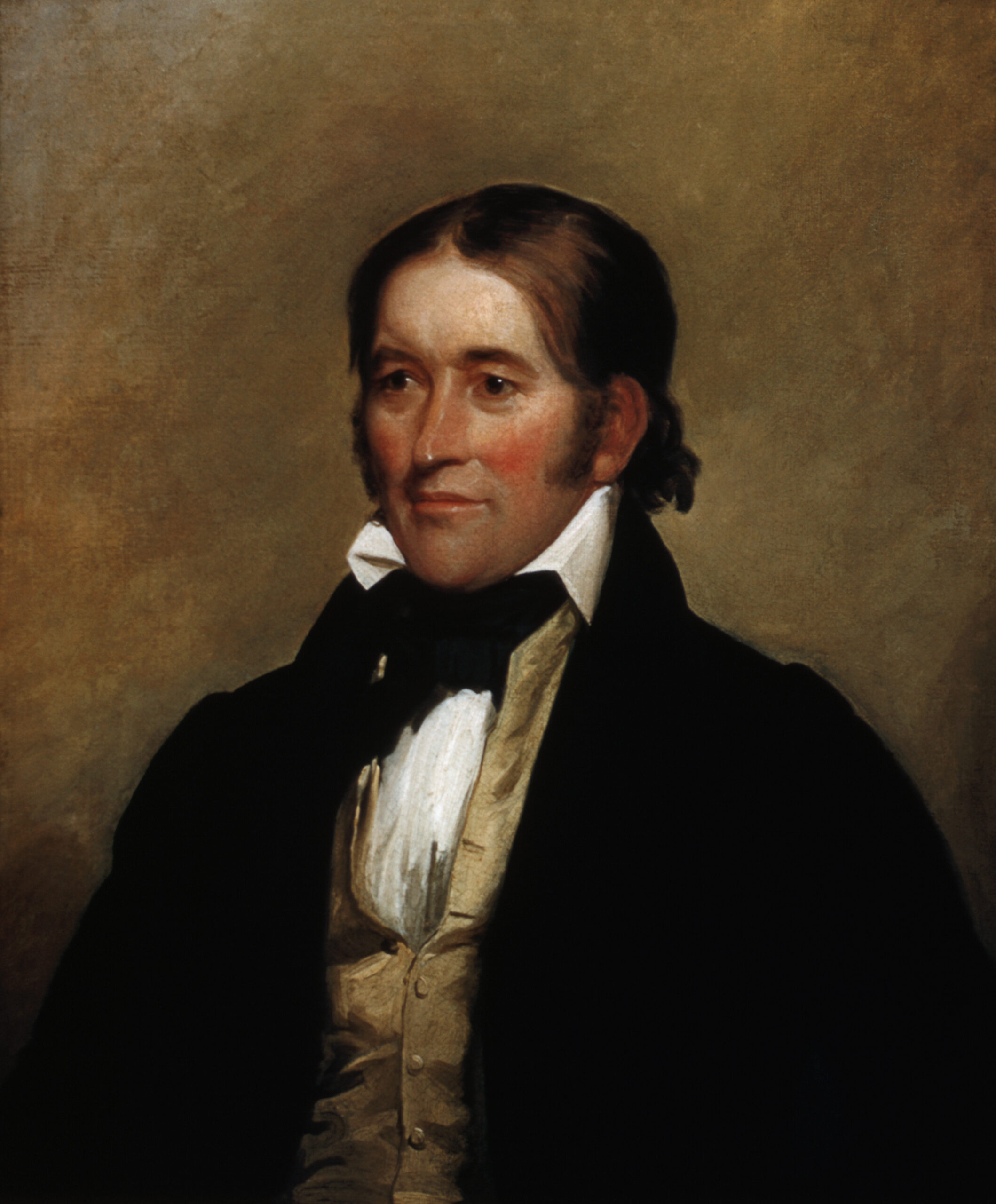
On May 26, 1830, the House passed the Indian Removal Bill 102-97. Tennessee’s David Crockett was the only member of his delegation to vote no.