
Streetcars
Washington’s streetcar system was once one of the most extensive in the country, with lines running from Georgetown to Anacostia and from downtown to the far reaches of Northwest DC. These posts dig into the history of specific lines, companies, and cars that shaped the city’s development before the system was shut down in 1962.
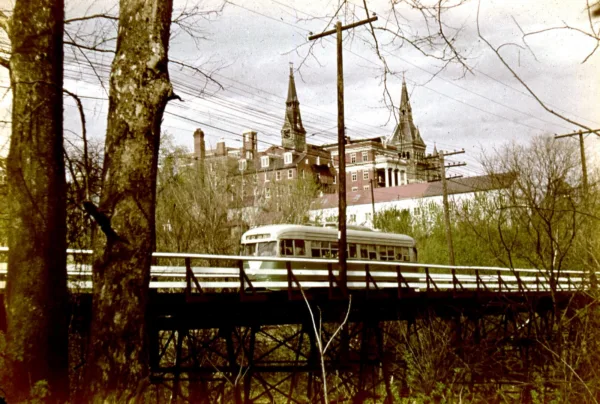
The Foundry Branch trestle carried Glen Echo streetcars over Glover-Archbold Park from 1896 to 1960. Now DC’s last streetcar bridge is coming down.
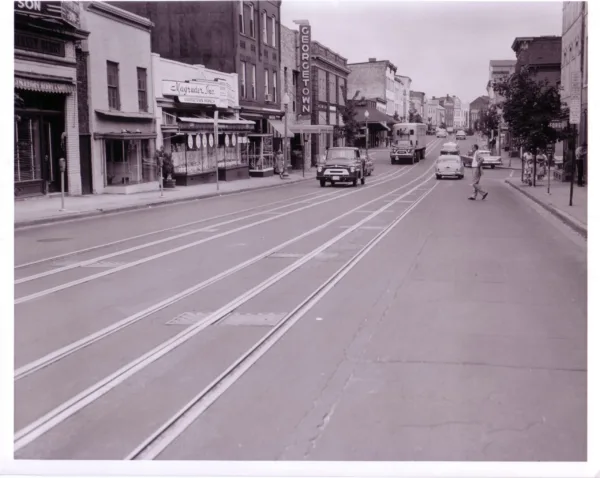
Six months after the last streetcar ran up Wisconsin Avenue, a camera caught Georgetown’s idea of rush hour on June 30, 1960.
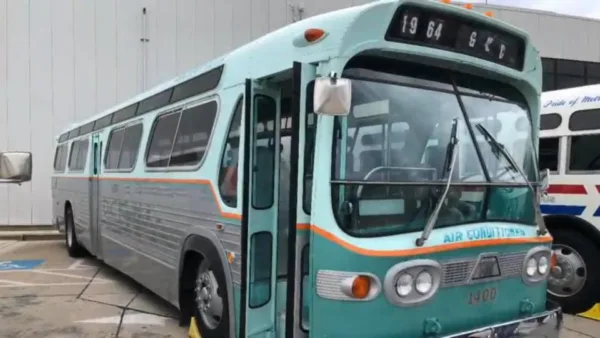
Just after 2 a.m. on January 14, 1973, WMATA condemned D.C. Transit and its suburban sister company out of existence. The owner was a New York lawyer named O. Roy Chalk, and he had run Washington’s bus system for sixteen and a half years.
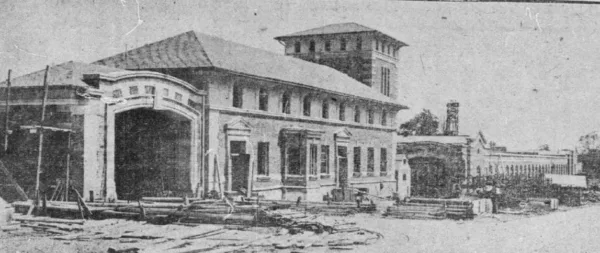
In 1907 a streetcar company built its 14th Street car barn to look like an Italian villa. Behind that facade, 250 trolleys once slept.

In June 1942, Washington D.C. gas stations on upper Wisconsin Avenue ran dry by 8:30 a.m. These Office of War Information photos show how the city lived through wartime gas rationing.
There’s more where these came from.
Lost Washington stories in your inbox most mornings: the newest, plus a few from the archive.

The Dupont Underground is a network of abandoned streetcar tunnels beneath Dupont Circle, frozen in time since the last car ran in 1955.
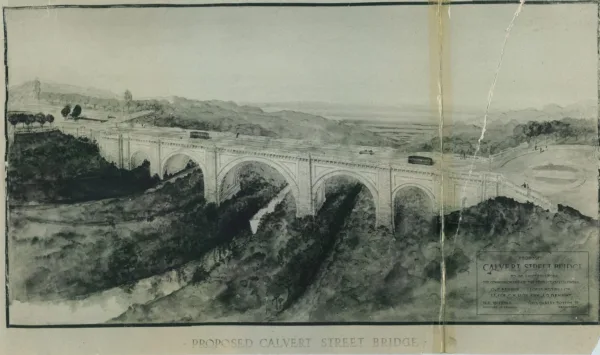
D.C. architect George Oakley Totten Jr. spent 16 years fighting to see his 1917 Calvert Street Bridge design built. Here’s why it never happened.
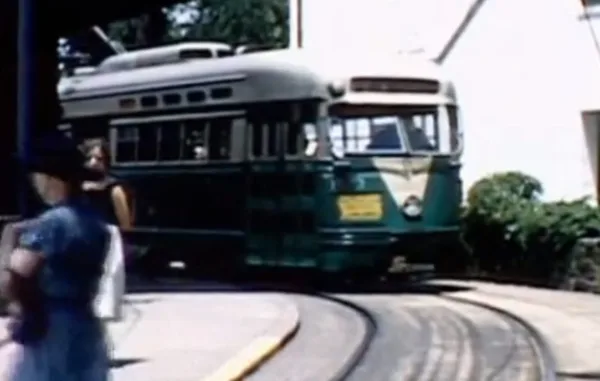
Film footage of the 82 streetcar line running from Eckington through northeast Washington, up through Mount Rainier, Hyattsville, Riverdale Park, and into College Park.
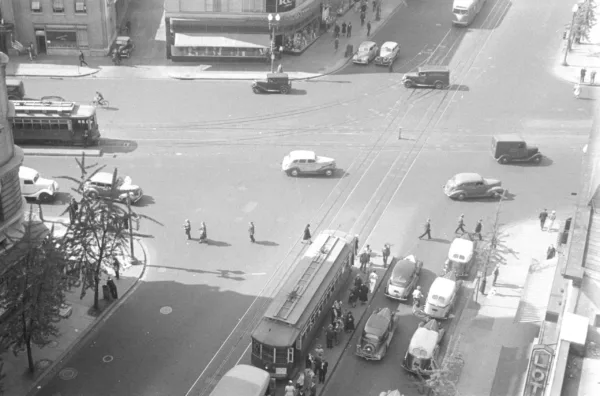
A photographer near the Lotus Club caught streetcars crossing at 14th Street and New York Avenue in 1939.

Wartime photographs show women learning to operate streetcars, collecting fares and carrying passengers around Washington.
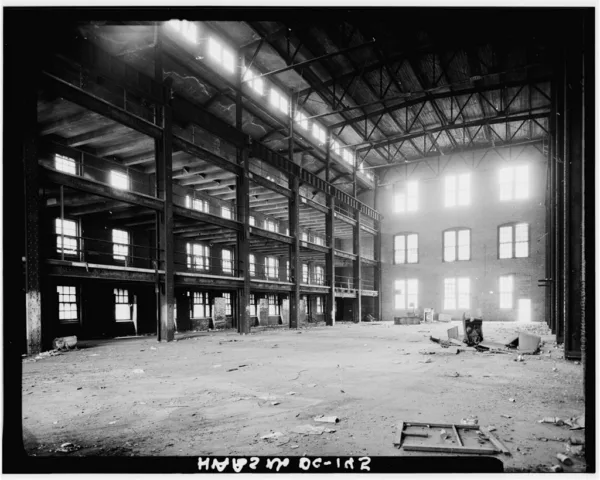
These haunting 1967 photos show the inside and outside of the old Capitol Traction Company Powerhouse, previously located on the Georgetown waterfront.

This Library of Congress photograph records a Washington streetcar in the 1890s.
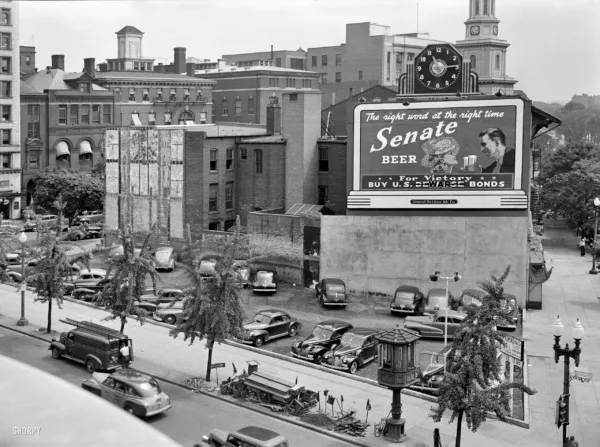
During World War II, a 1942 gasoline shortage pushed Washington, DC onto streetcars. Albert Freeman’s photo captured the 14th Street control tower.

Film footage from the 1950s showing Washington, D.C. streetcar lines, including recognizable stops at Dupont Circle, East Capitol Street, and Union Station.
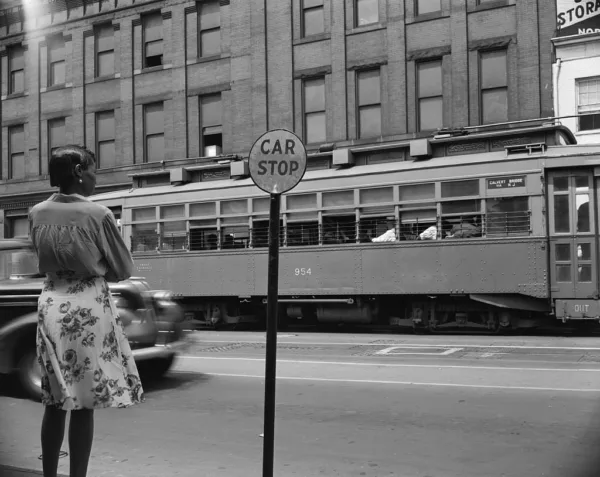
A woman waits for the streetcar on Florida Ave NW, just west of 7th St, in 1942. The building across the street is still there today.
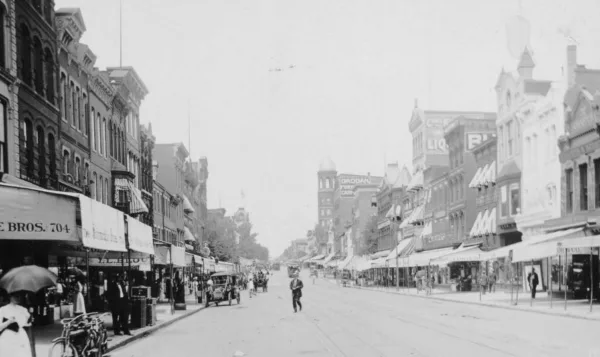
Streetcars, automobiles and horse-drawn carts share 7th Street in a photograph taken from G Street on June 27, 1911.
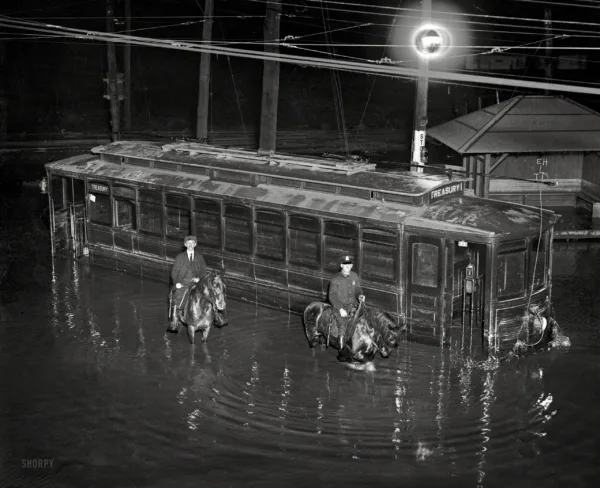
A National Photo Company photograph records a streetcar amid the aftermath of Washington’s April 1923 flooding.

A streetcar heads south past the buildings in the 600 block of North Capitol.

Children, police motorcycles with sidecars and a streetcar share the frame in this unidentified Washington scene from around 1922.
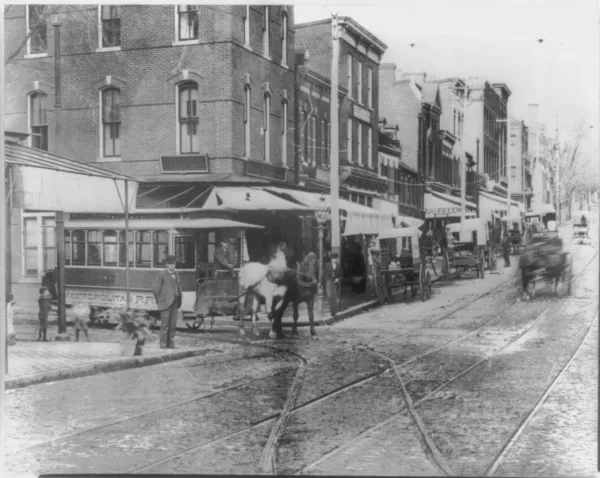
Read the tragic story of Levin Ward, a 65-year-old soldier from Tennallytown struck by the Georgetown and Tennallytown Electric Railroad’s Car No. 9. See his 1880 U.S. Census entry and learn why this streetcar was cursed.