
On August 19, 1949, the Evening Star reported that a Catholic priest had freed “a 14-year-old Mount Rainier, Md., boy” from possession by the devil. That one phrase sent people to the wrong town for the next half century.
Starting in the 1980s, anyone hunting for the real house behind The Exorcist ended up on Bunker Hill Road in Mount Rainier. The trouble is that the family never lived there. They lived next door, in Cottage City, and once the papers named a town, they named the wrong one.
A poltergeist in a Washington suburb
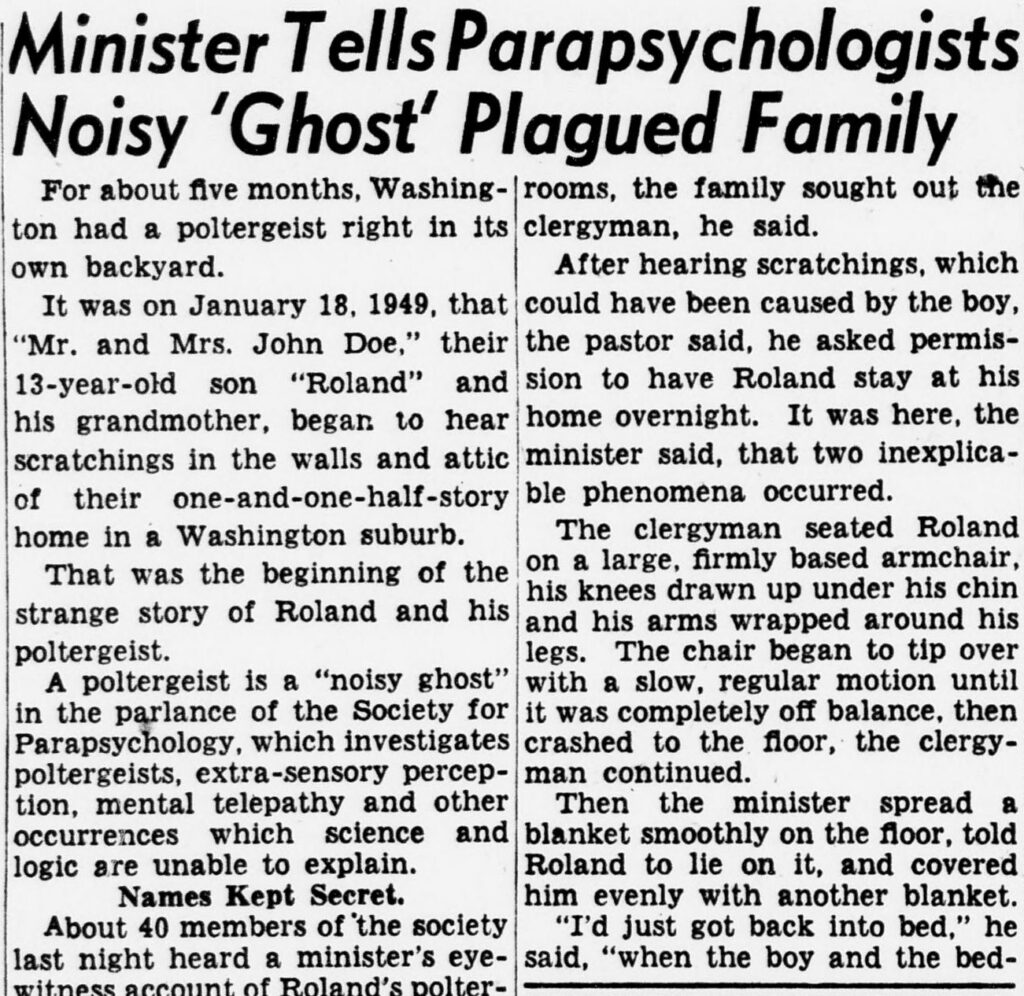
The story first reached the papers in August 1949, and at that point it had no town attached to it at all. Here’s how the Evening Star opened its report on August 10, the day after a Lutheran minister described the case to a local society of parapsychologists.
For about five months, Washington had a poltergeist right in its own backyard.
The Star called the family “Mr. and Mrs. John Doe” and their son “Roland,” and placed them only in “a Washington suburb.” According to the minister, the trouble began in mid-January 1949 with scratching in the walls and attic, and before long furniture was sliding around the rooms.
The minister was the Rev. Luther Miles Schulze, pastor of St. Stephen’s Evangelical Lutheran Church at 1611 Brentwood Road NE. He had written to Duke University’s parapsychology lab about the boy months earlier, and his letter to J.B. Rhine, dated March 21, 1949, is still in Duke’s archives. Schulze had the boy stay overnight at his own house, and he wrote that “Chairs moved with him and one threw him out.”
A Lutheran pastor typed that to a Duke scientist on church letterhead. He also passed along the family’s claim that words had appeared on the boy’s body, though he added that he and his own doctor saw no words, only rashes that looked like scratches.
Rhine wrote back on April 2 and said he was deeply interested, but he also offered a more down-to-earth theory.
As you know, the most likely normal explanation is that the boy is, himself, led to create the effect of being the victim of mysterious agencies or forces and might be sincerely convinced of it.
So even the man running Duke’s parapsychology lab thought the kid might be doing it himself.
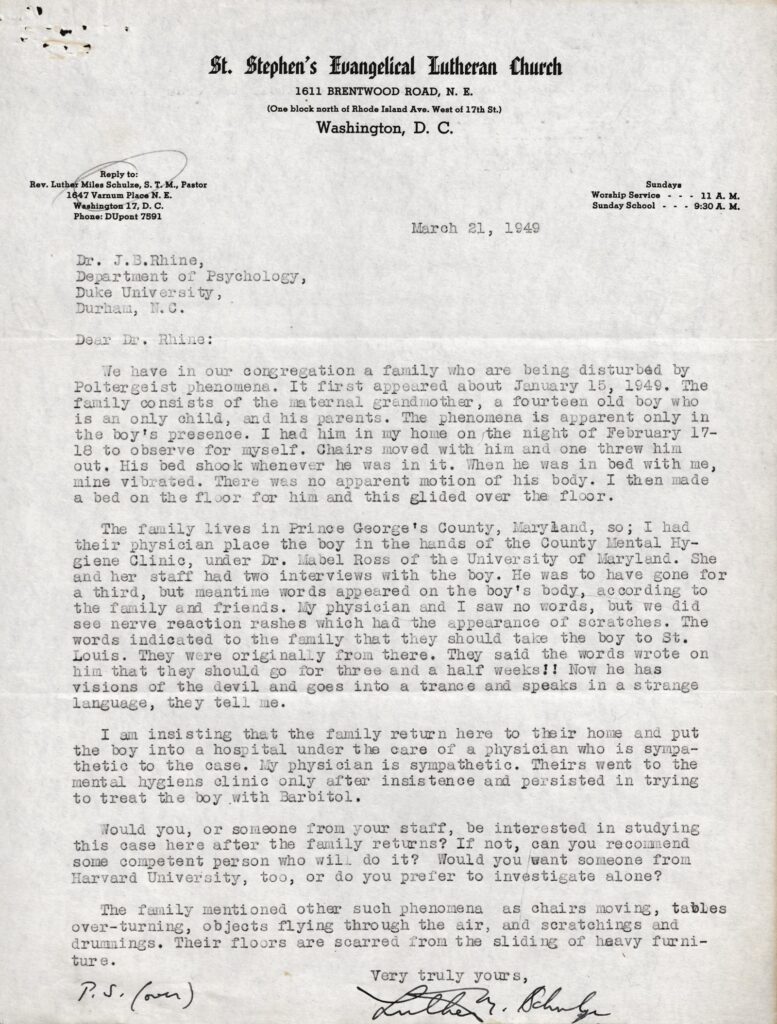
Schulze’s letter says only that the family lived in Prince George’s County. It also says the family was originally from St. Louis, and that’s where the family had taken him by the time Schulze wrote.
Mount Rainier makes the paper
Nine days after that first story, the Star had a much bigger one. Church sources, including the news service of the National Catholic Welfare Conference, had disclosed that a priest performed an exorcism on the boy, and the Star filled in what it could.
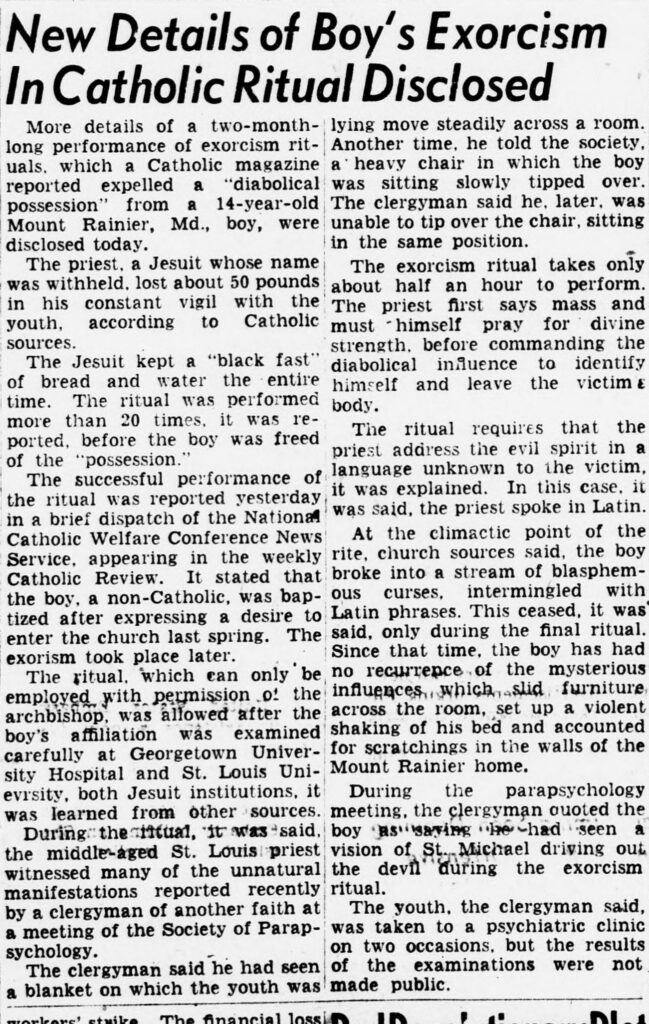
A Catholic priest has successfully freed a 14-year-old Mount Rainier, Md., boy of reported possession by the devil here early this year, it was disclosed today.
That’s the earliest mention of a town we found, and it stuck. The next morning the Washington Post put the story on its front page under the headline “Priest Frees Mt. Rainier Boy Reported Held in Devil’s Grip.” Reporter Bill Brinkley called it “perhaps one of the most remarkable experiences of its kind in recent religious history,” and inside the paper he placed the strange goings-on in the family’s “Mount Rainier house since January 18.”
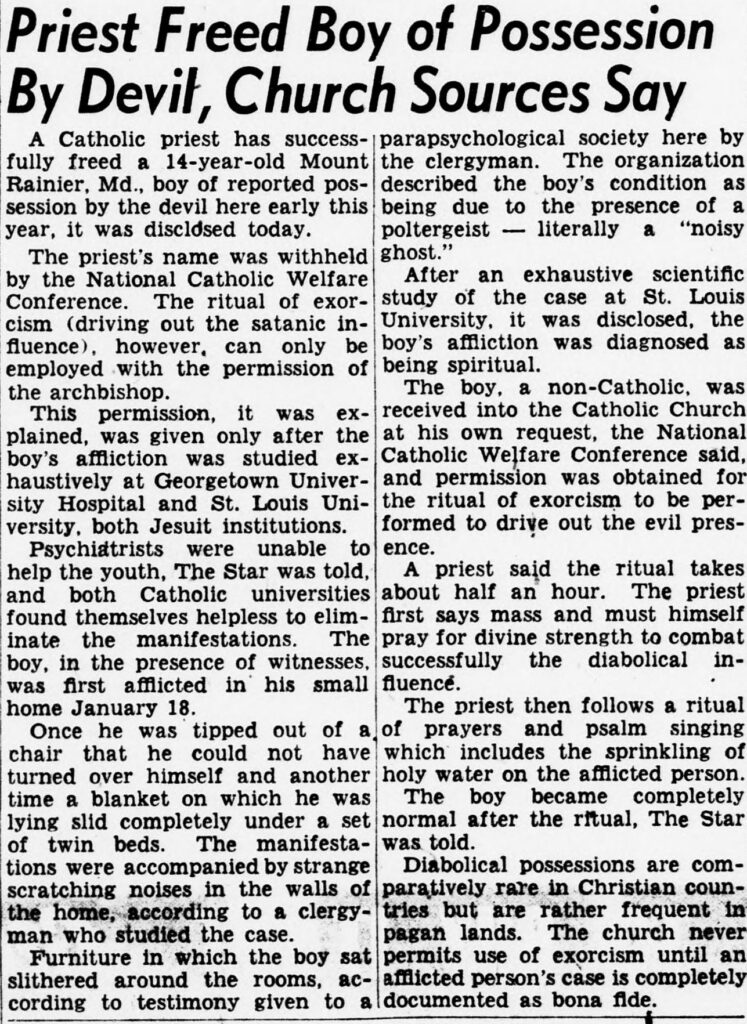
The Star followed that afternoon with more from church sources. The ritual had been performed more than 20 times, and the Jesuit who led it lost about 50 pounds while keeping a “black fast” of bread and water the entire time.
At the climax of the rite, church sources said, the boy broke into a stream of curses mixed with Latin. The same story said the clergyman who had spoken to the parapsychologists, Schulze, quoted the boy as saying he saw a vision of St. Michael driving out the devil.
Both Star stories explained that an exorcism couldn’t simply be performed on request. The church required the archbishop’s permission, and the Star reported that it was given only after the boy had been examined at Georgetown University Hospital and at St. Louis University, both Jesuit institutions. Then the August 20 story added this line.
Since that time, the boy has had no recurrence of the mysterious influences, which slid furniture across the room, set up a violent shaking of his bed and accounted for scratchings in the walls of the Mount Rainier home.
The Mount Rainier home. That’s all it took.
The Star’s August 19 story placed the possession “here,” but the rites that ended it took place in St. Louis. They were led by the Rev. William S. Bowdern, a Jesuit and the pastor of St. Francis Xavier College Church, and according to Saint Louis University the final rite took place at Alexian Brothers Hospital on Easter Monday, April 18, 1949.
The house that wasn’t
Mount Rainier is a small town just over the DC line from Northeast, and for years the story attached itself to one particular house there, at 3210 Bunker Hill Road. Local historian Mark Opsasnick found that a 1981 story in the Prince George’s Sentinel pointed to a lot on Bunker Hill Road, a 1983 Sentinel story printed the address, and the Washington Post repeated it in 1985.
The problem, as Opsasnick reported in Strange Magazine in 1999, is that the house was the home of a man named Joseph Stroup Haas, who died there in 1951 and had no children. He found nothing tying the possession to that house at all.
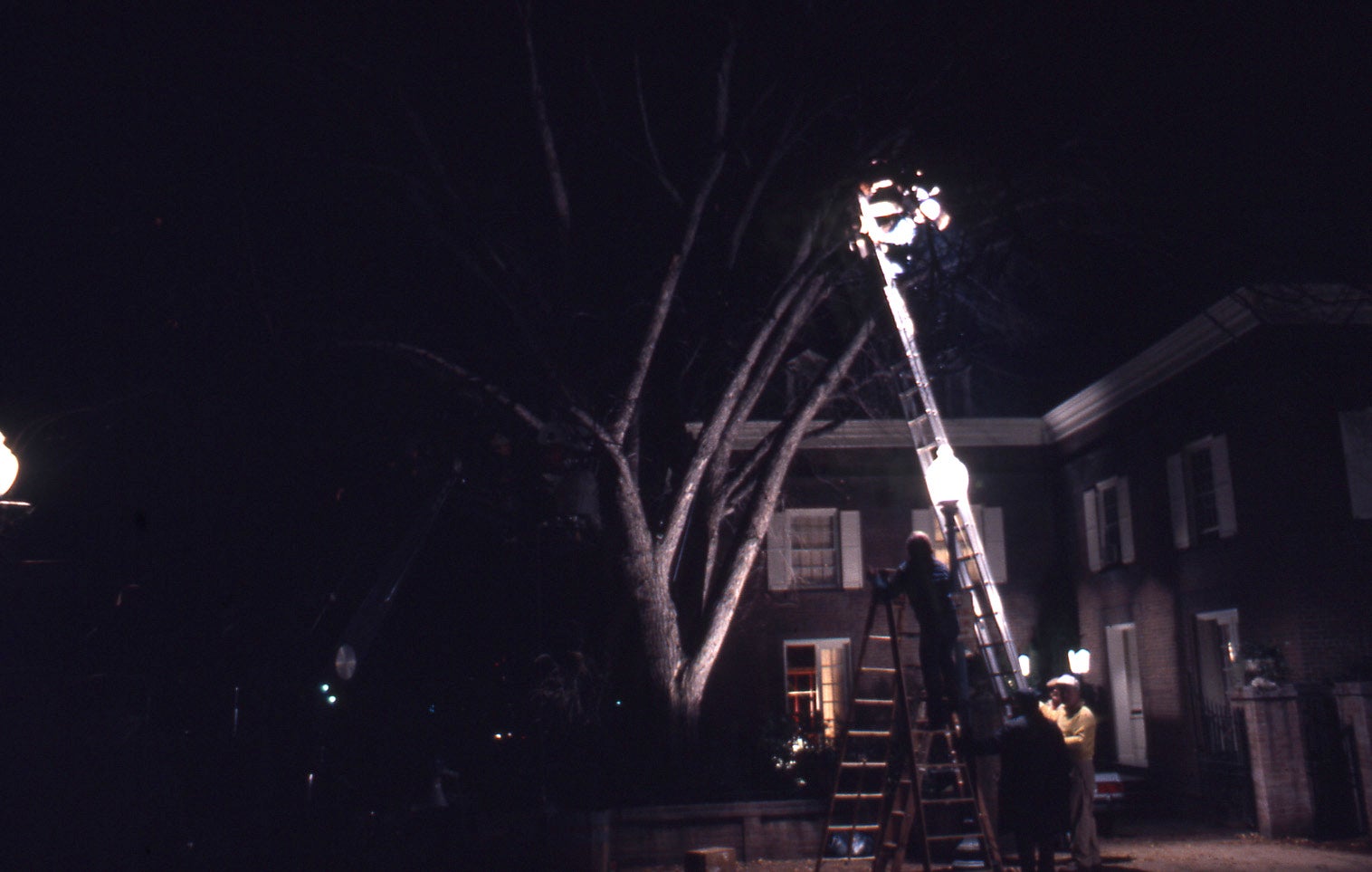
The house is long gone anyway. Opsasnick wrote that it was burned in March 1962 as a fire training exercise, though he noted that Thomas B. Allen’s book Possessed gives April 1964 instead. The lot became a small park with a gazebo, known around town as the Exorcist lot.
Where the family actually lived
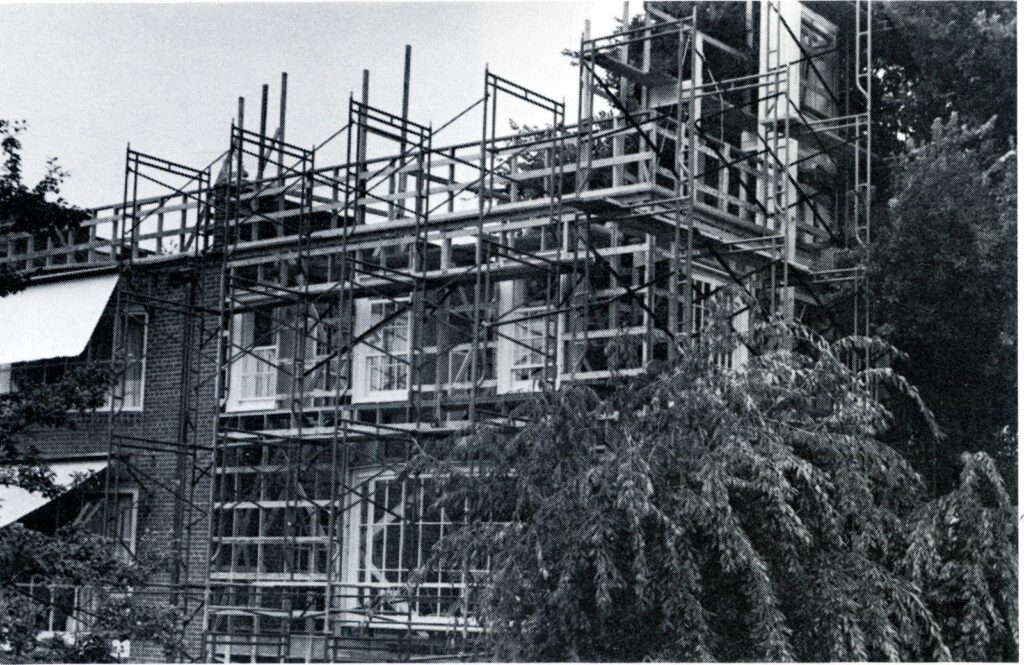
Opsasnick put the family in Cottage City, the small town that borders Mount Rainier. Their house was on 40th Avenue, which was called Central Avenue until 1942, and he found that they moved there in 1939 and that the father sold the house in 1958. Cottage City residents told him the family had always lived in the house on 40th Avenue.
The 1950 census backs him up. A census sheet dated April 24, 1950, lists four people in the household on 40th Avenue in Cottage City: Edwin C. Hunkeler, a 49-year-old machinist at what the form calls the “U.S. Ordnance Laboratory,” his wife Odell, their 14-year-old son Ronald, and Odell’s mother, Anna Coppage.

Both parents and the grandmother were born in Missouri, and Ronald was born in Washington. Later accounts trace the whole episode to an aunt who was interested in spiritualism, and to a Ouija board the boy reportedly used to try to reach her after she died.
From Cottage City to Georgetown
Georgetown University Hospital also became the setting for one of the most retold parts of the legend, a failed exorcism there by a local priest. Opsasnick found no written record of it.
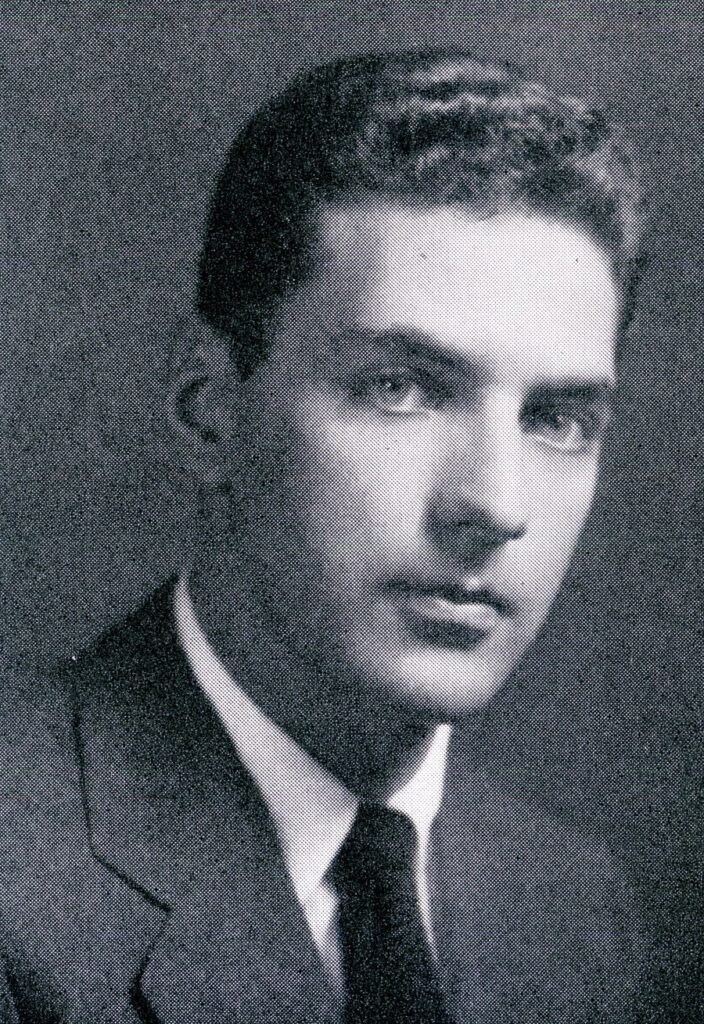
Still, Georgetown is where the story ended up. William Peter Blatty, who graduated from Georgetown in 1950, heard about the case from a Jesuit professor and read the Post’s coverage while he was at school. In 1971 he turned it into his novel The Exorcist, and he moved the whole thing to Georgetown.
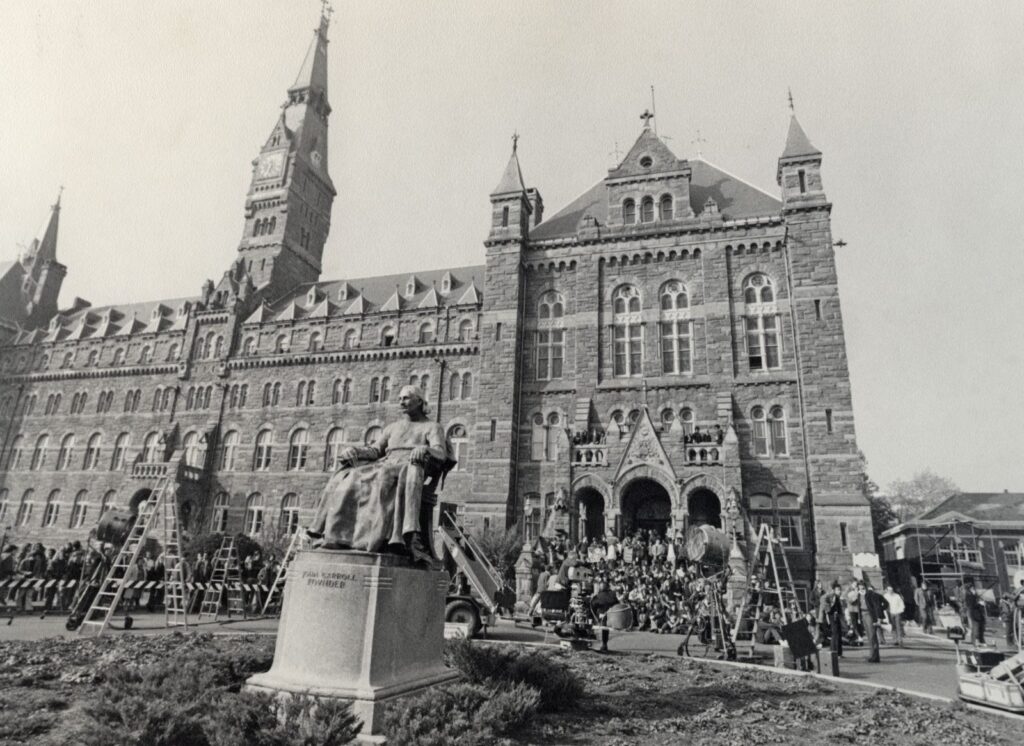
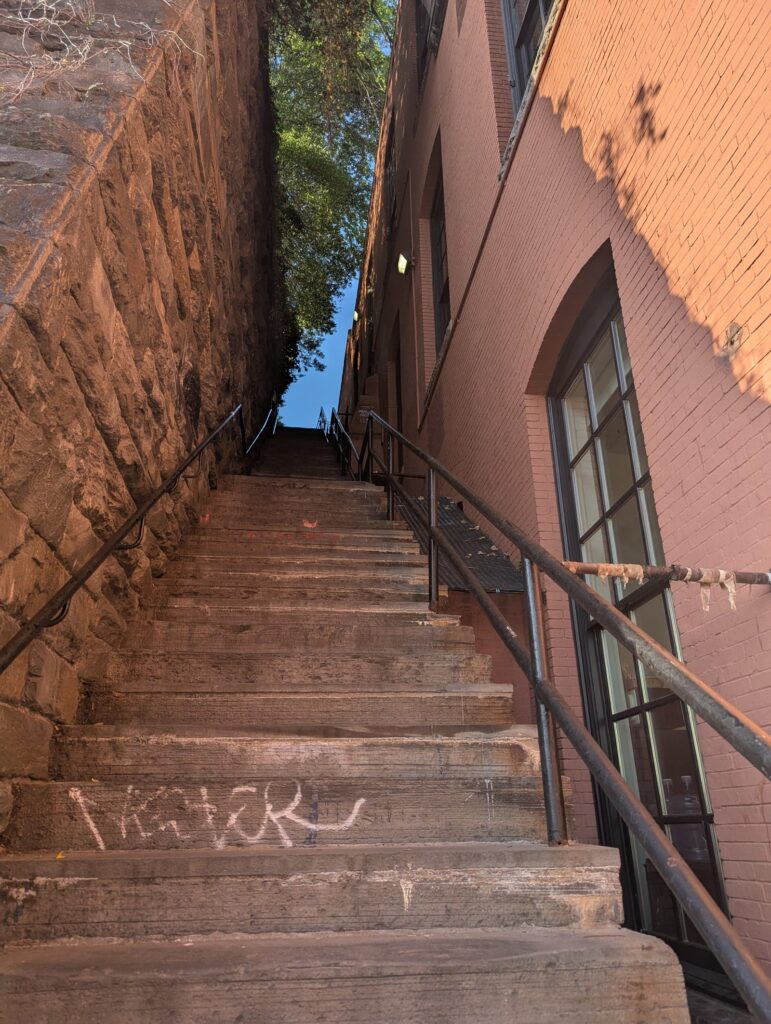
The film crew shot on the Georgetown campus and on Prospect Street in the fall of 1972, and the movie opened in December 1973. The steep stone stairway running down from Prospect Street to M Street became the Exorcist steps, and on October 30, 2015, Mayor Muriel Bowser and Blatty were on hand when a plaque was dedicated there.
We’ve written before about how a single newspaper story can launch a local legend, like the real Bunny Man of Fairfax and Prince George’s own Goatman. This one went a lot further than either.
Who the boy was
For more than 70 years the boy was known only by pseudonyms, “Roland” in 1949 and later “Robbie.” In 2021 a skeptics’ magazine identified him as Ronald Hunkeler, the 14-year-old in that 1950 census entry. He was born on June 1, 1935, and died on May 10, 2020.
News reports in 2021 said he went on to a long career as an engineer at NASA. A companion told reporters he worried for the rest of his life that colleagues would find out, and that he made a point of not being home on Halloween.
It’s hard to blame him. The legend is still sitting in a little park in the wrong town.
We dug this one up with help from AI and checked it against the original records below. Here’s how we use AI.