
If you grew up in Washington right after World War II, there’s a good chance you started trick-or-treating on October 30. Not just Halloween. The night before, too.
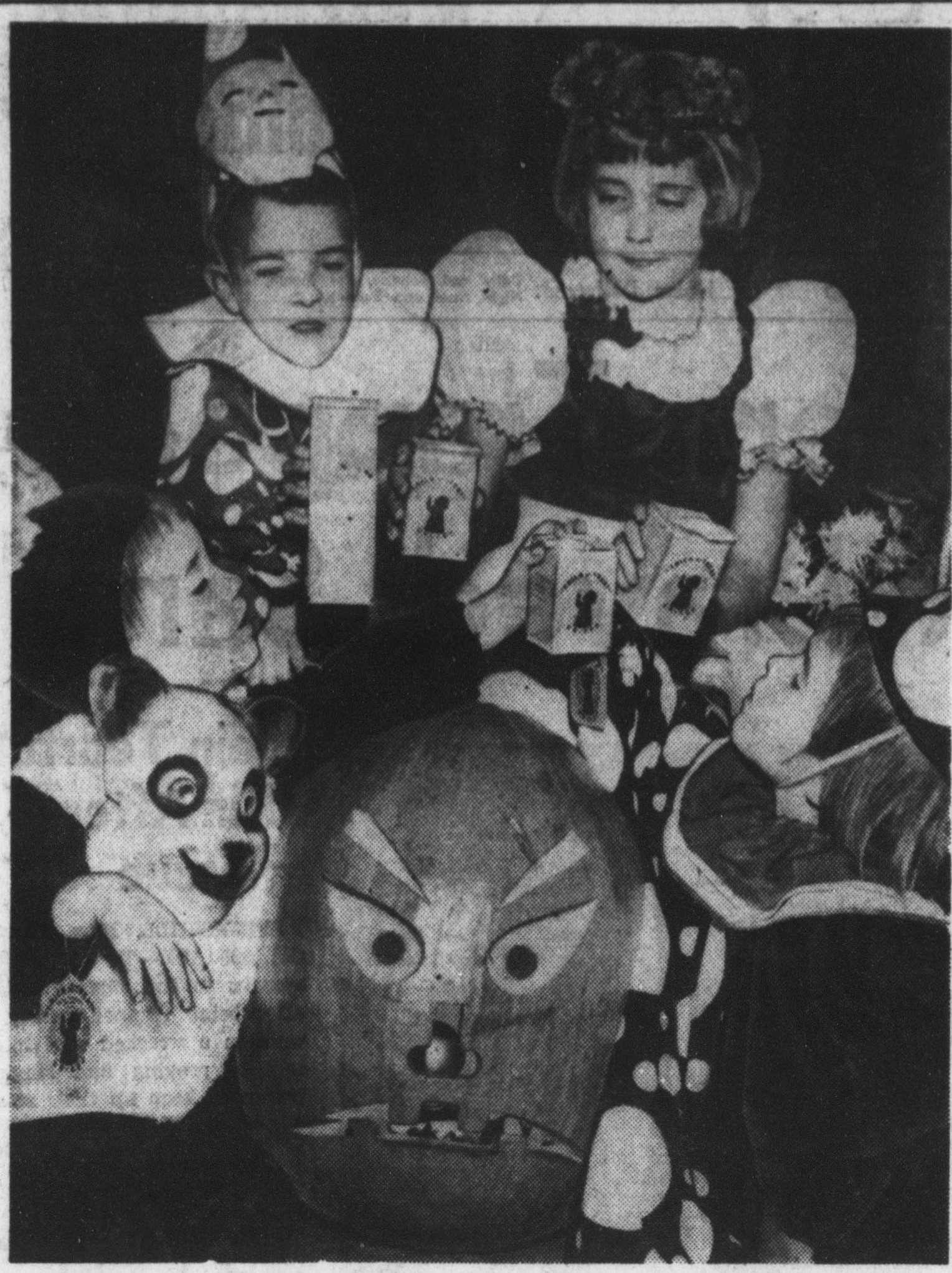
They called it beggar’s night. Kids in sheets and rubber masks made their rounds on the 30th, then plenty of them went back out on Halloween for more candy, parties and pranks. For a while, Washington had a two-night Halloween, and plenty of grown-ups were not happy about it.
Before the doorbell, there was downtown
For the first part of the 20th century, Halloween in Washington wasn’t really a neighborhood thing. It was a downtown free-for-all.
On Halloween night in 1911, the Washington Times described kids yanking doorbells and throwing corn and flour, while the crowds that poured out of the theaters turned Pennsylvania Avenue into “a street carnival.” In 1928, the Star reported thousands thronging the downtown streets, and the street cleaners were out early the next morning hauling piles of confetti off F Street, Pennsylvania Avenue and Ninth Street. In 1932, huge crowds lined Pennsylvania Avenue for a Halloween parade.
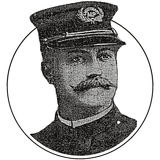
It could get rough. On Halloween 1936, the Evening Star talked with Police Superintendent Maj. Ernest W. Brown about the year before:
Last year on Halloween, probably the wildest in the history of Washington, Maj. Brown was bombarded with both confetti and lighted cigarettes when he drove down F street in uniform.
That’s the head of the police department. In uniform.
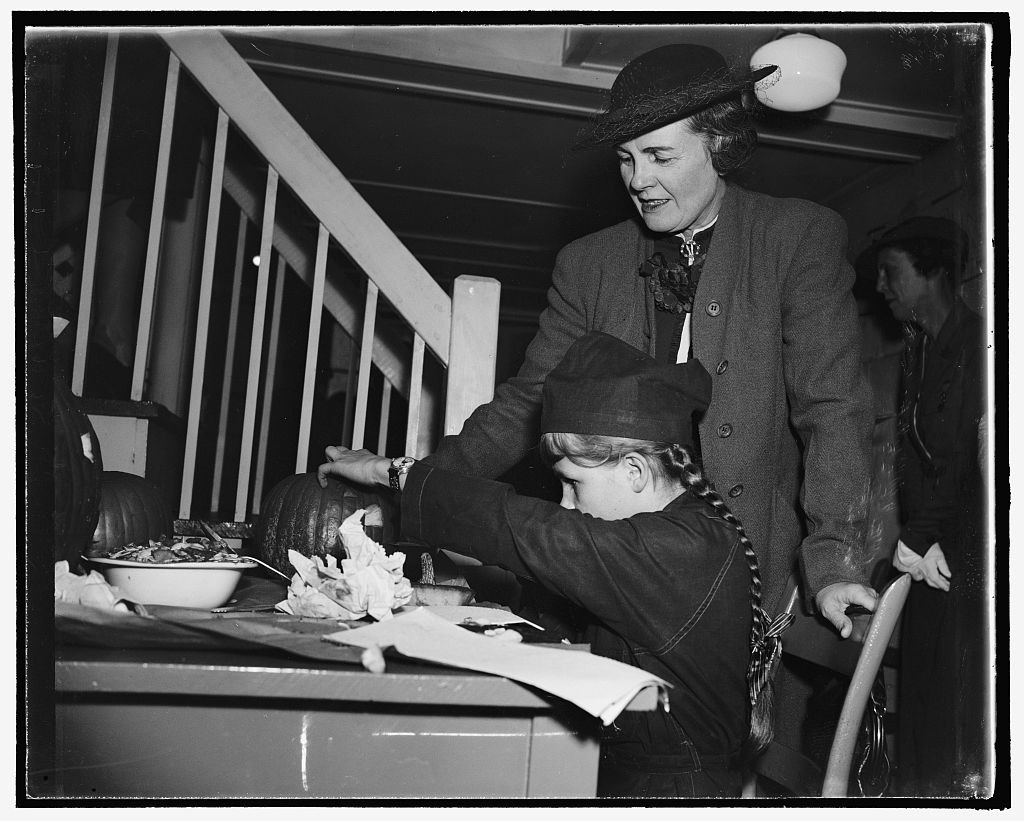
Beggar’s night arrives
Then came the war, and the downtown parade went away. When the Star previewed Halloween on October 31, 1945, the paper had to explain something new to its readers:
Many youngsters here and in nearby areas were active last night—”beggar’s night” to pranksters. A ring of the doorbell is followed by the warning of “trick or treat.” The idea is that they must be given some kind of edible treat, else they will return tonight for devilment.
The same story noted that there would be “no downtown parade such as was held before the war.” Halloween had moved to the neighborhoods, and it had picked up an extra night.
That’s the earliest mention of beggar’s night I’ve found in the Washington papers, and the Star explains trick-or-treat as if its readers had never heard of it. The Washington Post didn’t mention beggar’s night until 1947.

By 1947 the routine was set. The Star called October 30 the opening act:
There was a curtain raiser to the annual festival last night. It was beggar’s night, when children sought cookies, apples or other edibles with the ominous greeting, “Trick or treat.” But the absence of goblins, who don’t come out until tonight, the vigil of Hallowmas or All Saints’ Day, deprived the “beggars” of some of their eagerness.
Some kids couldn’t wait for Halloween’s pranks, either. That same October 30, pranksters sent the Fire Department to 20 false alarms.
No tricks, just a treat
Not everyone answered the door with a smile.
In January 1947, a Municipal Court judge cleared a Northeast man of assault after a 12-year-old girl said he hit her when she came to his door with a “trick or treat” the previous Halloween. She was wearing a leopard costume. The judge called it a case of a man “merely trying to protect his own property from trespassers.”
Some neighborhoods tried to turn the whole thing into something useful. In October 1947, the PTA at Powell Elementary organized the kids in its neighborhood to collect spaghetti, rice, sugar and other dried foodstuffs for children overseas “instead of demanding the usual ‘trick or treat’ on beggar’s night.” Their slogan: “No tricks, just a treat for the starving children who want to eat.”
Washington argues it out
By 1948, beggar’s night had become a fight in the Star’s Readers’ Clearing House column.
One reader wanted to stop “this unnecessary custom that only started a few years back,” and suggested getting the teachers and the radio stations involved. A Washington reader who signed himself Rev. J. C. F. called it “juvenile gangsterism, more euphemistically called ‘beggars’ night,'” and compared the kids’ demands to Mussolini and Hitler telling England and France: give us what we want, and we won’t declare war.
A mother in Kensington saw it differently:
We put a jack’s lantern in the window; we make an attractive table of cider, cookies and fruit. We receive each caller and invite him into the dining room and serve him. No one has ever been unpleasant.
And a reader in Suitland laid out exactly how it had grown: “Until a few years ago we did not have this craziness to put up with. Then we had it for one night. Then the children began making it a two-night event. Last year we were annoyed for three nights.”
Three nights! You have to admire the kids’ work ethic.

The complaints kept coming. In October 1951, a Bethesda parent wrote in: “We object to ‘Tricks or Treat’ night which comes the night before Halloween. Every year we turn away children on October 30, asking them to return for food the next night.”
The Star mostly just warned its readers. Its October 30, 1951 headline called it a “Trick-or-Treat Racket,” and the story got right to the point:
Warning: Some householders may be outraged to get shaken down twice. The story behind that is that Washington’s hobgoblins aren’t organized for a one-night stand. Trick or treat holdups are expected tomorrow night, too.
Last night was practice
By the mid-1950s, the two-night Halloween was simply how Washington did it. On October 30, 1953, the Star told readers that “traditionally in these parts, this is the night kids beg candy.”
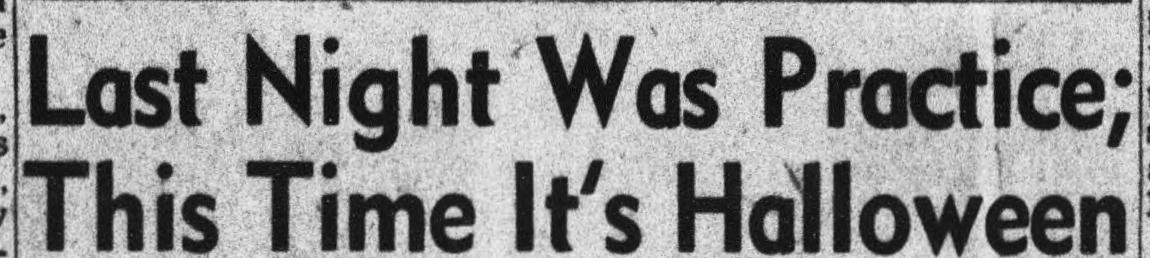
The headline on October 31, 1955 said it all: “Last Night Was Practice; This Time It’s Halloween.” The story underneath was just as blunt: “Don’t relax yet. Last night was unofficial. Tonight is really Halloween.”
The suburbs pushed back. In 1958, Rockville’s parents and householders were tired of trick-or-treaters on October 30 “and a few days on either side of that,” so Mayor Alexander J. Greene proclaimed Halloween night itself, Friday, October 31, to be “Trick or Treat” night, in hopes of getting back to just one night of costumes.
By then, some trick-or-treaters showed up with a UNICEF box, collecting coins for the United Nations children’s fund instead of candy. In 1958 that raised an unexpected question: did the drive need to be registered under the District’s Charitable Solicitations Act? The Star said the rounds had been “suddenly catapulted into the field of international law.” While the lawyers worked it out, the police let the kids go ahead.
One night or two?
The October 30 habit lingered into the 1960s. On October 22, 1964, the Washington Post’s George Eagle took a crack at sorting it out:
The kids, clever revolutionaries that they are, have undermined a large segment of the public confidence that Halloween is on Halloween.
Eagle pointed out that Halloween is the eve of All Saints’ Day, November 1, so it really ought to be October 31.
He thought the early start might come partly from the UNICEF collections, which had often been made the night before Halloween, though beggar’s night was around well before the boxes showed up.
That year, Washington’s Friends of UNICEF asked that collections be made on the 31st when possible. District police planned special duty in at least two precincts for both nights, while police in Montgomery and Arlington made plans only for October 31 and urged everyone, “young and old, to confine activities to the real Halloween.”
Two years later, the Post was treating October 31 as the official night. On October 29, 1966, two days before a Monday Halloween, it put it this way: “Monday night is the officially sanctioned time for young trick-or-treaters to practice their sugar-coated blackmail,” then added a warning: don’t be surprised if they show up a night or two early. “They usually do.” And then this:
But some time in the long ago, there arose a tradition whereby some youngsters made their rounds the night before Halloween, the so-called “beggars night.” … The tradition survives in many parts of the country, but is discouraged here.
The long ago! Beggar’s night showed up in Washington around 1945, and about twenty years later the paper was talking about it like ancient history.
Even the White House
While all that was being sorted out, Halloween reached the White House. In 1958, Mamie Eisenhower decorated the mansion for the holiday, the first time the White House was decorated for Halloween, according to the White House Historical Association.
She hosted a luncheon for about 50 wives of White House staff members on October 30, and the decorations stayed up for tourists. The Star described orange bulbs in the marble foyer, cornstalks and pumpkins banked around the pillars, and eight skeletons dancing from the chandelier in the State Dining Room.
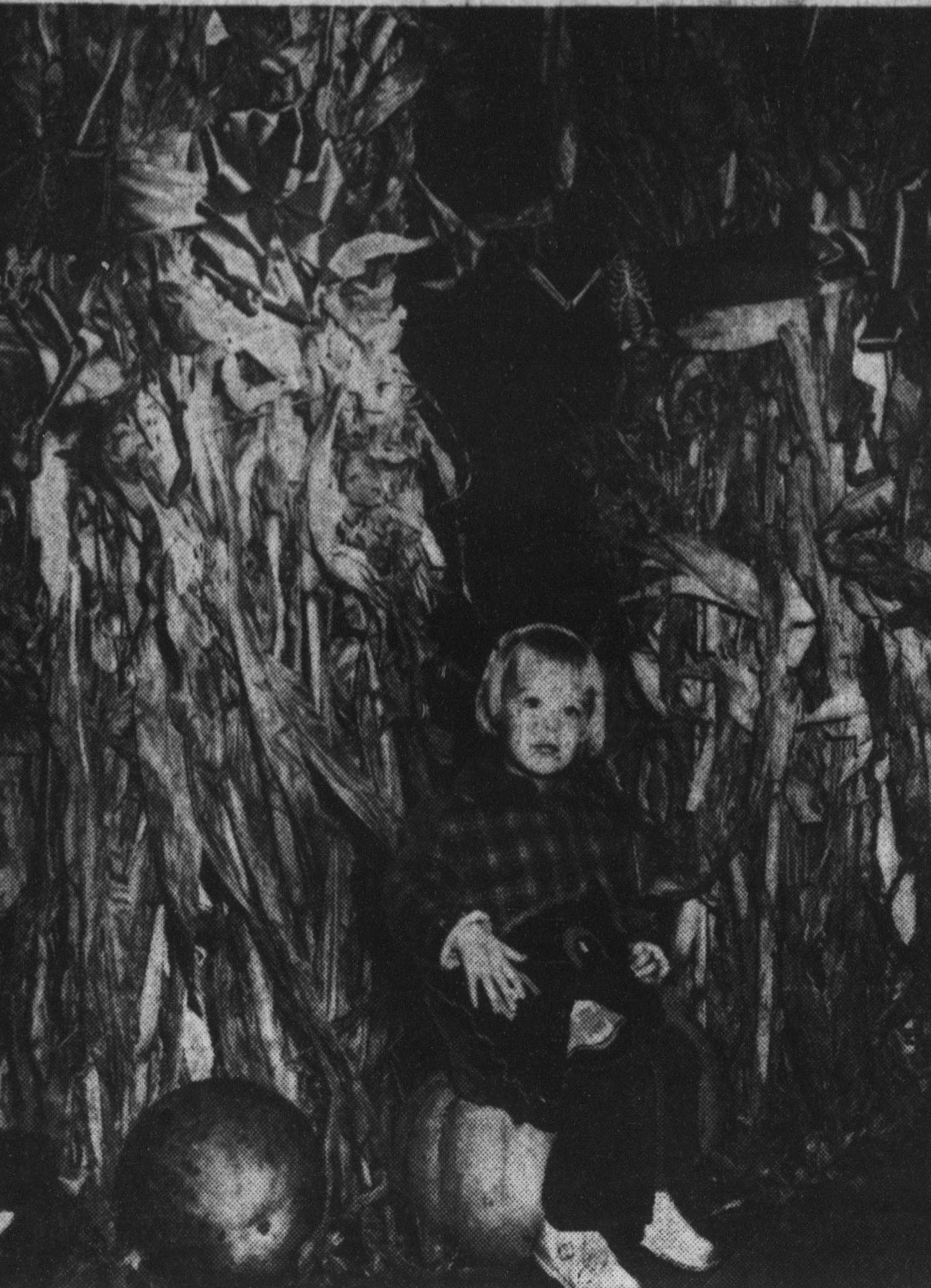
Mary Jean turns up in another White House story two years later, during a royal state dinner.
Would any trick-or-treaters actually ring the President’s doorbell? The Star doubted it:
It is doubtful that any of tonight’s “trick or treaters” will get up to ring the door bell of the Executive Mansion. However, there is one thing sure—if they do there will be plenty in store for them—just as in millions of American homes on Halloween.
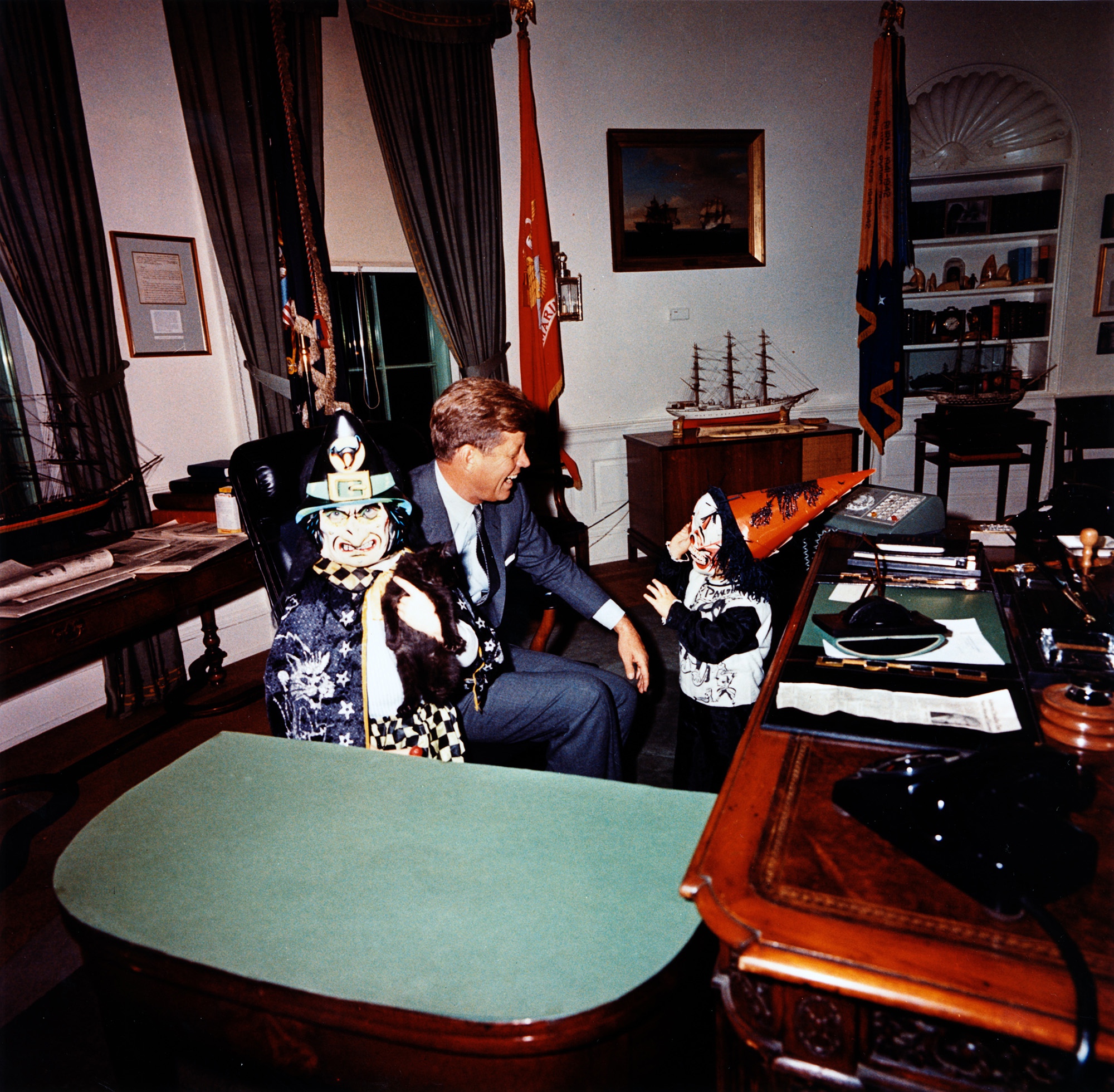
Five years later, on Halloween 1963, Caroline and John F. Kennedy Jr. went to the Oval Office in costume to visit their father, President Kennedy. That’s the photo at the top of this post.
In 1969, the White House finally opened the door. Tricia Nixon welcomed 250 children from the Widening Horizons program to a Halloween party, and the North Entrance was turned into a 17-foot pumpkin “mouth,” according to the White House Historical Association. Jonathan Frid, Barnabas Collins on “Dark Shadows,” came as a guest.
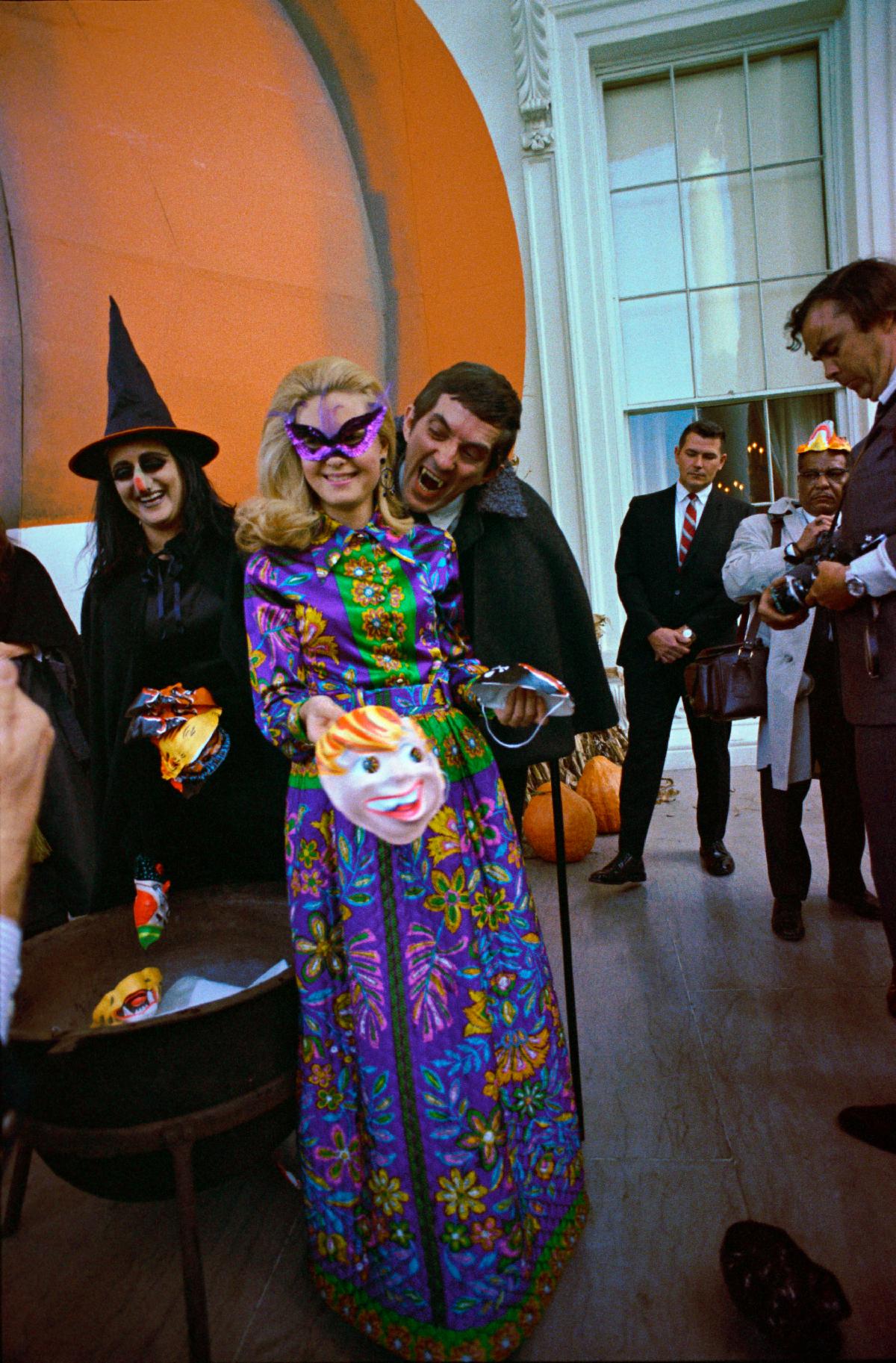
Later presidents went bigger. The Bushes hosted 600 schoolchildren on the South Lawn in 1989, and in 2009 the Obamas handed out treats to 2,000 trick-or-treaters, a tradition that continued most years after.
Back in the neighborhoods, beggar’s night is long forgotten. The Halloween stories people still tell around here came later, like the Maryland Goatman and the Bunny Man of the 1970s.
So if your parents or grandparents ever mention trick-or-treating on the 30th, they’re not misremembering. Washington really did it a night early, at least for a while.
We dug this one up with help from AI and checked it against the original records below. Here’s how we use AI.