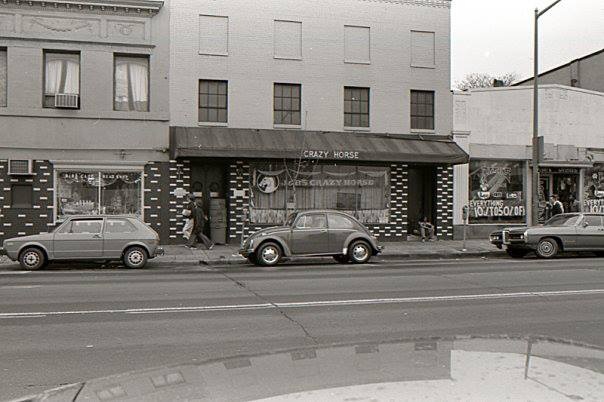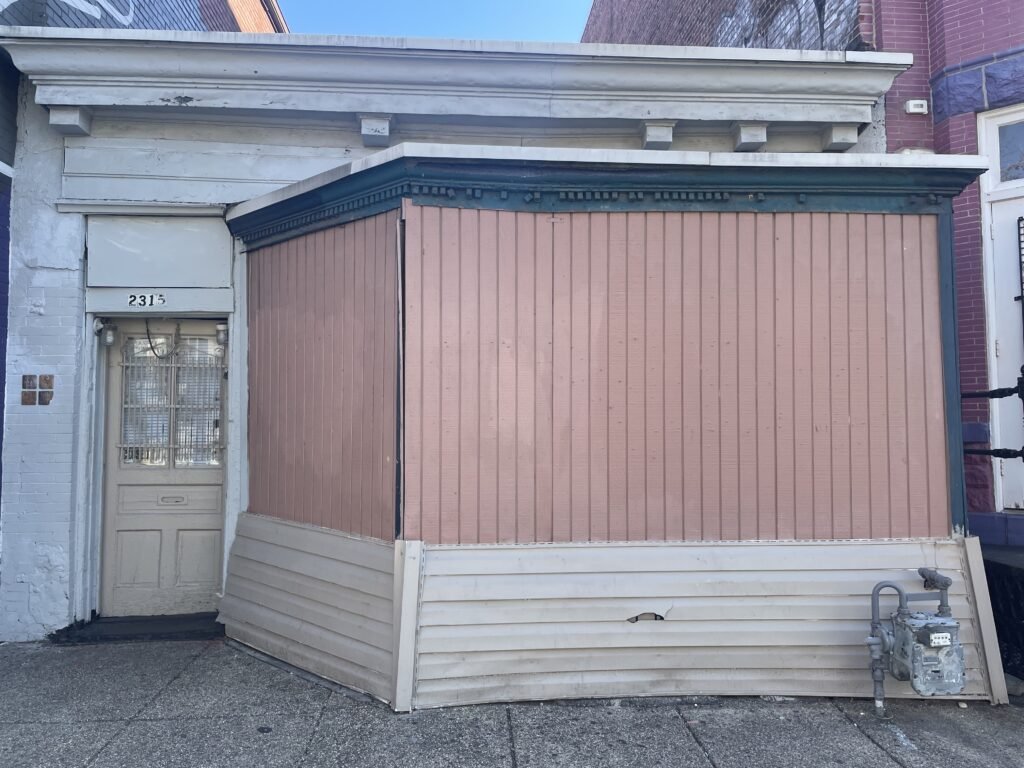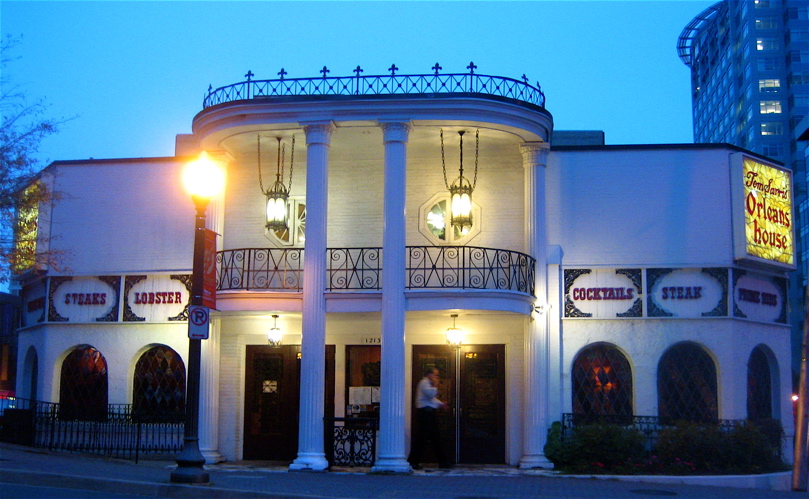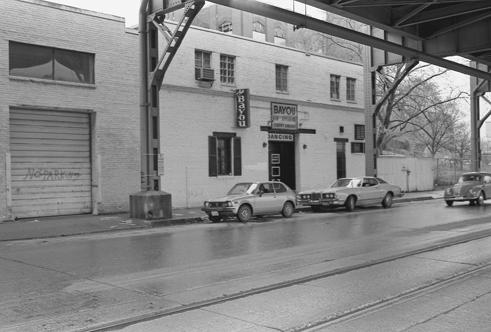
The Bayou DC: 45 Years Under the Whitehurst Freeway
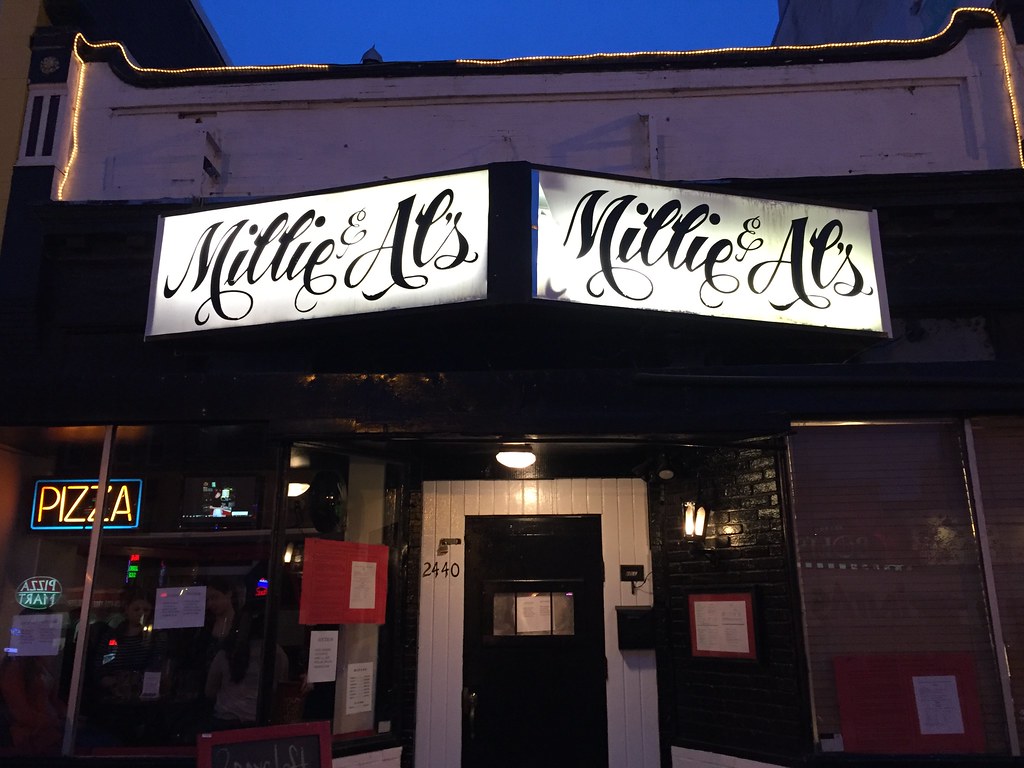
Forty-five years of Georgetown’s loudest room. The Bayou opened in 1953, closed in 1998, and put U2, Dave Matthews, and a whole DC scene through its doors.
The 1960s were a decade of transformation and trauma for Washington. The March on Washington in 1963 brought a quarter million people to the Mall. JFK’s assassination brought the city to a standstill. And the 1968 riots that followed Dr. King’s murder left scars across entire neighborhoods that would take decades to heal.
Forty-five years of Georgetown’s loudest room. The Bayou opened in 1953, closed in 1998, and put U2, Dave Matthews, and a whole DC scene through its doors.
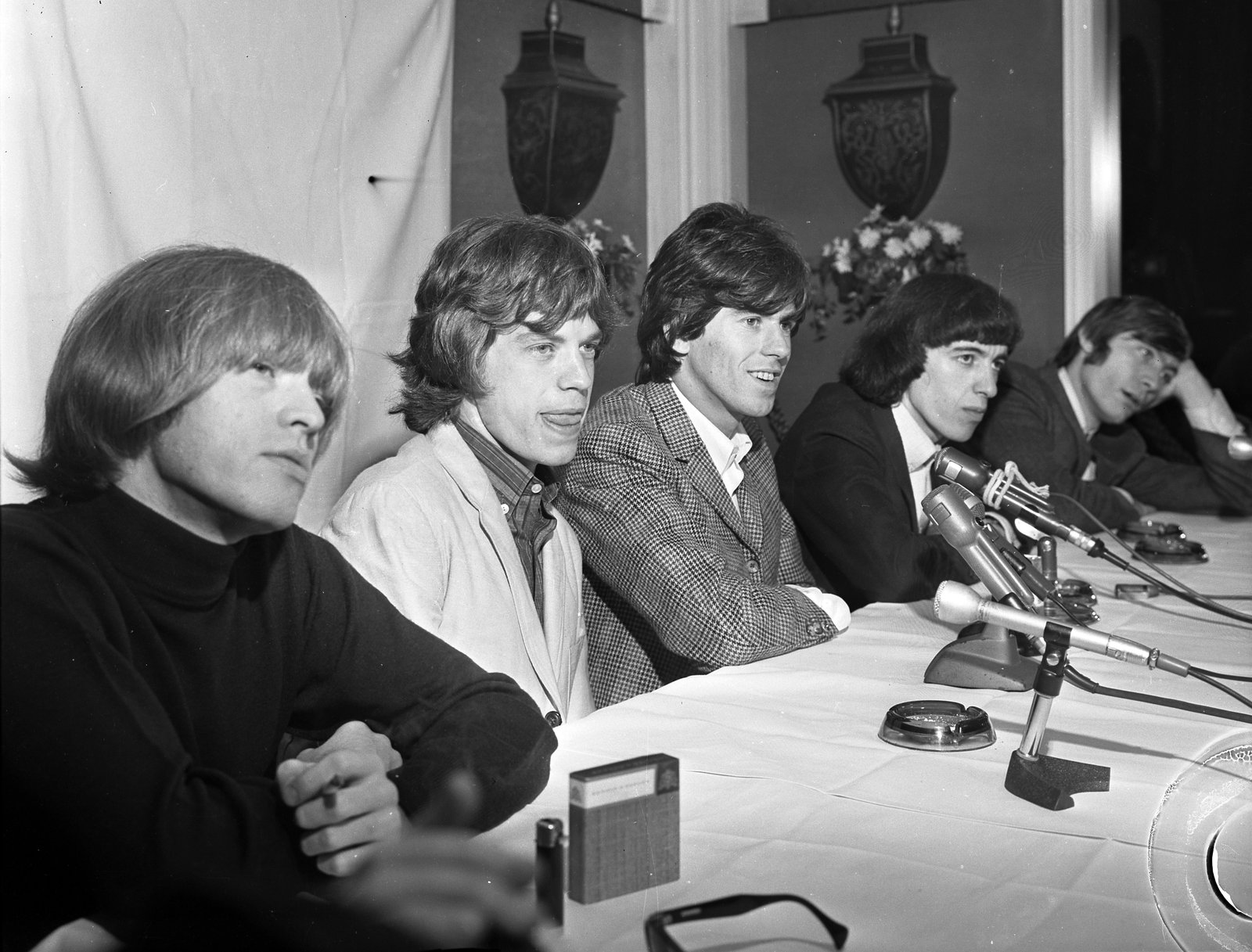
In 1966 a teenager from Chevy Chase reached through the window of a Rolling Stones equipment van behind Washington Coliseum and walked off with Brian Jones’s custom electric dulcimer. The recovery involved a letter to the Evening Star, a Bentley from the British Embassy, and a follow-up Beatles caper. The same barrel-vaulted shed had hosted the Beatles’ first American concert two years earlier.
On January 31, 1958, the Evening Star started calling Dallas O. Williams “the Bad Man of Swampoodle.” The nickname stuck through five trials, three vacated convictions, and a 1961 double murder that exposed the broken machinery of DC’s insanity defense.
Just after 2 a.m. on January 14, 1973, WMATA condemned D.C. Transit and its suburban sister company out of existence. The owner was a New York lawyer named O. Roy Chalk, and he had run Washington’s bus system for sixteen and a half years.
In April 1963, DC’s three appointed commissioners begged the federal government to build every freeway on the map: the Three Sisters Bridge, the Inner Loop, the East Leg, the North-Central. Almost none of it survived the decade.
It started as a one-summer Chautauqua on the Potomac, built by twin brothers who had cashed in on an egg beater patent. By 1933 it was a streetcar amusement park with a Spanish ballroom and a Dentzel carousel. By 1960 that carousel was the flashpoint of a Howard University sit-in.
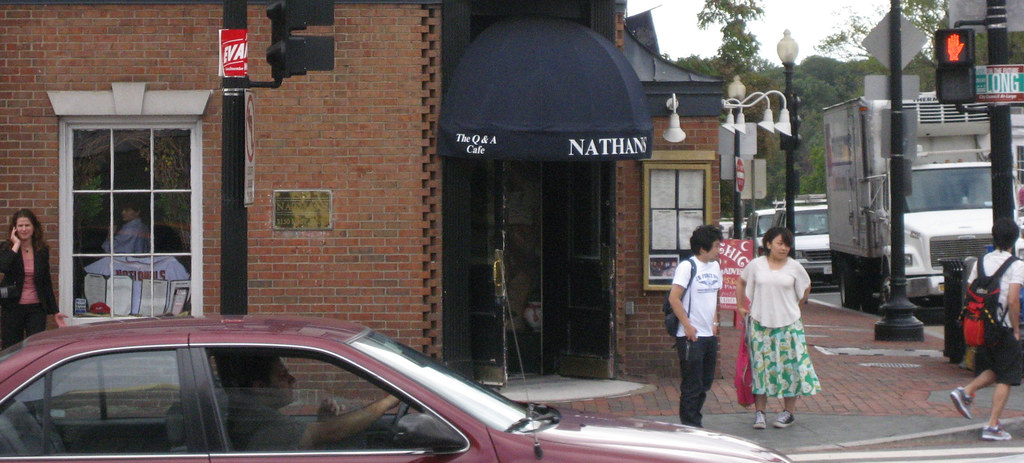
The man whose name is over the door at 1264 Wisconsin Avenue was a Boston Braves shortstop in the 1914 World Series before he opened a Georgetown tavern the year Prohibition ended. Ninety-three years and four generations later, it is still open, still owned by the same family, and still has a brass plaque on the booth where John F. Kennedy proposed to Jacqueline Bouvier.
Before L’Enfant Plaza’s Brutalist towers, Southwest DC was a thriving neighborhood. We dug into the Evening Star archives to trace the full story, from the 1954 demolition to the Fedlandia proposals reshaping the area today.
Explore the legacy of Massimo Vignelli, the visionary designer behind the Washington Metro’s iconic look. Discover how his philosophy of simplicity and functionality shaped the visual identity of D.C.’s public transit system.