
On the night of December 10, 1973, 86 people sat down to dinner at a private club behind a modest green wood front at 1530 Wisconsin Avenue in Georgetown. The guest of honor was House Majority Leader Tip O’Neill, and it was his birthday party.
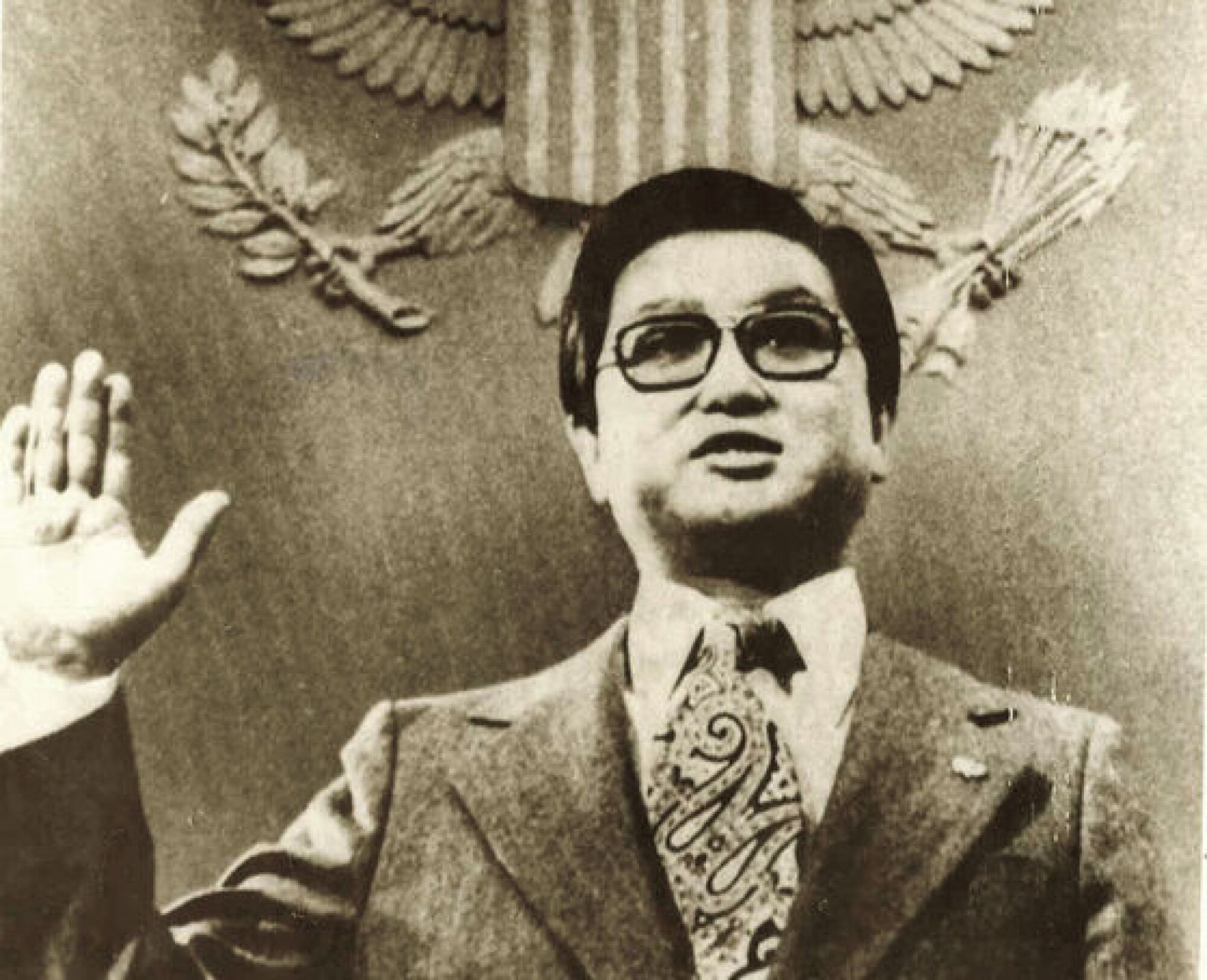
The host was Tongsun Park, a South Korean businessman who had gotten rich brokering American rice sales to Seoul, and who spent a lot of that money on members of Congress.
That same day, an employee of the club bought $263.55 worth of silver at R. Harris Co., a block away on Wisconsin Avenue. She later told investigators it was O’Neill’s present, a set of hurricane lamps.
How do we know what the lamps cost? Five years later, House investigators pulled the store’s records, and the club’s. The club’s showed 86 dinners at $23 a head. Two congressmen, Richard Hanna and William Minshall, were listed as co-hosts, and Park testified that they were supposed to chip in. They never did, so he covered the whole thing.
That party was pocket change in the scandal that came to be called Koreagate, the 1970s uproar over South Korean money and members of Congress. And a surprising amount of Koreagate played out in this one Georgetown building.
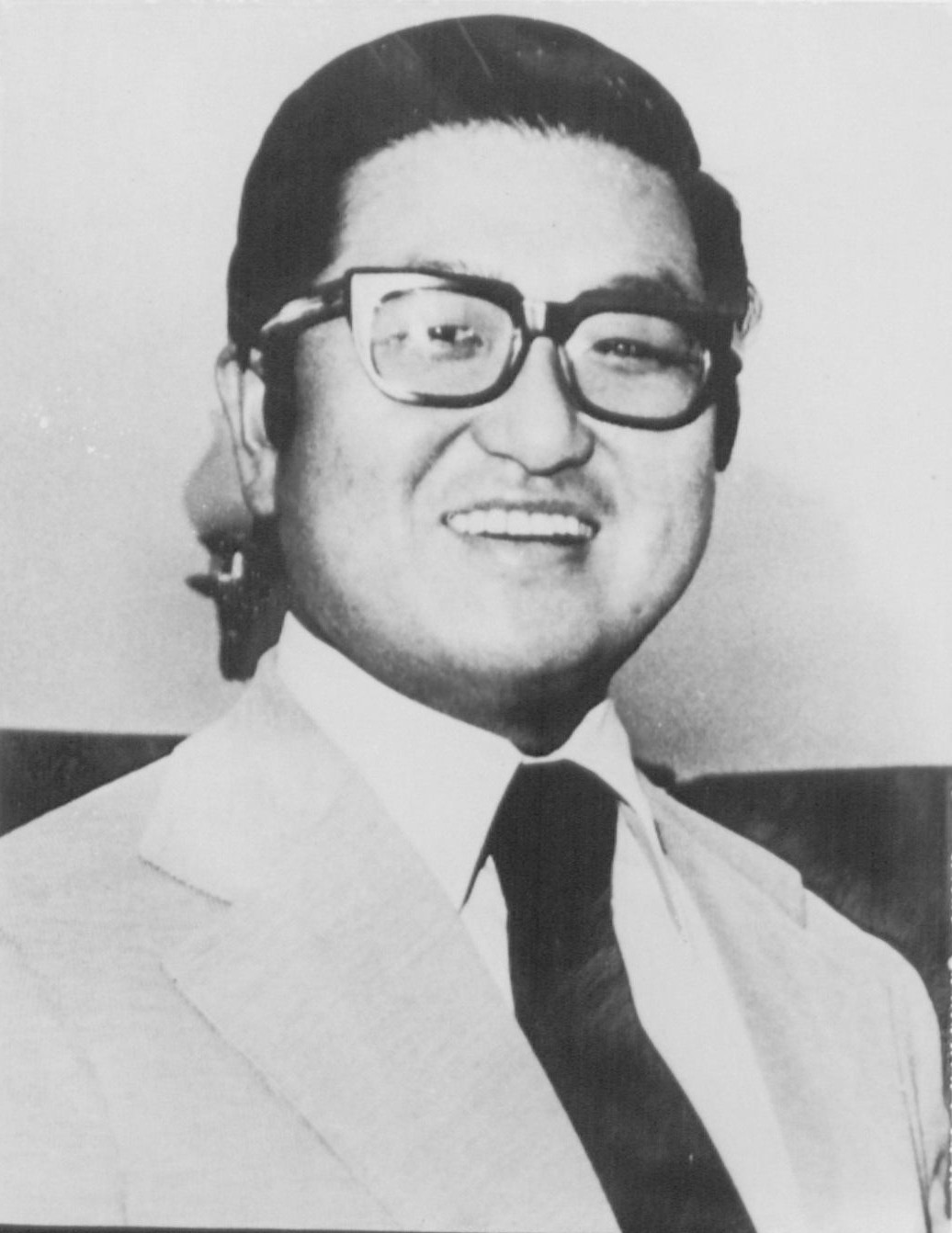
A green wood front on Wisconsin Avenue
The George Town Club (that’s how the club spells it) says it was established in 1966. That same year it got its first real taste of national publicity, according to the Washington Post, when the parents of Patrick Nugent, who was about to marry President Johnson’s daughter Luci, picked it for the dinner after the wedding rehearsal.
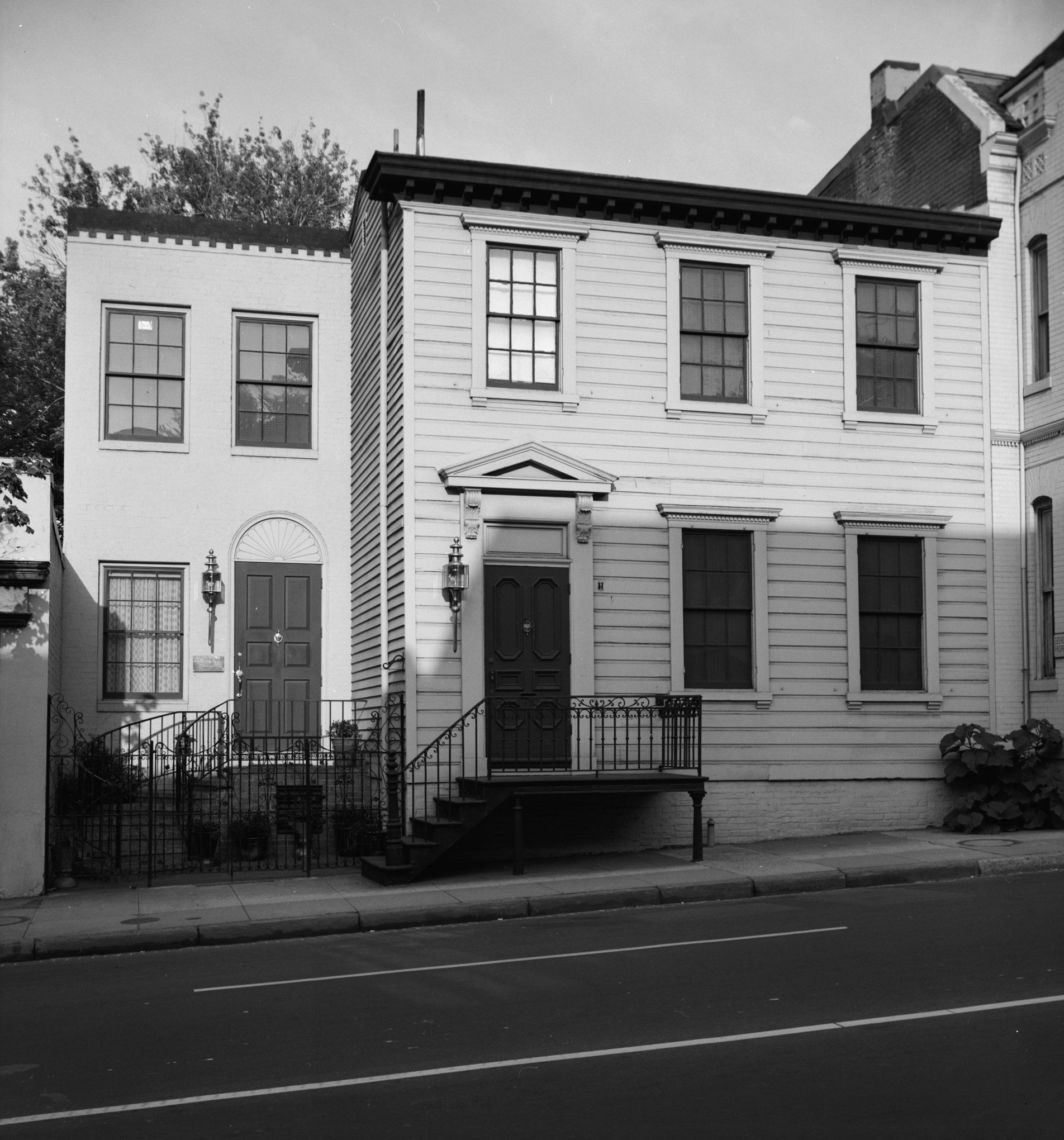
Park founded the club, and where he got the money for it is where things get interesting.
In June 1977, a former director of the Korean Central Intelligence Agency, Kim Hyung Wook, told a congressional subcommittee that he let Park use $3 million in South Korean government funds in 1967 to finance the club. The Post noted that others familiar with the case doubted some of the details of Kim’s account.
The House subcommittee that dug into Korean-American relations, led by Rep. Donald Fraser of Minnesota, summed it up in its October 1978 report:
In Washington, Tongsun Park’s George Town Club, established with KCIA assistance, became a lobbying center for the Korean Government.
The club’s own history says the building is believed to have been John Suter’s tavern, circa 1783, where George Washington and the men planning the federal city met. The editors of George Washington’s papers place the tavern Suter opened in 1783 several doors south of Bridge Street, which is today’s M Street. The club is a few blocks north of M. So, probably not.
Cocktails at 7:30, lobster upstairs
In 1977 the Post printed a description of a typical Park party from Ken Cummins, a Potomac News Syndicate journalist who had been reporting on the club. The invitations said cocktails at 7:30, and the limousines started pulling up a little before. Guests mingled downstairs among 17th-century English wall paneling, Park’s collection of jade and pottery, and Korean brocaded sofas.
Society reporters from the Post and the Star were invited too. At the party Cummins described, Park didn’t arrive until after 8:15, then greeted every guest by name. Then the crowd moved upstairs for a formal French dinner of lobster in garlic butter and steak au poivre. After the champagne, Park would stand and toast the room.
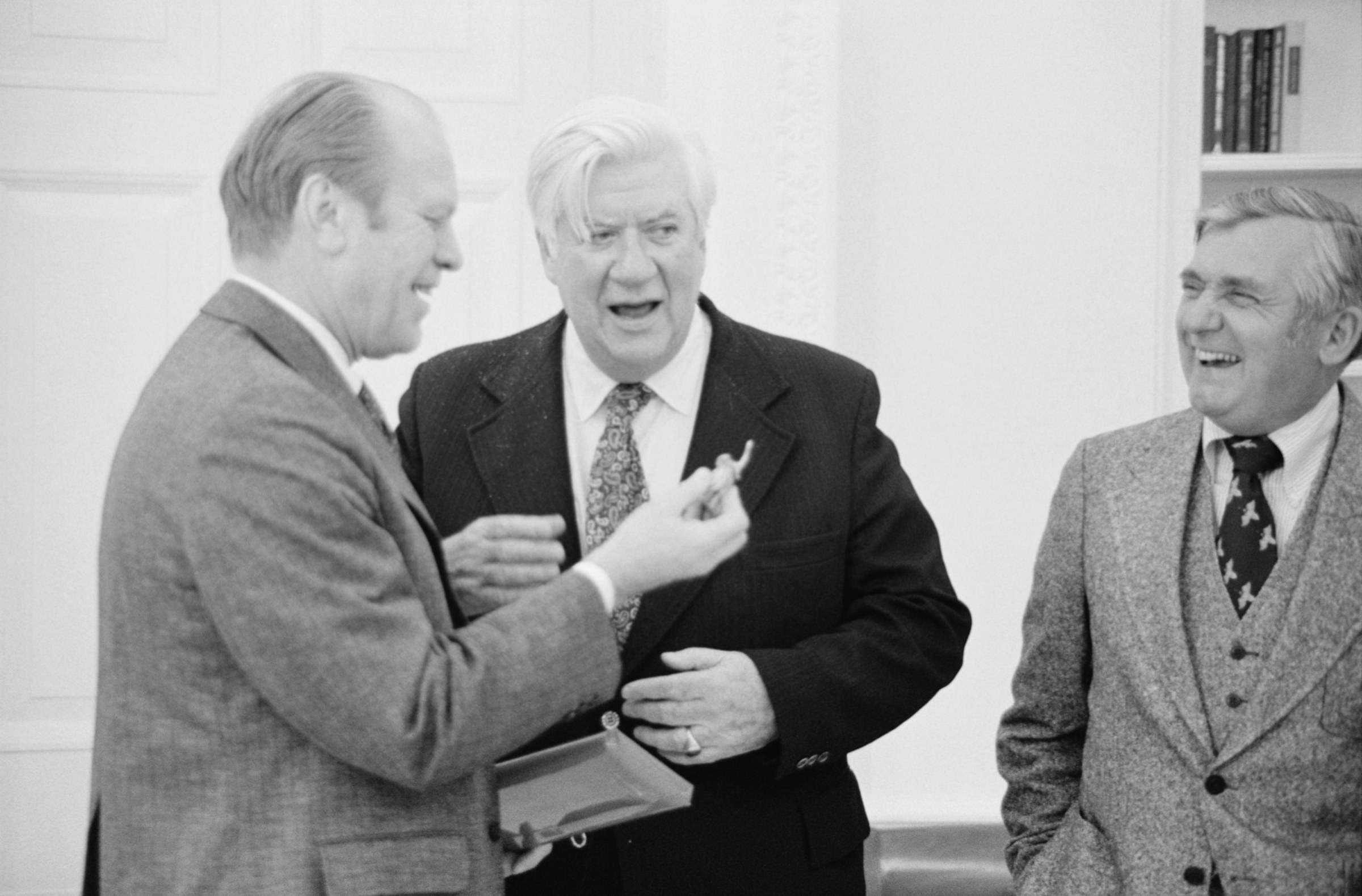
The guest lists over the years included House Speaker Carl Albert, Attorney General William Saxbe and Gerald Ford. The Post later reported that Ford was at O’Neill’s 1973 birthday party. He had been sworn in as vice president on December 6, just days before. Eight months later he’d be president.
Senators came too. On June 20, 1973, Park hosted a black-tie dinner at the club for Indiana Sen. Birch Bayh, with somewhere between 80 and 86 guests. The Senate ethics committee later tallied the bill at $3,800, including food, drinks, flowers and an orchestra. Bayh told the committee he had never discussed any of Park’s businesses with him.
The rice man
So where did Park’s own money come from? Rice, believe it or not.
Park collected commissions as the middleman on South Korea’s purchases of American rice, much of it federally subsidized under the Food for Peace program. The House ethics committee and the Fraser subcommittee both put his rice commissions at more than $9 million from 1969 to 1975.
The Fraser report found that it was Congressman Hanna who had asked the KCIA director to help get Park named the selling agent in the first place.
A good amount of Park’s money moved in cash. Arkansas Sen. John McClellan’s office received $1,000 from Park in a sealed envelope just before the 1972 election, and a search by McClellan’s own staff turned up no sign it was ever reported.
The Senate ethics committee’s report describes another $1,000 cash contribution that November, to Hawaii’s Spark Matsunaga, then a congressman. It went through Matsunaga’s aide David Nahm:
The cash, in a plain white envelope, was handed by Mr. Park to David Nahm, probably at The George Town Club…
Cash in a plain white envelope at a private club in Georgetown… you can’t make this stuff up. To be fair to Matsunaga, his campaign did report it.
Then there was the list. In December 1973, just days before O’Neill’s party, customs inspectors in Anchorage searched Park’s luggage as he came back from Korea.
They found a list of members of Congress with dollar figures next to the names, and Customs wrote up the incident in a report. Park later told the Senate committee it was an old list, made before May 1972, of contributions he had been thinking about making that year.
“Seoul Gave Millions”
On Sunday, October 24, 1976, the Washington Post ran a front-page story by Maxine Cheshire and Scott Armstrong under the headline “Seoul Gave Millions to U.S. Officials.” It described a ring of South Korean agents, directed by President Park Chung Hee, that had been handing out cash, gifts and campaign contributions to members of Congress.
Quick note so you don’t mix up your Parks: that’s South Korea’s president, not Tongsun. Citing that Customs report, the story also described Tongsun Park trying to destroy the list in Anchorage.
Tongsun Park had already left for London in mid-October, days before the story ran. In March 1977, the IRS seized his two Washington homes, on 30th Street and on Woodland Drive, both in Massachusetts Avenue Heights, in a tax dispute separate from the criminal case.
A federal grand jury in Washington indicted Park on 36 counts on August 26, 1977. It accused him of being a secret agent of the Korean government, charged him with conspiracy and bribery, and named Hanna as an unindicted co-conspirator. Hanna was later indicted himself.
The indictment singled out the club, too. It said Park ran the place in part “for the entertainment of influential United States politicians.”
Park talks
By then Park was back in Seoul, and the U.S. couldn’t simply go get him. The Justice Department worked out a deal with the South Korean government. Park would answer questions under oath in Seoul in January 1978, then testify at trials in the U.S., in exchange for immunity from prosecution.
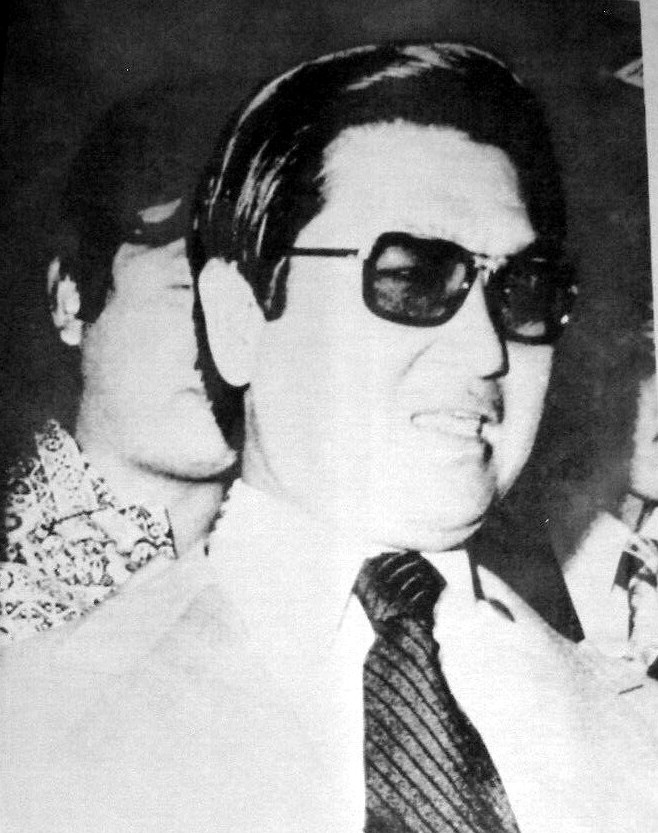
He came to Washington in March 1978 and testified behind closed doors to the Senate and House ethics committees, then in public before the House committee in April. The Associated Press reported in March 1978 that Park had said he paid about $750,000 to some 30 House members.
The House committee concluded that on the question of who got paid, Park’s testimony was substantially truthful and complete. On the question of whether he was acting for his government, it didn’t believe him.
What came of it
Charles H. Wilson, a California congressman, got in trouble over a wedding present. The House ethics committee charged him with falsely denying that Park had given him $1,000 in cash for his wedding.
On October 13, 1978, the House reprimanded Wilson along with two other California Democrats. Edward Roybal had failed to report a Park contribution, used it himself and gave false testimony under oath, and John McFall had failed to report one. A fourth member, Edward Patten of New Jersey, was cleared.
Hanna, one of the co-hosts of that birthday party at the club, pleaded guilty on March 17, 1978, to one count of conspiring to defraud the United States, and was sentenced to six to 30 months in prison. Former Louisiana congressman Otto Passman was indicted in 1978 and acquitted by a jury in April 1979.
Meanwhile, in September 1978, the FBI had quietly rented a brick house at 4407 W Street NW for a new cash-for-Congress sting. That one became Abscam.
And all those early headlines about 115 members of Congress? The House ethics committee’s final report, in December 1978, wasn’t buying it:
The investigation established that the early press reports of involvement of up to 115 Members were greatly exaggerated.
The same report also found that the South Korean government had adopted at least three plans to influence members of Congress with money, and that its efforts were substantial.
As for O’Neill, Park threw him a second birthday party in December 1974, this time at the Madison Hotel for 140 guests. Committee staff concluded that neither party was a fundraiser or a campaign contribution. Both had been out in the open and widely covered in the press.
After Koreagate
Park went home to Korea. Decades later he landed in federal court again. In 2006, a jury in Manhattan convicted him of conspiring to act as an unregistered agent of Iraq in the United Nations Oil-for-Food program, and in 2007 he was sentenced to five years in prison.
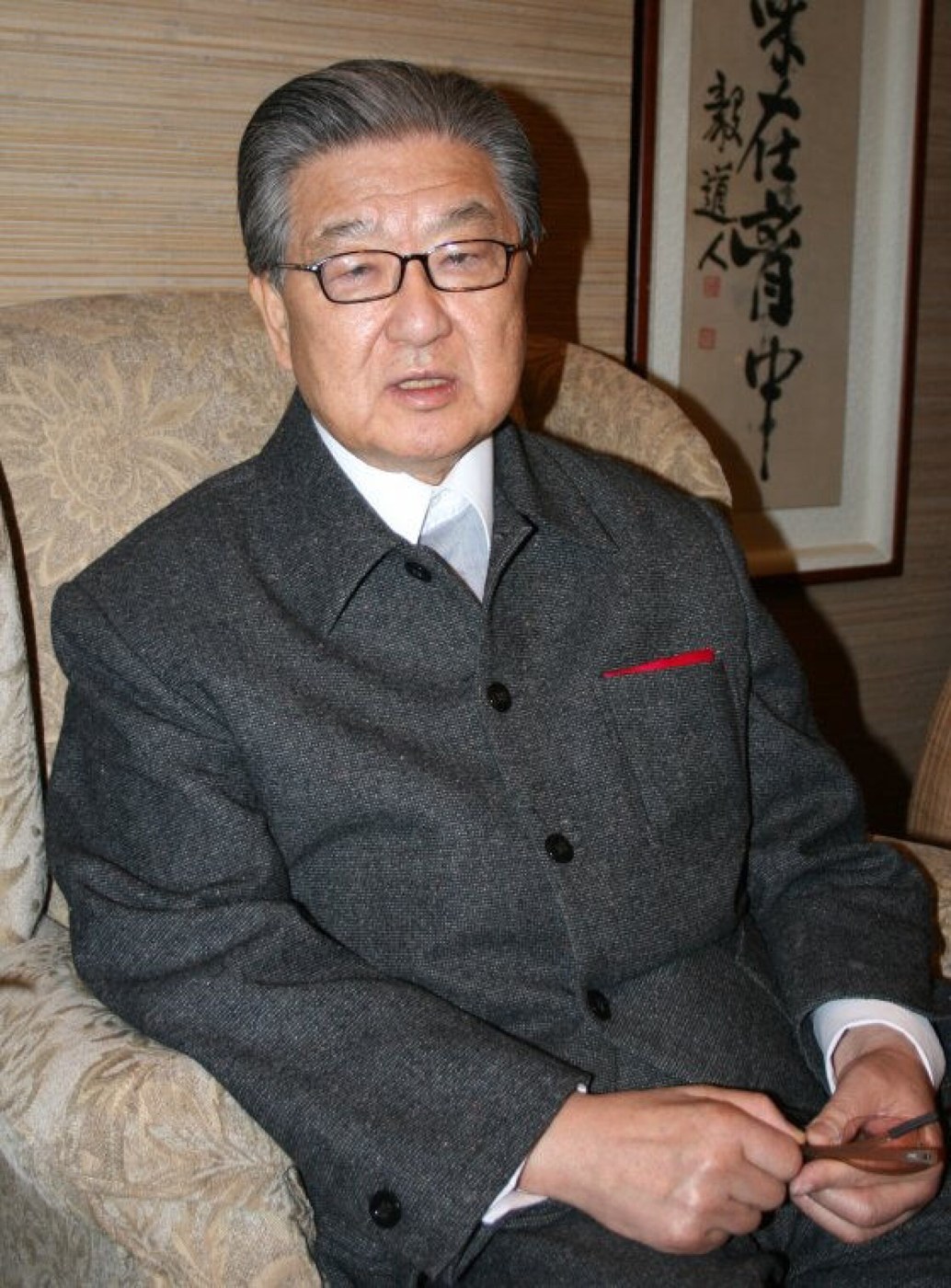
He died in Seoul on September 19, 2024. He was 89.
And the club? As of 2026 it’s still on Wisconsin Avenue, about a block up the hill from the Commander Salamander building at 1420 Wisconsin, and it’s still private. In the Post‘s 1977 photo of the front door, there’s a small sign hanging next to it.
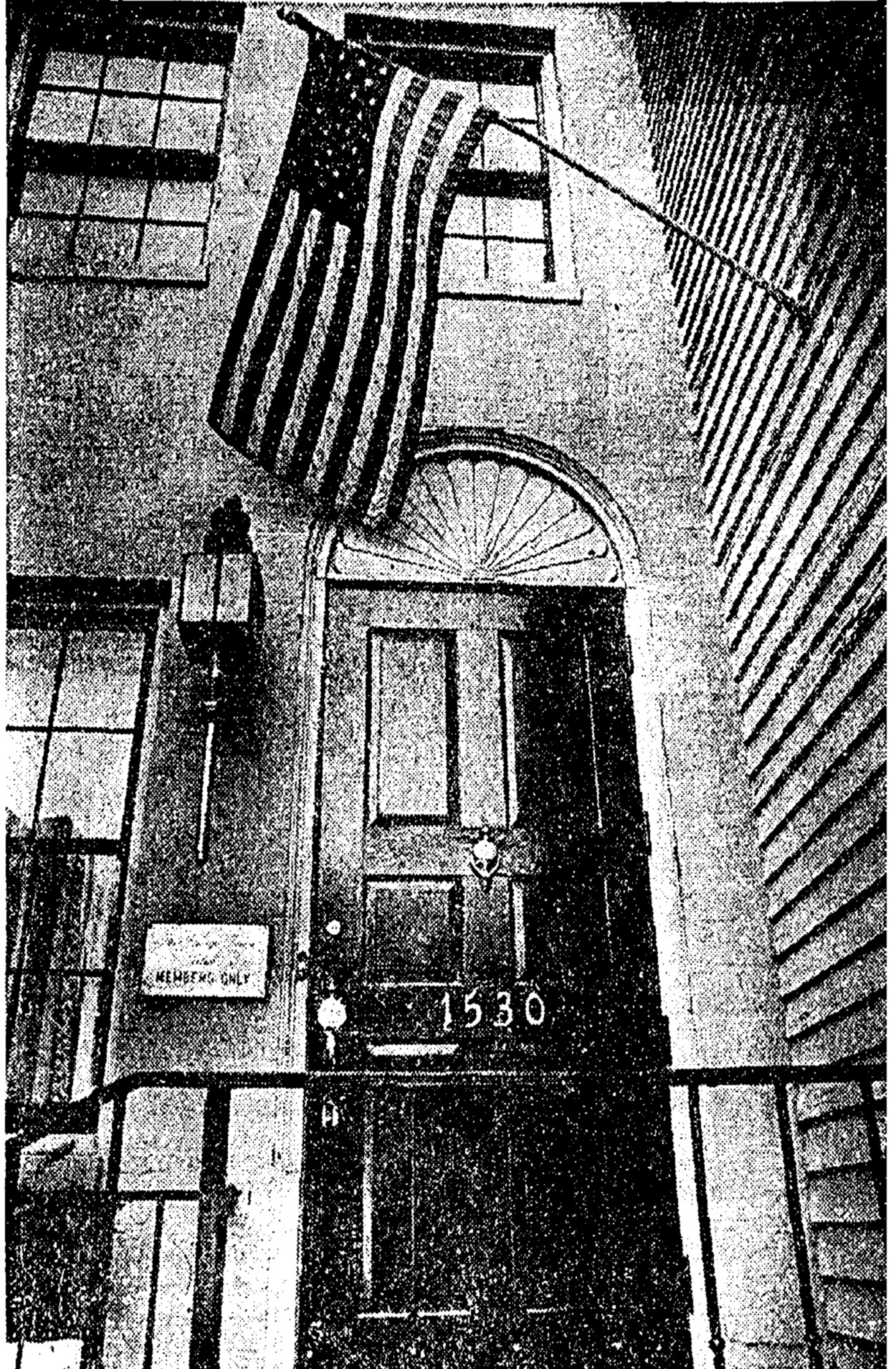
Members only.
We dug this one up with help from AI and checked it against the original records below. Here’s how we use AI.
On the AtlasNewSee where this happened1530 Wisconsin Ave NW38.9096° N · 77.0647° W