
Politics
Washington was built to be the seat of American government, and its political history runs deep. These posts cover presidents, Congress, Cabinet members, scandals, inaugurations, and the machinery of power that has defined the city since 1800.

B Street’s transformation into Constitution Avenue accompanied a changing capital, as federal building plans reshaped the old market area.
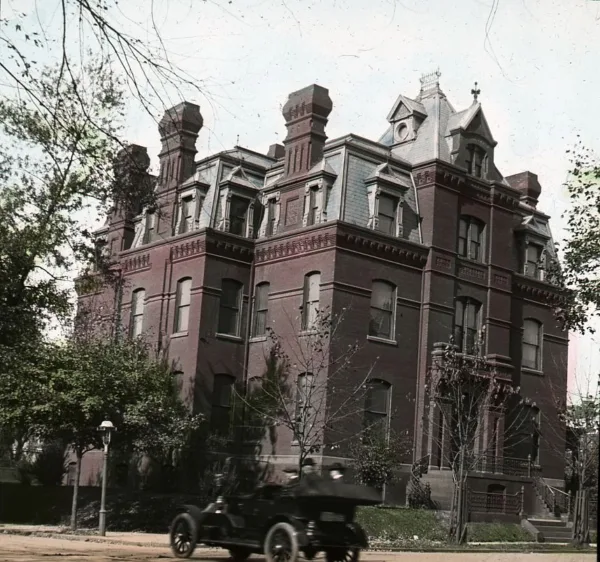
A color photograph shows James G. Blaine’s mansion at 20th and P Streets around the turn of the twentieth century.
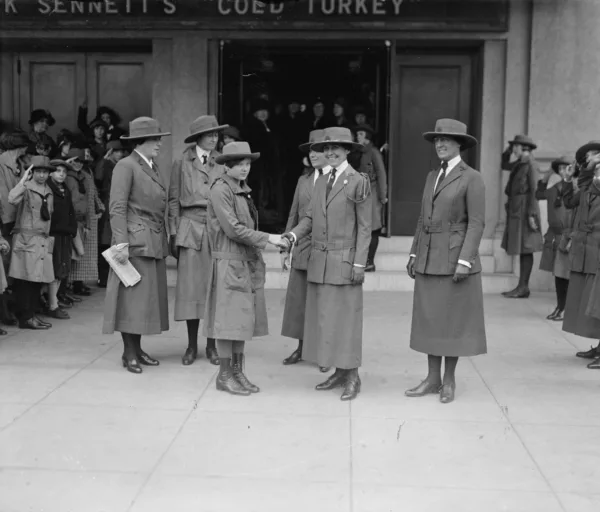
In 1925, Grace Coolidge took the drive up 14th St. to attend a benefit for the Girl Scouts at the Tivoli Theater. Read about Mrs. Coolidge’s attendance at the special screening of J. M. Barrie’s “Peter Pan” and see the original movie poster.

Building Dulles meant tearing down 580 structures, clearing 1,200 acres of woods, and excavating 11.5 million yards of earth before the 1962 opening.
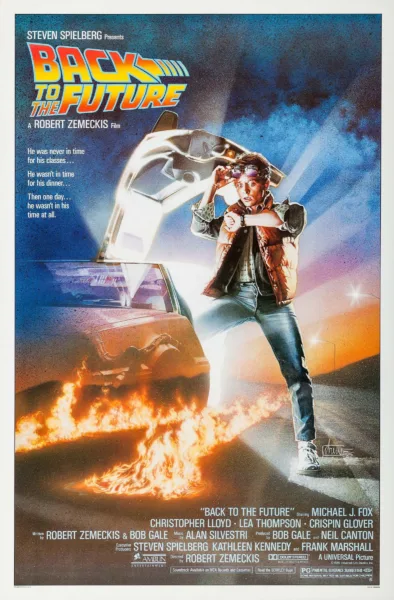
What was in the Washington Post on November 5, 1955, the date Marty McFly lands in Back to the Future, from a St. Elizabeths appeal to the CIA.
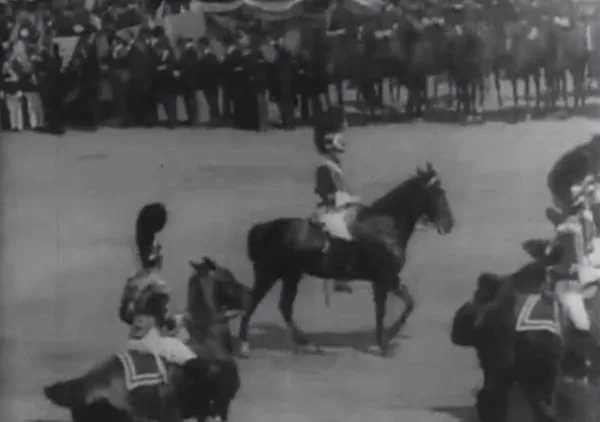
Thomas Edison’s camera filmed President William McKinley walking through a crowd in 1901, the year he was assassinated, in one of the first films of a president.
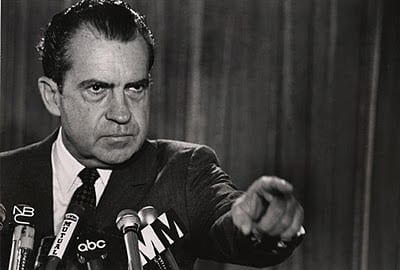
A video captures Nixon during the scandal that ended with his resignation in August 1974.

Wilson signed legislation for the Unknown Soldier’s burial on his final day in office, and newspaper images record the November 1921 ceremonies.
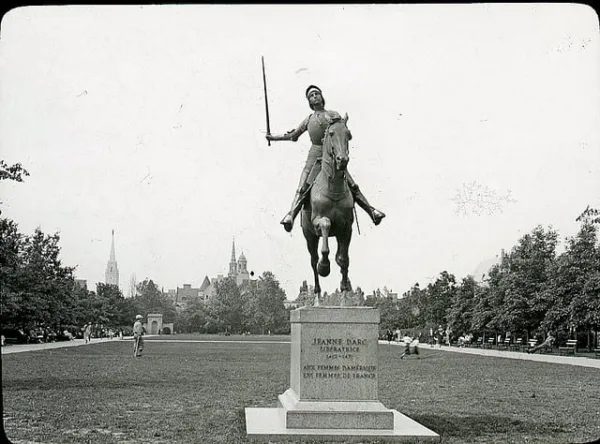
Warren Harding and French ambassador Jules Jusserand attended the January 6, 1922, dedication of the Joan of Arc statue in Meridian Hill Park.
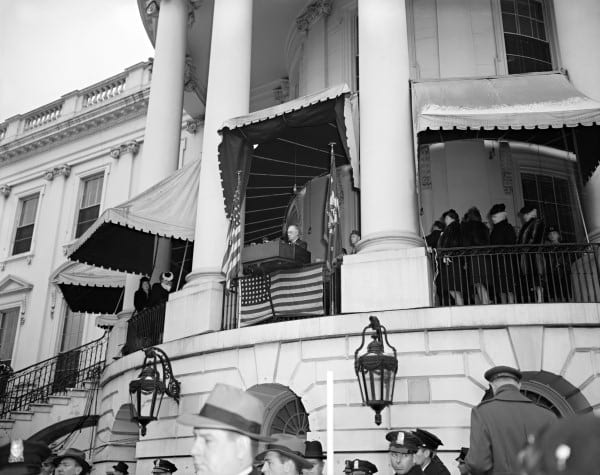
Wartime conditions made the ceremony on the South Portico a restrained start to Roosevelt’s fourth term.

Film and a photograph show FDR’s funeral procession through Washington on April 14, 1945, two days after his death.
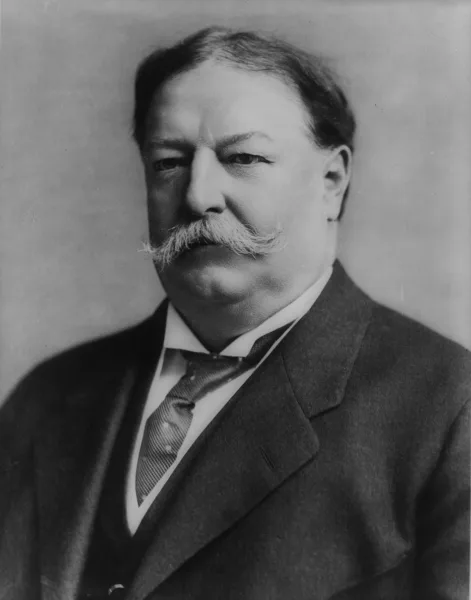
A January 1912 society column records the Tafts dining with the Knoxes and plans to introduce Anne Seymour Jones to Washington society.