
Notable People & Places
Famous and infamous Washingtonians and the buildings tied to their names. Presidents, mobsters, madams, and the corner addresses that outlasted them.
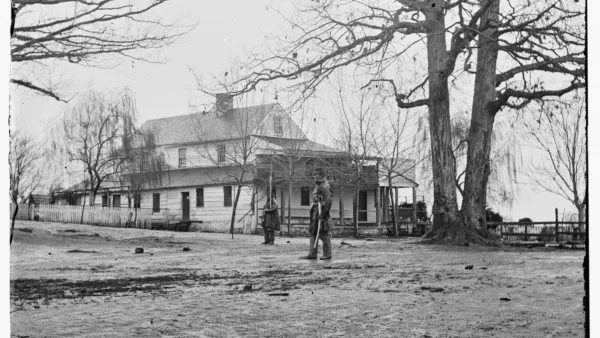
Newspapers traced Seven Corners’ land to Frederick Foote, a formerly enslaved landowner, and reported how estate coverage reached his missing son in Cleveland.
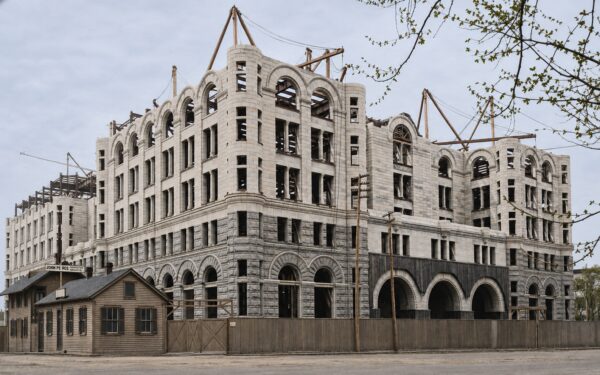
Post Office officials feared their new building was too small before they’d even finished moving in. In 1968, planners voted to let everything but the clock tower come down.
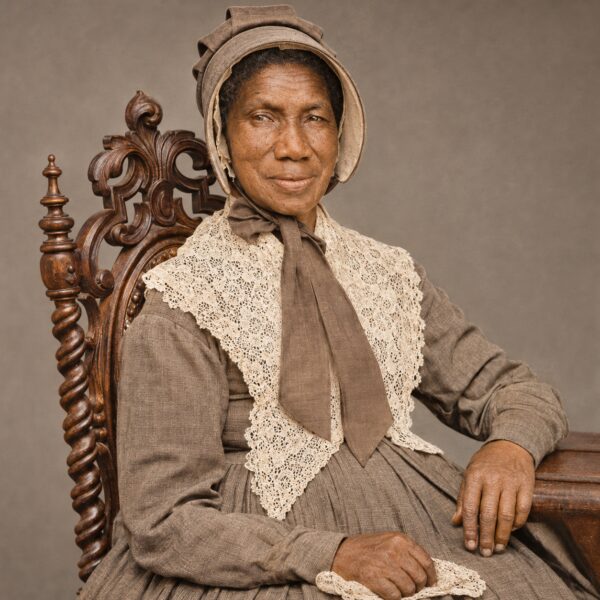
By her own account, Mary Dines escaped slavery in Maryland, reached Washington hidden in a hay wagon, then led her camp in song for Abraham Lincoln and saw him wipe away tears.
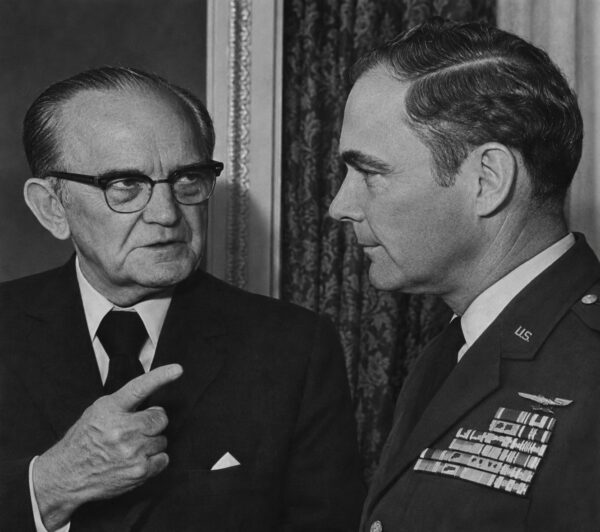
Shot outside his Cumberland Street NW home in 1973, Sen. John Stennis walked inside, survived, and later pointed out his suspected gunman in court.
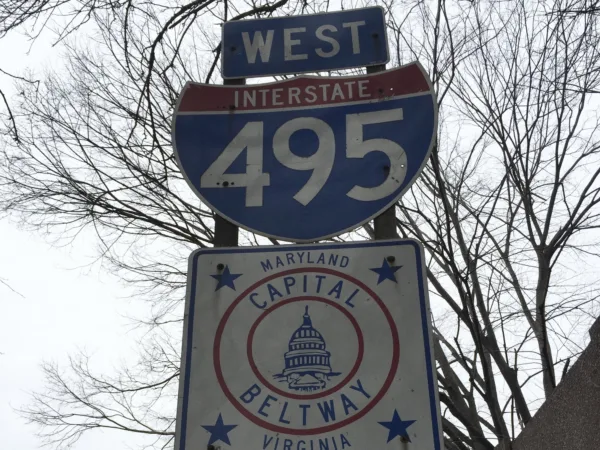
Before consultants were called Beltway bandits, burglars used the highway to escape across the suburbs. Newspaper accounts trace two meanings of the nickname, without proving a connection.
There’s more where these came from.
Lost Washington stories in your inbox most mornings: the newest, plus a few from the archive.

The Lincoln Memorial rose from dredged Potomac mud on 122 piers sunk to bedrock. At its 1922 dedication, Robert Moton had to cut the ending that called it a “hollow mockery.”

The house had Parisian satin damask, imported chandeliers, and a bronze-and-gold staircase. A 1921 newspaper account reads like a tour of a French chateau.

One of Washington’s policewomen went to a Saturday night dance in March 1919 “all dolled up.” Her tip had a raider whispering “Riley” at an apartment door by morning.
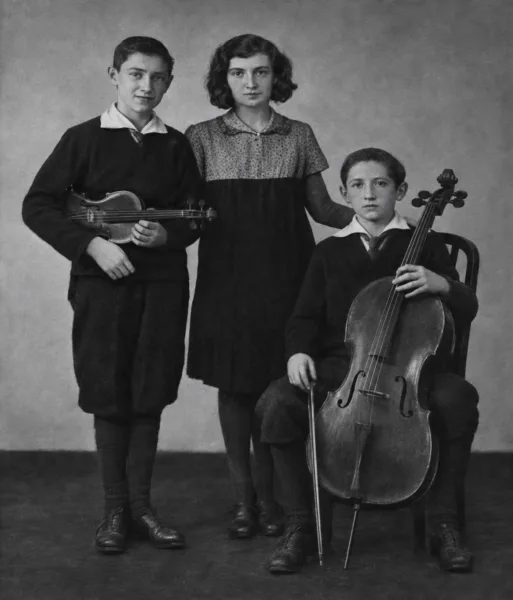
Sylvia Altman entered Central High School at 10 and performed with her brothers. Decades later, Julian’s violin proved to be the missing Huberman Stradivarius.

A fire at the Willard in 1922 caught Calvin Coolidge and other guests in a scramble involving luggage, a bath and missing teeth.
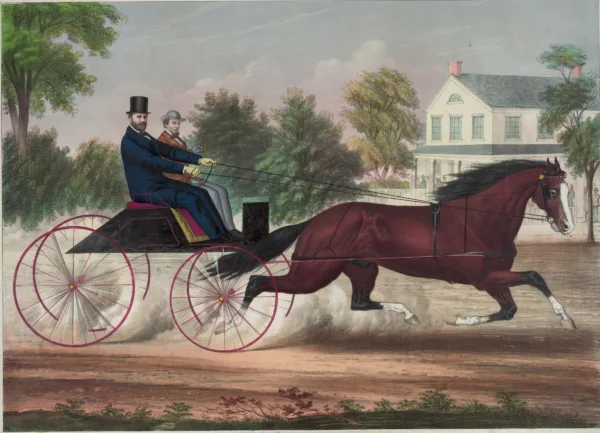
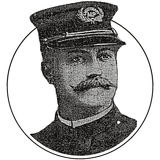
In 1908, retired policeman William West told the Sunday Star he had arrested President Ulysses S. Grant for fast driving at 13th and M Streets in 1872. We found no report of it in the 1872 Evening Star, but the papers did catch General Grant speeding twice in 1866.

In May 1975, Susan Ford hosted her Holton-Arms senior prom at the White House, the only one ever held there. President Gerald Ford’s daughter let the Class of ’75 take over the East Room.
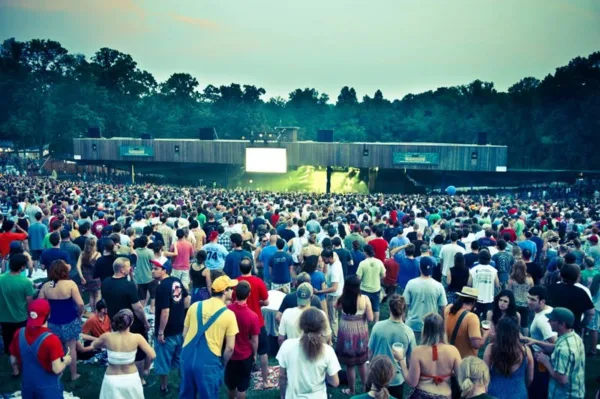
In 1966, a Maryland congressman warned that Columbia’s new pavilion shouldn’t have to compete with Wolf Trap. It hadn’t even been built yet.
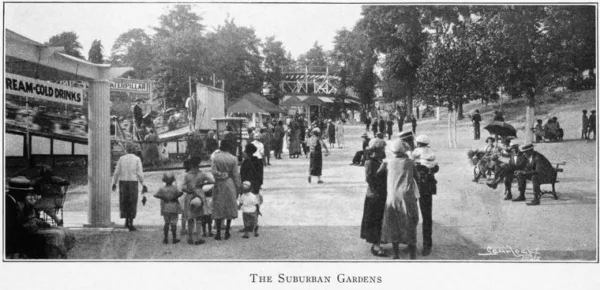
Suburban Gardens opened at 50th and Hayes NE in June 1921, built by a Black-owned company: the only major amusement park ever inside DC. Duke Ellington played it, Clarence Darrow spoke there, and it ran until 1940.
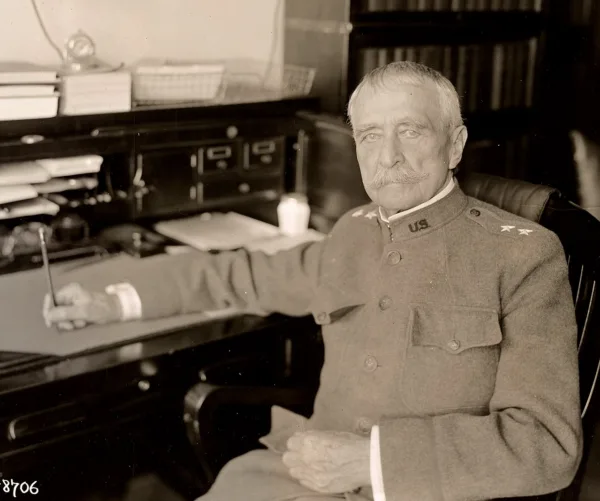
Peter Conover Hains helped turn Potomac mud flats into parkland. The point named for him grew out of a major river dredging project.

On October 29, 1936, 44 policemen sat on motorcycles outside as Warner Bros. opened its newest theater on Connecticut Avenue.

Gordon Parks made Ella Watson famous in 1942. Census records, deeds and old newspapers reveal her home at 1433 11th Street NW and the block around her.

The East Wing began as a 1902 cloakroom. In 1942 a second story went up to hide a bunker. In October 2025 it came down for Trump’s ballroom.
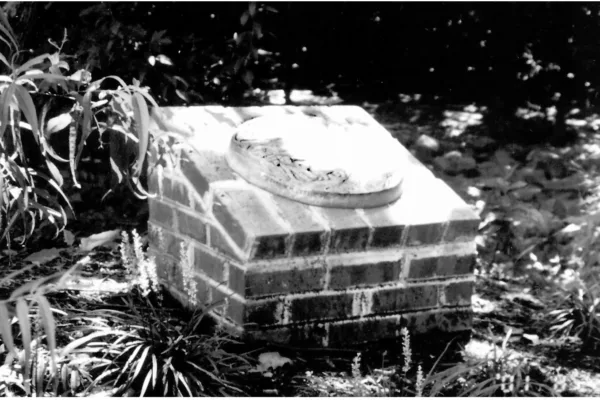
Off Kirby Road in McLean, Cottonwood Street runs through the 26-acre farm a Black farmer named Christopher Columbus Hall bought in 1865 and divided among his 11 children.
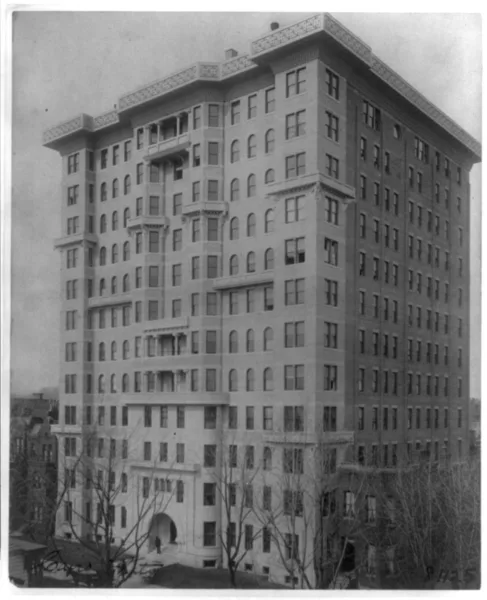
A 35-year-old architect built 164 feet of Moorish-fantasy hotel into a Dupont rowhouse block. Congress hated it so much it made a law.