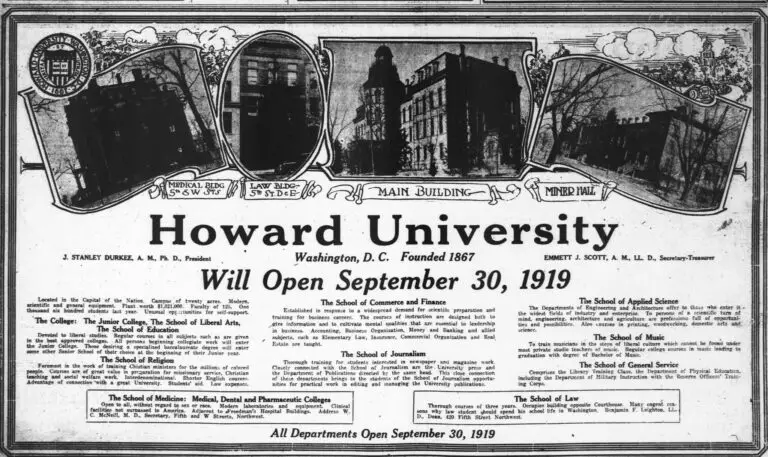

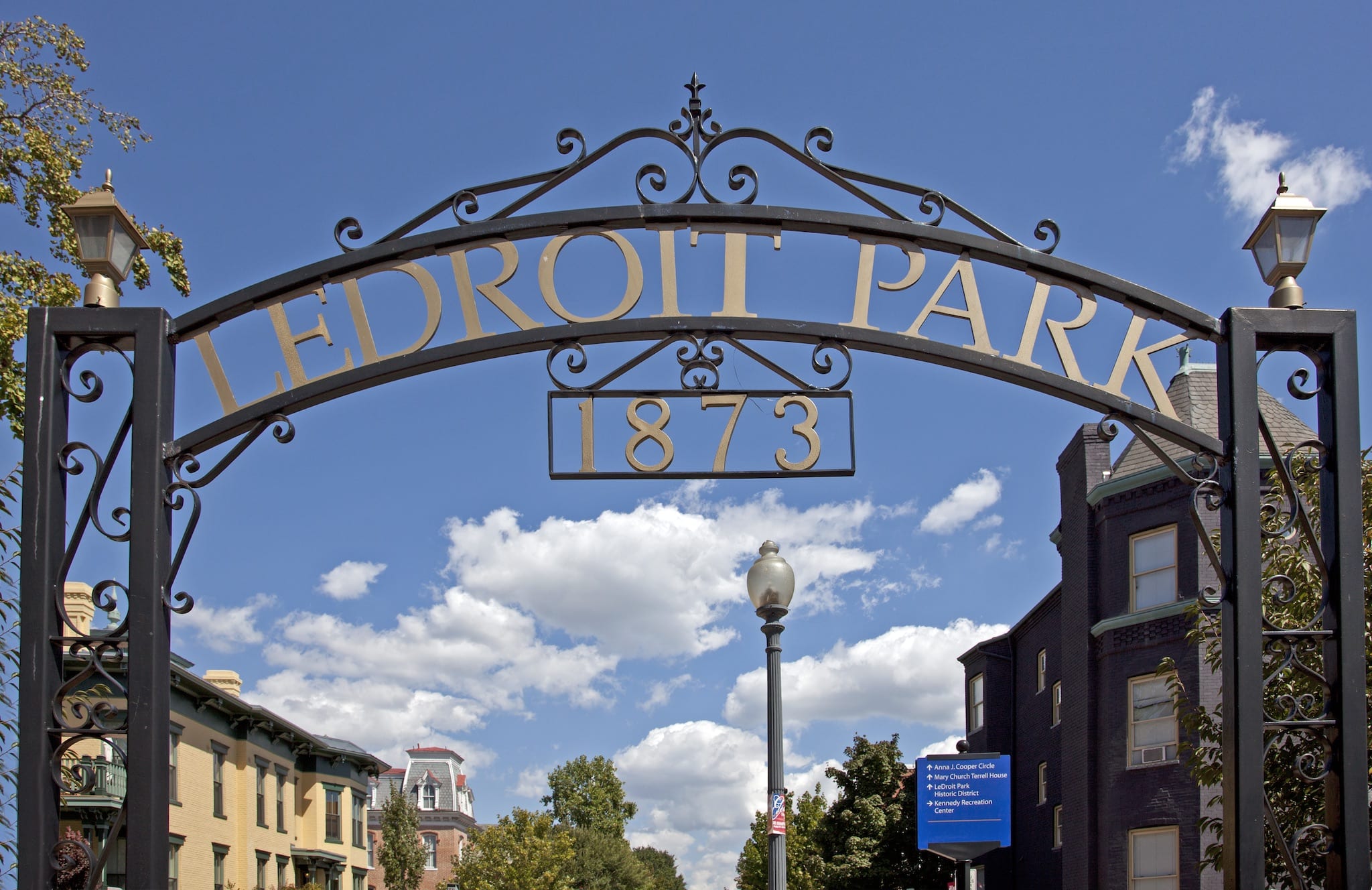
Walk down T Street between 4th and 6th today and you are standing in what was, for about fifteen years, one of the strangest pieces of segregated geography in Washington. LeDroit Park was a gated white suburb dropped into the Black side of Florida Avenue, with a wooden fence wrapped around it to keep Howard University out. By 1888 the fence was on the ground. By the 1920s Mary Church Terrell, Anna J. Cooper, and Paul Laurence Dunbar all kept addresses inside the same eight blocks.
The name is misspelled on purpose. The fence came down in pieces. And the neighborhood that survived all of it is still here, mostly intact, just south of Howard.
There really was a Mr. LeDroit, sort of
LeDroit Park got its name from a real person. The spelling is fake.
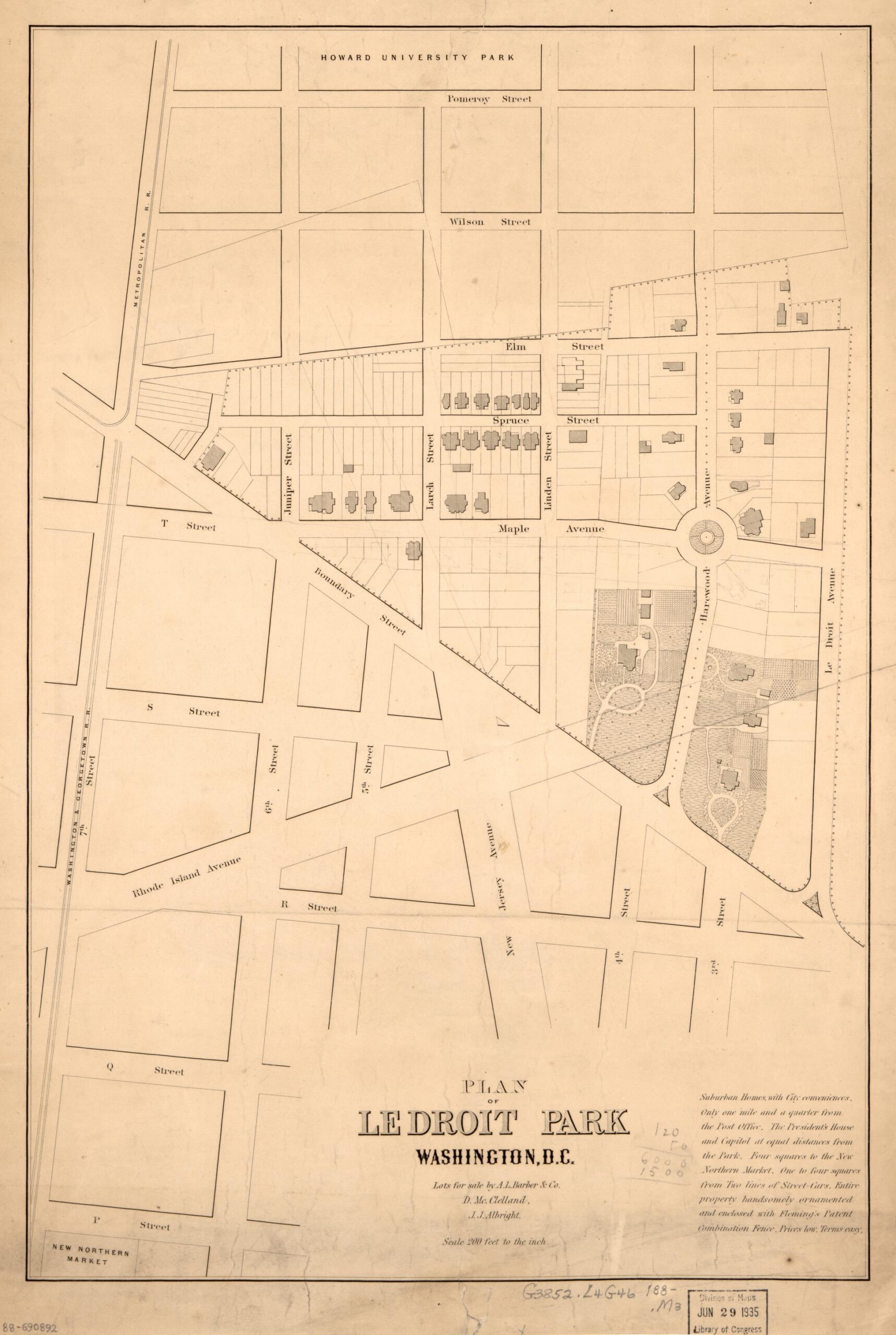
The neighborhood was platted in 1873 by Amzi L. Barber, a 30-year-old Vermont native who had graduated from Oberlin in 1867 and come to Washington to teach at the newly founded Howard University. Barber ran Howard’s Normal and Preparatory Department and served on the board of trustees. In 1871 he married Julia Langdon, the daughter of a successful New York real estate dealer named J. LeDroict Langdon. (Yes, that’s a “c” in the middle.)
When Barber and his brother-in-law Andrew Langdon bought roughly 40 acres of land from Howard University in 1873 to develop as a residential subdivision, Barber named it after his father-in-law and quietly dropped the “c.” LeDroict Park sounded like a man’s name. LeDroit Park sounded French.
Barber resigned his Howard post the same year and went into real estate full-time. He would later become known as “The Asphalt King” for paving more than 12 million square yards of Trinidad asphalt in 70 American cities, but in 1873 he was just a former teacher with a partner, a piece of land, and a plan.
A romantic suburb for white Washington
LeDroit Park was one of the first suburbs of Washington, D.C. That sounds funny now, because today’s suburbs are Rockville and Ashburn and Manassas, not a place you can walk to from the Howard Theatre. But in 1873 the city ended at Florida Avenue, which was then called Boundary Street. Anything north of it was countryside.
Barber and Langdon pitched LeDroit Park as the antidote to downtown. Clean, tree-lined streets. Generous lots. A romantic plan modeled on the country-house pattern books of Andrew Jackson Downing. The streets inside the subdivision were named after trees instead of letters and numbers. Maple. Elm. Spruce. Linden. (DC eventually renumbered them into the city grid.) The pitch was straight at the kind of buyer who could not stand to live near the muddy dens of Murder Bay or Swampoodle.
The buyer Barber and Langdon had in mind was also white. LeDroit Park was platted as a whites-only enclave on the doorstep of a Black university.
James H. McGill and the original 64 houses
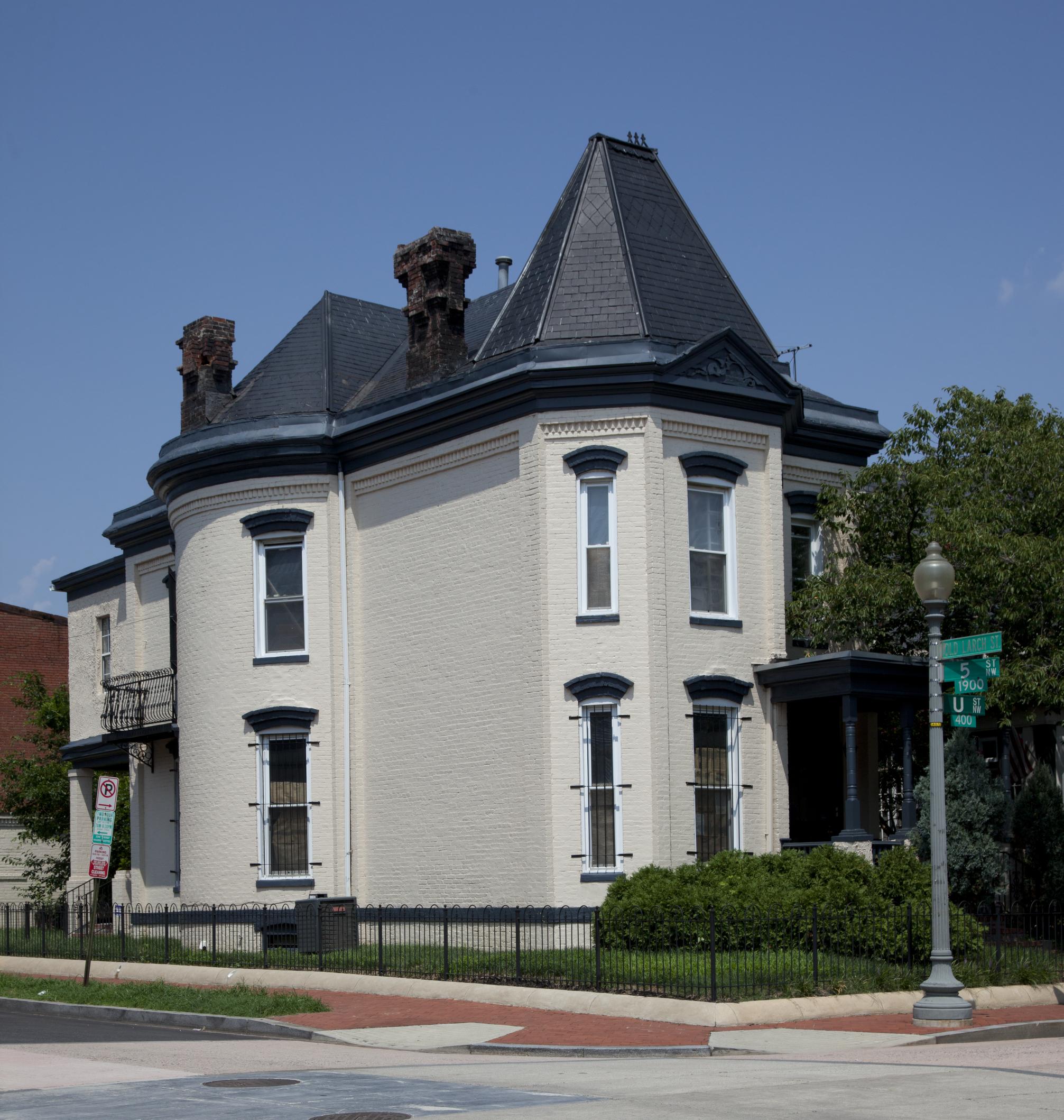
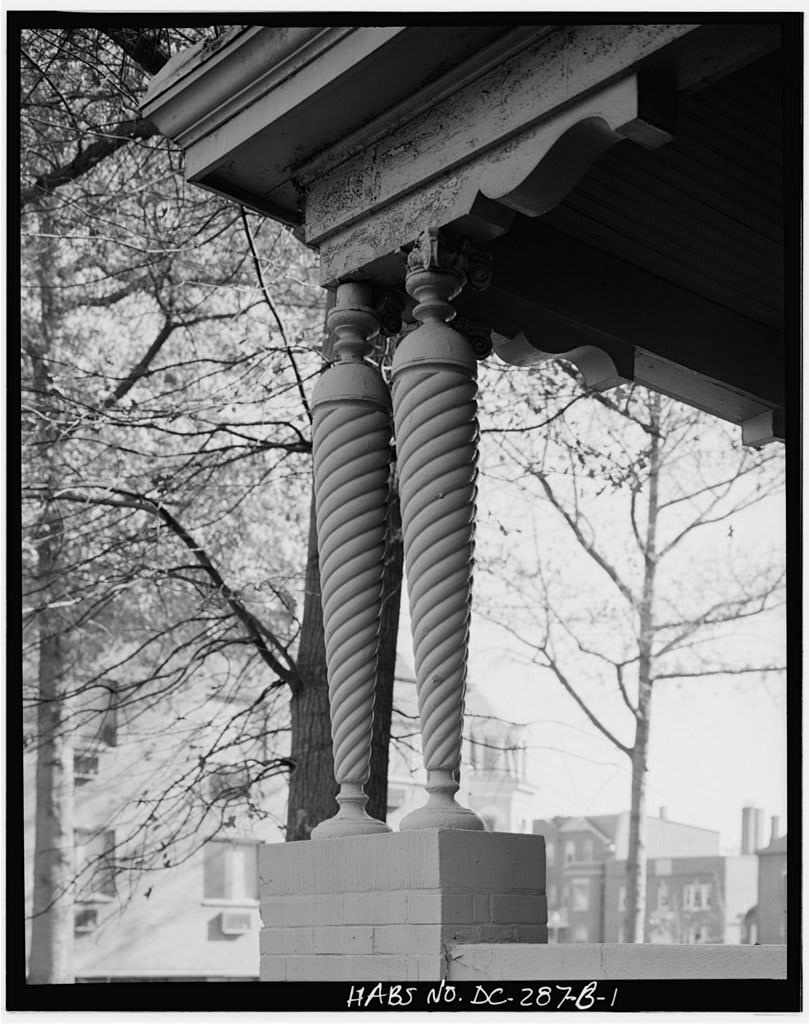
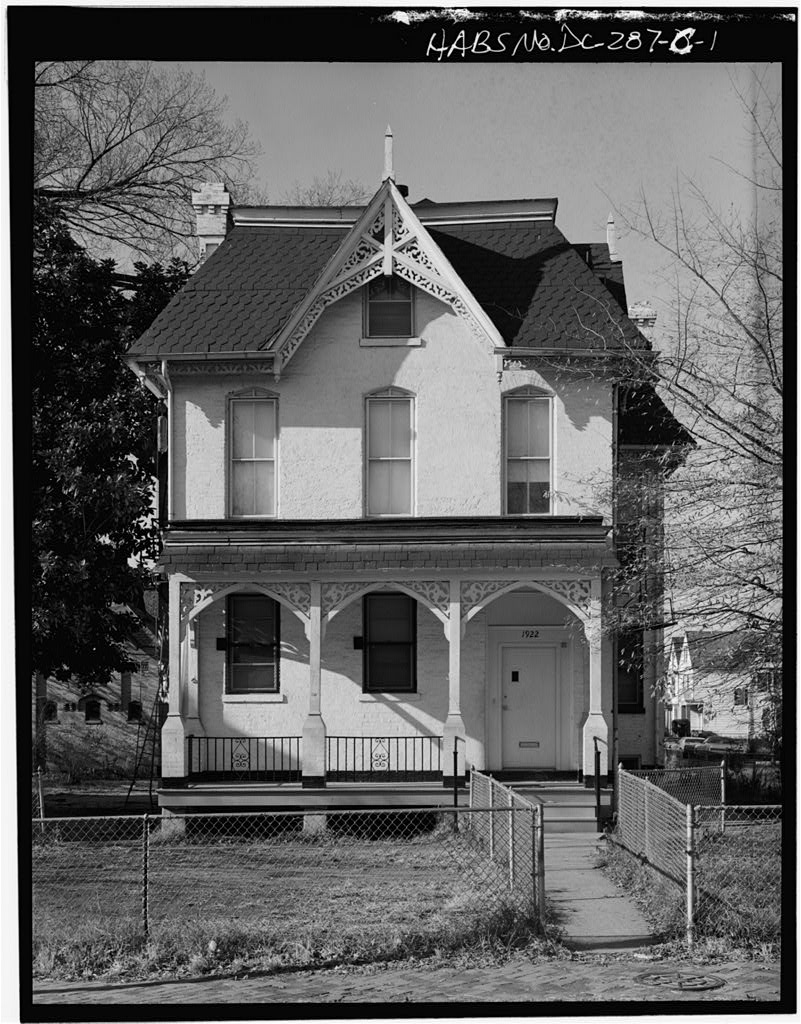
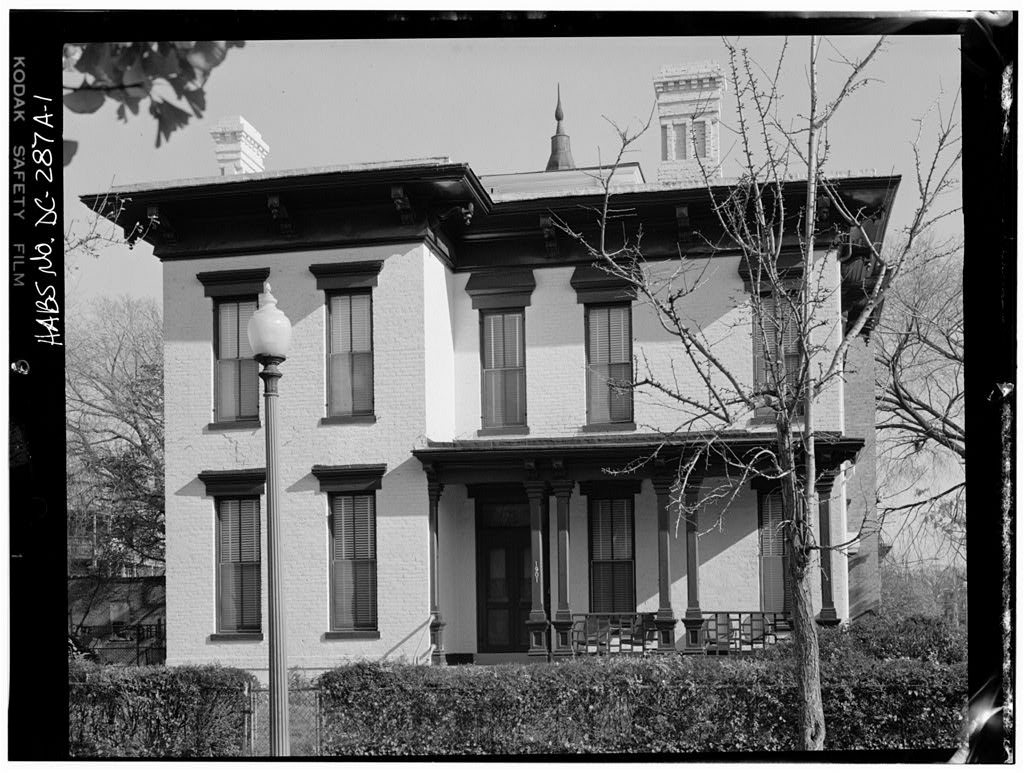
Barber hired one architect, James H. McGill, to design the entire neighborhood. McGill produced 64 designs between 1873 and 1877, and not a single one was a duplicate. Each house was different from its neighbor. The styles came straight out of Downing’s The Architecture of Country Houses: Italianate villas, Gothic Revival cottages, Second Empire townhouses with mansard roofs. The materials were brick and frame, often stuccoed, with carved bargeboards and elaborate porches.
Of the 64 original McGill houses, about 50 are still standing. They are the reason LeDroit Park feels so different from the row-house streets just outside its borders. Walk one block and the rhythm of identical Wardman fronts gives way to a deliberately mixed parade of villas and cottages, each with its own roof line.
The fence war, 1886 to 1888
To keep LeDroit Park white, Barber and Langdon literally wrapped it in a fence.
A wooden barrier ran around the subdivision, with gates and watchmen, cutting off the direct corridor between Howard University and the city to the south. Anyone trying to walk from Howard down to U Street or further had to detour around it. The barrier was a constant insult to the Black residents of the neighborhoods on the other side, who started calling it the fence war.
Between 1886 and 1888 there were repeated confrontations. Howard students and residents of nearby Howard Town (the Black neighborhood north of the campus) tore sections of the fence down. Barber’s people rebuilt them. The papers covered it. Lawsuits flew. In July 1888 the fence came down for the last time and stayed down, after a coordinated student-led demolition that the police did not stop.
The whites-only deed restrictions held a little longer. They cracked in 1893, when Octavius Augustus Williams, a barber who worked in the U.S. Capitol, bought a house at 338 U Street NW. Williams was the first Black resident of LeDroit Park. He moved his family in and the neighborhood, as a segregated project, was effectively over.
The premier Black neighborhood in Washington
Once the wall was gone, the transformation was fast. Black professionals working at Howard, at the federal government, in the law and the public schools, moved into McGill’s villas and stayed.
For roughly the next sixty years, LeDroit Park was the most prestigious Black residential neighborhood in Washington. Howard faculty. Doctors at Freedmen’s Hospital. Lawyers. School principals. The roster of people who slept in those houses, year over year, reads like a directory of Black America’s professional class at the turn of the twentieth century.
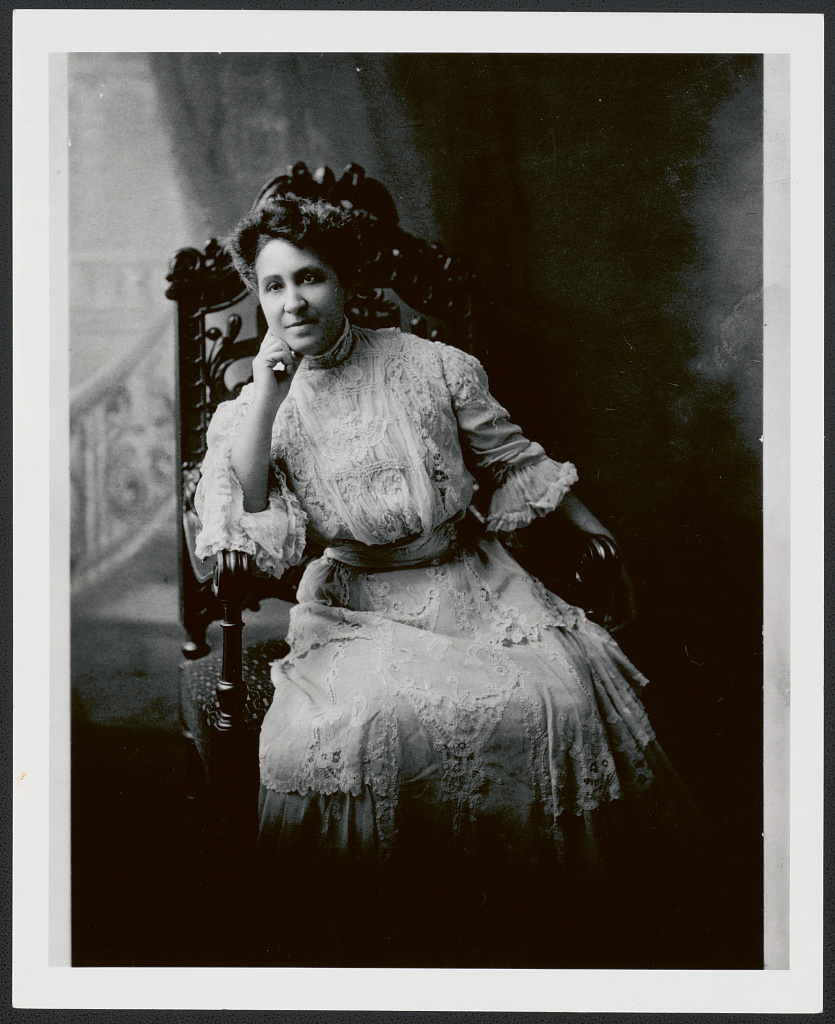
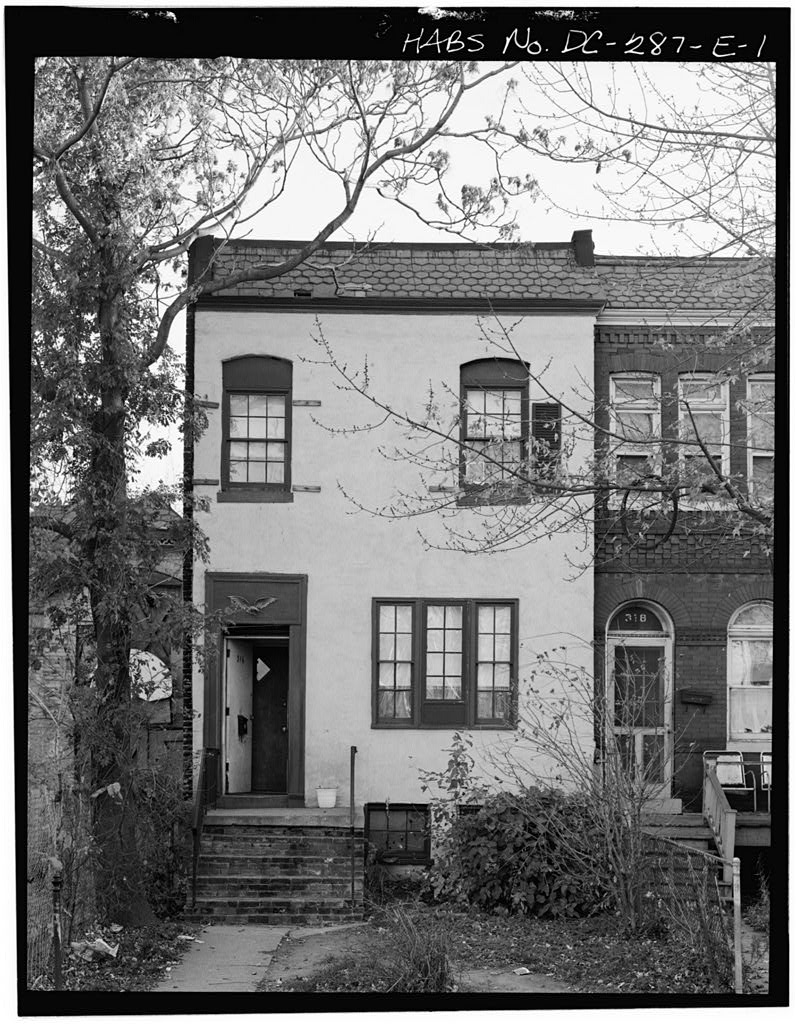
Mary Church Terrell and her husband, Judge Robert H. Terrell, lived at 326 T Street NW. Mary Church Terrell was a founder of the National Association of Colored Women, the first Black woman appointed to a city board of education in the United States, and one of the most relentless public organizers of her generation. Robert Terrell was a Harvard graduate, a law professor at Howard, and the first Black judge to serve on D.C. Municipal Court. Their house ran as an open salon for visiting Black intellectuals, organizers, and politicians. Mary Church Terrell would later host the planning meetings that led to the 1953 District of Columbia v. John R. Thompson Co. case desegregating Washington restaurants.
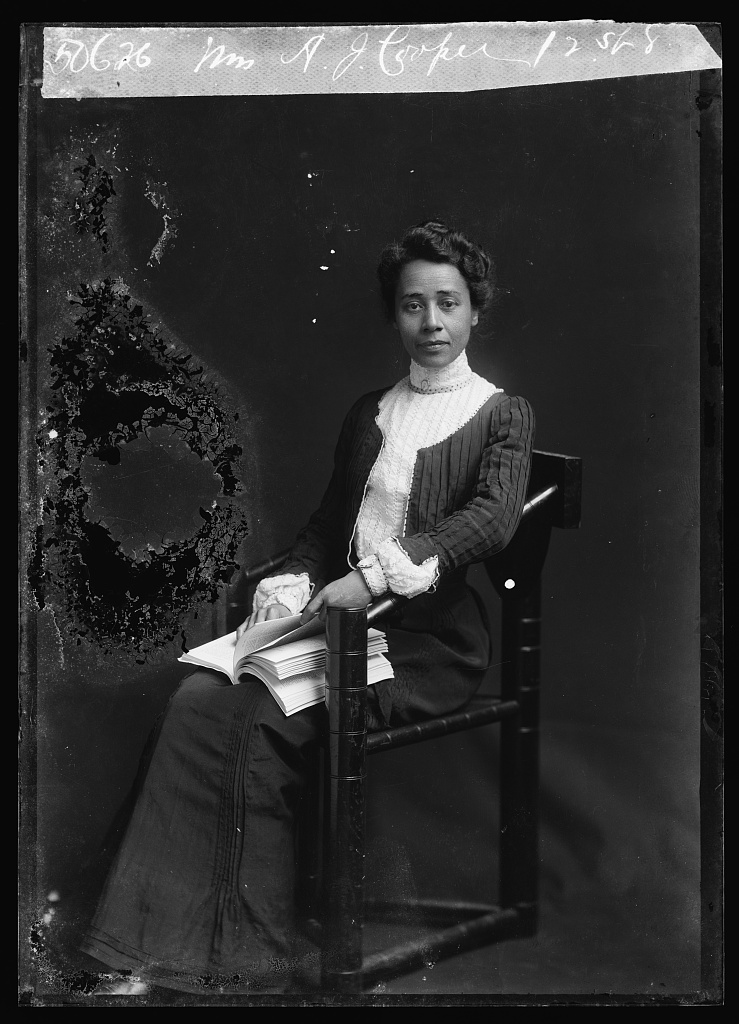
A few doors down, at 201 T Street NW, Anna Julia Cooper bought a Queen Anne house in 1916 and lived in it for almost half a century. Cooper had earned her bachelor’s and master’s at Oberlin in the 1880s, taught for decades at the famous M Street High School, and in 1924 became the fourth Black woman in American history to earn a Ph.D., from the University of Paris-Sorbonne. She was 65 when she defended that dissertation. She lived to be 105, and died in her house on T Street in 1964. The traffic circle outside her front door is now named for her, Anna J. Cooper Circle.
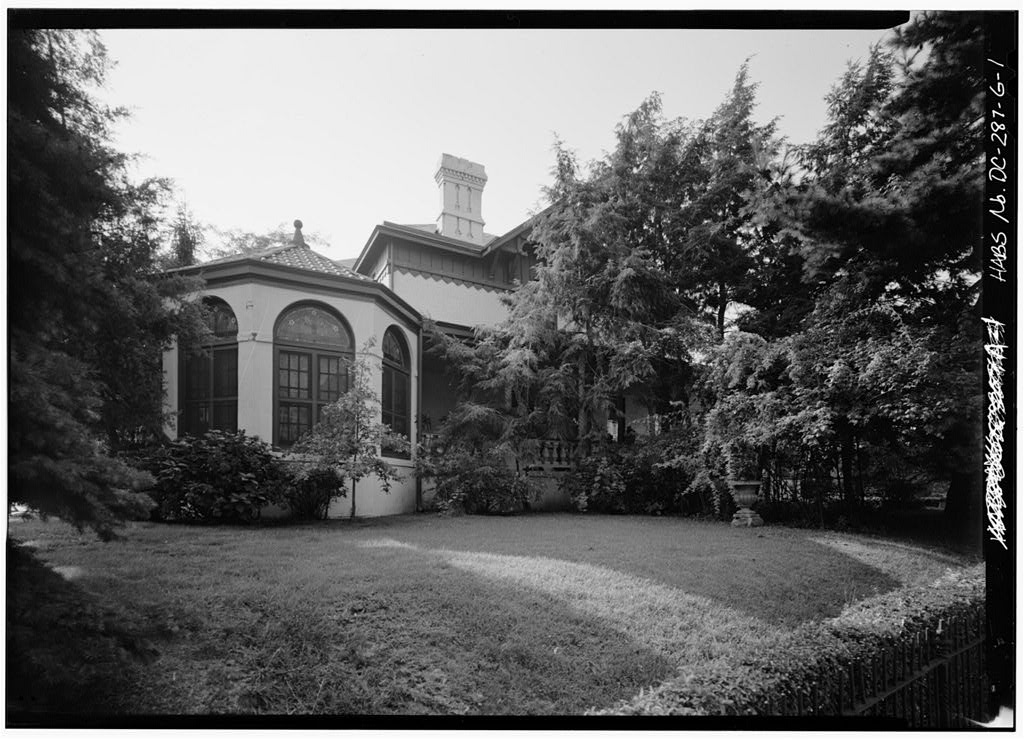
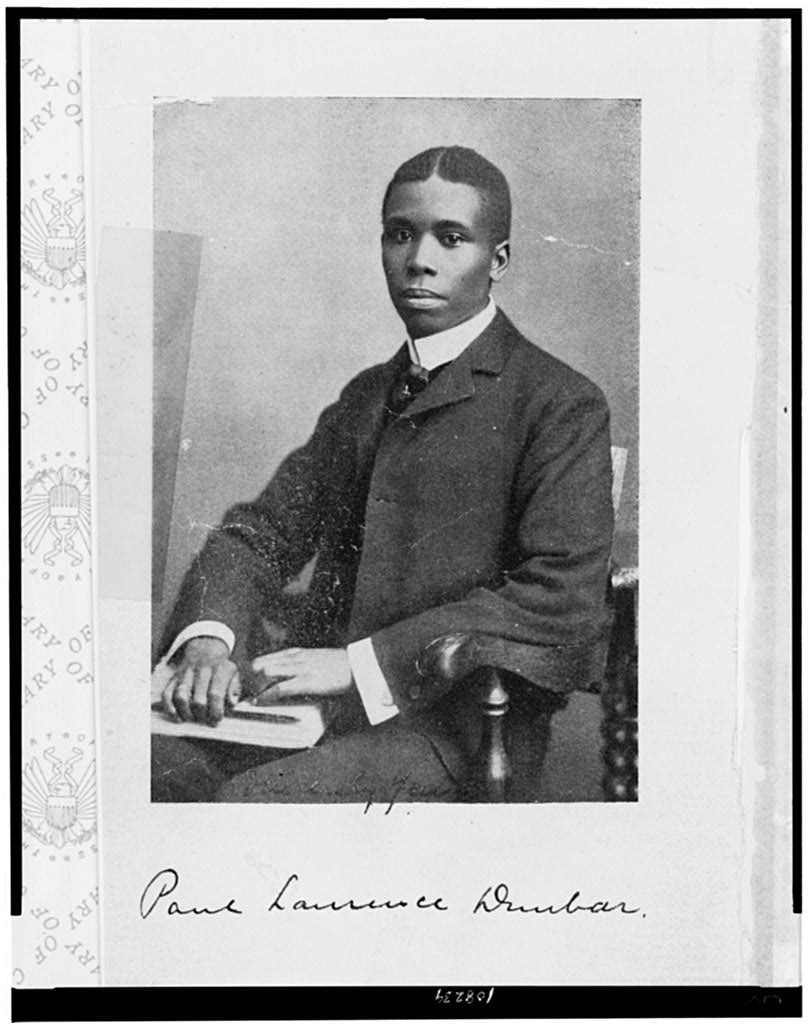
Paul Laurence Dunbar, the first Black American poet to win nationwide acclaim, lived briefly at 321 U Street NW with his wife, the writer and educator Alice Moore Dunbar, around the turn of the twentieth century. Dunbar’s stay in LeDroit Park was short. He died in 1906 at just 33. But his name eventually attached itself to most of the institutional landmarks of Black Washington, from the legendary Dunbar Hotel at 15th and U to Dunbar High School a few blocks east.
The list keeps going. Walter E. Washington, the first Black mayor of D.C., lived at 408 T Street. Duke Ellington stayed in the neighborhood when he was a young man. Robert Weaver, the first Black cabinet secretary, grew up here. Decades later, Jesse Jackson would buy a house on Maple Avenue.
The map view, 1907
By 1907 LeDroit Park was a built-out neighborhood, and the G. W. Baist real estate atlas captured it block by block. Pink buildings on the Baist plates are brick. Yellow buildings are frame. We pulled the relevant plate apart in a separate post on the 1907 Baist map of LeDroit Park and Bloomingdale if you want to scroll the full sheet at zoom.

Decline, Howard’s expansion, and the saving of the neighborhood
The neighborhood went through a hard middle of the twentieth century. The 1948 Supreme Court ruling in Shelley v. Kraemer made racial deed covenants unenforceable. For what those covenants actually said in one upper Northwest neighborhood, see Barnaby Woods’ 1937 promise of “social restrictions”.
After 1954, segregation was no longer the law. Black professionals who had been locked into LeDroit Park because they could not buy elsewhere in the city now had options, and many of them took them. Houses got carved into rooming units. Maintenance slipped. Property values fell.
Howard University started buying up entire LeDroit blocks in the 1960s and 70s, planning to expand Howard University Hospital and adjacent academic facilities. The expansion mostly did not happen. What the buying did produce was vacant, boarded-up McGill houses sitting on prime blocks, owned by a landlord (the university) that had no immediate use for them. The blight compounded itself.
In 1974, LeDroit Park was added to the National Register of Historic Places as the LeDroit Park Historic District. The designation covered roughly the original Barber-Langdon plat between Florida Avenue, Rhode Island Avenue, 2nd Street NW, and Bryant Street NW, and it locked in legal protection for what was left of McGill’s work. The District of Columbia Inventory of Historic Sites picked it up the same year.
Howard eventually changed course. Starting in the late 1990s, the university and the LeDroit Park Civic Association launched the LeDroit Park Initiative, a restoration push that rehabilitated more than a hundred houses, brought a Reeves Center grocery to the neighborhood, and pushed back the worst of the abandonment. The initiative did not undo the displacement that had already happened, but it stopped the bleeding.
What stands today
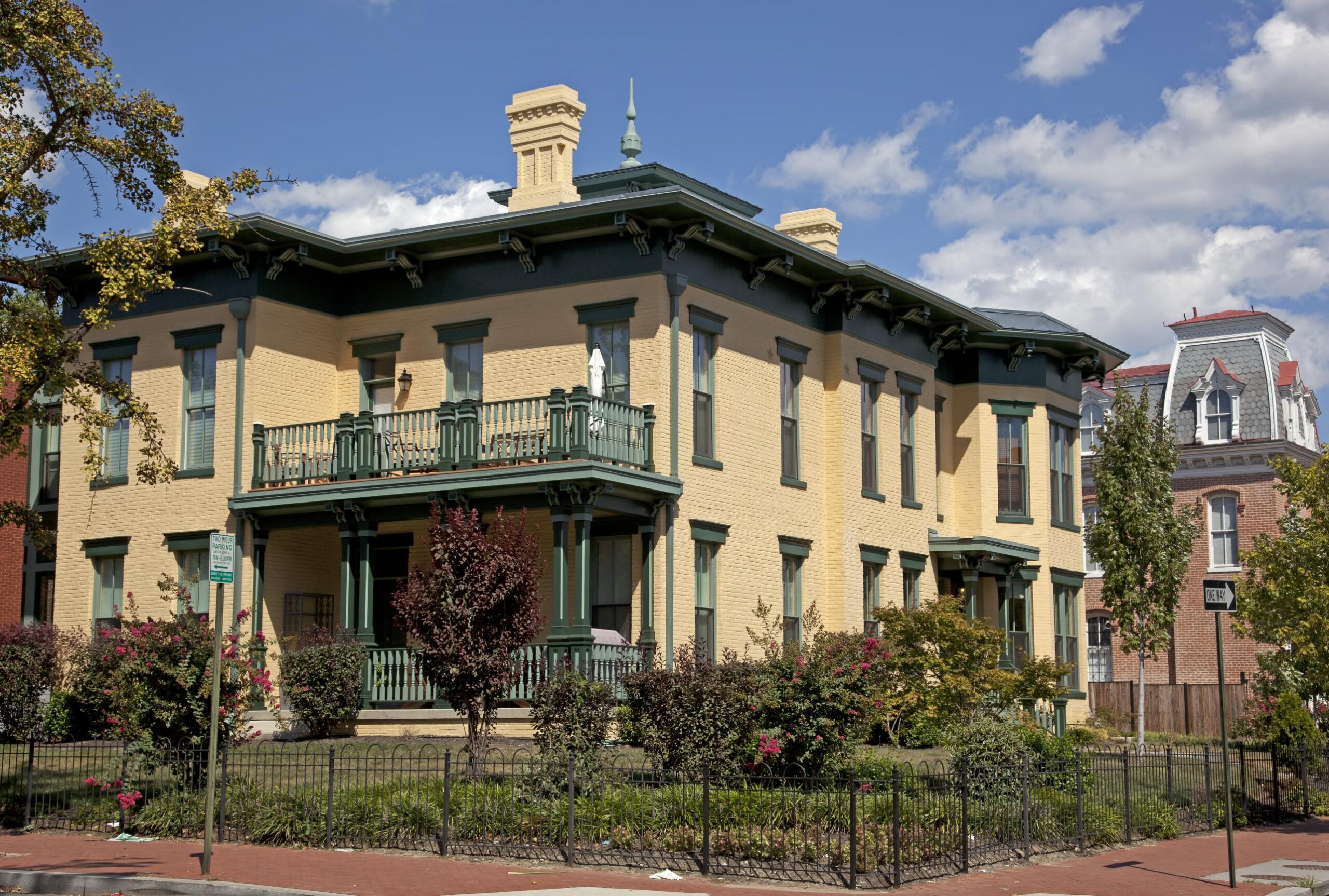
About 50 of the original 64 McGill houses are still standing. The LeDroit Park-Bloomingdale Heritage Trail, installed in 2015, marks the locations of the Terrell house, the Cooper house, the Dunbar address, and the line of the lost fence. Anna J. Cooper Circle is a small landscaped triangle in front of her former front door. The wider neighborhood has been one of the fastest-changing in DC over the last two decades, but the historic district designation has held the McGill core mostly intact.
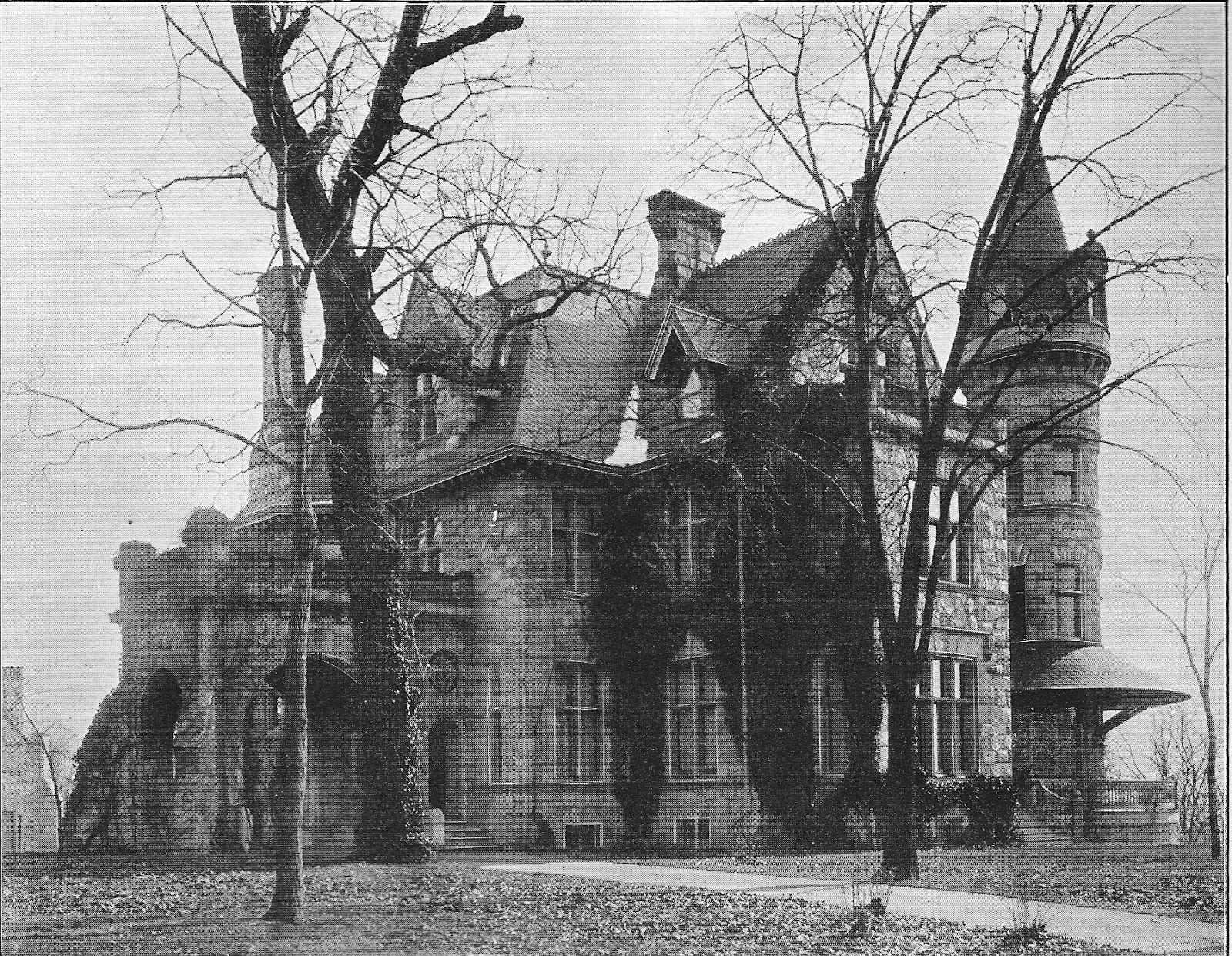
Amzi Barber’s own house, incidentally, was nowhere near LeDroit Park. He built his asphalt-fortune mansion up the hill at 14th and Clifton, in what is now Columbia Heights, and that is the building shown below. It is long gone.
For a wider look at the streetcar suburb that grew up just east of LeDroit Park, see our post on Truxton Circle, the lost traffic circle and the naval hero behind its name.
We dug this one up with help from AI and checked it against the original records below. Here’s how we use AI.