
On the morning of February 11, 1964, John Lennon, Paul McCartney, George Harrison and Ringo Starr boarded a Pennsylvania Railroad train at New York’s Penn Station. A private sleeper car, the King George, had been hitched on for them. A snowstorm had crippled New York’s airports, so the trip to Washington switched to the rails at the last minute.
Their destination was Washington Coliseum, a barrel-roofed concrete arena at 3rd and M Streets NE. That night, 8,092 people crammed inside. It was the Beatles’ first concert in the United States.
How DC was primed for the Beatles
The Beatles had landed at JFK on February 7 to about 3,000 screaming fans. Two nights later they played The Ed Sullivan Show, in the 728-seat Studio 50, for an estimated 73 million viewers at home. That was a record for American television at the time.
Sullivan was television, but the Coliseum was the first time they went face to face with an American crowd.
Washington’s teenagers already knew the songs, thanks to a 14-year-old from Silver Spring. In December 1963, Marsha Albert, a Sligo Junior High student, wrote to WWDC disc jockey Carroll James asking to hear the Beatles’ new single. It hadn’t been played in America yet.
James first called the British Embassy, which said it couldn’t help. Then he tried BOAC, the British airline. “Very happy to try, old boy,” came the reply, according to the Evening Star. A copy of “I Want to Hold Your Hand” was bought in London and flown over on a BOAC jet.
On Tuesday, December 17, 1963, WWDC played it on the air, with Marsha introducing it. Requests exploded and other stations followed. Capitol Records scrapped its plan for a January release and rushed the single out on December 26. By February 1 it was No. 1.
Accounts differ on who first called the Coliseum’s owner, Harry G. Lynn, about booking the band: WWDC by one telling, Epstein by another. Either way, Lynn had never heard of the Beatles, but he said yes.
Union Station in the snow
The train pulled into Union Station at 3:09 p.m., about 20 minutes late, and it was snowing. The next morning’s Washington Post ran the headline “Area Digs Way Out After 10-Inch Snow.”
In the concourse, the Post counted teenagers “perhaps 2000 strong.” They lined the barriers, breathed on the glass and climbed the gates. WWDC had provided a welcome banner, held by four teenagers.


Before the show, the Beatles held a press conference at the Coliseum. Carroll James then interviewed them for ten minutes in WWDC’s mobile studio, with Marsha Albert sitting in.
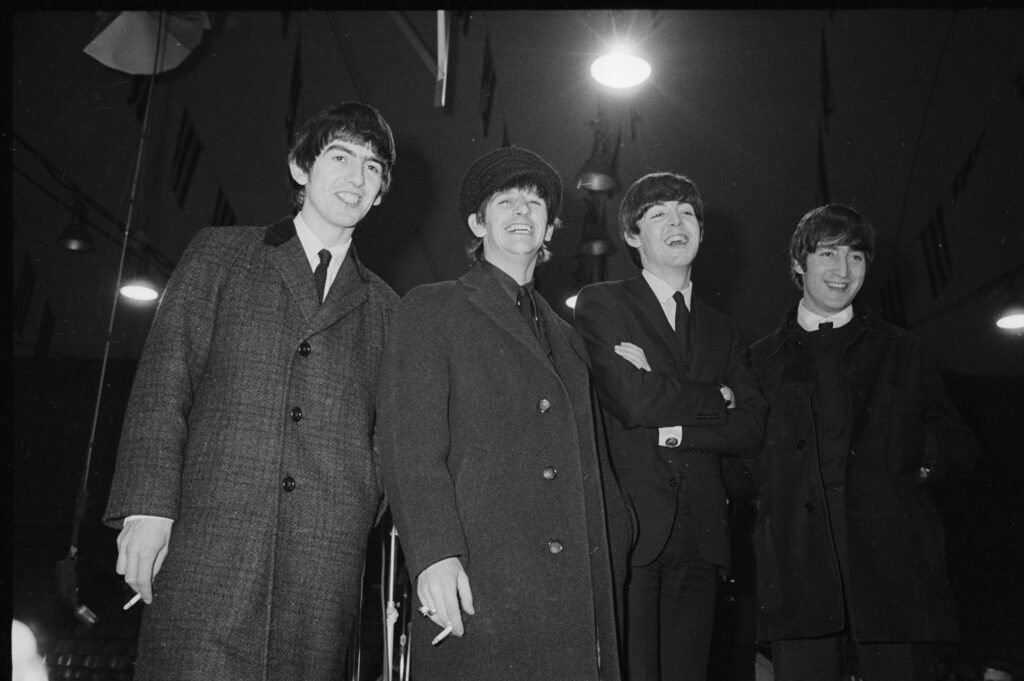
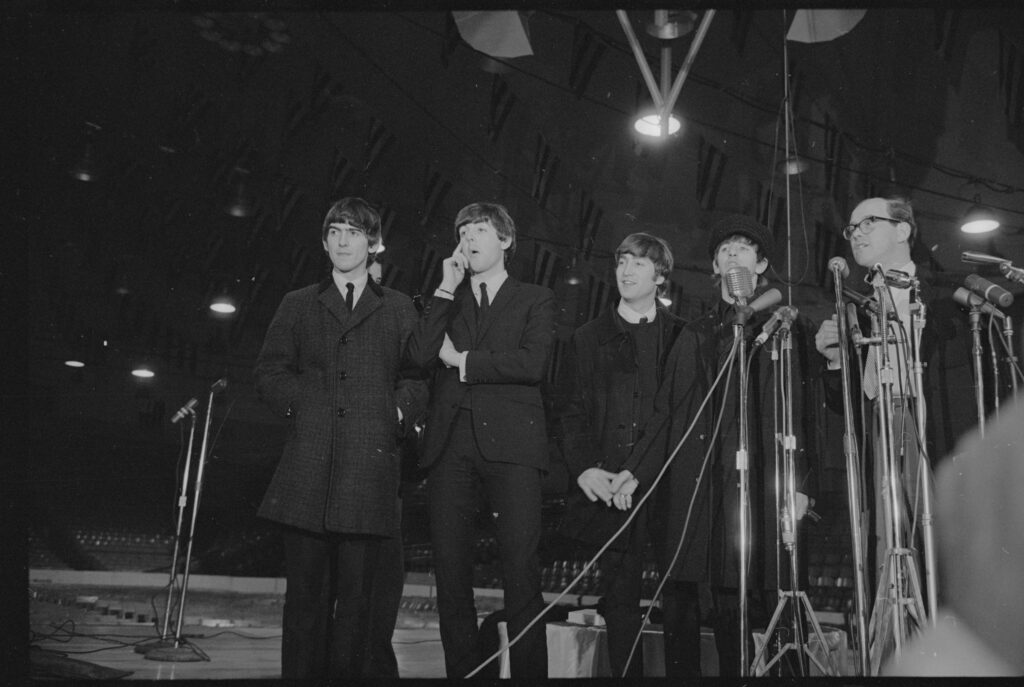
Their base for the trip was the Shoreham Hotel on Calvert Street, where the band’s party took the entire seventh floor to keep fans away. One family already booked on that floor refused to move. Hotel staff cut off their hot water, heat and electricity, told them there was a power failure, and the family moved.

A boxing ring in the middle of the floor
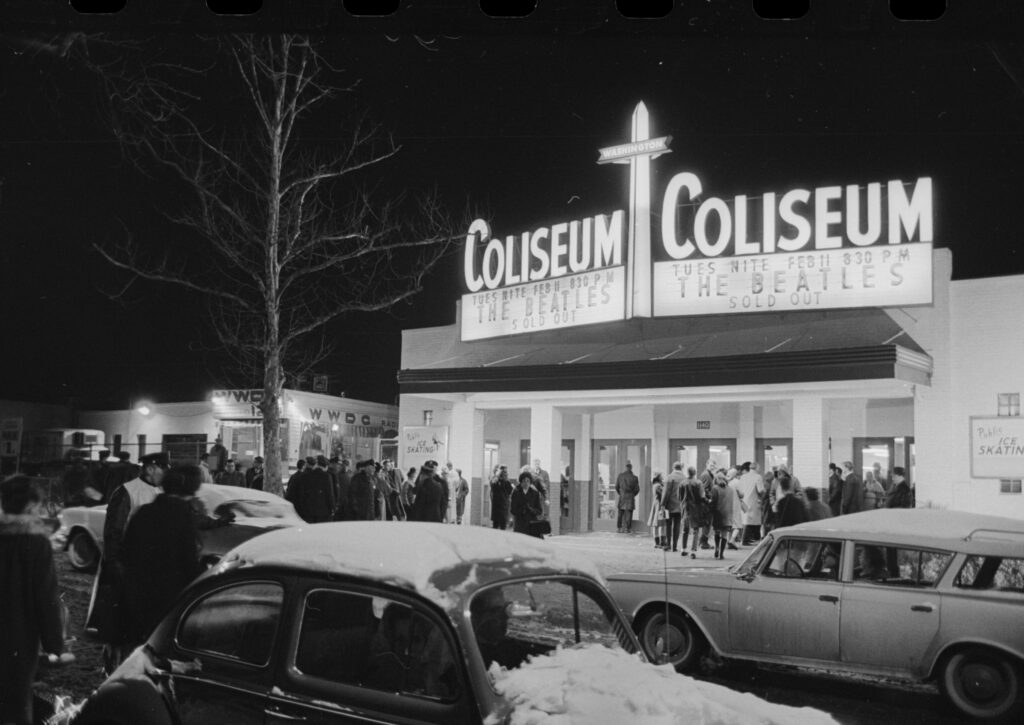
The stage was set up like a boxing ring in the middle of the Coliseum floor. Tickets were $2, $3 and $4. Lynn worried the Beatles alone wouldn’t sell enough tickets to cover their $10,000 fee, so he padded the bill with other acts.
Tommy Roe, the Chiffons and the Caravelles were advertised. Jay and the Americans and the Righteous Brothers were added. Accounts disagree on exactly who made it through the snow, but Tommy Roe definitely played, and the show sold out.
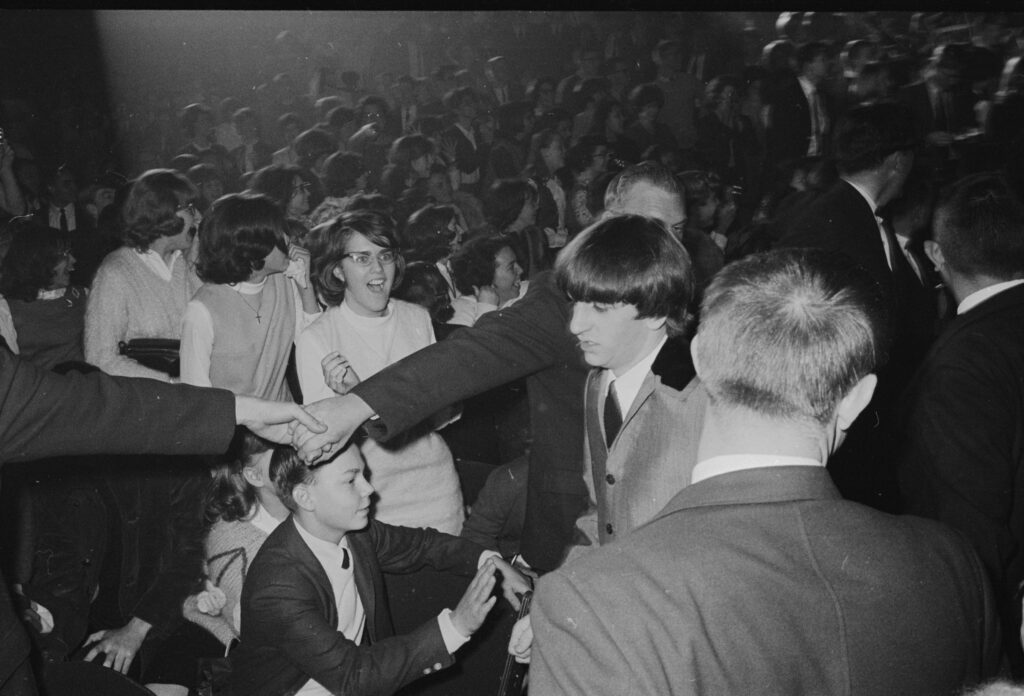
Twelve songs, in the round
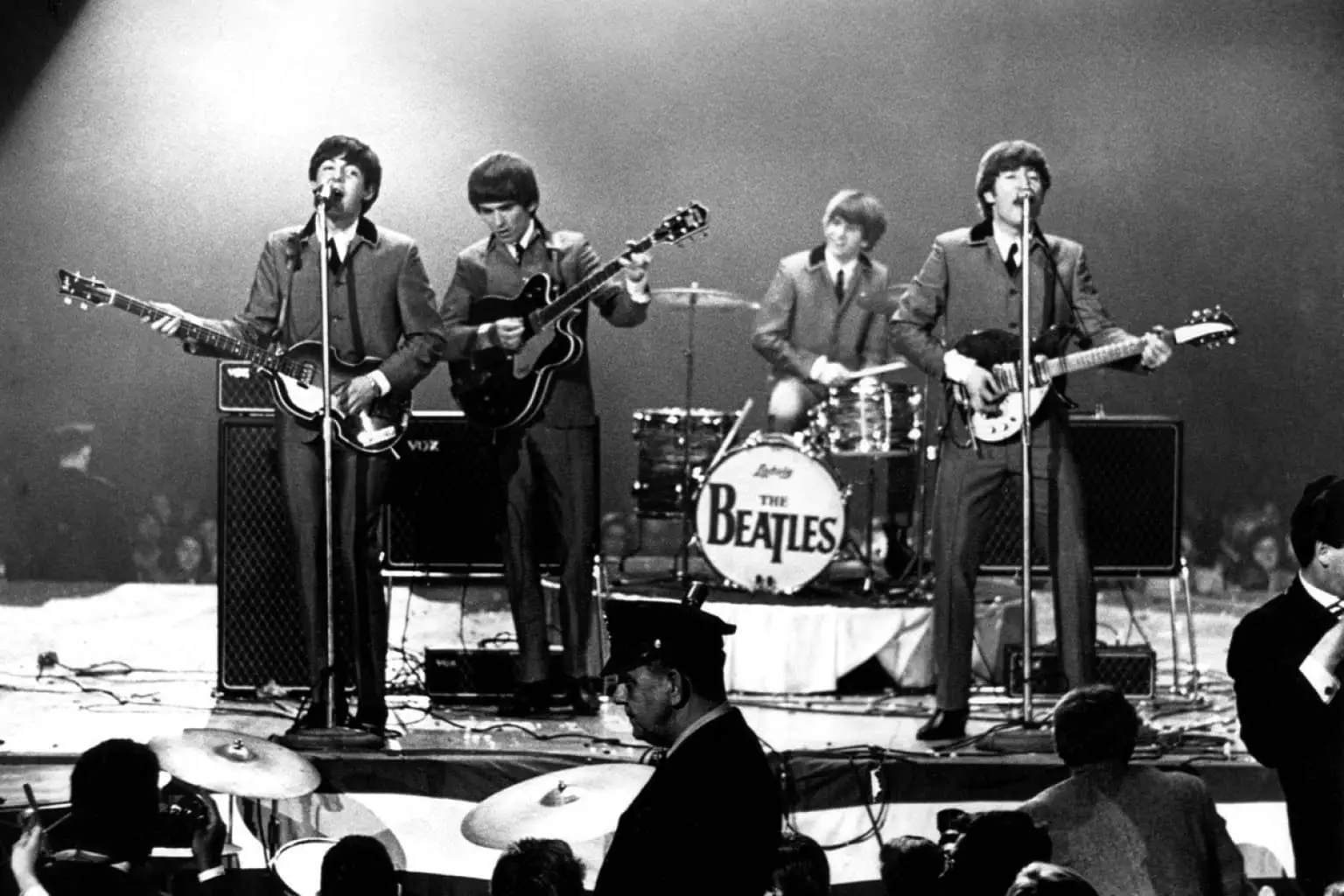
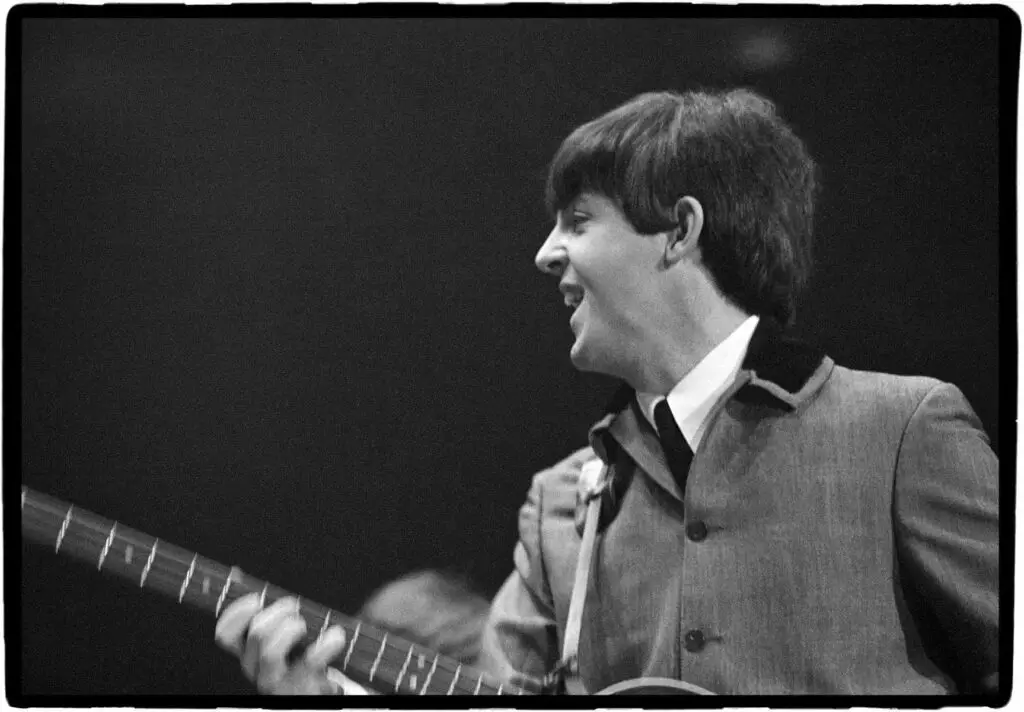
The Beatles took the stage at 8:31 p.m. With the stage in the center of the arena, one side of the crowd was always looking at their backs.
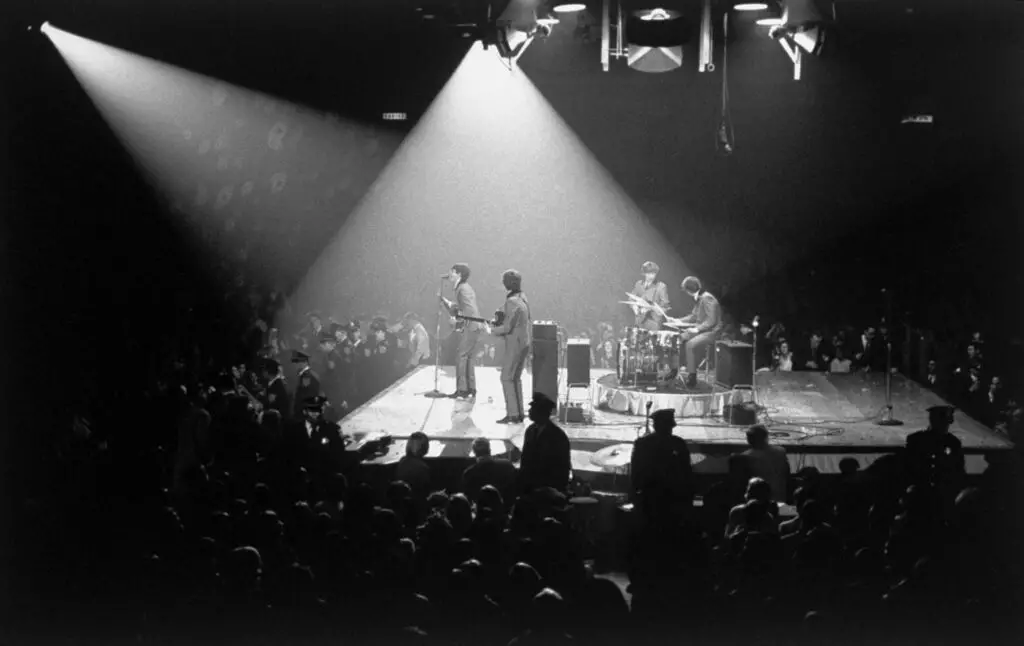
So the stage crew kept turning Ringo’s drum riser. Road manager Mal Evans swung it 180 degrees after the third song, again after “I Wanna Be Your Man,” and another 45 degrees after “She Loves You.” The others dragged their mic stands around to face the new side.
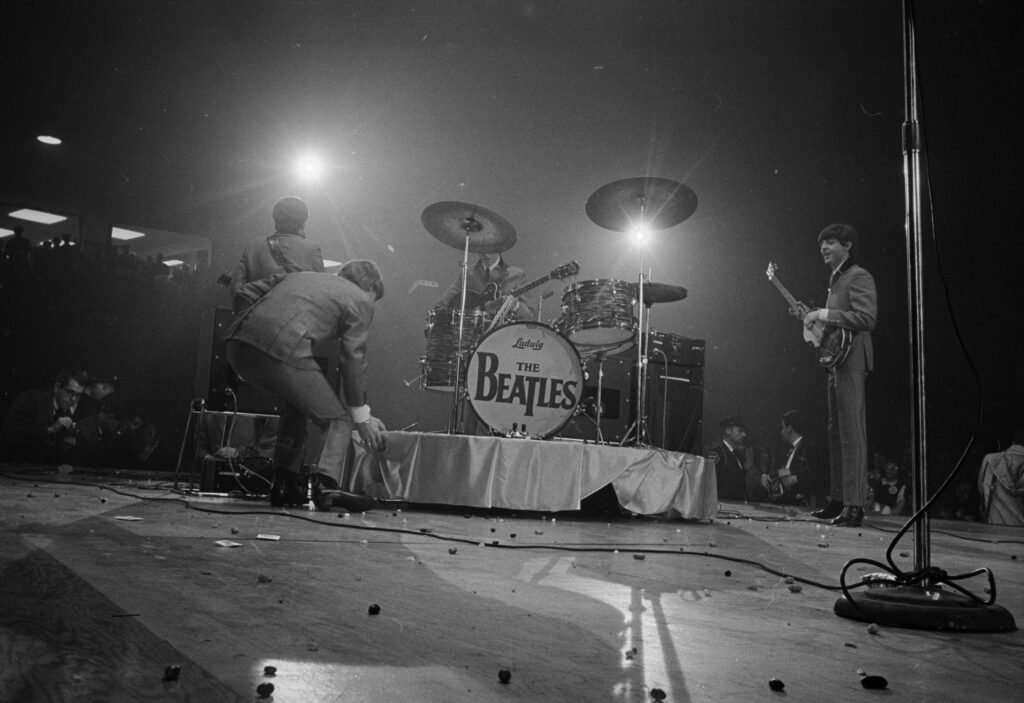
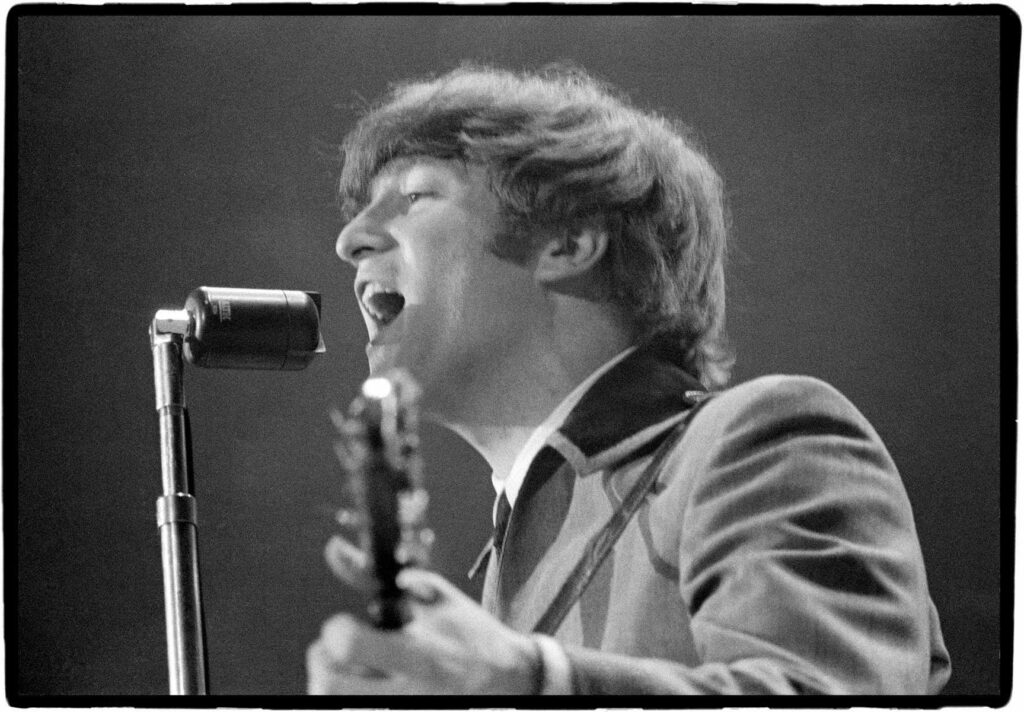
The set was 12 songs, played in about 35 minutes: “Roll Over Beethoven,” “From Me to You,” “I Saw Her Standing There,” “This Boy,” “All My Loving,” “I Wanna Be Your Man,” “Please Please Me,” “Till There Was You,” “She Loves You,” “I Want to Hold Your Hand,” “Twist and Shout” and “Long Tall Sally.”
George Harrison’s microphone was dead during the opening number, and the replacement they handed him was faulty too. Nobody could have heard much anyway. Some 362 police officers were on duty, by one count, about 30 of them ringing the stage.
At least one officer, the Post later recalled, stuck a pair of .38-caliber bullets in his ears as earplugs.
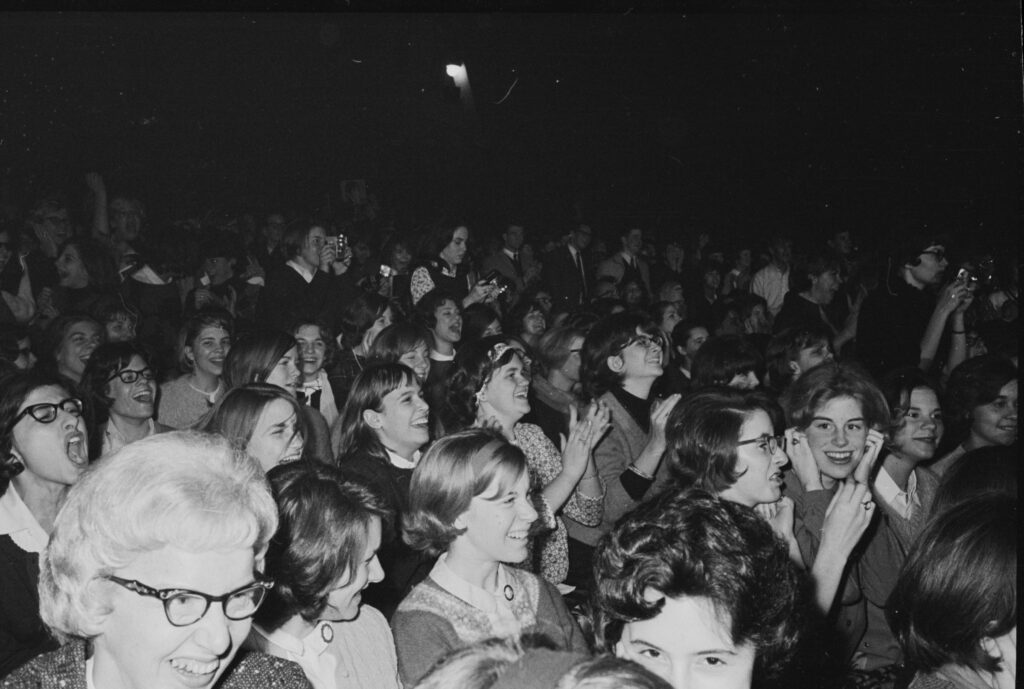
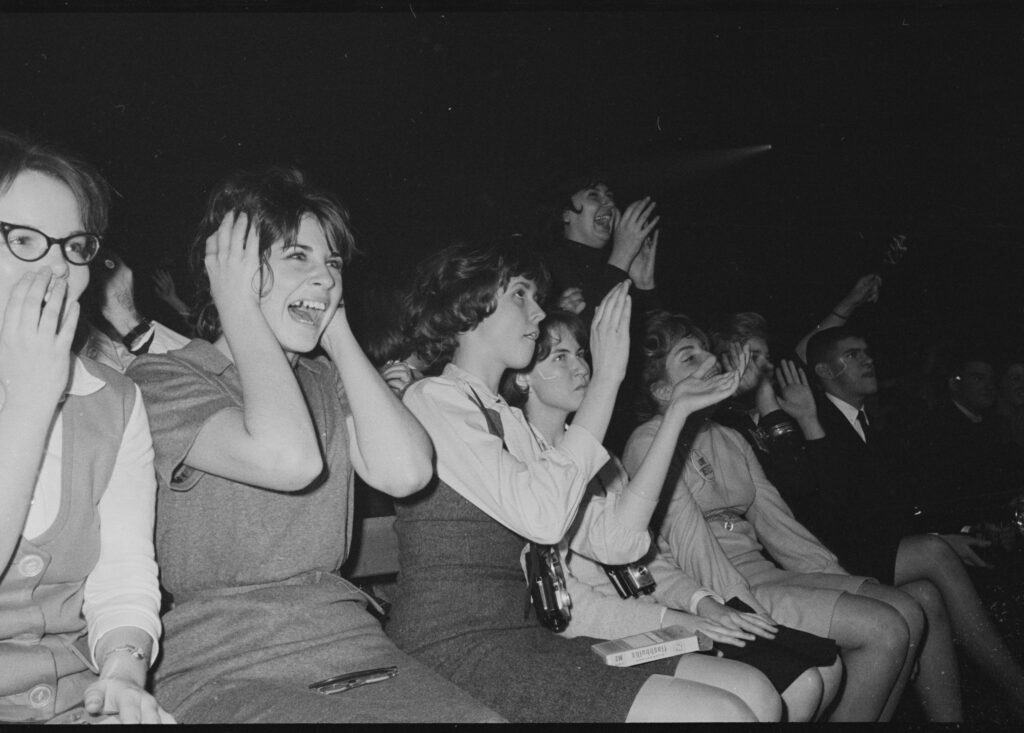
And then came the jelly beans. Back in early 1963, John had joked to a British reporter that George ate all his jelly babies, the soft English candy. British fans started throwing them at the band. In America, the papers turned that into jelly beans, the hard American ones.
The Coliseum crowd threw them from every direction, along with peanuts and burned-out flashbulbs. When the band finished “Long Tall Sally,” they ran up an aisle and out.
They don’t have soft jelly babies there; they have hard jelly beans. To make matters worse, we were on a circular stage, so they hit us from all sides. Imagine waves of rock-hard little bullets raining down on you from the sky.
George Harrison, quoted in Keith Badman, The Beatles Off The Record
What the Post reported the next morning
The Washington Post‘s Jerry Doolittle covered the arrival on the front page under the headline “Beatles Arrive, Teen-Agers Shriek, Police Do Their Duty, and That’s That.” The piece does the thing DC newspaper writers of that era did best, which is treat a national frenzy with a straight face.
At 3:09 p.m. yesterday the Beatles came to town in an old Richmond, Fredericksburg and Potomac Railroad sleeper called the “King George.” It was snowing and many of the newsmen on the platform were wearing Russian caps, which lent an Anna Karenina air to the scene. …
“Eeeeh,” said Insp. Hughes, or maybe it was “Eeeek.” At any rate, it sounded like a police inspector imitating the call of the hysterical teen-ager under his breath. …
At the Coliseum, the Beatles handled a press conference during which they conducted themselves with an aplomb that bordered on total relaxation. Two of the Beatles sparred with each other before the questioning started. A third snapped his fingers. …
What did the Beatles think of President Johnson? “What do you think of the President?”, Ringo Starr asked a man adjusting the microphone. “He’s a great guy,” the man said. “He’s a great guy,” Ringo said.
Jerry Doolittle, Washington Post, February 12, 1964
The British Embassy party that went wrong
After the show the band was driven to the British Embassy on Massachusetts Avenue for a charity dance hosted by Lady Ormsby-Gore, the ambassador’s wife. It benefited her pet cause, the National Society for the Prevention of Cruelty to Children.
The Beatles were supposed to hand out the raffle prizes, signed copies of Meet the Beatles!, and mingle politely with the diplomatic corps.
Then a guest crept up behind Ringo Starr and snipped off a lock of his hair with nail scissors. Lennon had had enough and left early, and the others followed not long after. The ambassador and his wife apologized.
The band told Epstein never to book them into anything like that again, and they mostly stuck to it for the rest of their touring career.
The next day they took the train back to New York and played two short sets at Carnegie Hall. Their whole first American visit lasted about two weeks, from February 7 to 21.
The tape that played in movie theaters a month later
Brian Epstein let CBS videotape the concert. National General Corporation packaged it with concert footage of the Beach Boys and Lesley Gore and showed it in roughly 100 theaters on March 14 and 15, 1964.
For most American teenagers, that was as close as they got to seeing the Beatles live in 1964.
What happened to the Coliseum
The Coliseum kept booking rock shows for a few more years. The Rolling Stones played there in 1965 and 1966, and one wild afternoon in June 1966 a Chevy Chase teenager stole Brian Jones’s dulcimer out of the equipment van.
Once the Capital Centre opened in Landover in late 1973, the old barn on 3rd Street had no niche left. In 1994 a waste company bought it and ran a trash-transfer station inside. Later it became a parking garage, its curved concrete roof easy to mistake for an abandoned warehouse.
Douglas Development bought the building in the early 2000s and, with Antunovich Associates, turned it into offices and retail. On October 21, 2016, REI opened its DC flagship inside, keeping the barrel-vaulted roof and the original concrete ribs, graffiti and all.
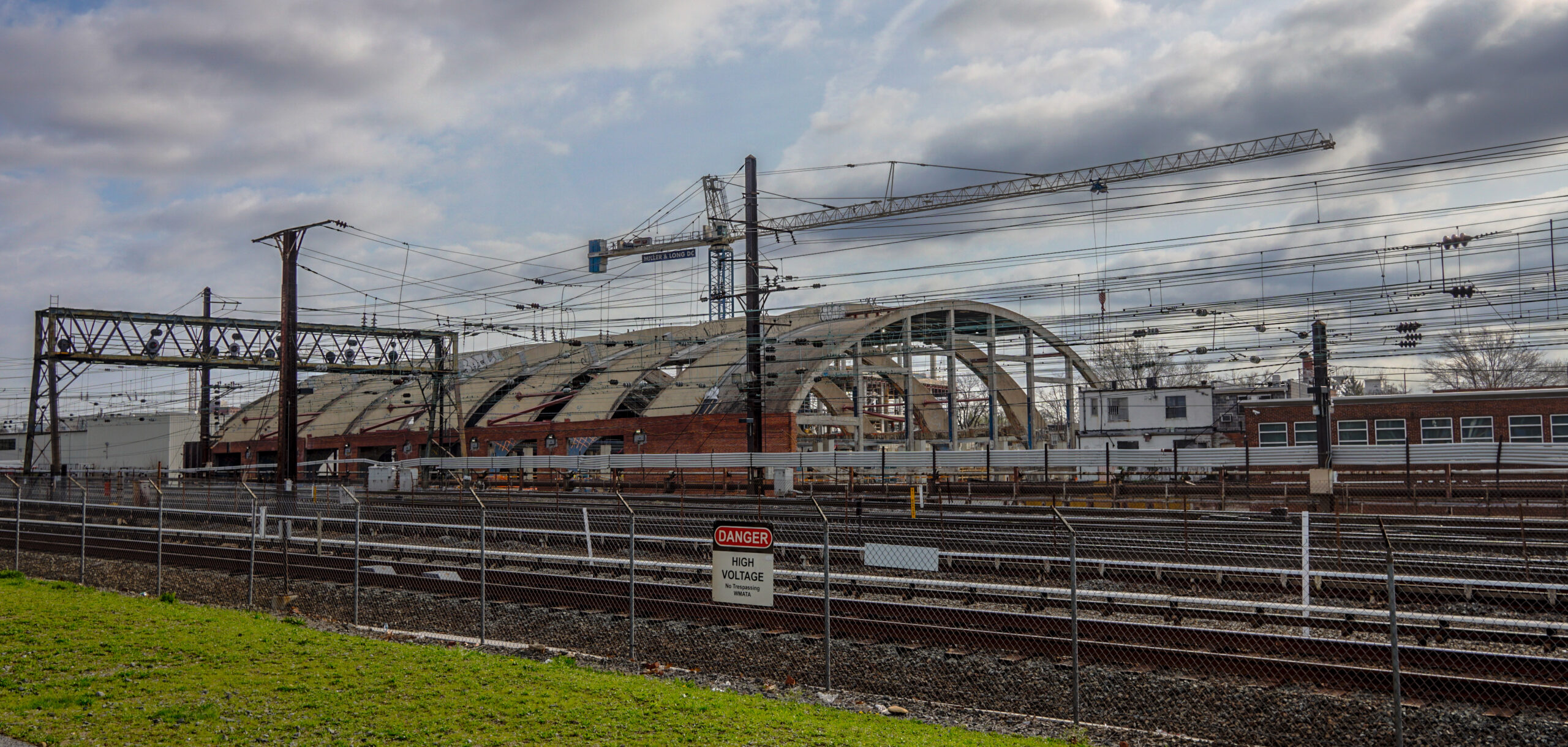
If you’re inside REI shopping for a tent, you’re standing where 8,092 people once pelted the Beatles with jelly beans while Ringo’s drum riser turned and the loudest sound in America was a room full of teenage girls.
We dug this one up with help from AI and checked it against the original records below. Here’s how we use AI.