
Bars & Restaurants
Washington has always had a serious food and drink scene, even if most people don’t think of it that way. These posts explore the bars, restaurants, saloons, and breweries that fueled the city across the centuries.
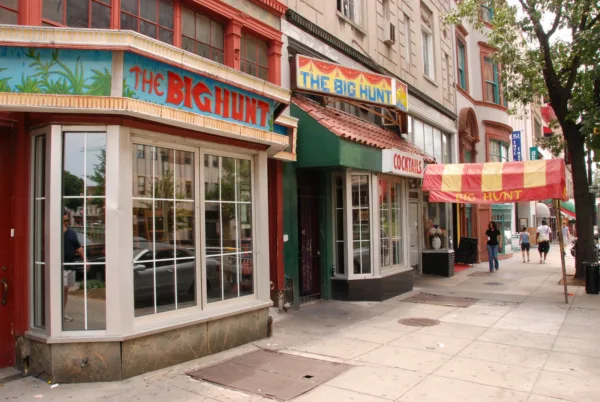
The Big Hunt filled a 1928 storefront at 1345 Connecticut Avenue NW from 1992 to 2020, with safari kitsch, a hidden patio and a comedy basement.

In 1871 Alexandria bought a used Philadelphia fire engine. The old story says it left Philadelphia with a dead fox tied to the smokestack. Its 1883 firehouse now serves dinner.
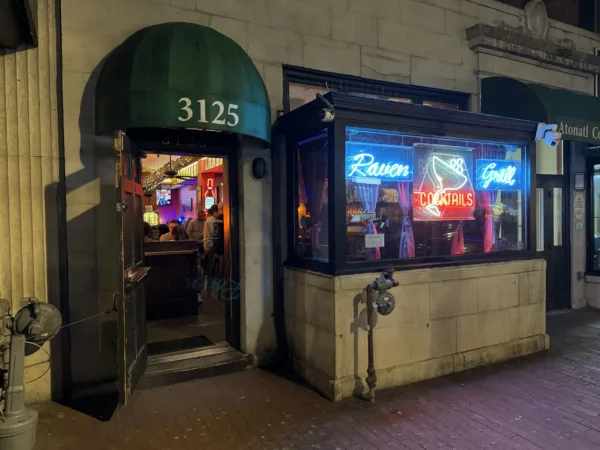
At 3125 Mount Pleasant Street NW, the Raven Grill has been a Washington DC dive bar since 1935. The booths are still the originals.

The Toddle House diner at 1971 Calvert Street NW served Adams Morgan from 1940 until 1971, survived a 1942 knife suit over a bad cup of coffee, and shared a chain name with a Bethesda restaurant that was still turning Black customers away in 1957. The building still stands.

Before Stetson’s opened at 1610 U Street NW, federal agents and District police repeatedly raided a Prohibition speakeasy at the address.
There’s more where these came from.
Lost Washington stories in your inbox most mornings: the newest, plus a few from the archive.
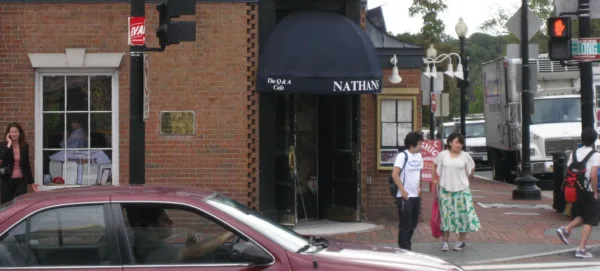
Carol Joynt inherited Nathans and a nearly $3 million tax crisis in 1997. She kept the Georgetown bar open for another twelve years.
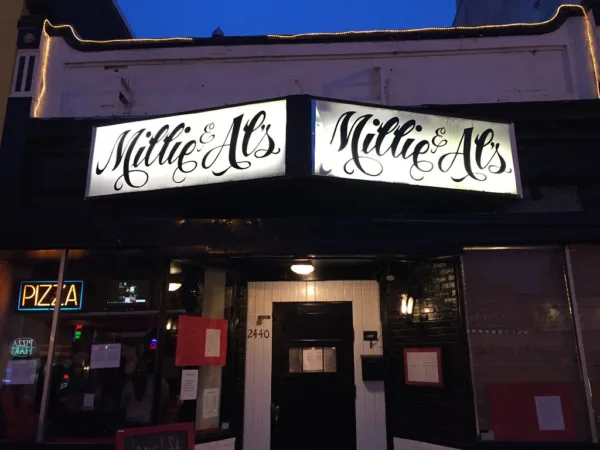
For 53 years, 2440 18th Street NW was Millie and Al’s. Al Shapiro bought Bobbie’s Restaurant in 1963, kept the name of his bartender girlfriend, and gave Adams Morgan Jell-o shots, a dancing skeleton, and its longest-running dive bar.

Shanklin Hall and Columbia Station made 2325 18th Street NW famous for music. A century ago the same Adams Morgan storefront was the home, store, and headquarters of D.G.S. founder William Hornstein.

In 1985, the Crazy Horse at 3259 M Street went through more than 300 cases of beer a week, with eight bouncers on weekends.

Inside Dan’s Cafe at 2315 18th Street NW: the windowless 1911 building, the immigrant Dan family, and the six decades Clinnie ‘Dickie’ Dickens ran one of D.C.’s oldest dive bars.

In April 1959, Fidel Castro spent a week in Washington, greeting crowds in Meridian Hill Park and turning up as a surprise guest on a late-night radio show.

How a Court House Oldsmobile dealership became the Plymouth-in-the-wall brewpub Bardo Rodeo, then Dr. Dremo’s Taphouse, then a condo tower.
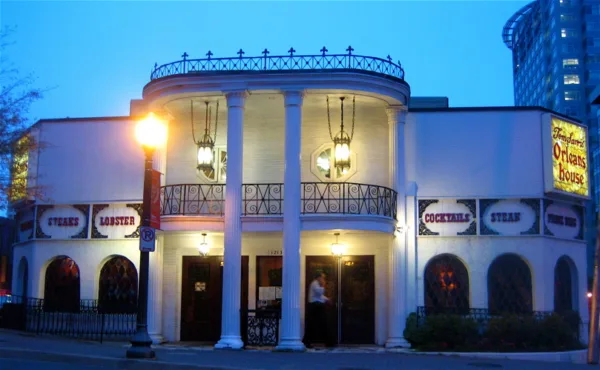
For 43 years, Tom Sarris’ Orleans House held the corner of Wilson and Lynn in Rosslyn, complete with iron balconies and a steamboat salad bar.
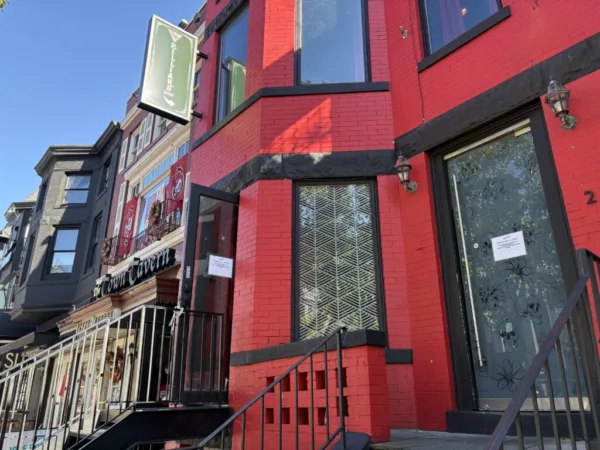
A few doors south of Heaven and Hell, 2321 18th Street NW in Adams Morgan was the Blue Room lounge, then Bill Thomas’s Bourbon whiskey bar, and now Death Punch.

Three blocks from the Capitol dome sits a dive bar the Nardelli family has run since 1955, deer butt over the men’s room door and all.
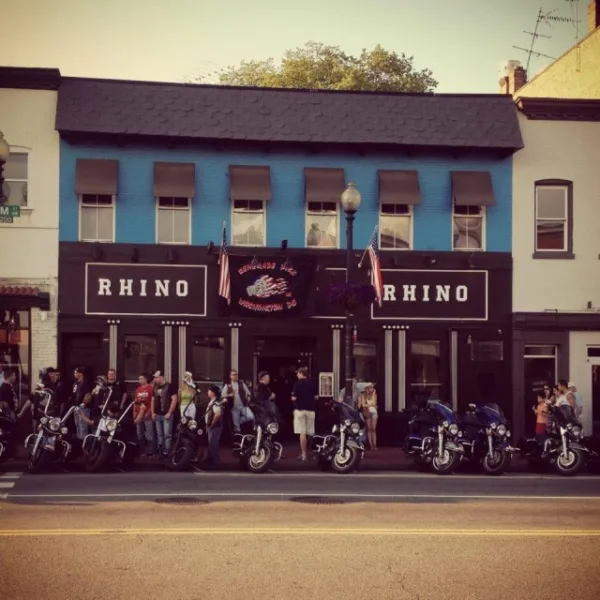
Three bars in 63 years at one Georgetown address: Shamrock 1952, Winston’s 1972, Rhino Bar 1998. The full arc of 3295 M Street NW before retail took it.
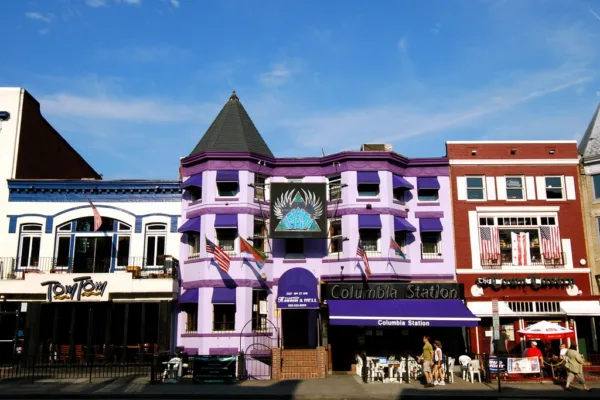
Heaven and Hell is the name people remember at 2327 18th Street NW. But the building’s first life as a political address began in December 1969 with the Black Panther Party.

Before it was Russia House, this Connecticut Avenue mansion flew the flag of the brand-new Irish Free State. A 1925 photo shows it in its diplomatic prime.

The man whose name is over the door at 1264 Wisconsin Avenue was a Boston Braves shortstop in the 1914 World Series before he opened a Georgetown tavern the year Prohibition ended. Four generations later, as of 2026, it is still open, still owned by the same family, and still has a brass plaque on the booth where John F. Kennedy proposed to Jacqueline Bouvier.

The Brickskeller served beer from a Dupont Circle basement at 1523 22nd Street NW, with a list thicker than a phone book, until it closed in 2010.